YouTube's January 2026 purge killed 16 channels holding 4.7 billion lifetime views, 35 million subs, and roughly $10 million a year in ad revenue, and enforcement has only tightened since. The fingerprint that got them hit wasn't AI — it was synthetic narration plus templated thumbnails plus stock-loop B-roll at an upload cadence no human could sustain. AI-assisted work with disclosure and actual editorial direction is still fully monetizable, so the operating rule is vary your templates and leave human fingerprints on every upload.
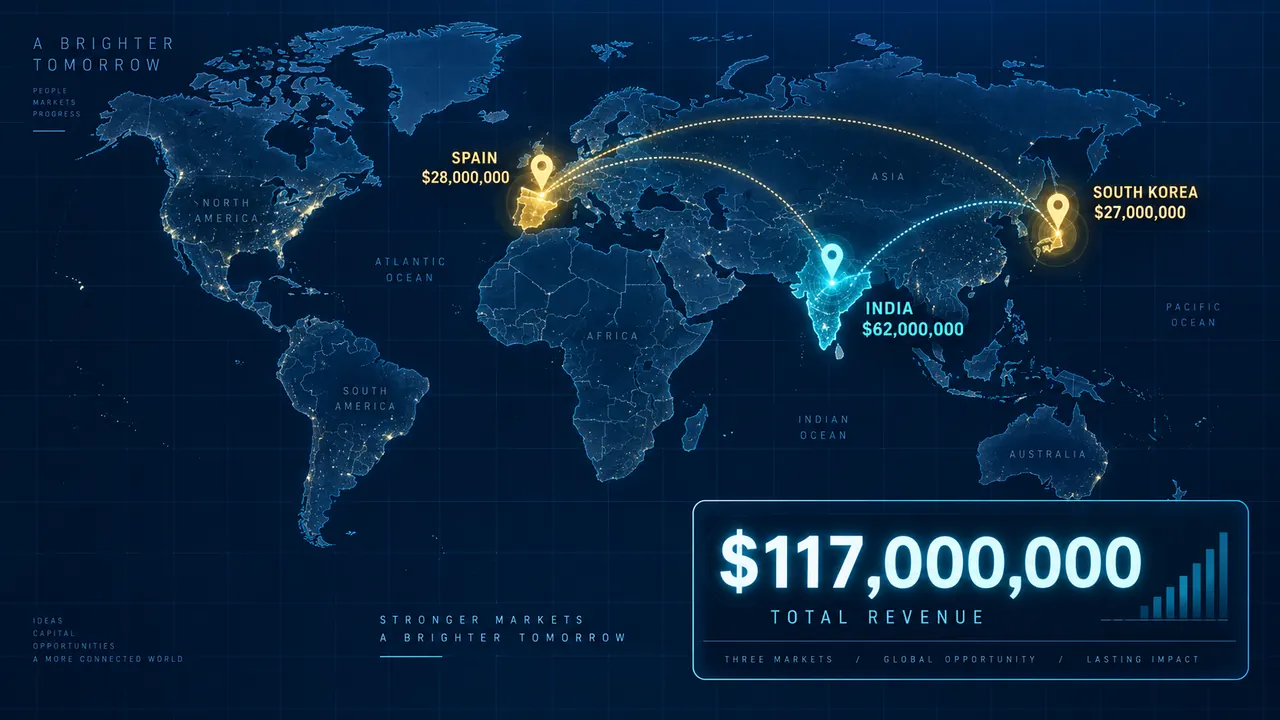
Kapwing's study of 15,000 trending channels found 278 pure-AI channels sitting on 63 billion views, 221 million subs, and an estimated $117 million in annual ad revenue. Top earner is India's Bandar Apna Dost at 2.4 billion views and roughly $4.25 million a year; Spain leads on combined subscriber count at 20.2 million, South Korea on views at 8.45 billion. The money is not in US English — it's in high-volume non-English markets where nobody's competing for the format.
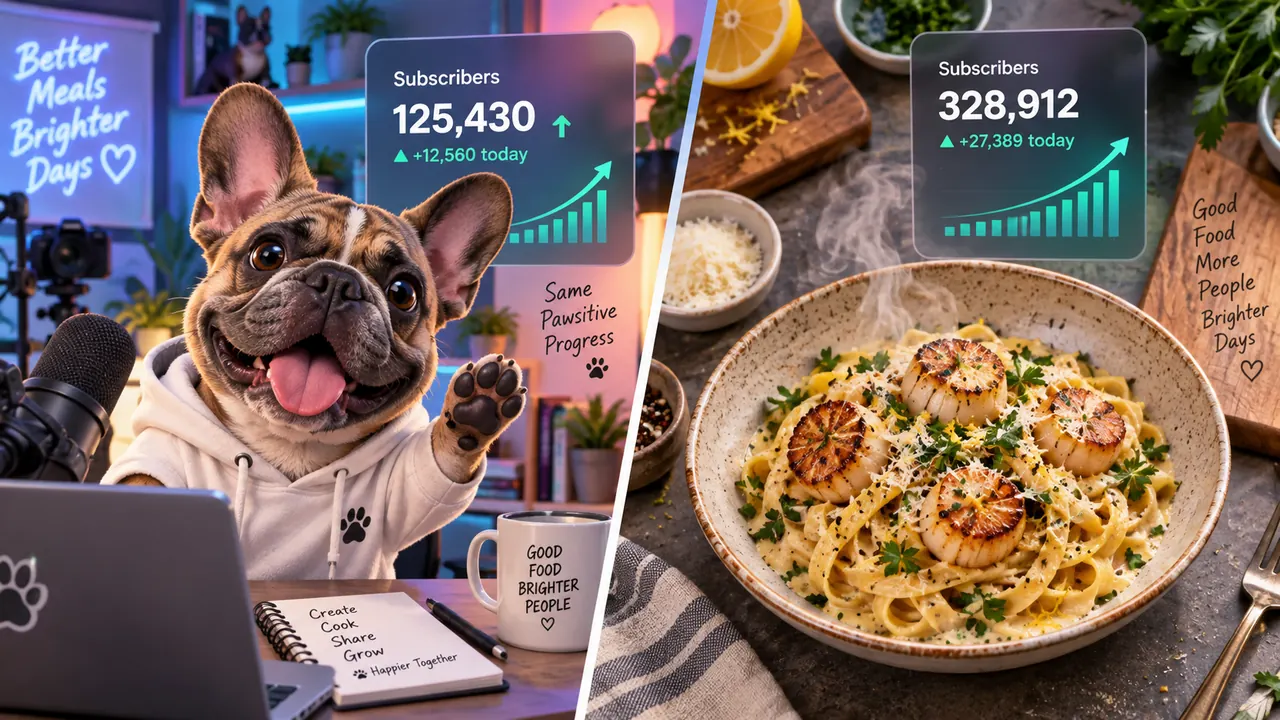
Pouty Frenchie out of Singapore has passed 2 billion views on animated French bulldog adventures, pulling an estimated $4 million a year. On the food side, Super Recipes and SuperYummy both cleared 1 million subs and 400 million views running AI voiceover over recipe footage. The pattern holds where the format is templatable, production cost is the only real barrier, and no on-camera credibility is required.
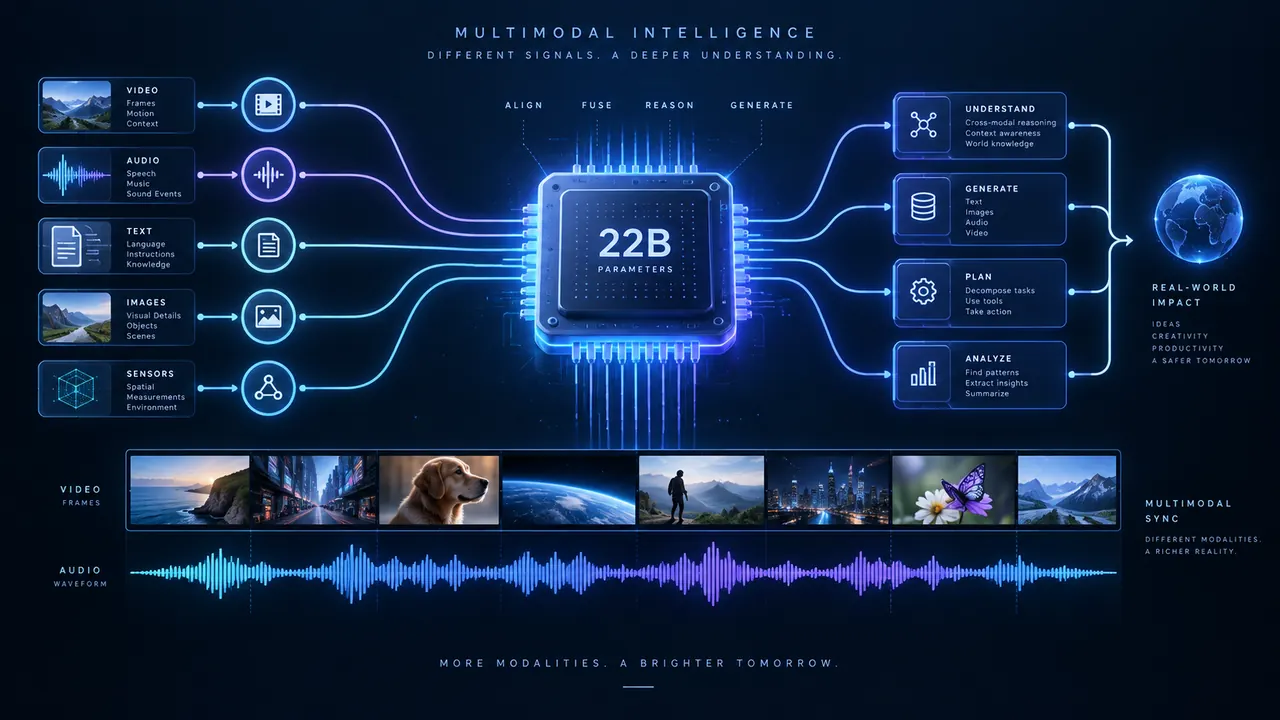
Lightricks shipped LTX-2.5 with open weights and day-zero ComfyUI support — 22 billion params, synchronized video plus audio in one pass, 720p to native 4K, six to twenty second clips, running from 16GB VRAM depending on quantization. VentureBeat clocked it generating a ten-second clip from an image in 6.8 seconds on Nvidia superchips. The distilled variant is the one to test first — it now carries meaningfully better prompt adherence and motion than prior distills.
Wan 2.5 and 2.6 are API-and-hosted-only, which means Wan 2.2 remains the last open, downloadable, licensable checkpoint in the family and the one with mature ComfyUI workflows. The TI2V-5B variant runs on about 8GB VRAM; the 14B needs 24GB-plus but is a different class of output. Wan 2.2 Animate landed native in ComfyUI for character animation and replacement, and Fun Control gives you Canny, depth, OpenPose, and MLSD motion driving from a reference clip.
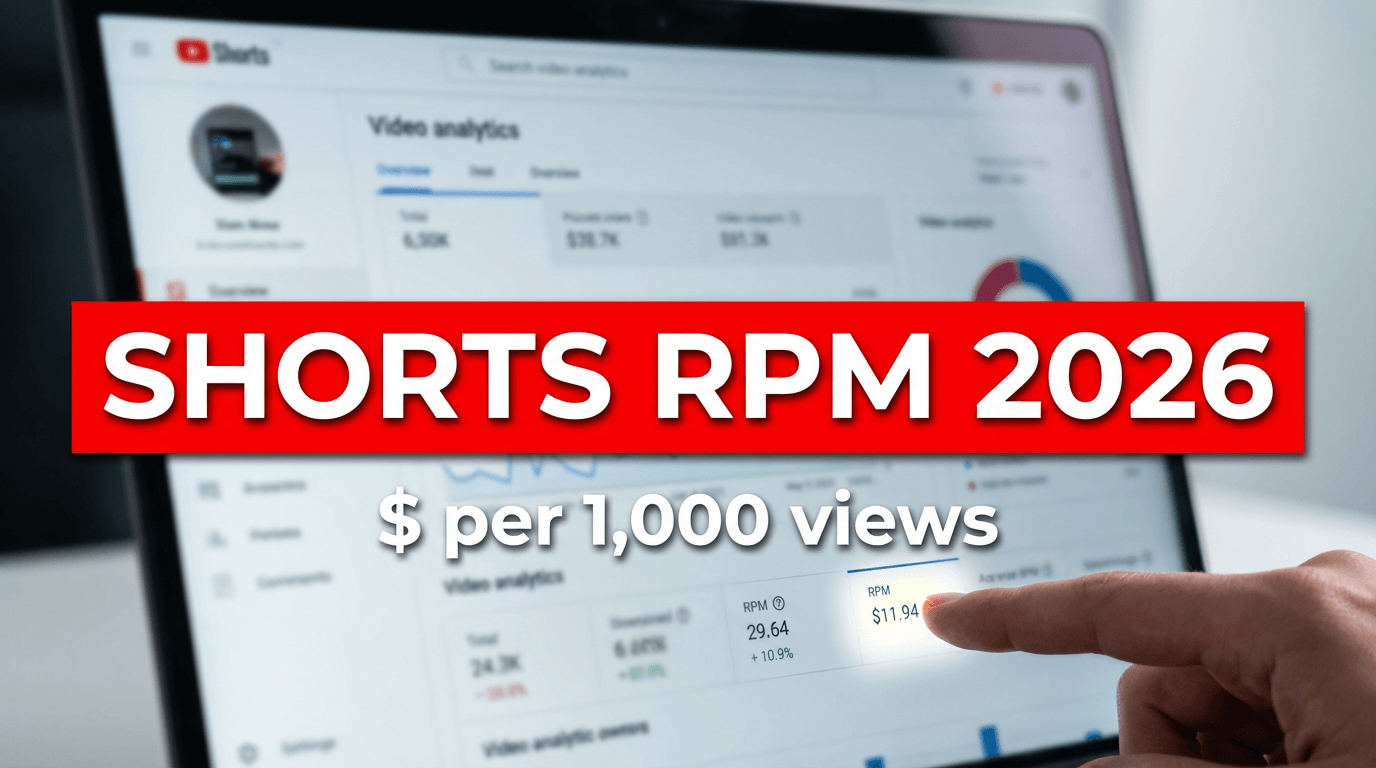
Most creators land between one and seven cents per thousand Shorts views, with the outer band running to twelve cents, and viewer geography plus music-licensing deductions move that number far more than niche does. Practical math: one to five million monthly views nets roughly $20 to $300; ten to fifty million nets $200 to $2,000. Anyone modeling a Shorts-only business on US-tier RPM is off by an order of magnitude.
TikTok now requires visible labels on AI visuals and audio depicting realistic people or scenes, and it auto-detects via C2PA Content Credentials whether or not you self-disclose. Labeled AI content remains Creativity Program eligible — the label itself doesn't remove you. What does remove you is failing to disclose, which triggers video takedown or program suspension, so disclose everything and stop guessing.
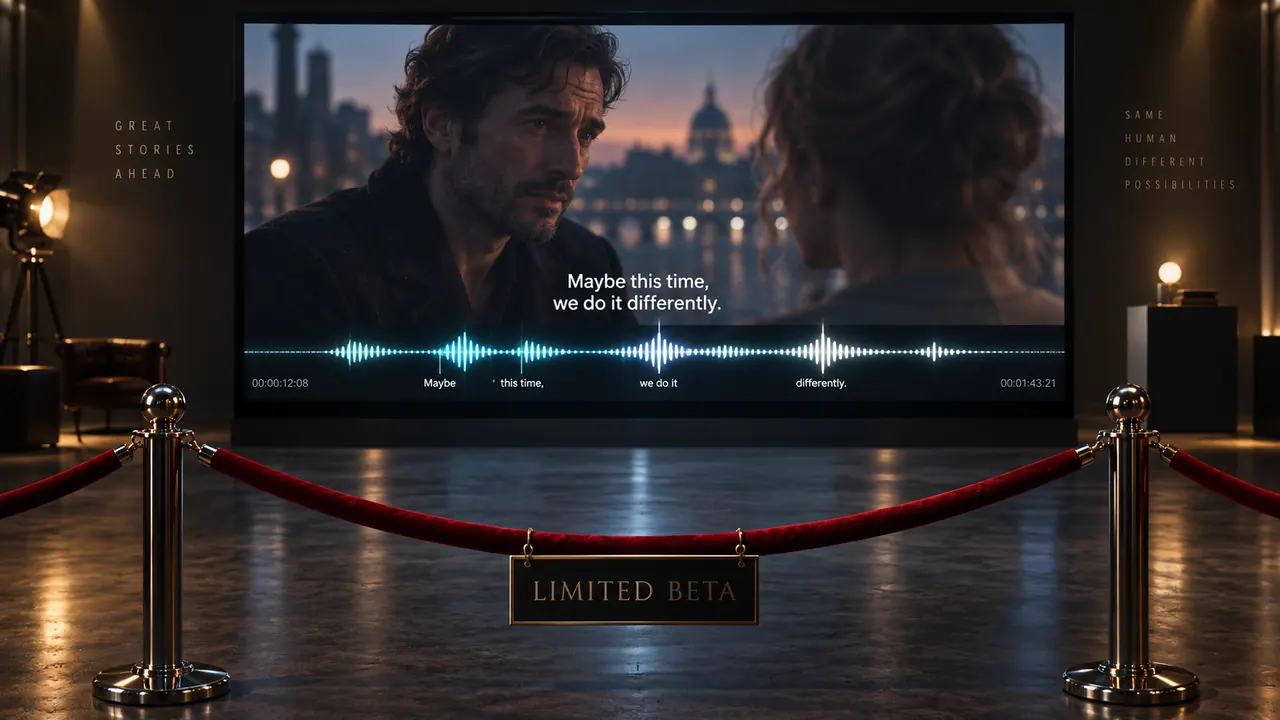
ByteDance launched Seedance 2.0 on February 10, 2026 as a limited beta on Jimeng AI: 1080p with native synchronized dialogue, SFX, and music in a single pass, plus multi-shot storytelling with character consistency. It went viral off celebrity-likeness clips and drew immediate copyright heat. Distribution is still gated, which means the competitive threat is a quality benchmark right now, not a volume threat — the gap closes the moment access opens.
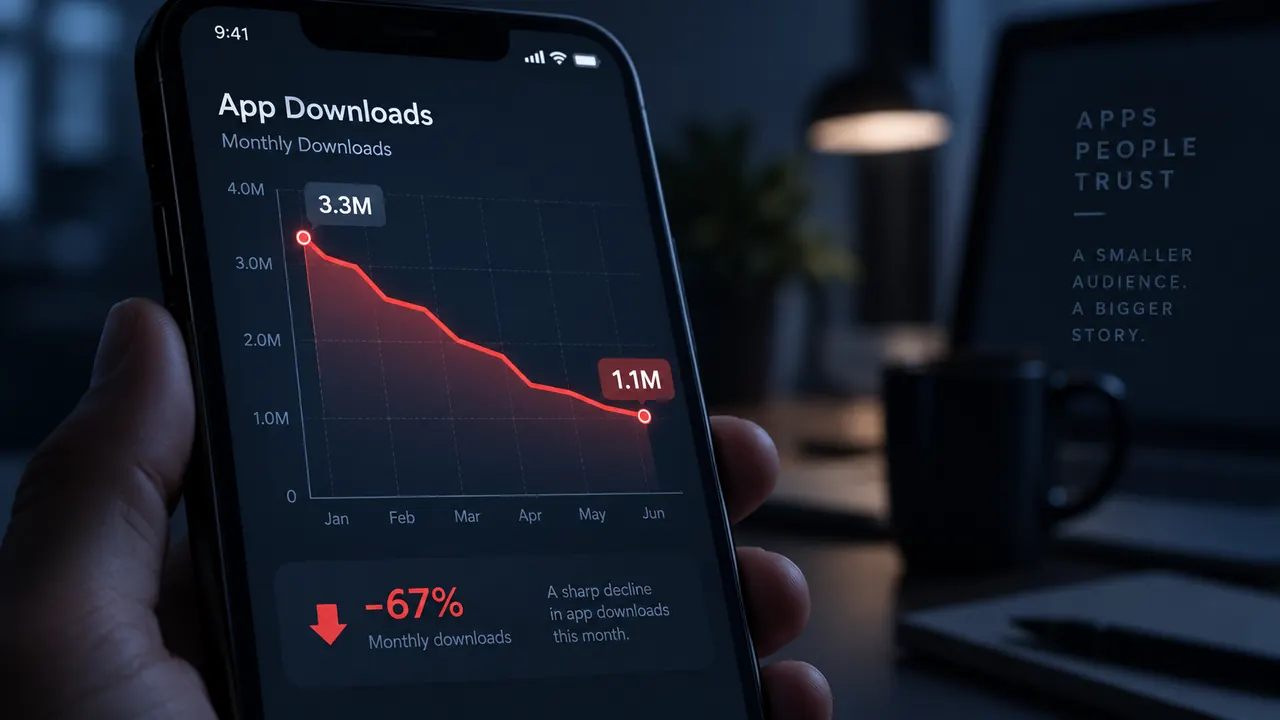
Sora downloads peaked near 3.3 million in November 2025 and fell to roughly 1.1 million by February 2026, a 66% collapse in three months, and OpenAI has moved to shut the app and API down against reported $15 million/day compute costs versus $2.1 million in revenue. Creators who built on the cameo feature for $100 to $10,000 monthly need a new stack. Portability of your pipeline is worth more than any single model's output quality.