TikTok published the update on August 25 and it took effect September 24, 2026. Any AI visual or audio a reasonable viewer could mistake for real footage now needs the AI label, and TikTok reads C2PA Content Credentials to auto-apply it when you don't — the auto-applied version is the unfriendly one. Generic text-to-speech narration stays exempt as long as it isn't a recognizable real person's voice, so standard faceless VO pipelines are clear.
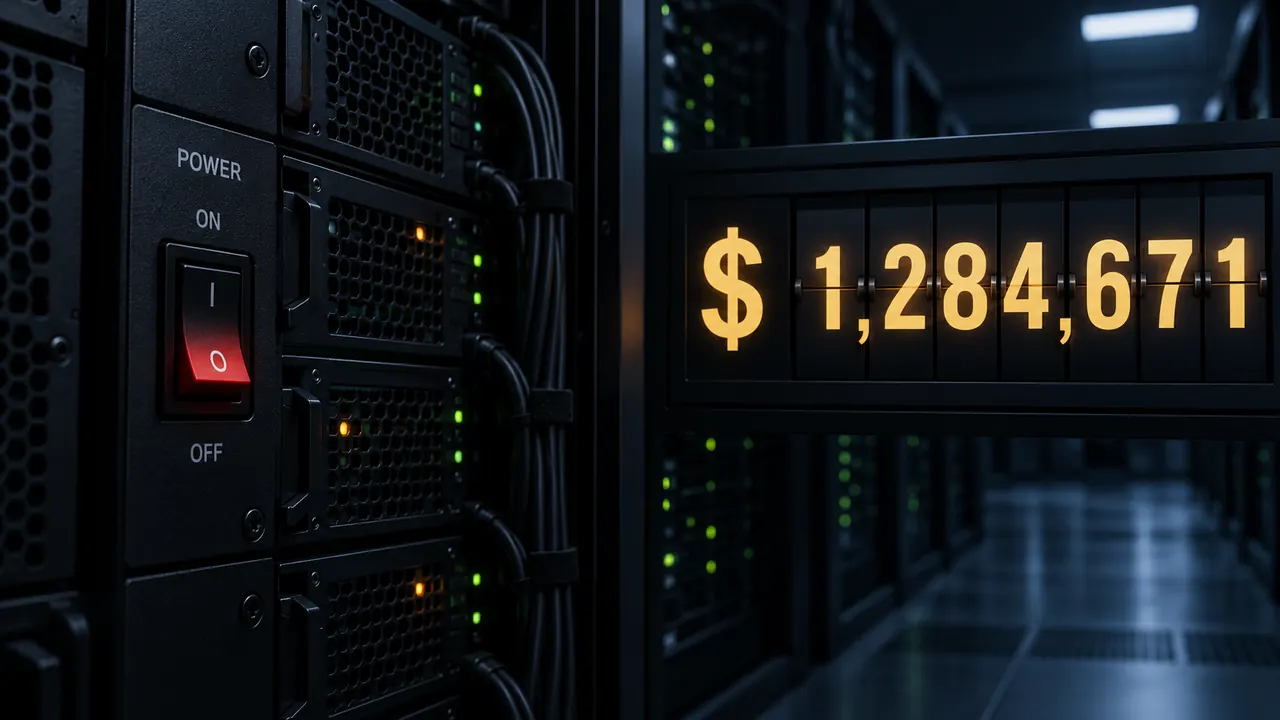
OpenAI killed the Sora app back in April and the API went dark on the 24th, same day as the TikTok rules. Reported cause: roughly $1M a day in compute against about $2.1M in lifetime revenue, with Disney walking from the partnership. Anybody who hard-wired a generation stack to Sora endpoints is rebuilding this weekend — Veo 3.1 and Kling 3 are the live targets.
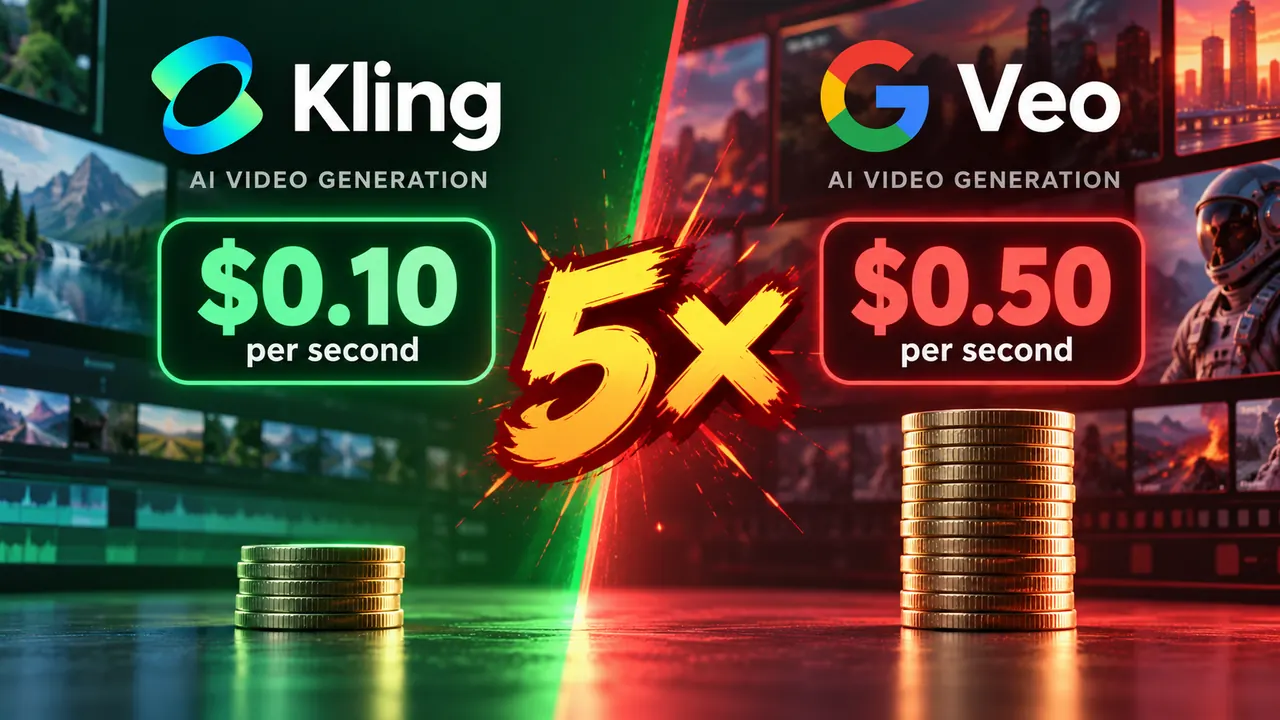
Veo 3.1 Standard API runs $0.40 per second. Kling 3.0 resells from about $0.075 per second, with API units listed at $0.14 and a base burn of 6 credits per second of 720p. Kling's September 13 plan sheet put Standard at $6.99 first month then $8.80, 660 credits — which is only about two 5-second 720p tests a day, so the free and Standard tiers are eval-only, not production.
The policy renamed from "repetitious content" targets templated, mass-produced output with no real author input. Channels getting hit share one profile: synthetic narration, templated thumbnails, stock-footage loops, and an upload cadence no human editorial process could sustain — ten a day off one template. Faceless channels with original scripts and consistent style stay fully eligible, and AI carries no automatic RPM penalty; the revenue hit comes from the quality signal killing watch time.
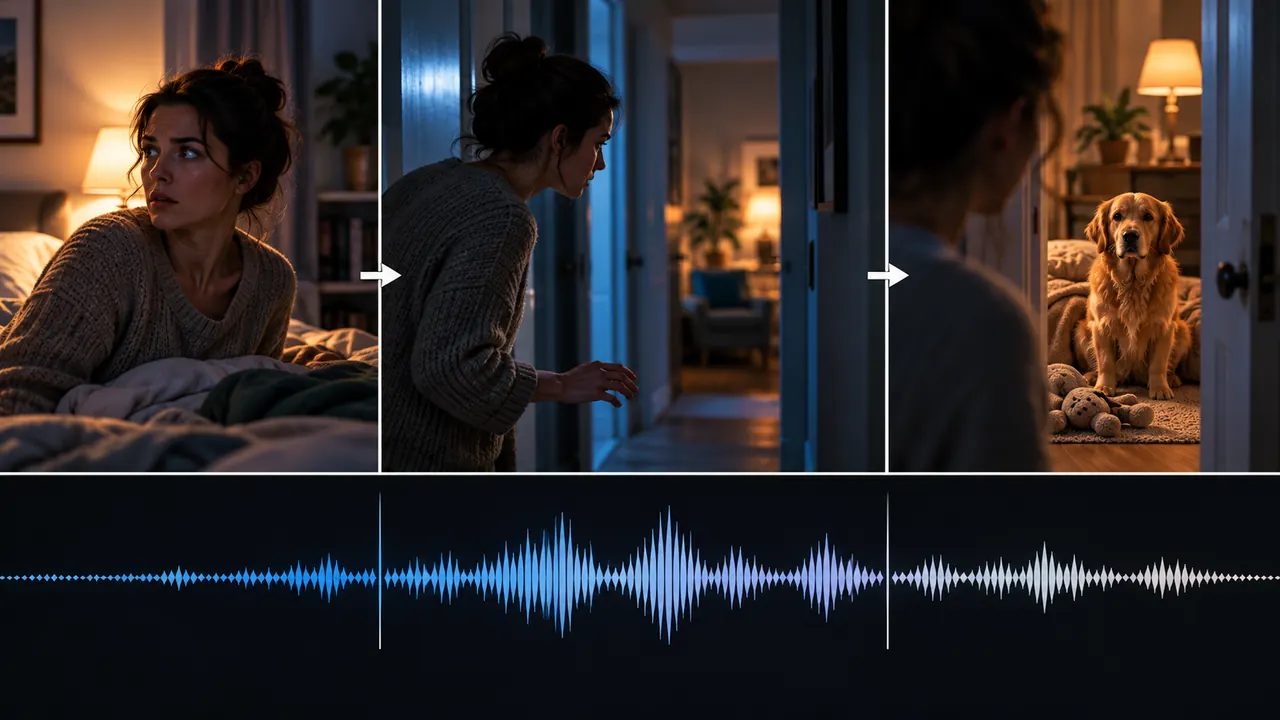
Stable Video Infinity out of VITA-EPFL — an ICLR 2026 Oral — uses error recycling plus the last 8 frames of the prior segment as context to chain clips without drift. The ComfyUI Pro workflow runs on any Wan 2.2 dual-model merge and supports independent prompts per clip, which means per-beat prompting across a long sequence. Known trap: the SVI LoRA will not run on an unmodified Wan 2.1 workflow — padding settings have to change or you get garbage.
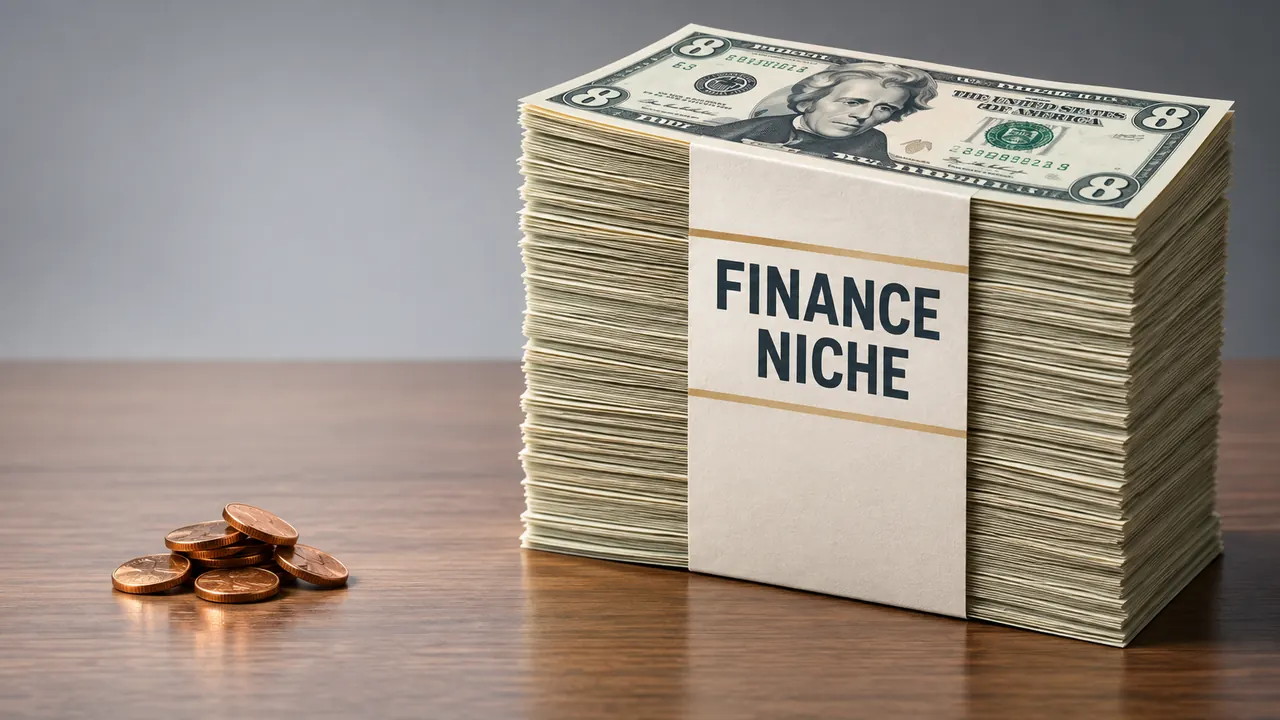
Shorts pays from a country-specific Creator Pool at a 45% share, landing most creators between a penny and thirteen cents per thousand views. Finance is the outlier — AI-generated finance content commands $8 to $15 RPM on long-form YouTube plus premium affiliate rates, with productivity and health next. The math says Shorts is a funnel, not the revenue line; the money is downstream in affiliate and long-form.
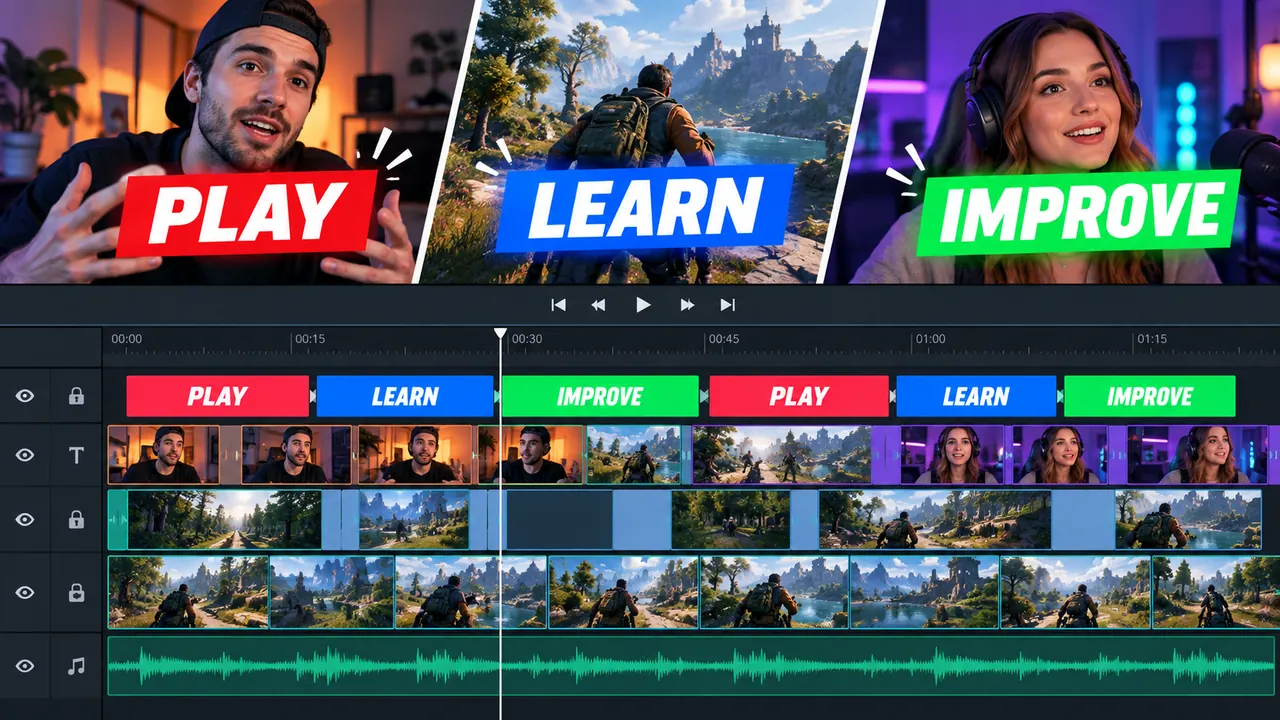
Stacked split-screens, Subway Surfers loops underneath, layered ASMR, kinetic captions in three colors at once. Operators are shipping 5 to 20 of these a day off intelligent workflows. The reported rule of thumb: a great generation cut badly flops, a mediocre generation cut tight still wins — the 30-second edit window matters more than model quality.
Built on the Wan 2.2 architecture, 2.6 does up to 15-second generations from text, image, or reference video, handles multiple shots in a single pass, and syncs audio to visuals. Wan 2.2 stays Apache 2.0 and commercially usable — 5B runs on 6 to 8GB VRAM, 14B wants 24GB or more for clean 480p and 720p. Wan 2.2 Fun Control is the ControlNet variant if you want motion driven off a reference clip.
Runway Standard at $12 a month annual now bundles Gen-4.5, Veo 3.1, and Kling 3.0 in one seat plus Aleph for in-context editing. Google AI Plus at $7.99 gets you Veo 3.1 Fast through Flow as the cheapest entry. Post-Sora, the portable lesson is blunt: don't build a workflow around a single vendor's endpoint.
Reels Play Bonus has been dead in most markets since early 2023, and what exists now are small controlled pilots — as of early 2026 the active window is select Indian creators. Invited creators see $100 to $35,000 a month, with most landing $500 to $3,000 per bonus period. Treat Reels as distribution and brand-deal surface, not as a payable view channel.