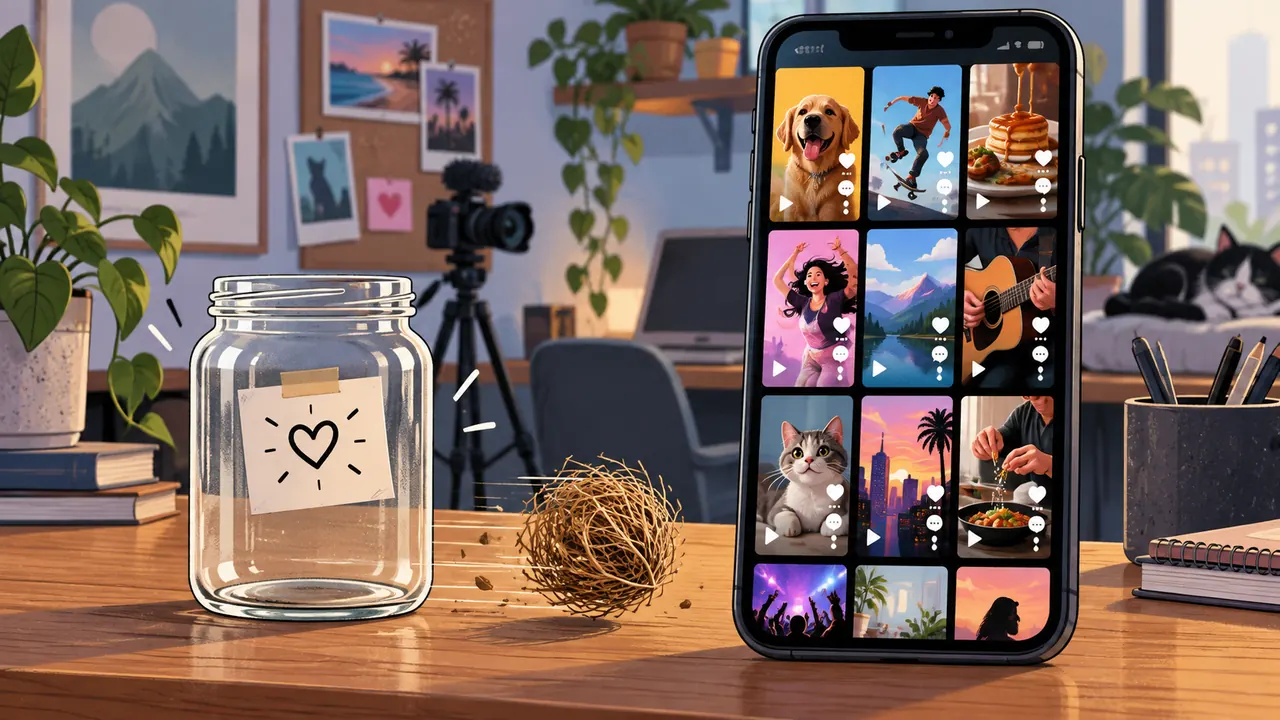
OpenAI kills the Sora API on September 24, 2026, taking down both Sora 2 and Sora 2 Pro endpoints with no announced replacement. The app and web product already died April 26. If any part of your pipeline still calls Sora, you have under two weeks to swap in Veo 3.1, Seedance 2.0, Kling 3, or Wan, and export your back catalog at sora.chatgpt.com/sunset before the data gets deleted.
Shipped September 9. PR #15861 added a memory compiler that cuts CUDA allocation overhead; PR #16072 added core Block Sparse Attention. Reported result is roughly 2.5x faster MiniMax H3 generation, with 720p at 158 frames running on an RTX 5060 at a stable VRAM footprint — and the speedup scales with sequence length, so your 10-second clips benefit most. This is the single highest-leverage upgrade on the board this week.
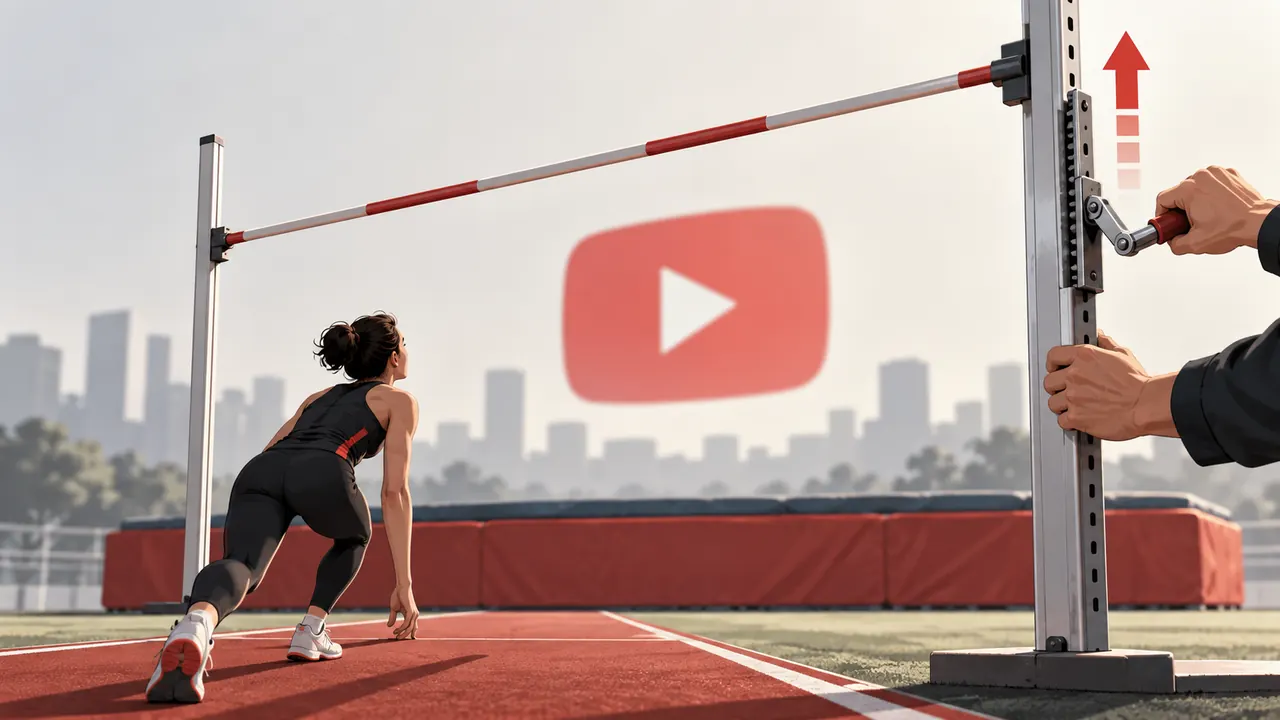
Announced August 10, effective February 1, 2027: new channels need 1,000 subs plus either 8,000 watch hours in 365 days or 20 million qualified Shorts views in 90 days. That's the first YPP rewrite since 2018. Existing partners keep their status but must accept the new terms by January 31, 2027 or lose monetization features outright.
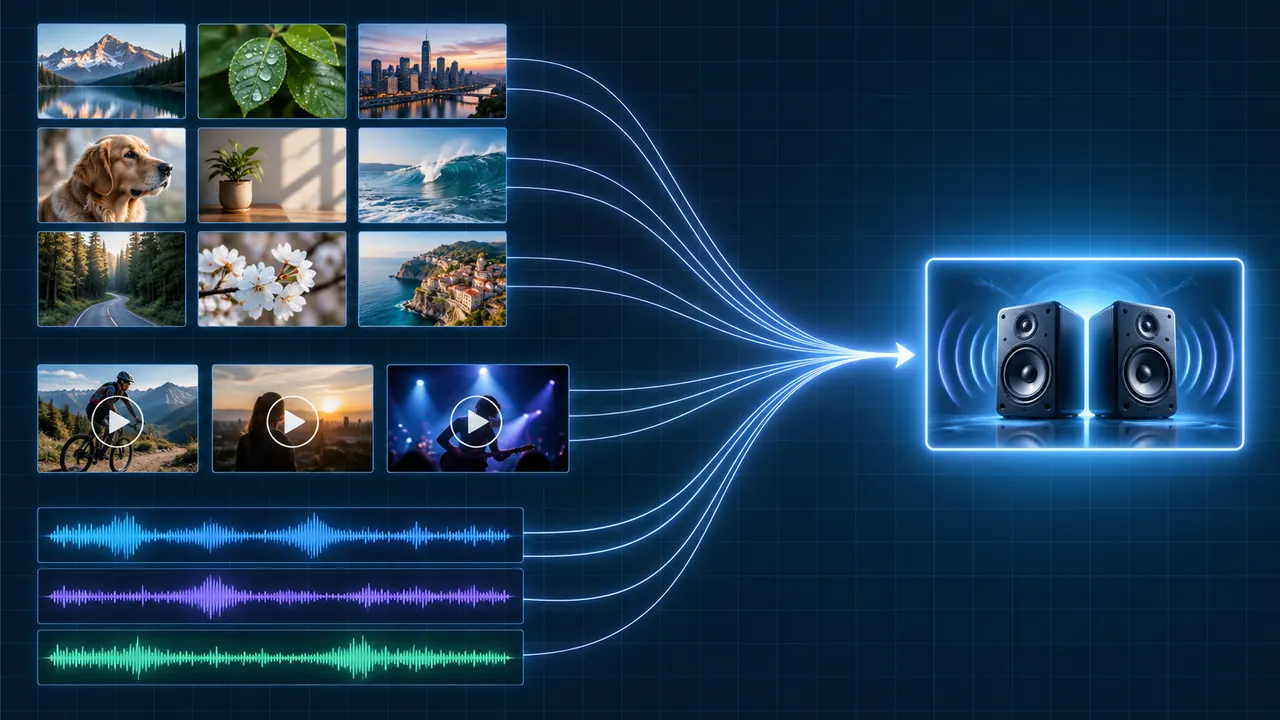
H3 takes up to 9 images, 3 videos, and 3 audio clips in one context (12 mixed files max) and returns a single 2K 24fps MP4 with native stereo audio in one pass — no separate voice step. The new RefMods are 1MB conditioning adapters for reference-to-video, and there's a Turbo Ref2VA 8-step LoRA for fast audio-bearing output. Character consistency plus synced voice from one call is the whole ballgame for serial formats.
YouTube's clarified guidance published July 16, 2026 moved detection from video-by-video to channel-level. The signals it hunts are templated thumbnails, synthetic narration, stock-footage loops, and an upload cadence no human editorial process could sustain. January 2026 saw 16 mass-AI channels terminated in a single wave. AI-assisted original work stays monetizable — disclosure alone does not suppress reach or eligibility.
Alibaba's four-model suite shares a 27-billion-parameter MoE backbone and covers text-to-video, image-to-video, reference-to-video with voice cloning, and instruction-based editing. It debuted atop Artificial Analysis text-to-video at 1762 Elo against LTX-2.3 Pro's 1484. Output runs 720p or 1080p, 2 to 15 seconds, API from ten cents a second — or free forever if you run it local.
Seedance 2.0 runs about fourteen cents per second; Kling 3 Turbo eleven to fourteen. Meanwhile Shorts RPM sits at one to seven cents per thousand views globally, eight to twenty cents in Tier-1, and fifteen to twenty-five cents only in finance, B2B, and tech. A 30-second Seedance short costs roughly four dollars twenty to generate — you need about 28,000 US views just to break even on inference. Local Wan changes that equation to zero marginal cost.
TikTok's 2026 policy requires visible labels on AI visuals and audio depicting realistic people or scenes, and reads C2PA Content Credentials to flag synthetic media even when creators stay silent. Script and hashtag generation remain exempt. Worth noting: sources conflict on whether Creator Rewards accepts AI content at all versus the Creativity Program accepting it with disclosure — treat that as unresolved and verify against your own dashboard before betting a format on it.
Nearly a year in, Vibes offers no monetization and no stated rights position on derivative AI videos. Meta is testing a freemium subscription for extra generation credits, with creator tools described only as "expected to follow." Distribution without payout is a top-of-funnel play at best — post there for reach, bank revenue elsewhere.