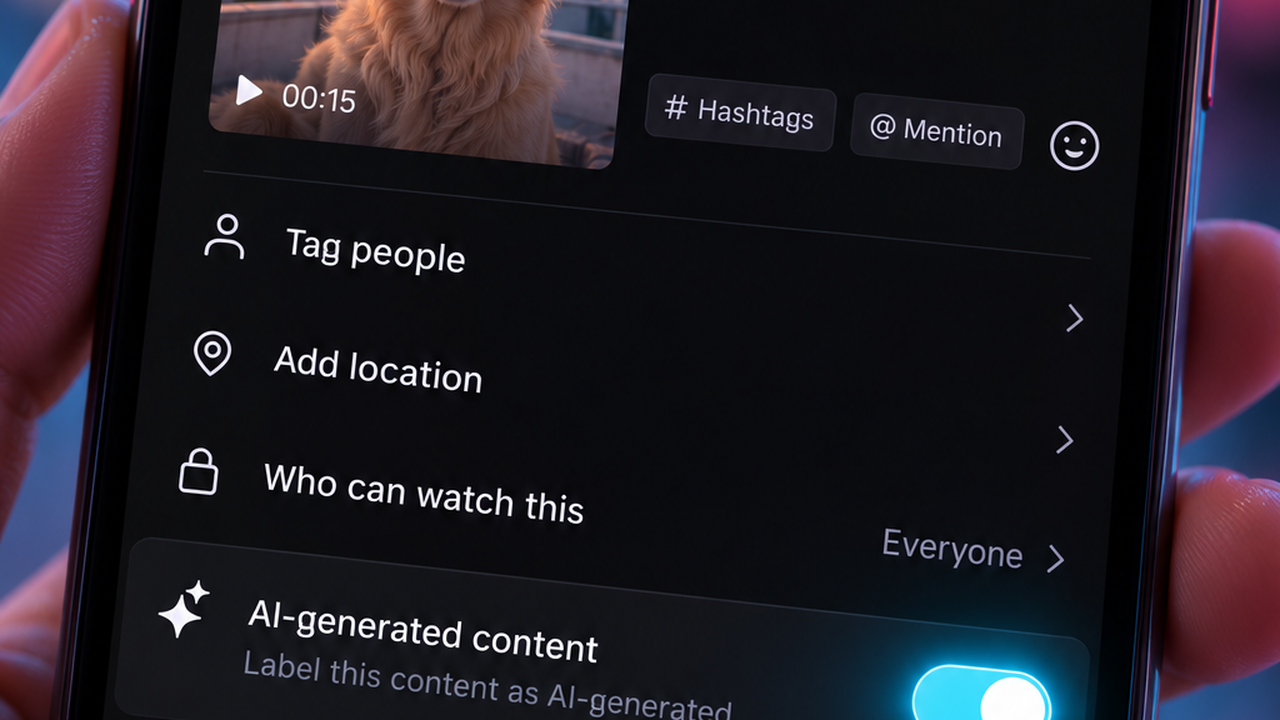
The refreshed guidelines (published Aug 25, effective Sept 24) formalize AIGC labeling: any AI-generated or AI-edited visual or audio depicting realistic people or scenes must carry a visible label, and TikTok auto-detects via C2PA Content Credentials whether you disclose or not. Critically, Creator Rewards language never mentions AI — labeled AI content is not demonetized or algorithmically throttled. The penalty is for hiding it, not for making it.
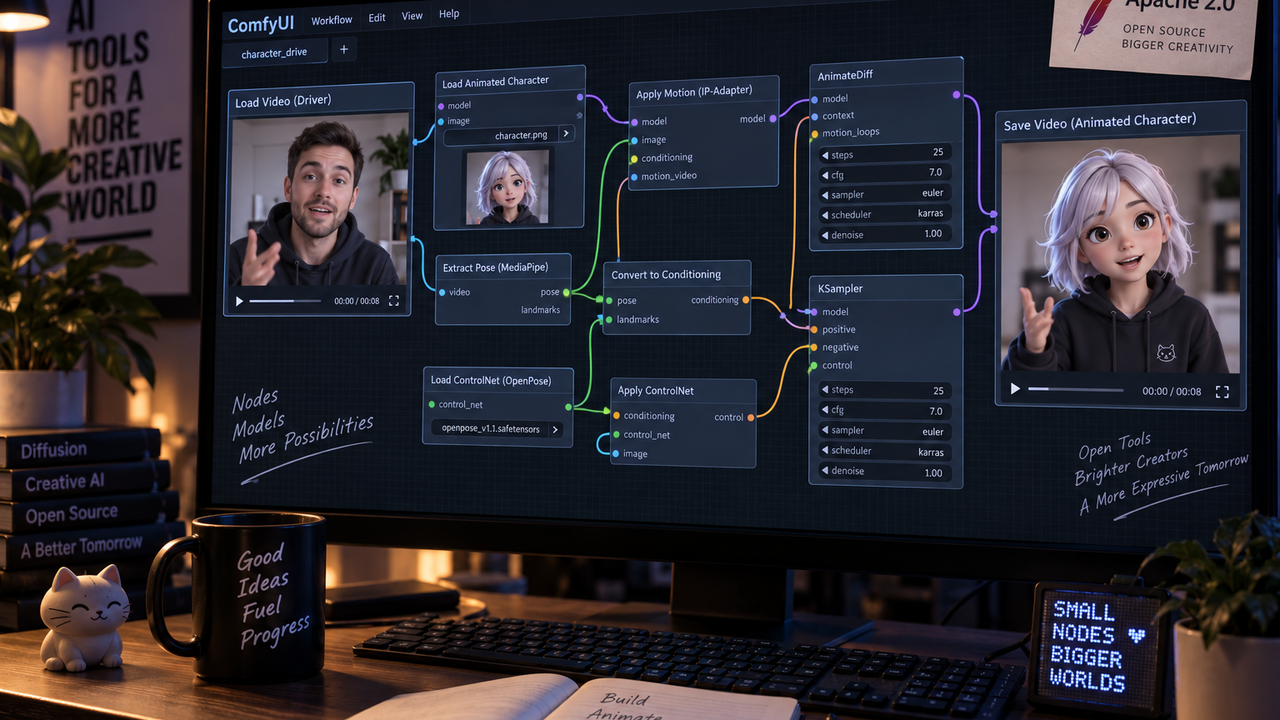
Alibaba's Tongyi Lab dropped Wan-Animate-2 on Aug 7 with Base and Distillation weights, inference scripts, and the paper all public under Apache 2.0. It transfers full-body motion and facial performance from a driver video onto a single reference character image, plus prompt-controlled background and viewpoint swaps, and it runs locally through the WanAnimate2ToVideo node. Everything from Wan 2.5 up is API-only Partner Node — 2.1, 2.2, and Animate 2 are the last fully local checkpoints.
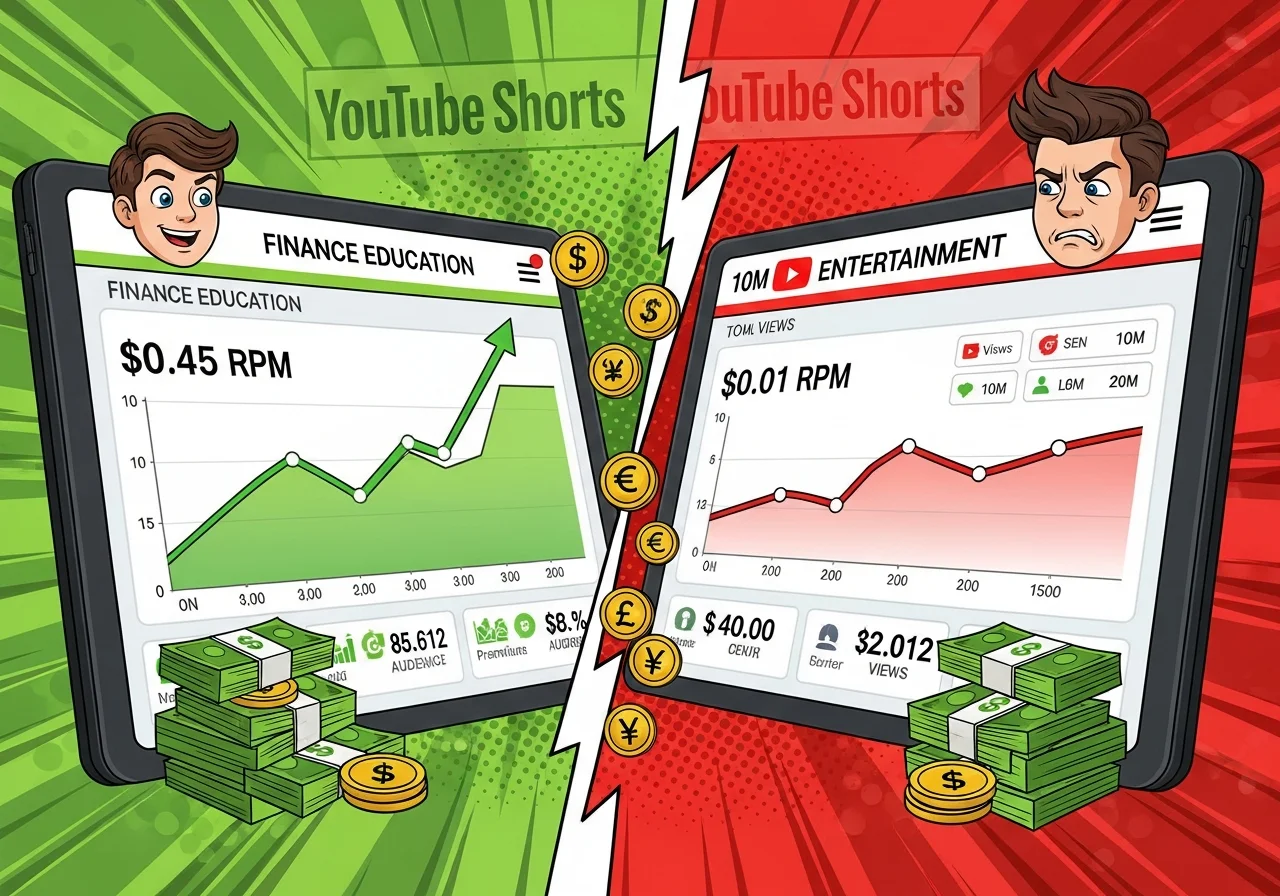
Educational faceless content is pulling $9.89–$25 CPMs versus $2–$8 for entertainment, a 3-10x gap with better retention on top. AI and tech niches run $15–$22 CPM against a faceless RPM of $10–$15; faceless storytelling runs $15–$25 CPM at $9–$13 RPM. Against a baseline Shorts payout of roughly $50–$500 per million views, that's the difference between a hobby and a P&L.
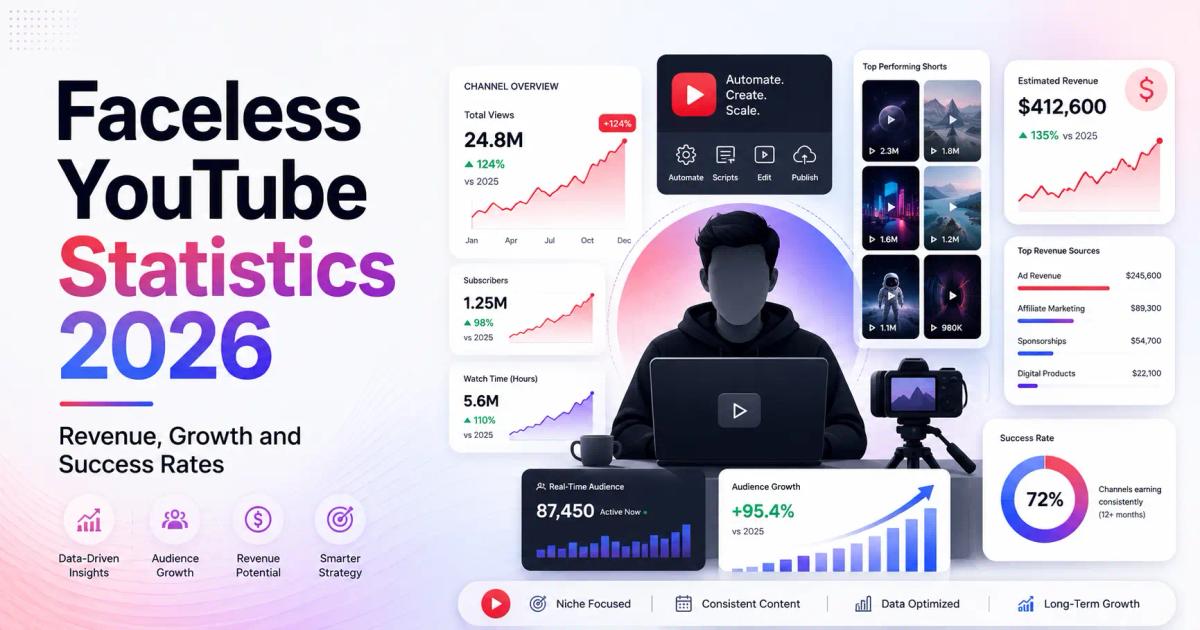
The case study stack is deliberately unglamorous: ChatGPT scripts, AI voice, AI stills, CapCut, batched production. A separate documented channel hit 58,000 subs and 2.4M views with on-screen analytics showing $1,000+ days. The common thread is batch throughput plus a high-CPM story vertical — not model quality.
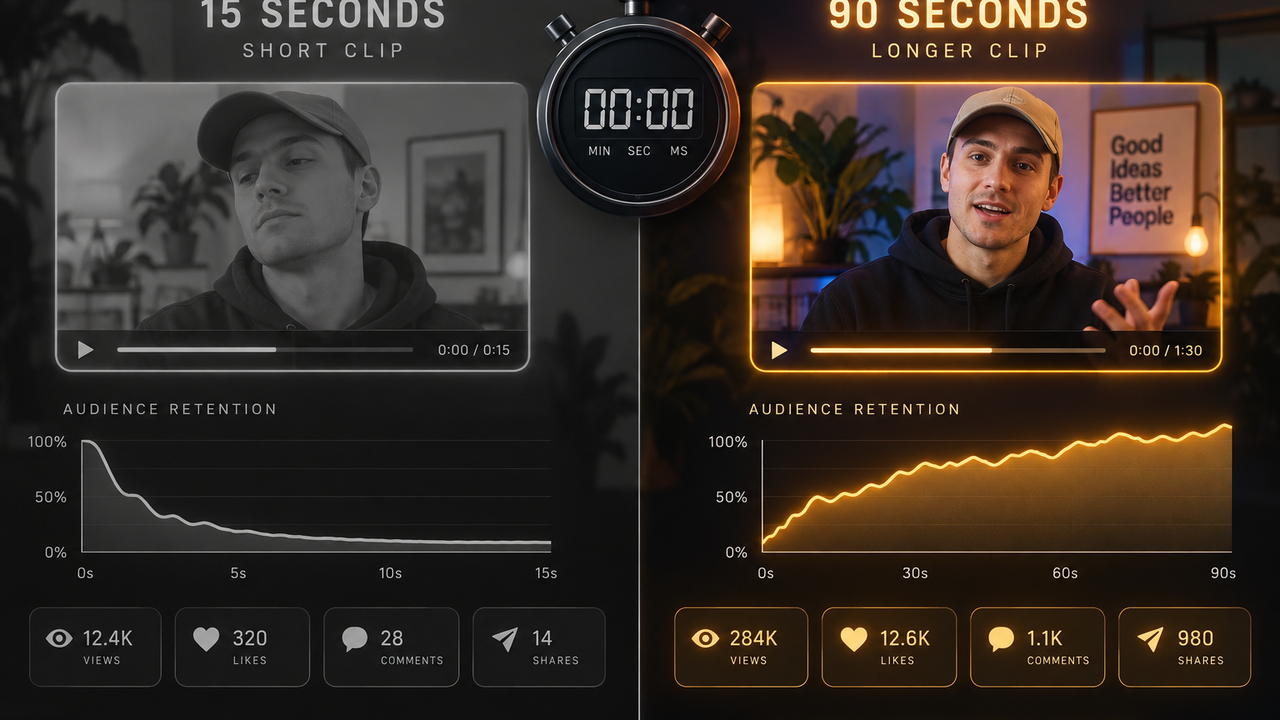
Longer-form short video in the 1–3 minute band is now outperforming 15-second clips on watch time, retention, and FYP distribution. That also aligns with Creator Rewards, which only pays on content over 60 seconds, at $0.50–$1.00 per 1,000 qualified views. Anything you're cutting under a minute is being produced for zero direct payout.
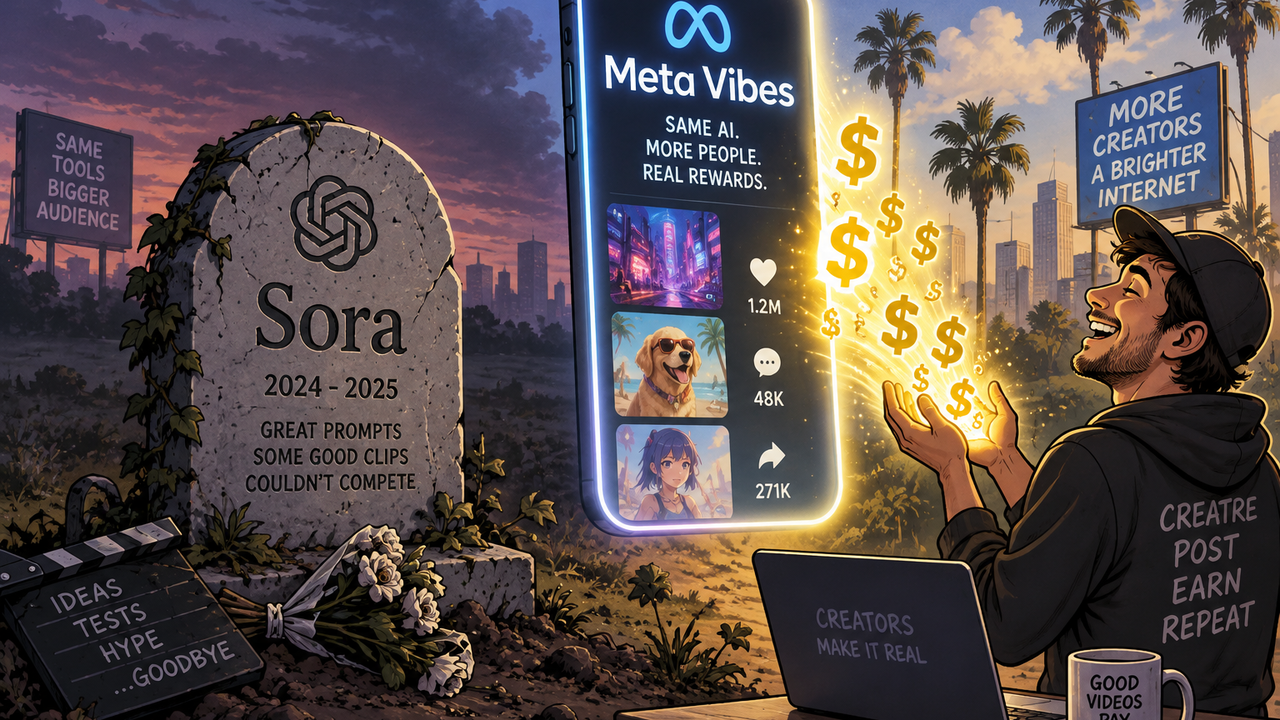
OpenAI announced on March 24, 2026 it was killing the Sora app and ChatGPT video generation after a WSJ investigation pegged burn at up to $1 million a day, then shut the Sora API on Sept 24. Meta's Vibes survived and is actively paying generative-AI specialists to keep the feed stocked, under NDA. Meta's broader Creator Fast Track runs $3B annually, paying $1,000/month at 100K followers and $3,000/month at a million.
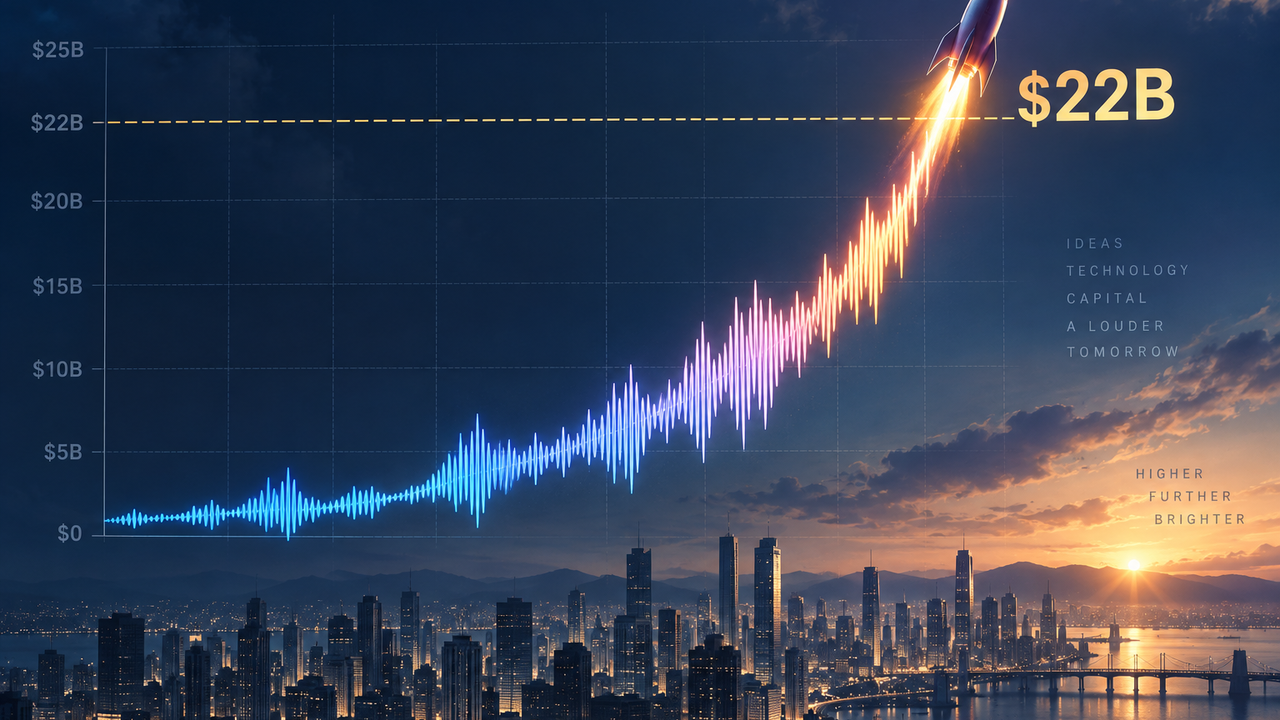
The $300M employee tender closed Sept 30 at a $22B valuation, double the $11B mark from a $500M raise eight months prior, led by Wellington and T. Rowe with EQT and Goldman new in. They added $100M net-new ARR in Q1 alone and crossed $500M ARR in April. Creator tier is still $22/month with pro voice cloning — but enterprise voice agents, not creators, are driving that curve.
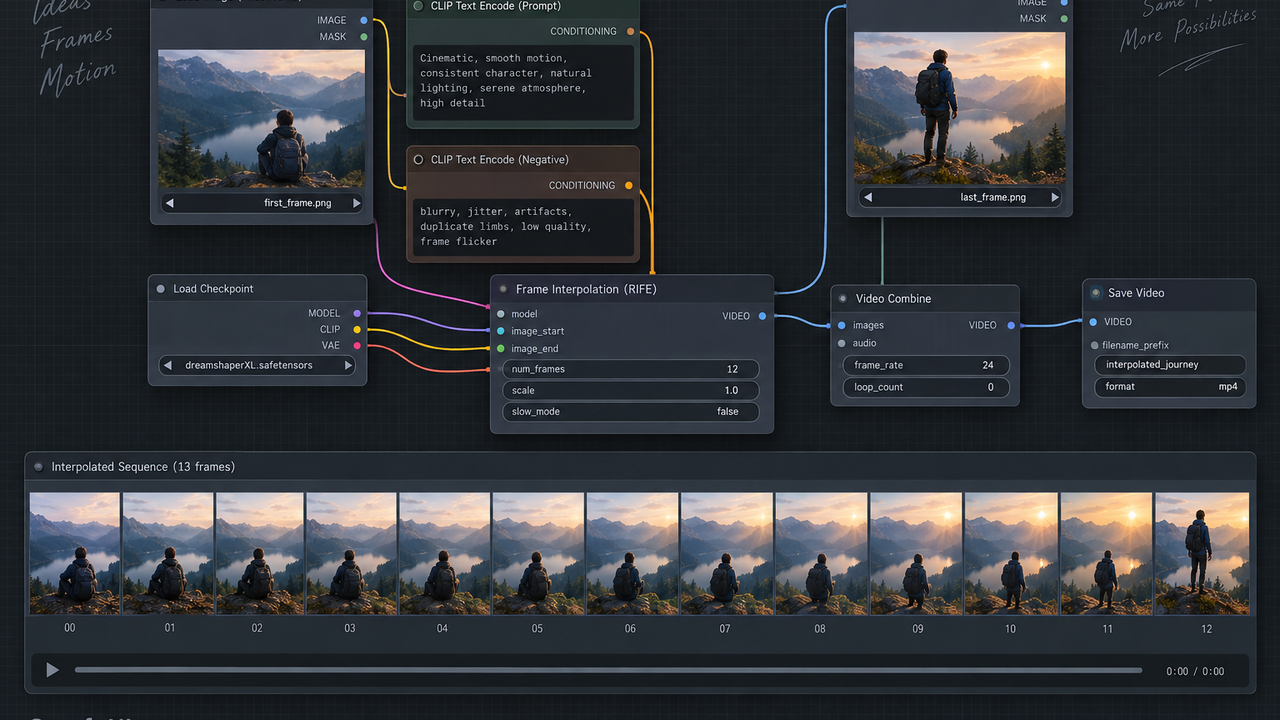
The community I2V and first-frame-last-frame workflow was updated yesterday, bundling SageAttention and frame interpolation. ComfyUI native also now carries Wan2.2 S2V with improved performance past 120 frames and better memory estimation on S2V graphs. FLF2V is the cheap trick for continuity across a multi-shot sequence.
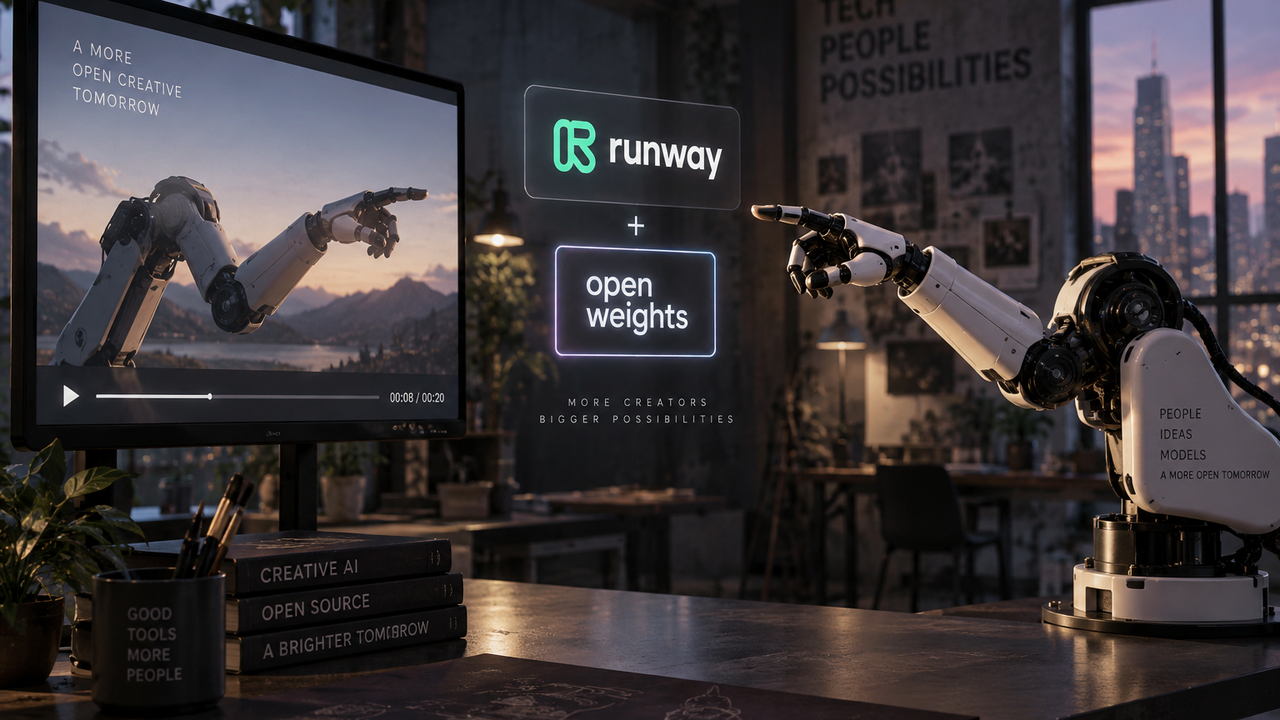
Runway shipped Praxis-1 this week, converting video pretraining into an open-weight world-action model for robot control across bimanual rigs, six-axis arms, and mobile bases without retraining. Public weights are promised within months. Not a creator tool today, but it signals where Runway's research spend is going — and it isn't your Shorts pipeline.