OpenAI's Sora API hit its hard sunset on September 24, completing a full product-line exit that began when the consumer app died April 26. This isn't a deprecation with a grace period — anything still parked on Sora's servers gets permanently deleted, and the export flow at sora.chatgpt.com/sunset is the only recovery path. Context on why it died: roughly $1M/day in operating cost against about $2.1M in total lifetime revenue.
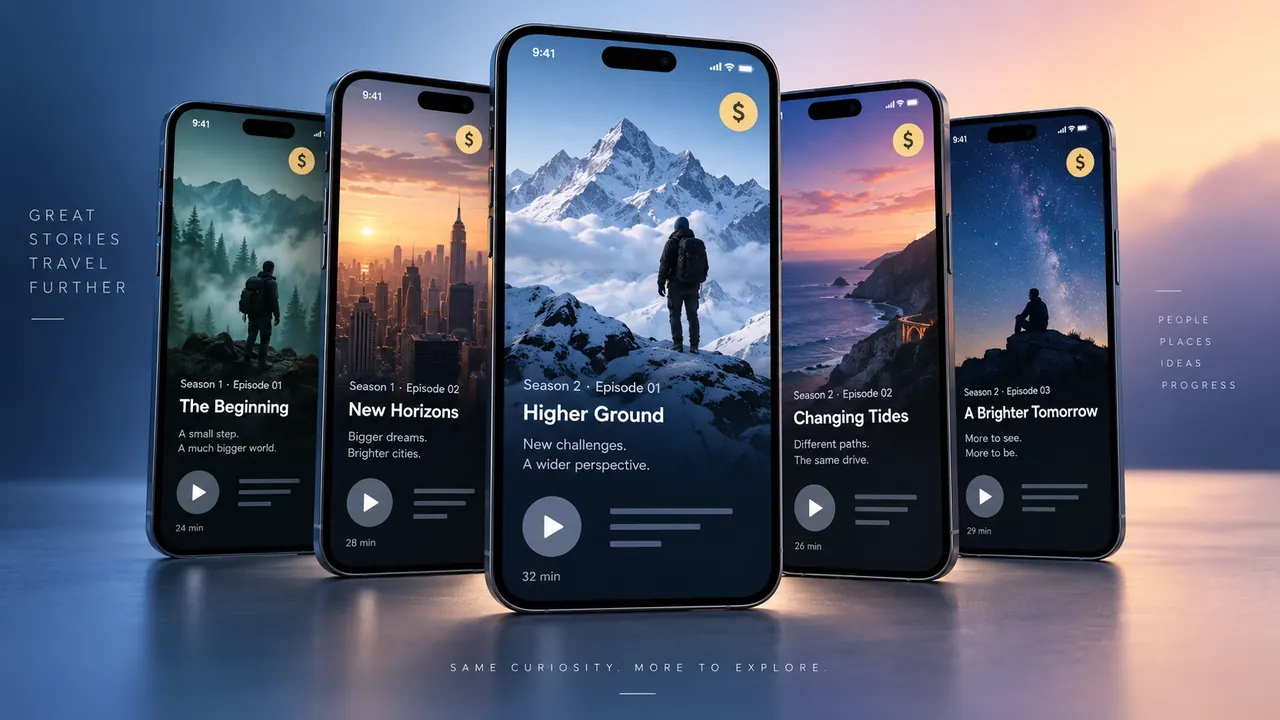
Announced September 23 at Made On YouTube, Shorts Series lets YPP creators bundle Shorts into seasons and episodes with custom thumbnails and sequential playback across web, mobile, and TV. The driver: microdrama views on YouTube cleared 6.5 billion in H1 2026, with watch time up over 50% and TV views up over 90%. For anyone running a serialized AI narrative channel, this is the first native structure that rewards multi-part storytelling instead of punishing it.
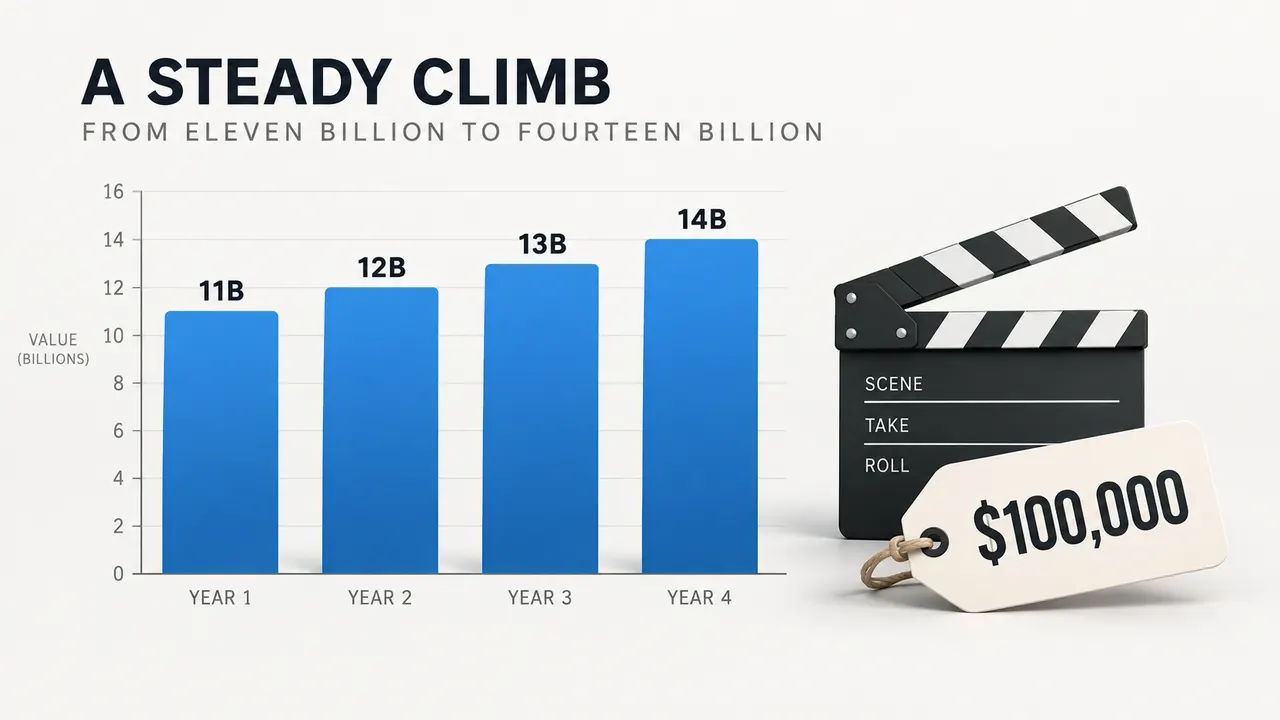
Global microdrama revenue hit $11B in 2025 and is tracking to $14B by end of 2026, with the US share around $1.5B. Live-action seasons get produced for as little as $100K using unknown actors and rented sets — which is exactly the cost floor an AI pipeline can undercut by an order of magnitude. Media Partners Asia projects ReelShort alone at $1.05B in 2026 revenue with ~29% share outside China.
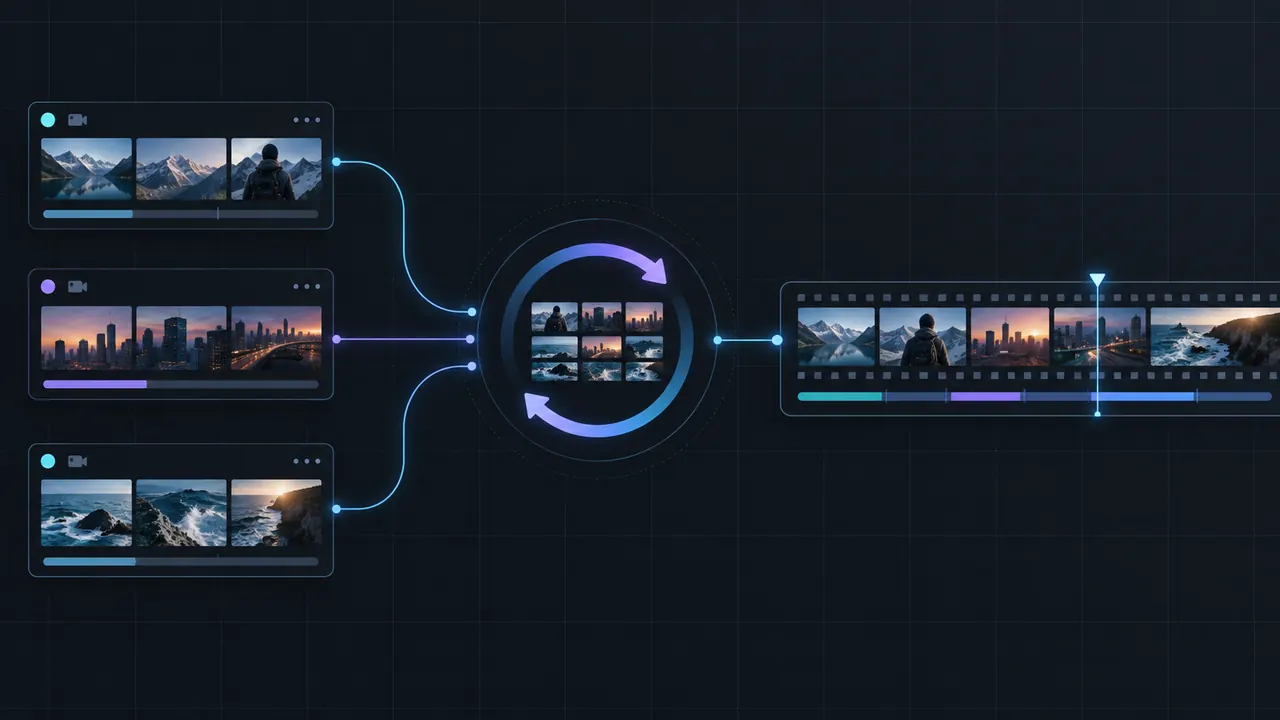
Shipped September 15, just six days after v0.35.0. The Video Concatenate node joins clips end-to-end natively, and Generic Loops finally let you iterate over heterogeneous lists inside the graph — which kills a lot of external orchestration scripting for batch shorts production. Also added: FastVideo FastH3 (8-step distilled MiniMax H3, T2V and I2V with native audio), Pruna P-Video-2, and Flux Video Edit.
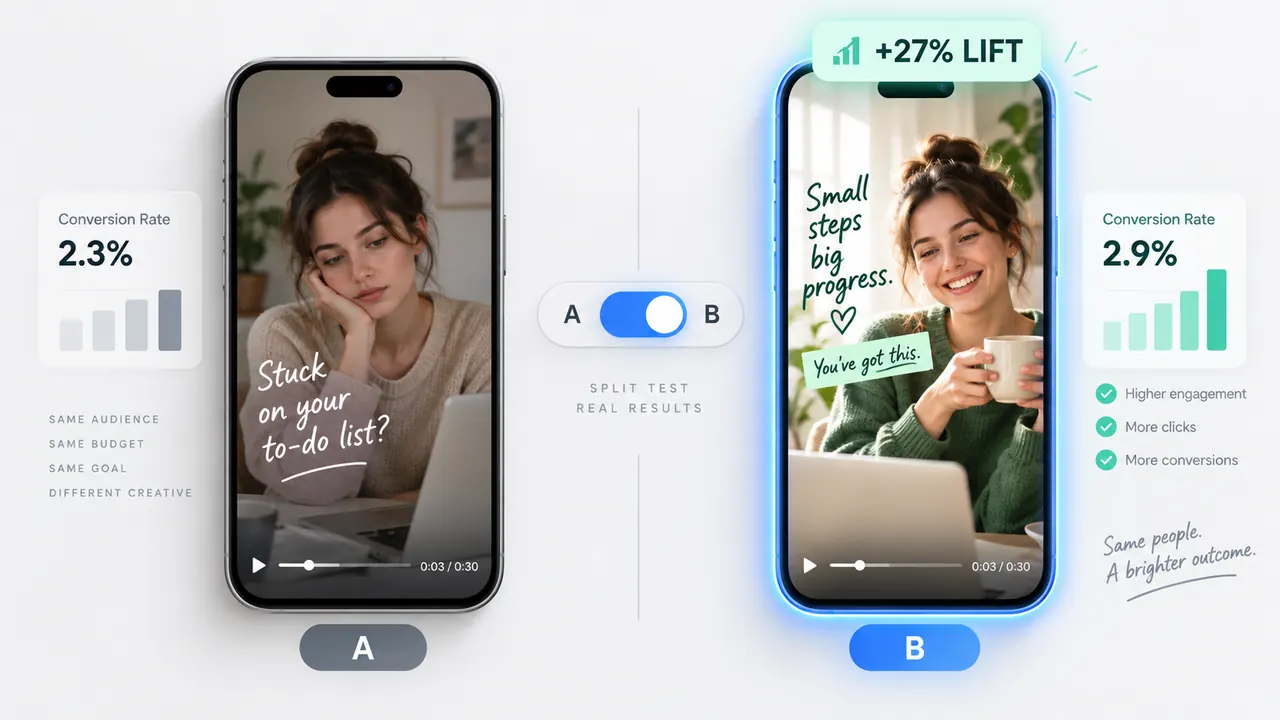
Made On YouTube expanded Studio testing from titles and thumbnails to full alternate cuts, plus dynamic thumbnails that auto-swap per audience segment. Ask Studio landed on iOS and Android with draft feedback that analyzes pacing, structure, and storytelling before you publish. YouTube's own GenAI trends report says 72% of US uploaders aged 14–44 used AI as a creative aid in the past year — the stigma math has flipped.
Alibaba hasn't published core Wan video weights since Wan 2.2 in July 2025, and Wan 3.0 shipped as a closed paid beta in August 2026 — so the "free local Wan" era is frozen at 2.2. LTX-2.3 (22B, released March 5) is now the leading Apache 2.0 option with native 4K at 50fps and synchronized stereo audio in a single diffusion pass. Community VRAM floor is 12GB on Q3_K_M GGUF with offloading; 16GB Q4_K_M is the mainstream tier.
AI content remains eligible for the Creativity Program, but only with the built-in AI-generated label applied before posting — and TikTok now reads C2PA Content Credentials to detect synthetic media even when you don't self-disclose. Non-disclosure risks video removal and program suspension. The bigger shift: the 2026 unoriginal-content policy actively suppresses templated mass-produced clips, so volume-only strategies now cut against you.
Shorts RPM sits at roughly $0.05–$0.15 per thousand views, with some entertainment channels down near $0.02–$0.10. Niche spread on long-form is brutal by comparison: finance $12–$25, tech $8–$15, horror and true crime $4–$8, motivation $3–$6. Channels using Shorts grow about 41% faster on subscribers — so treat Shorts as the acquisition funnel and put the monetization weight on long-form or commerce.
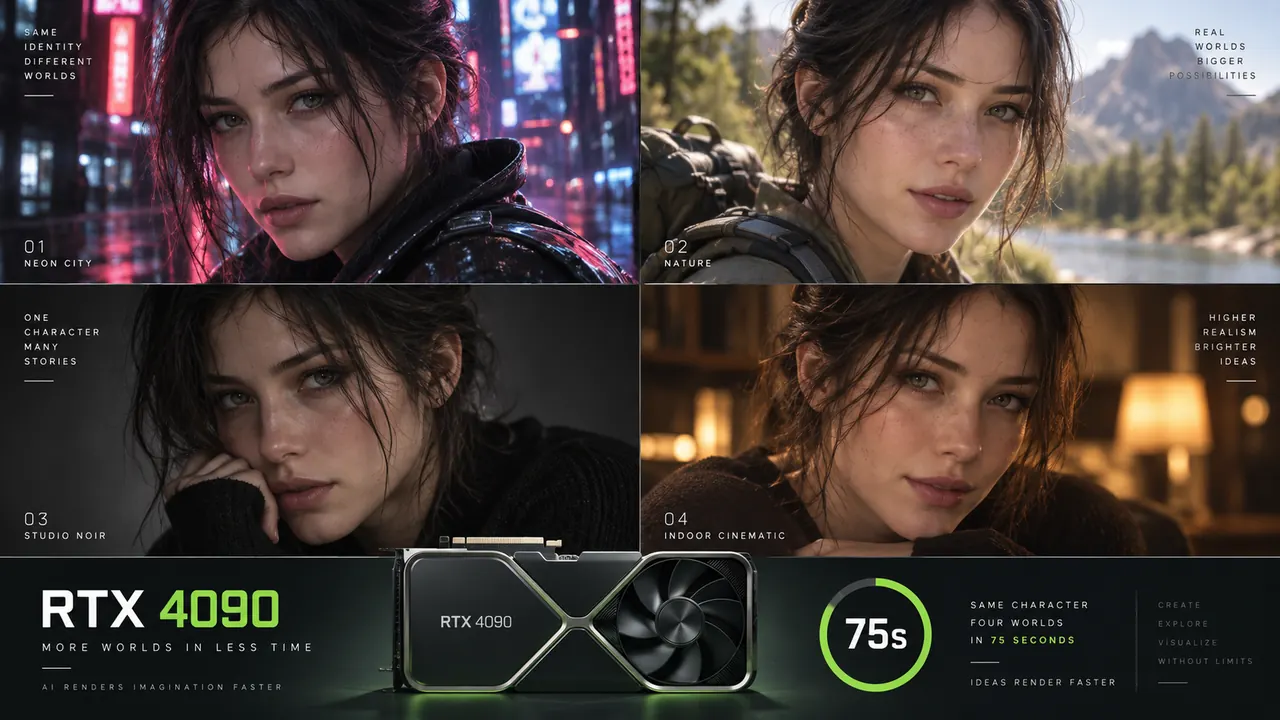
Tencent's 1.5 release cut params from 13B to 8.3B, added sparse attention for a 1.87x speedup, and brought VRAM down to 14GB with offloading — 75-second renders on a single RTX 4090. Community consensus is that it handles faces and multi-character scenes better than most cloud services, with minimal artifacting on expressions. For character-consistent serialized content, that's the differentiator that matters more than raw resolution.