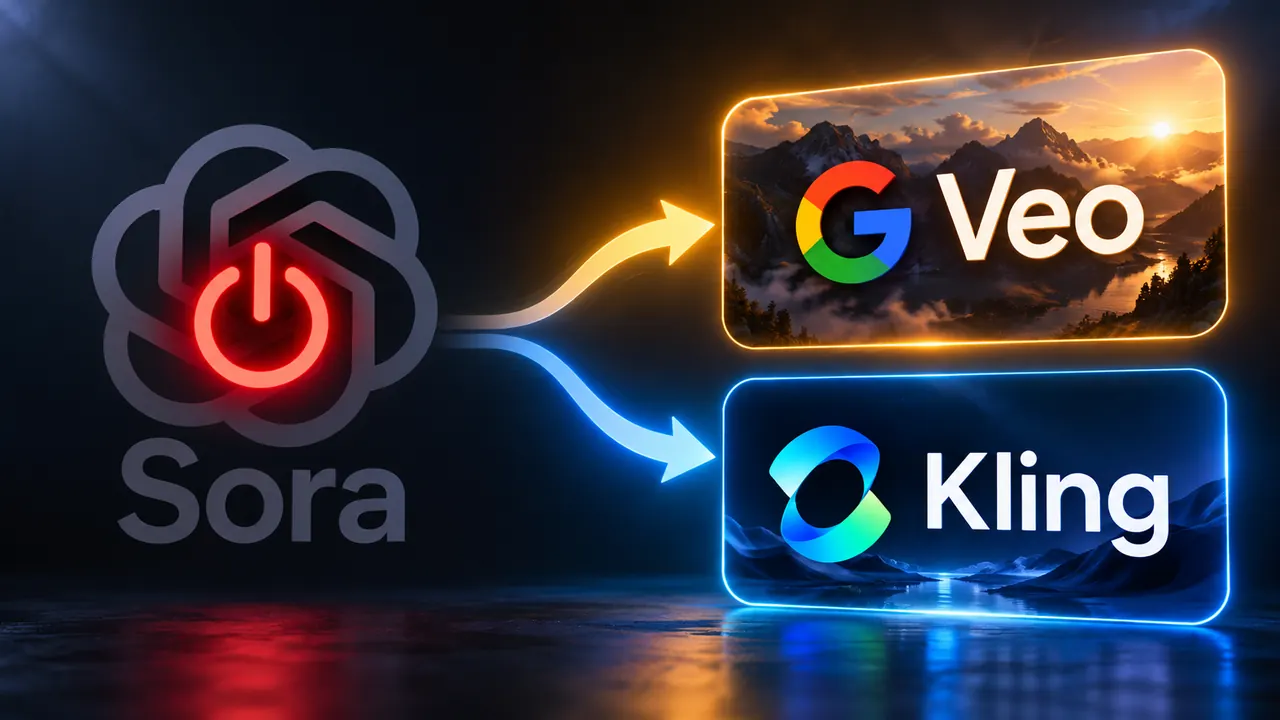
OpenAI's two-stage Sora shutdown completed September 24: the consumer app closed back on April 26, and the API sunset finished last week. Anyone with a Sora node still sitting in a production pipeline is generating errors right now, and the two live replacements are Veo 3.1 (Standard and Fast tiers got a fresh push through the Gemini API in mid-September) and Kling 3.0. Veo 3.1 is the only one of the two shipping native audio in-output, which matters if your edit stack was leaning on Sora for synced dialogue.
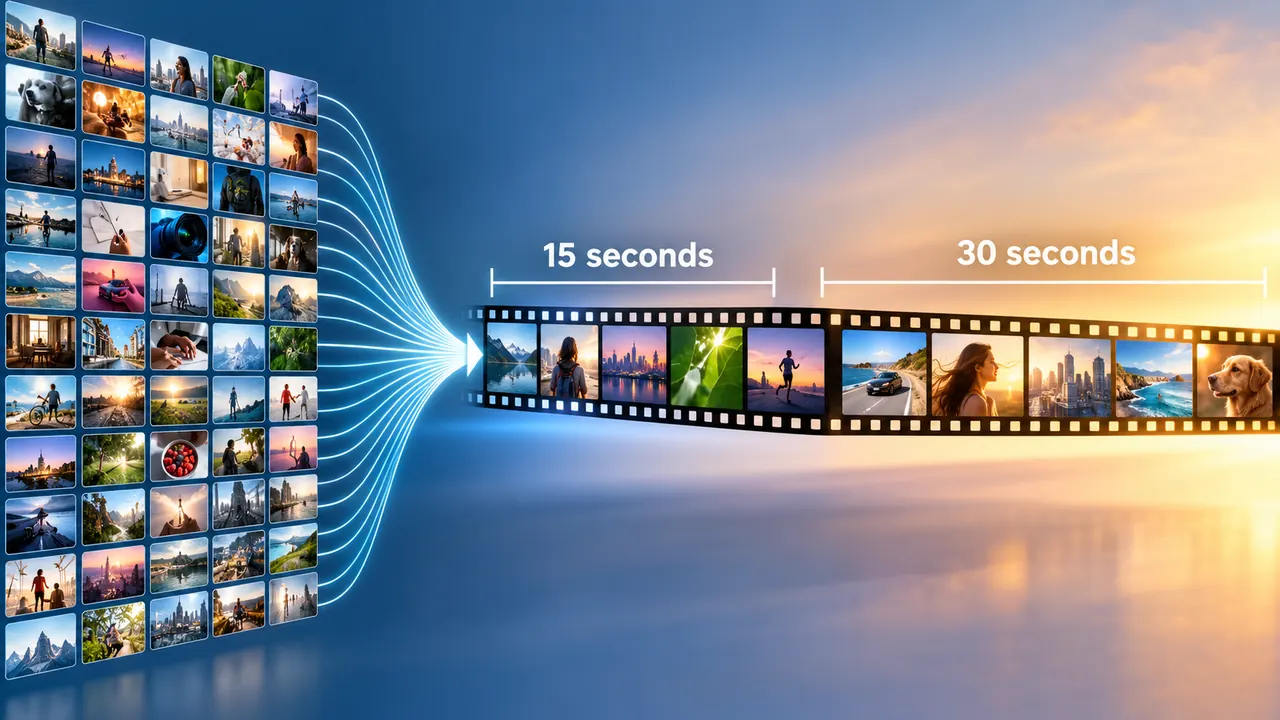
ByteDance shipped Seedance 2.5 as the follow-up to the February 2.0 release, and the headline numbers are a jump from 15-second synchronized audio-video to 30-second native output, accepting up to 50 multimodal references in a single pass. Seedance 2.0 already sat at number one for image-to-video-with-audio on Artificial Analysis. Thirty seconds native kills a huge amount of stitching work for anyone building narrative Shorts.
Current faceless-channel CPM data has finance at $15 to $40 for US audiences, tech at $8 to $20, and entertainment at $2 to $8. The math that should reorganize your content calendar: a finance channel at $17 RPM pulls roughly $1,700 from 100,000 views, while a $3 RPM entertainment channel needs 560,000 to 850,000 views to match it. Legal and true crime sit at $8 to $12 RPM; real estate investing at $10 to $16.
The policy renamed from "repetitious content" on July 15, 2025 now runs channel-level detection, meaning a batch of templated uploads can poison an entire channel rather than getting individual videos demonetized. YouTube has restated that AI-content labels do not affect recommendations, reach, or monetization eligibility — the trigger is mass-produced templated sameness, not the tool. A full Partner Program rewrite was announced August 10, 2026, effective February 1, 2027.
Data pulled across 274 channels puts Shorts RPM in the $0.01 to $0.12 per thousand range depending on niche and geography, with many channels clustered at $0.01 to $0.05. The same analysis finds sponsorship revenue paying about 144 times what ad revenue does per view, which is why mid-size AI channels consistently out-earn their view counts. Treating Shorts ad revenue as anything other than a floor is a planning error.
Lightricks released full open-source LTX-2 weights in January 2026, followed by 2.3 in March with a desktop editor that runs the whole model on consumer hardware, then 2.5 in August. Native 4K at up to 50fps with synchronized audio, integrated directly in ComfyUI core. For anyone watching per-generation API costs climb post-Sora, this is the zero-marginal-cost hedge.
Current September 2026 guidance on the Wan 2.2 ComfyUI stack confirms the 5B model is viable on 6 to 8GB of VRAM while the 14B needs 24GB or more for clean 480p and 720p. ComfyUI ships native Wan 2.2 templates for text-to-video, image-to-video, and first-frame-to-last-frame. If you're rebuilding a pipeline this week, the first-frame-to-last-frame template is the underused one — it's the cheapest route to controlled continuity across a multi-shot Short.
Creative Center trending-formats data for 2026 shows ads and content designed around audio outperform content where audio is layered in post, and top performers increasingly use original audio over borrowed trending sounds. That flips the old playbook, and it lines up neatly with the native-audio generation models — Veo 3.1, Seedance, LTX-2 — which produce audio in the same pass as picture.
The Reels Play Bonus ended August 31, 2025 and was replaced by seasonal invite-only cycles you cannot apply to. Invited creators run $100 to $35,000 monthly with the bulk landing in the $500 to $3,000 range per period, and most invitees have 10,000-plus followers posting three to five Reels a week. Watermarked or recycled clips get suppressed, so platform-native renders with fresh voiceover per clip are the eligibility gate.
The community's breakout reference points remain Seedance comedy shorts — "We need more data centers" cleared 12.3K upvotes, and "History of Spain as a AAA Strategy Game" hit similar traction. The pattern across both: absurdist premise, historical or infrastructure subject matter, no attempt at photoreal human faces. AI-generated content now accounts for over 35% of viral video across major platforms, and the winners are the ones leaning into what the models are good at rather than hiding what they are.