The Sora developer API is decommissioned September 24, 2026, closing the loop OpenAI started when the consumer apps went offline April 26. There is no successor API and no Sora 3 timeline announced — anything wrapping Sora through the OpenAI endpoint silently fails on the 24th. Migration targets creators are landing on: Veo 3.1, Kling 3.0, and Seedance 2.5.
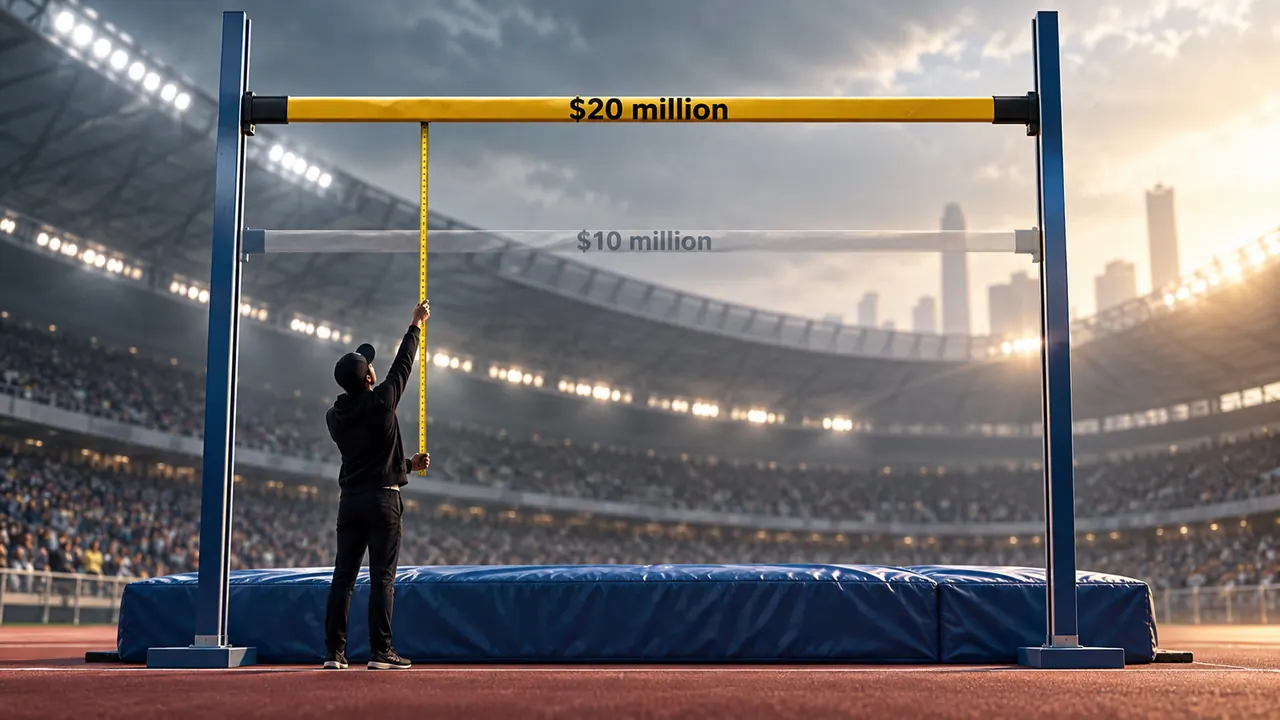
Announced August 10, the first Partner Program rewrite since 2018 raises new-applicant thresholds from 10M to 20M qualified Shorts views per 90 days, or 4,000 to 8,000 annual watch hours. Existing partners are grandfathered on entry, but a new activity floor kicks in: 1M Shorts views per 90 days, or 1,000 watch hours a year, or 2 long videos plus 5 Shorts — miss all three and you get a 90-day grace period before YPP removal.
Wan 3.0 dropped August 25 and landed in ComfyUI's native API node system in early September: native 30-second single-pass generation, 20,000-character prompts, and up to 20 reference assets (10 images, 5 videos, 5 audio clips) addressed via @ syntax. The catch for local operators — no Hugging Face checkpoint, no GitHub repo, no published license. A new 480p tier exists specifically for cheap iteration before you commit to 1080p.
A 274-channel study across 13 niches and 3,044 channel-month observations — refreshed today — puts Shorts RPM at $0.07 to $0.20 for most niches, or 3 to 14% of long-form RPM. US-heavy audiences hit about $0.328; mixed global lands $0.15 to $0.25. Music is the lone outlier at 41 to 60% of long-form thanks to Content ID, needing only ~1,100 Shorts views to match 1,000 long-form views versus 11,000 to 34,000 everywhere else.
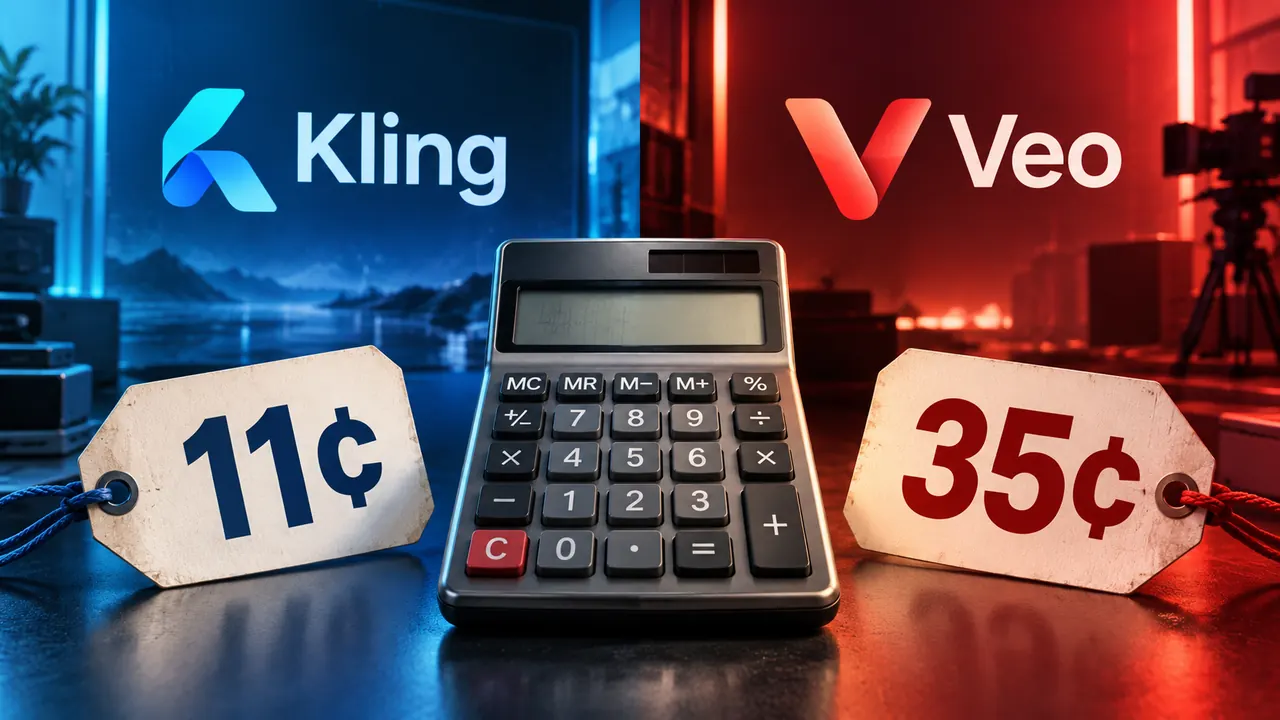
Kling 3.0 Turbo runs about $0.11/second at 720p and $0.14/second at 1080p with audio included. Veo 3.1 via Vertex sits near $0.35/second at 720p and $0.50/second at 1080p, with the Fast tier at $0.10/second. At volume that spread is the whole margin — Veo's premium buys the 4K ceiling and audio polish, which most vertical short-form never surfaces.
A 30-second native 4K Cinematic clip runs 2,100-plus credits, roughly 70 credits per second, landing near $15 per generation. The same 30 seconds at lower settings is $0.66 to $1.80. Unlimited-window resellers are arbitraging this at $199 for 7 days, $299 for 15, and $499 for a full 30-day month — worth modeling if your output rate clears the breakeven.
YouTube's inauthentic content enforcement wave stripped roughly 35 million combined subscribers from the Partner Program, and detection moved from per-video review to channel-level scoring. The policy targets mass-produced, templated, repetitive uploads — not AI tools. Three-strike ladder: warning, 90-day suspension, permanent YPP removal. Realistic synthetic media still needs the Studio disclosure toggle or YouTube applies the label for you.
With Wan 3.0 locked behind API nodes, Wan 2.2 remains the open-weight workhorse. The current community meta: Stable Video Infinity LoRAs daisy-chained with LightX2V lightning models for long-form segments holding character identity and lighting, 480p to 720p base with upscale to 1440p at 32fps. Critical tuning note — LoRA strength sweet spot is 0.5 to 0.7; past 0.8 temporal consistency collapses and faces drift between frames. Training is viable on 12GB VRAM.
Thirty-eight percent of new creator monetization ventures are faceless channels, the format AI production suits best. Narrative revenge and betrayal niches are clearing $12.82 RPM on long-form by pairing high watch time with advertiser-safe content, while YouTube CPMs span $1.50 for music to $65-plus for finance — a 40x spread. One documented case study showed affiliate revenue returning 120 times ad revenue on identical content.