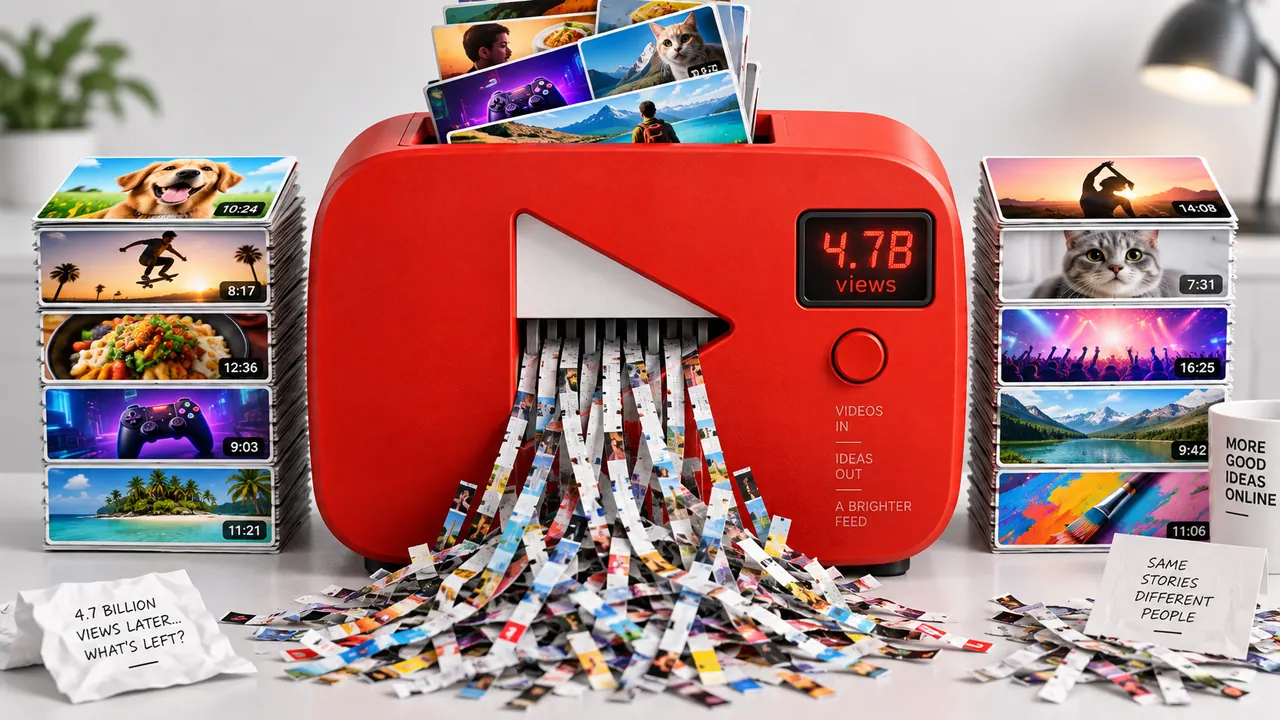
The January 2026 enforcement wave wiped 16 channels with a combined 4.7 billion lifetime views and roughly $10 million in annual ad revenue. The policy doesn't ban AI tools — it bans templated, mass-produced uploads, and the explicit high-risk profile is "faceless Shorts farms pushing 10+ videos a day on the same template." If your upload cadence looks like a factory, restructure the template variance before you scale volume.
TikTok now auto-detects synthetic media via C2PA Content Credentials even when creators don't self-disclose, and unlabeled AI content takes an estimated 73% reach hit within 48 hours. Labeled AI content stays eligible for Creator Rewards at roughly $0.40–$1.00 per 1,000 views where there's demonstrable human creative input. Script writing and hashtag generation remain exempt — the label is about realistic visuals and audio.
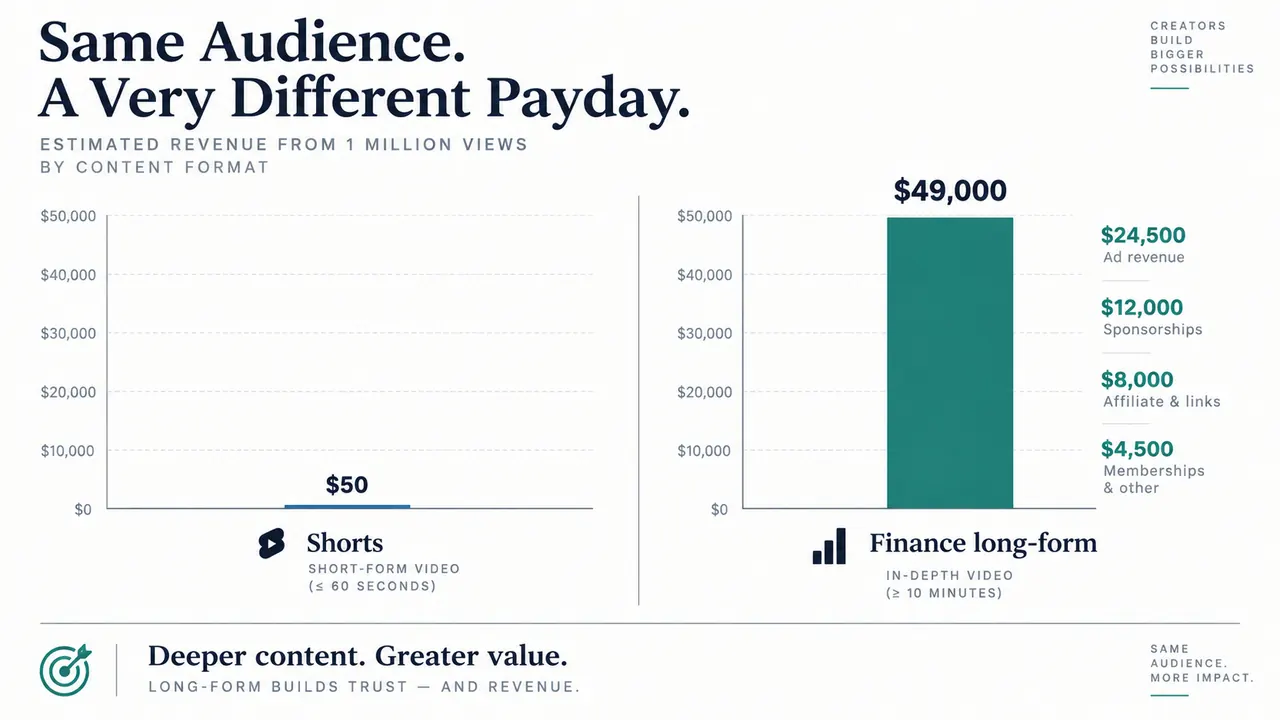
Shorts RPM is running $0.03–$0.10 per 1,000 views, so a million Shorts views nets $50–$100. A million long-form views in finance pulls $9,000–$21,000, with the finance category averaging $9–$15 RPM and creator Joshua Mayo reporting $21. Specialized 3D animation hits $20–$40 RPM; entertainment sits at $2–$7. Shorts are the top of the funnel, not the funnel.
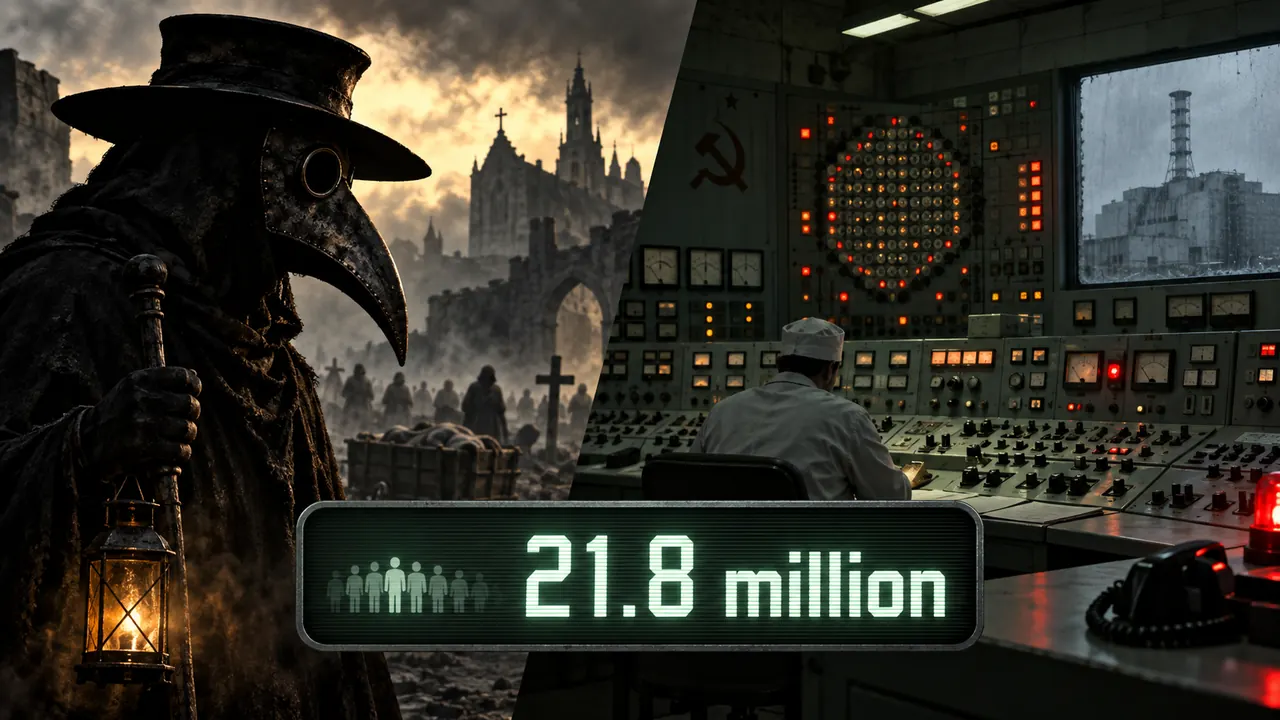
Creator @timetravellerpov logged 18 million views on a Black Plague POV and 21.8 million on a Chernobyl worker POV. A historical POV channel in the same lane has crossed 600,000 Instagram followers and tens of millions of YouTube views. The "POV: you wake up as…" scaffold is now eighteen months old and still compounding — that's rare durability in this space.
2026 creator surveys are still calling AI ASMR a low-competition faceless niche despite exploding in late 2025 — kinetic sand cuts, glass marbles, wax drips, keyboard triggers. It's now among the highest-growth short-form categories across TikTok, Reels and Shorts simultaneously, which is unusual; most formats index hard to one platform. Downside: it's an entertainment-tier RPM play, so treat it as audience build, not income.
Wan 2.6 shipped multi-shot storytelling, reference-to-video and native synced audio, but it has no downloadable weights — the ComfyUI "Wan 2.6" nodes are API calls running on someone else's GPUs. Wan 2.1 and 2.2 remain the Apache 2.0 open-weights releases you actually own: 5B runs on 6–8GB VRAM, 14B wants 24GB+ for clean 480p/720p. Wan 2.2 Fun Control adds Canny, depth, OpenPose and MLSD motion driving for repeatable shot framing.
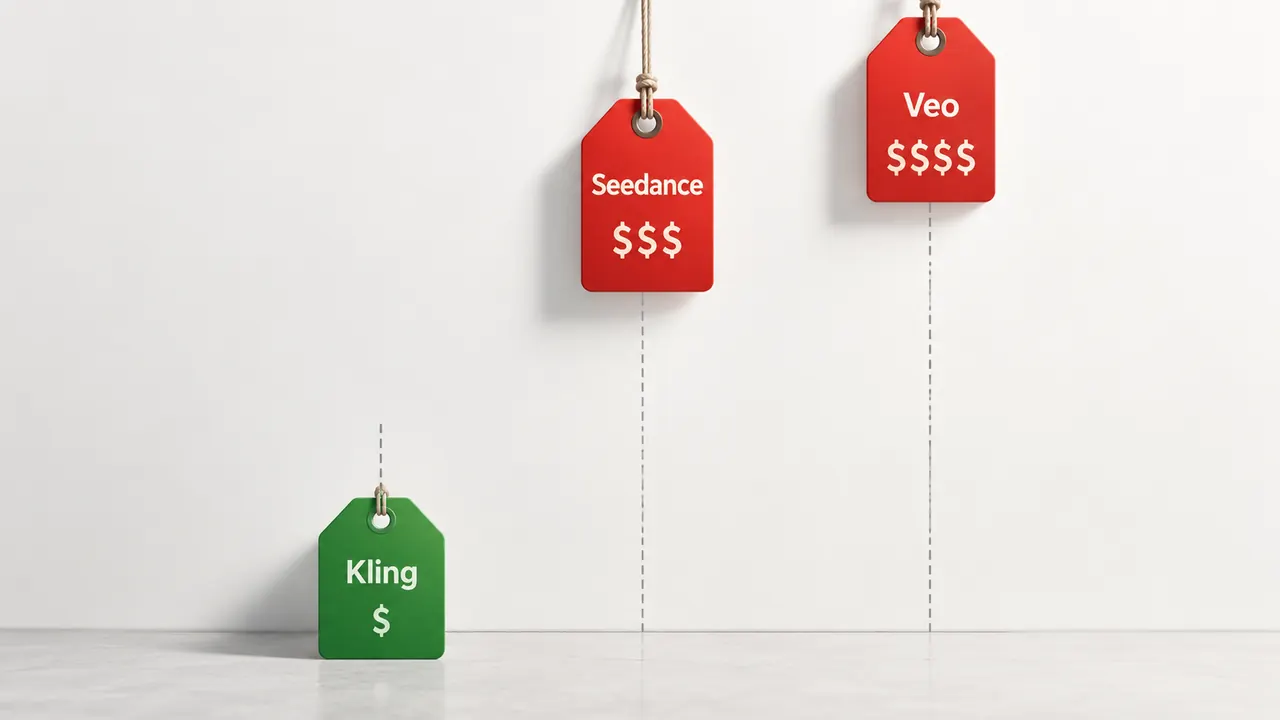
Pricing captured September 6: Kling 3.0 runs about $1.00 per generation on Higgsfield versus $1.30 on Runway, and a 5-second 1080p clip with audio is $0.37 on Kling's own Ultra plan. Against that, Veo 3.1 burns 40–70 credits and a 15-second Seedance 2.0 clip costs around 90. Runway Pro at $35/month for 2,250 credits buys roughly nine Gen-4.5 clips — call it twice-weekly posting with iteration room.
Meta rolled out Meta One on September 15, a subscription across Facebook, Instagram and WhatsApp bundling higher image and video generation limits plus Restyle and voice effects. Meanwhile the Reels Play Bonus has quietly gone invite-only — the practical Instagram money in 2026 is affiliate, direct brand deals, or off-platform traffic. Meta is monetizing the tools, not the creators.
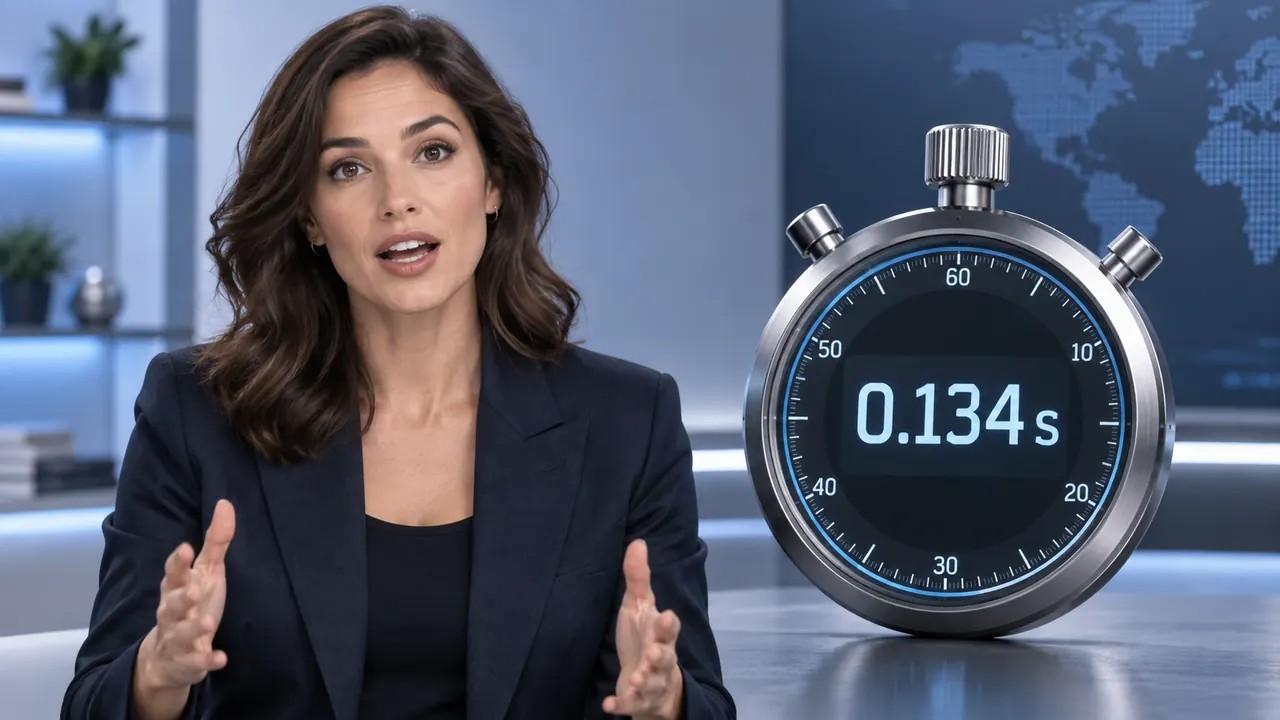
Phoenix-4.5 landed this week with 134 millisecond audio-to-video latency, roughly 25% faster than anything else on the market, running 35–40 frames per second end-to-end on slower hardware. Lip sync is 16% better than Phoenix-4 and motion vividness is up 1.3x, with every stock Face upgraded and 50 new ones added. This is the tier where interactive talking-head content stops feeling laggy.
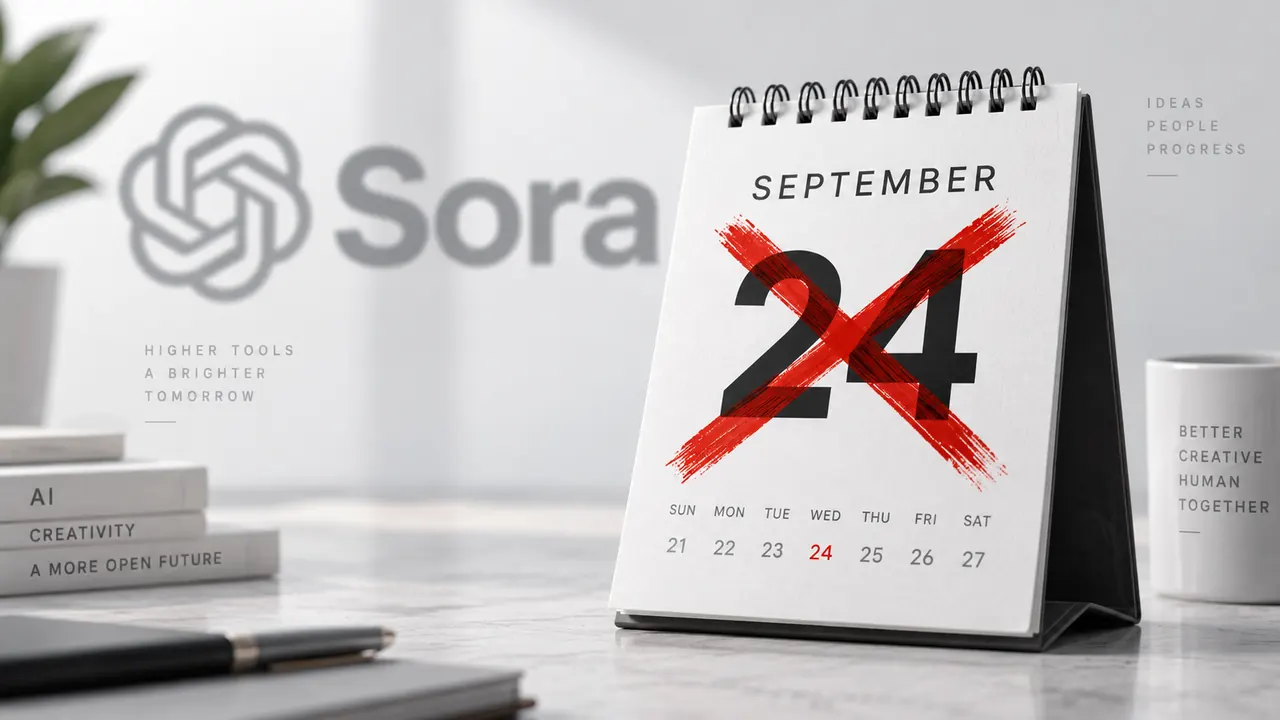
The Sora consumer app went dark April 26, and the Sora 2 / Sora 2 Pro API is scheduled to shut down September 24, 2026. OpenAI never shipped a creator payout program — no rev-share percentage, no eligibility tiers — the only revenue sharing ever announced was aimed at rights holders licensing characters. If anything in your stack still calls that endpoint, you have a week.