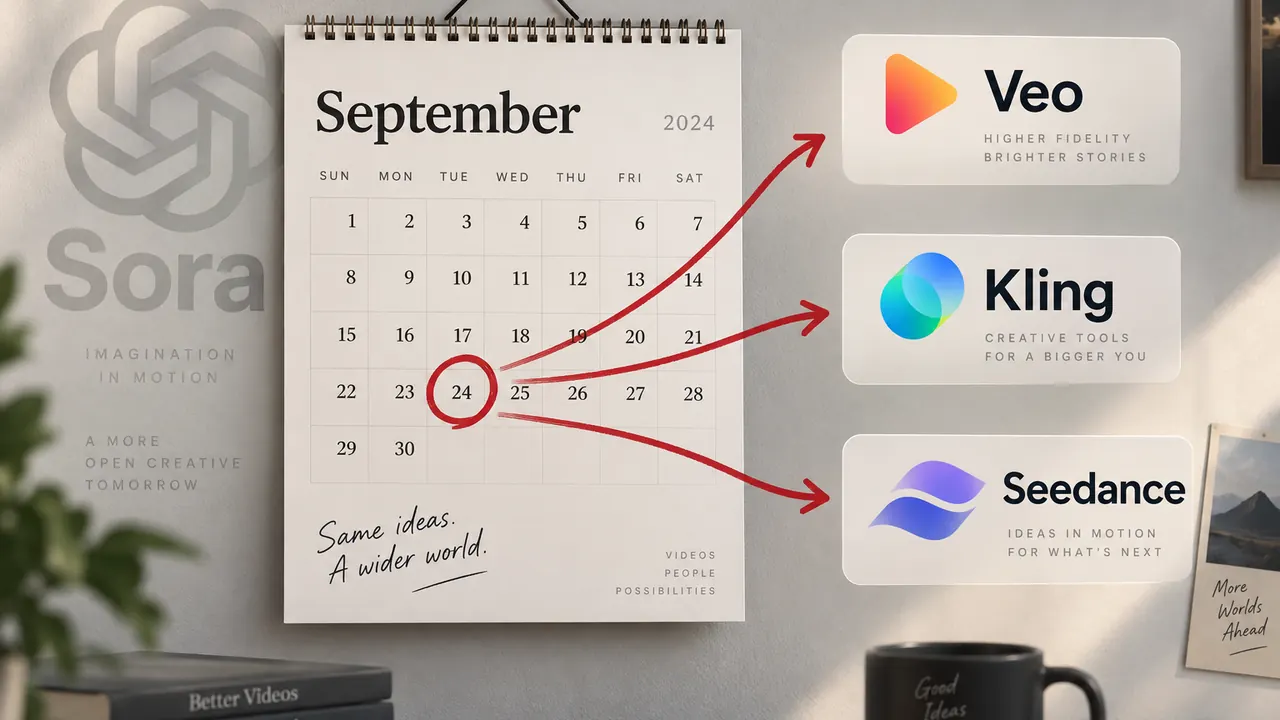
OpenAI killed the Sora consumer app back on April 26, and the API is the last domino: it shuts down September 24, 2026. That's fourteen days from today for anyone still hitting Sora endpoints in an automated shorts pipeline. Veo 3.1, Kling 3.0, and Seedance 2.0 are the drop-in replacements depending on whether you're optimizing for audio sync, motion, or style transfer.
The July 2026 rename of "Repetitious Content" to "Inauthentic Content" came with thresholds that are now public: under 30% original commentary by runtime triggers review, and five or more videos sharing a visual template with under 20% script variation can get bulk-demonetized. January's sweep terminated 16 channels holding 4.7 billion lifetime views and 35 million subs. Disclosure alone doesn't hurt you — template sameness does.
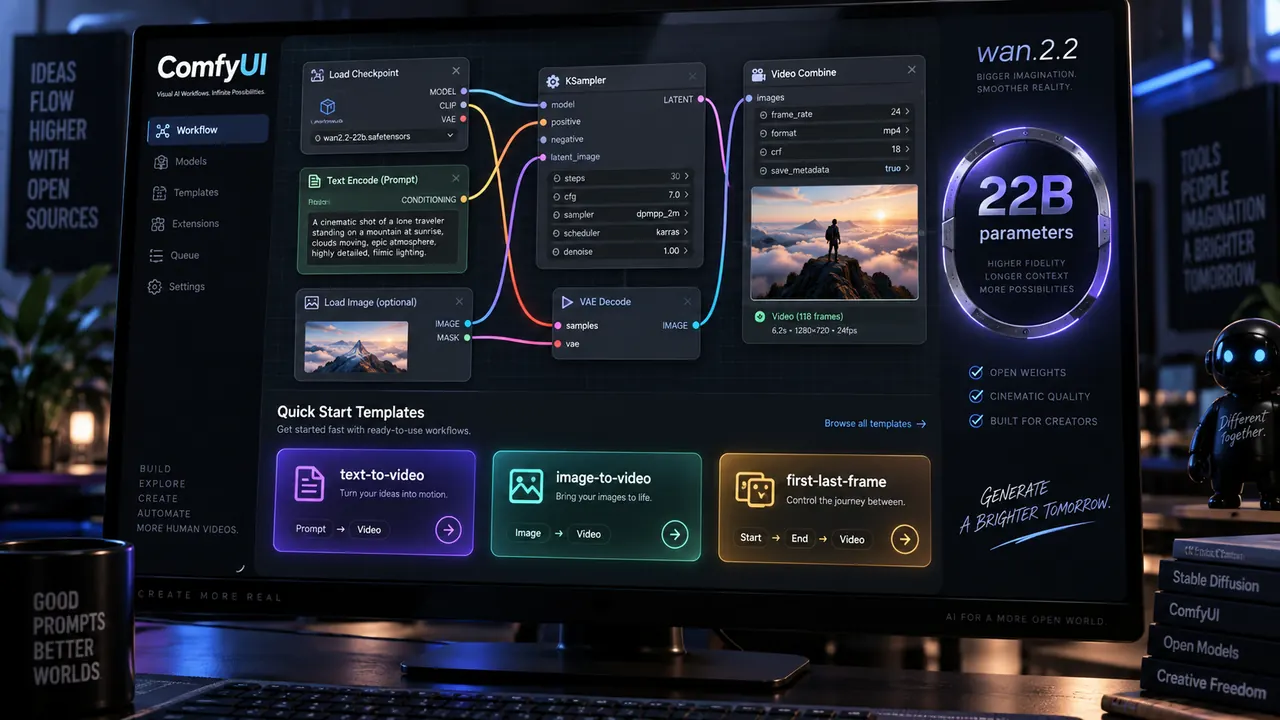
Lightricks shipped a 22B open-weights "world model" that generates synchronized audio and video in a single diffusion pass — native 4K, up to 50 FPS. ComfyUI shipped three built-in templates on launch day: text-to-video, image-to-video, and first/last-frame-to-video. Entry point is 16GB VRAM depending on checkpoint and quantization, and there's a distilled variant for throughput.
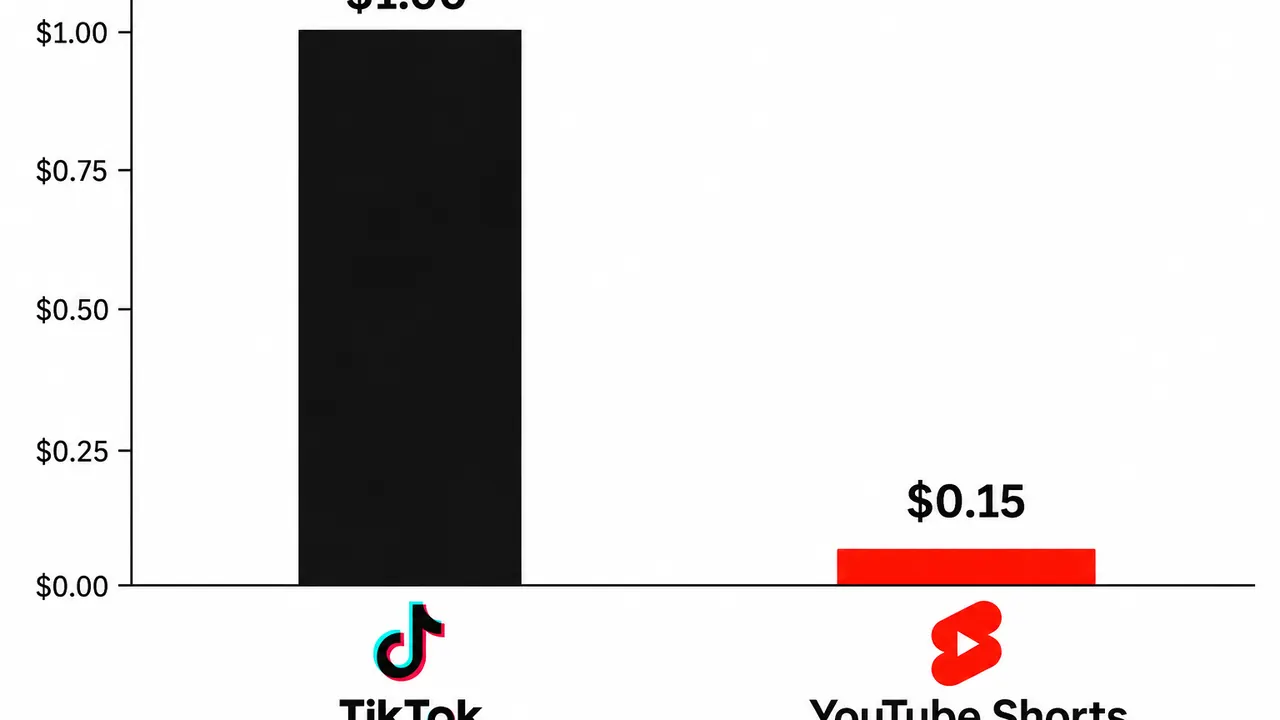
TikTok's Creativity Program is running $0.30 to $1.00 per 1,000 qualified views, with US and UK premium audiences hitting $1.50 to $3.00. YouTube Shorts, meanwhile, sits at $0.01 to $0.15 RPM. Same clip, same effort — the qualified-view requirement means videos over one minute, which is a real format constraint on a brainrot-length pipeline.
TikTok now reads C2PA Content Credentials, invisible watermarks, and runs computer-vision classifiers — it flags synthetic media whether or not you toggle the label. Labeled AI content remains fully eligible for the Creativity Program; the label is a transparency rule, not a monetization penalty. Failing to disclose is what gets videos pulled and accounts scored down.
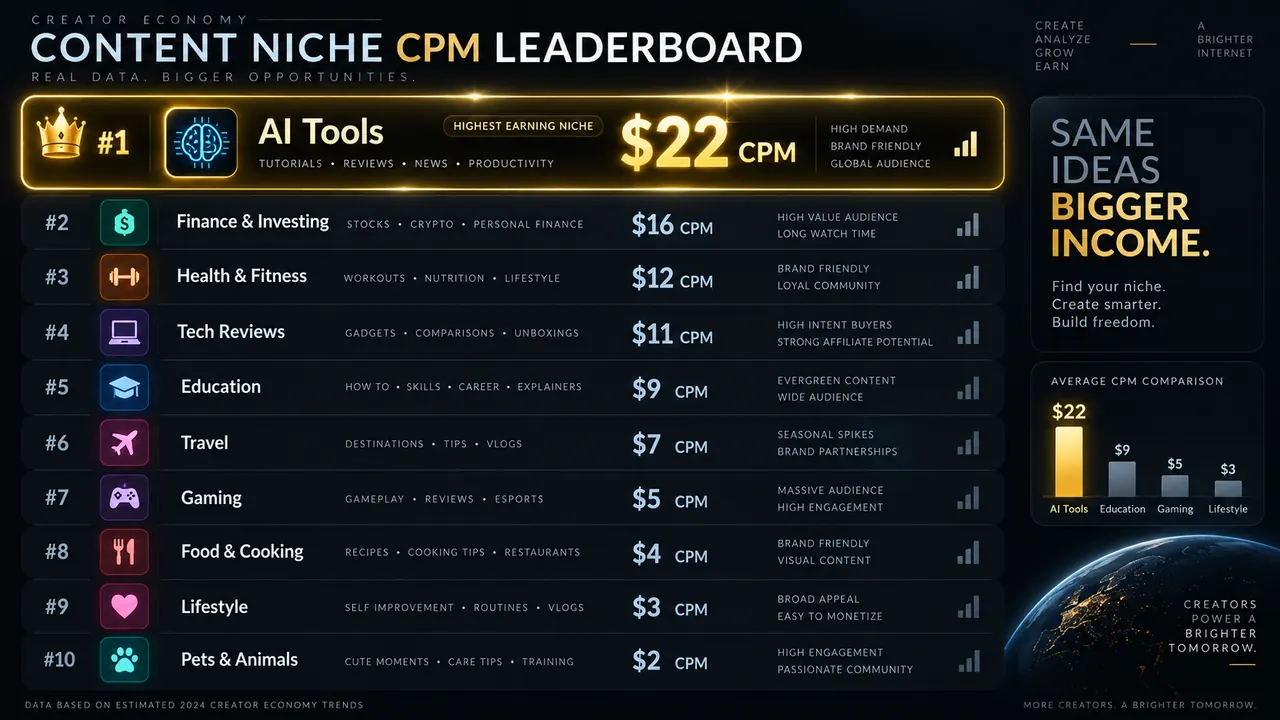
Faceless AI-tools and tech accounts are pulling $15 to $22 CPM per 1,000 — the top of the board — and $200 to $1,000 per sponsored video even at modest follower counts. Stack it: Creator Rewards, affiliate at $5 to $50 per AI-tool conversion, brand deals, and digital products at 70 to 95% margin. Top faceless accounts are landing $5,000 to $15,000 a month with no camera.
Kling 3.0 launched February 5, three days ahead of Seedance 2.0, and it's carrying the most generous free tier in the category at 66 daily credits, plus 15-second segments with burst mode for coherence and native lip-synced audio from text. Pro pricing runs $0.168 per second at 1080p with audio. Note the Ultra tier already jumped from $128 to $180 in January — this pricing isn't stable.
Kinetic sand cutting, glass breaking, soap cutting, mechanical keyboard typing, candle wax pouring, ice crushing — these are the formats printing millions of views with no mic and no camera. The operators winning aren't making better clips, they're shipping 4 to 7 daily, with the heaviest pipelines pushing 5 to 20. Volume plus template variation is the whole game right now.
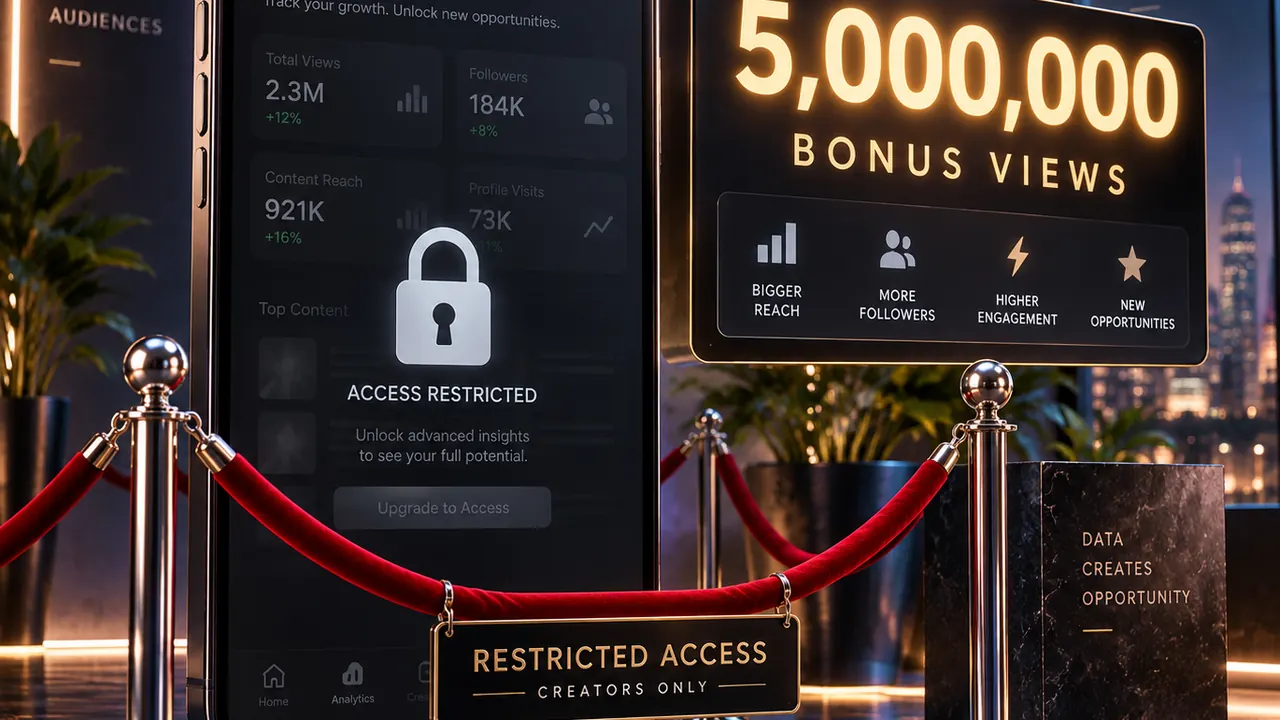
Meta's seasonal Reels bonus is invite-only, US and South Korea only, and requires 5 million bonus Reel views monthly for the prior three months. Invited creators land $100 to $35,000 a month, with most in the $500 to $3,000 band. For a distribution strategy, treat IG as reach and funnel, not as a revenue line.
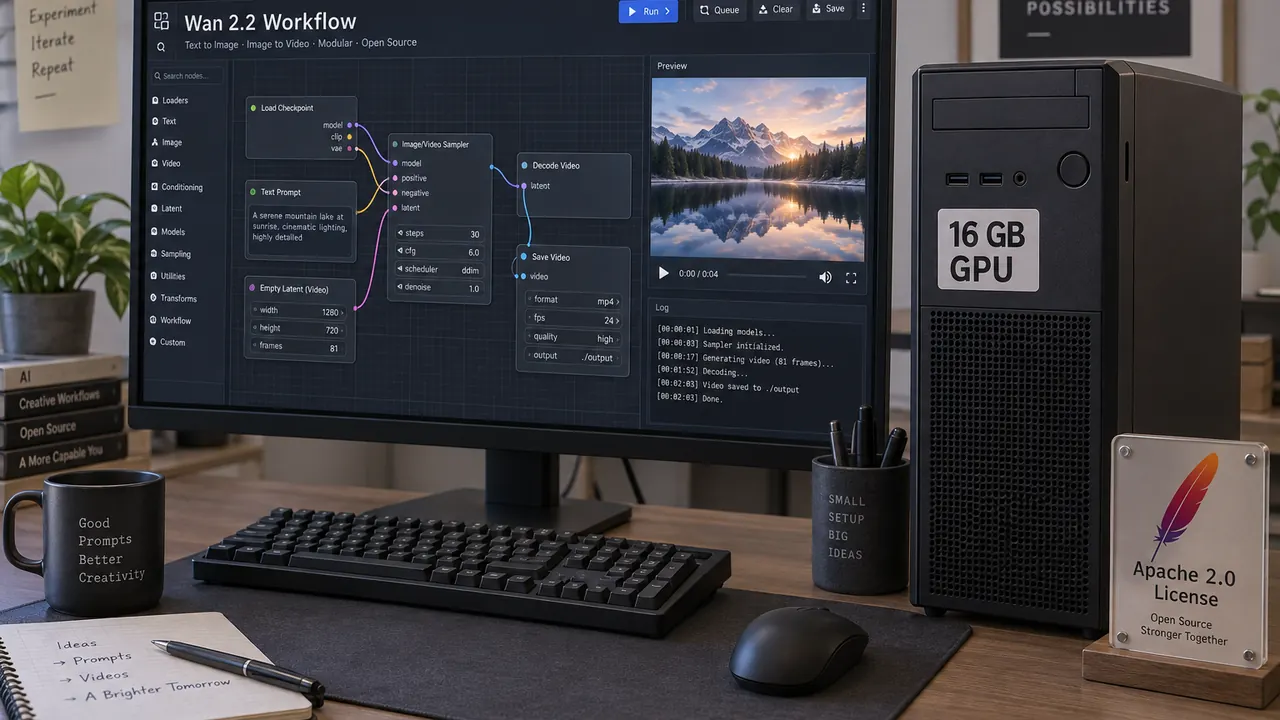
While LTX-2.5 grabs the headlines, Wan 2.2 is still the pragmatic base layer — Apache 2.0 licensed, runs from 8GB VRAM on the 5B GGUF with memory offloading, and the Q8 quantized build does roughly 22-second step iterations on a 16GB card. It's also quietly become a text-to-image workhorse by setting frame count to one. Cloud fallback runs about $0.35 an hour on an A6000 48GB.