OpenAI's Sora API shuts off September 24, 2026, closing out a wind-down that started with the consumer app's death on April 26. There is no named replacement — the deprecation page points image users to gpt-image-1 and leaves video devs with nothing. If you have a pipeline calling Sora, migrate now: Veo 3.1 for closest feature parity, Kling 3.0 for cheapest per-clip, Runway Gen-4.5 for editing-led workflows. All account data gets deleted after the cutoff, so export first.
Instagram renamed its "AI creator" tag to "AI-generated profile" and, as of the late-August/early-September rollout, accounts running an AI persona without the label get flagged non-recommendable — meaning no Reels, no Explore, no suggested-account reach, and monetization exposure. Labeled AI personas keep full reach, so the penalty is for hiding it, not for the AI itself. Critically, creators who merely use AI tools to edit or polish content featuring themselves do not need the profile-level label.
The first full YPP rewrite since 2018, announced August 10, sets new-applicant thresholds at 8,000 watch hours or 20 million Shorts views, up from 4,000 hours. The inauthentic-content policy kills monetization for mass-produced, templated uploads, but AI-as-a-tool — script drafts, editing, translation, disclosed voiceover — stays fully eligible. Disclosure runs through the "AI use" toggle in Studio at upload for photorealistic content.
The 33B Hailuo 3.0 model generates up to 15 seconds at native 2K with synchronized stereo audio in a single forward pass — voice, SFX and music modeled jointly, not layered after. ComfyUI's optimized stack runs about 40GB with dynamic RAM/SSD offloading; early RTX 5090 tests hit five seconds of 768p-class output in roughly 5.5 minutes, and the community has it running down to 6GB cards with quantization. A W4A8 plus Turbo config is reporting roughly 3x speedup.
Wan 2.7 exposes five task types through the node graph: image-to-video with first-frame, first-plus-last-frame and audio-driven modes, text-to-video with optional audio and multi-shot narration, video continuation, reference-to-video supporting up to five real-person inputs plus a vocal timbre reference, and video edit. Requires ComfyUI 0.18.5+ and the template library. Heads up on the confusion in the wild: official Wan open weights still stop at 2.2 — 2.7 runs through partner API nodes, so budget accordingly.
The old creator compensation and tips system retired at 11:59 PM on August 31, and every generation now charges whatever per-generation licensing fee the model creator set. Base compensation survived after community pushback and stays for every creator, member or not. Creator Shops opened July 31 for selling models, cosmetics and indefinite model access; Buzz converts to USD monthly via Tipalti at a $50 minimum.
OpenAI shipped ChatGPT Images 2.5 on September 8 with two API variants. Flare is the fast default — up to 50% lower generation latency versus Images 2.0 — with quality tiers from low through max and auto. Sunburst trades speed for tighter control on detailed editing. For anyone batching hundreds of keyframes or reference plates before a video pass, Flare is the one that changes your throughput math.
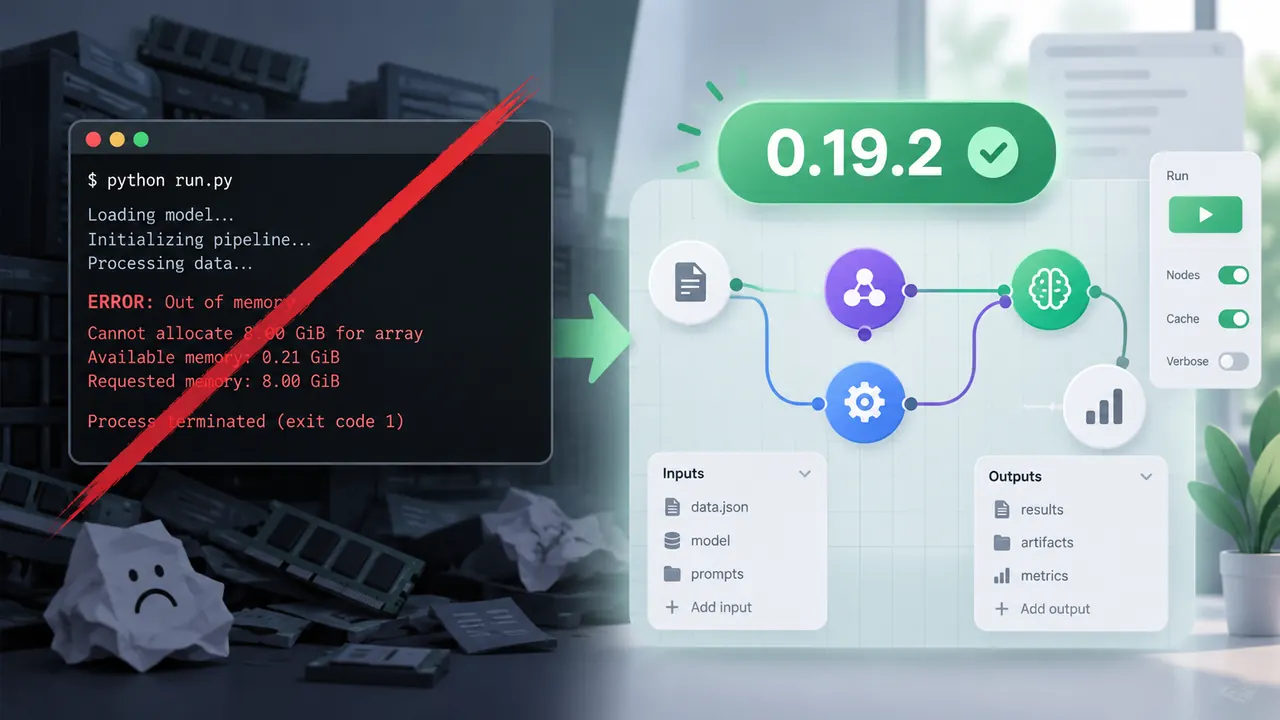
The 0.19 line added LTX-2 reference audio via ID-LoRA and better Color Adjustment defaults in 0.19.0, Sonilo audio partner nodes in 0.19.1, then 0.19.2 patched an out-of-memory regression hitting quantized models during inference and added a JsonExtractString node. 0.19.3 wired up use_default_template for LTX and corrected StabilityAI price badges on API nodes. If you pinned an older build because quantized inference was crashing, that's your fix.
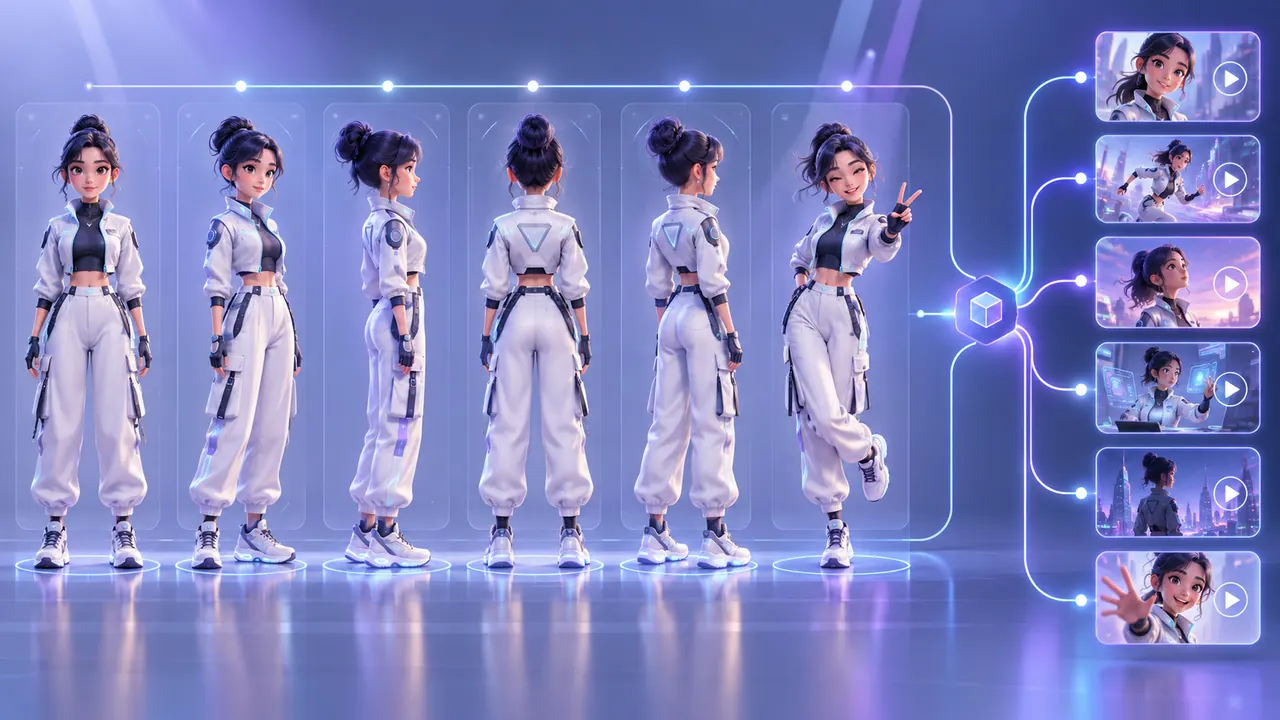
The technique converging across creator writeups: stop asking one model to invent and animate a character simultaneously. Lock a canonical face reference with Flux Kontext, generate a character sheet, then wire that single reference into every downstream image and video node — first-frame and end-frame anchoring so the model has fewer chances to drift wardrobe or face mid-clip. Creators shipping 15-to-20-minute AI long-form and reporting $5,000 to $30,000 monthly are all running variants of character-lock, shot-batch, assemble.
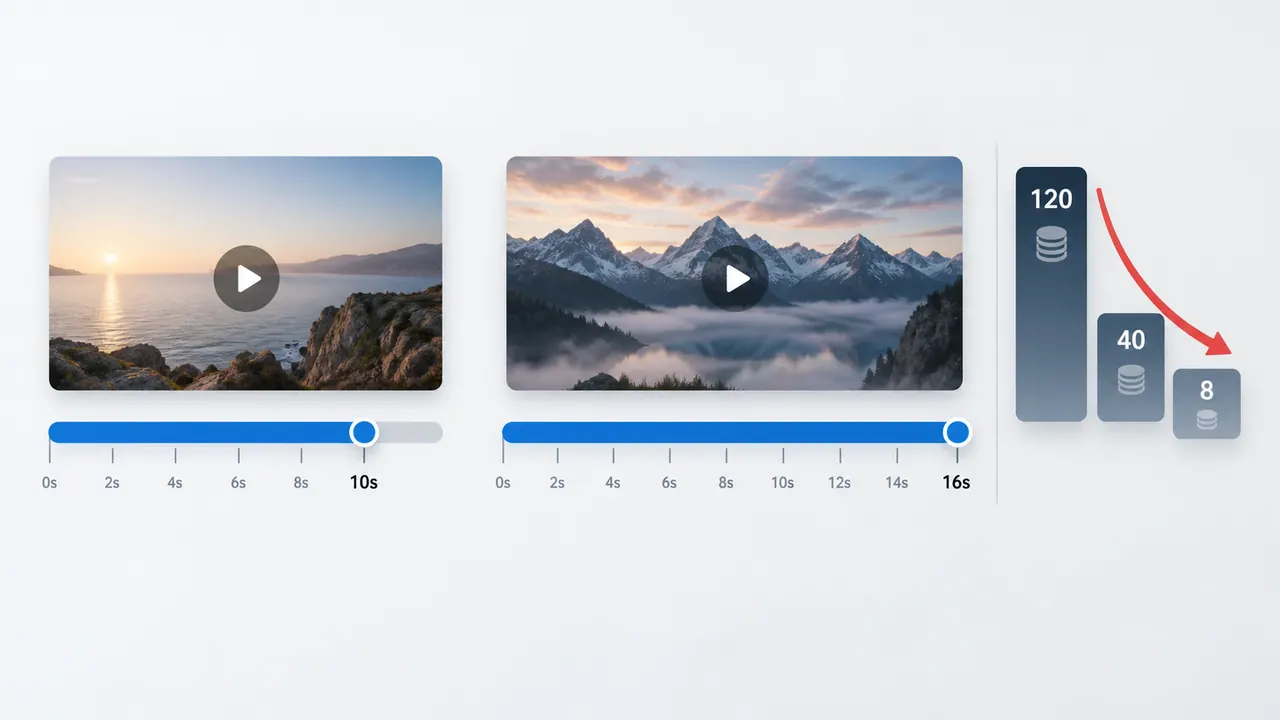
Pika's Q3 text-to-video update handles 16-second generations natively, against Runway's 10-second cap. For longer-form work that's roughly a 37% cut in generation count, which matters more than raw quality scores when you're assembling dozens of shots. Meanwhile Seedance 2.0's 12-file multimodal reference system and Kling 3.0's native 4K/60fps keep splitting the field — most working creators now run two or three models and pick per shot.