The core release landed September 9 with the Comfy Compiler wired in, bringing memory optimization and CUDA graphs to long generations. It also fixes MiniMax H3 denoise masks, SAM 3 text masks, and image alpha preservation across several node types — three bugs that have been quietly corrupting composite workflows. New open-source support includes Pixal3D Multi-View for textured mesh reconstruction and SenseNova U1.5 for pixel-space generation with up to 10 reference images.
Shipped September 6 alongside the compiler, Kijai's block sparse attention is now in ComfyUI core rather than a custom node, with three selectable backends for MiniMax H3. Paired with the memory compiler, it cuts VRAM waste on long H3 runs — the single biggest constraint for anyone generating 15-second audio-video clips on consumer cards.
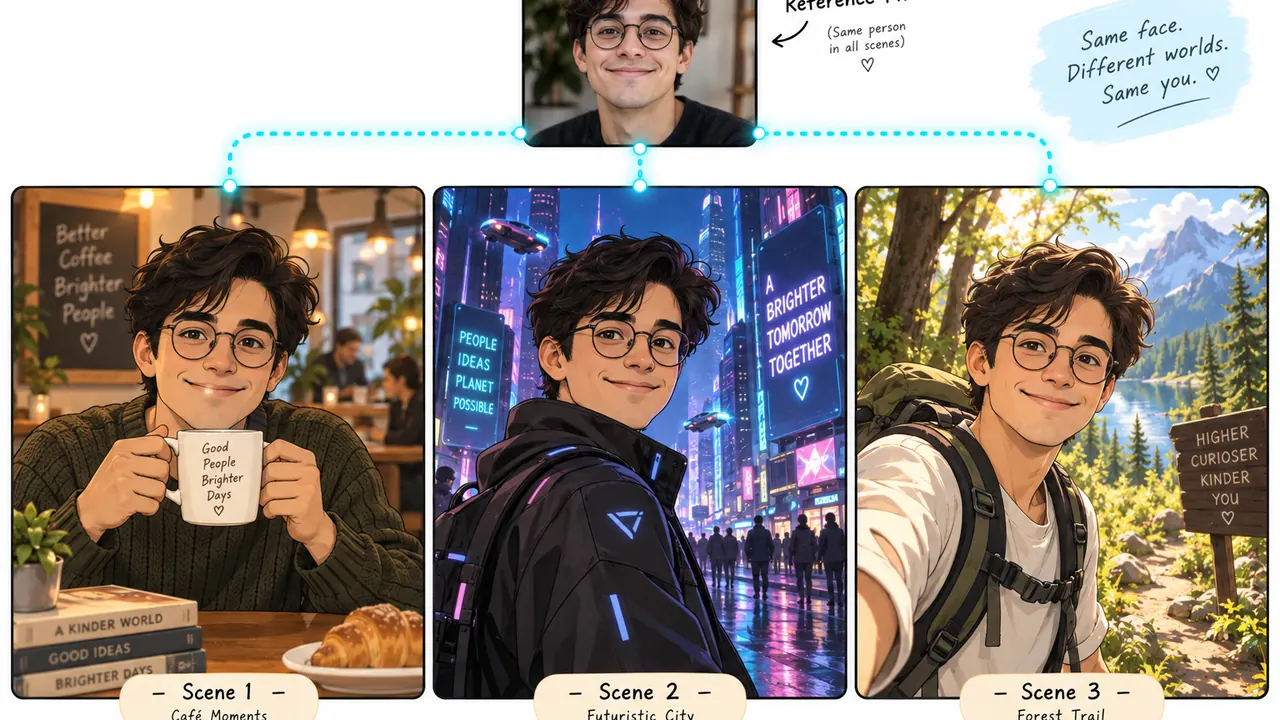
RefMods gives H3 reference conditioning without training a LoRA — character and style consistency from reference images alone. For creators running episodic content, this collapses the usual train-a-character-LoRA step out of the pipeline entirely. H3 itself generates up to 15 seconds at 24 FPS with native 32 kHz stereo audio in 11 languages, open-weighted since August 3.
Released September 7, it wraps a local ComfyUI instance with a 3D storyboard system, continuity management, and timeline export. This is the shape the tooling has been drifting toward all year: node graphs pushed down into the engine layer, with a shot-and-scene interface on top.
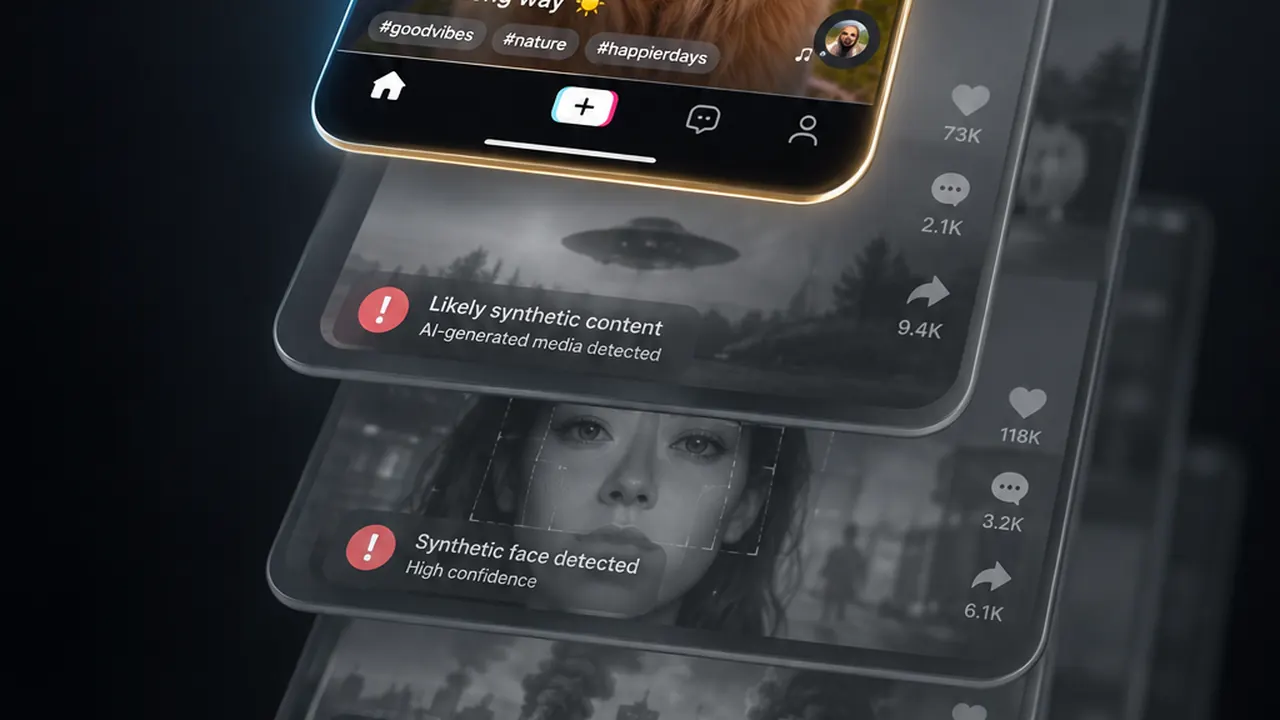
Kapwing's data puts nearly 60 percent of videos served to new TikTok users on the For You page as AI-generated — roughly three times the rate on YouTube. TikTok has responded by weighting the FYP against content its synthetic media classifier flags, and AI-generated content remains explicitly barred from the Creator Rewards Program. Reported classifier catch rates run 35 to 45 percent of synthetic content.
OpenAI deprecated the Sora web and app experiences back on April 26, and the API goes dark on September 24, 2026. If any part of your pipeline still calls Sora endpoints, you have fourteen days to migrate. Veo 3.1, Kling 3.0, and Runway Gen-4.5 are the realistic drop-in targets.
The September 9 rewrite ships 463 nodes with no automatic pip installs and torch-native processing throughout — which means it should stop nuking your Python environment on install, historically its worst trait. New additions include Three.js 3D capabilities and video comparison tooling.
The September 7 patch pruned a batch of deprecated partner models while adding GPT-6 Astra with reasoning effort levels. If you have saved workflows calling Kling Video Extend or the older ByteDance video nodes, they will break on update — check before you pull.
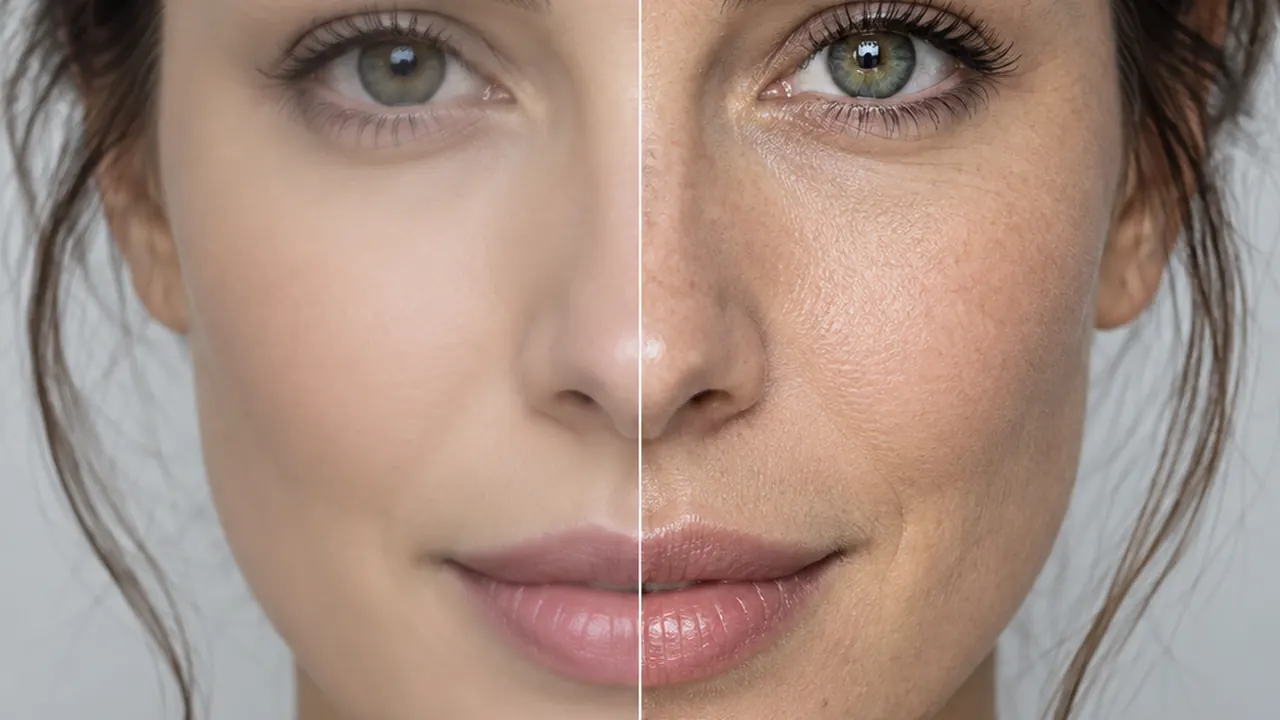
WarmBloodAban's fused and pruned H3 fine-tune, out September 5, goes after the specific failure modes creators complain about most: mushy facial detail, plastic skin, and understated motion. It is an HDR fusion approach, and being pruned it should fit tighter VRAM budgets than base H3.
Announced September 8, the round includes Y Combinator S24, Rebel Fund, Lobster Capital, and Stretford End Capital, with the platform now claiming 5 million users across 190-plus countries. Its pitch is agentic: a brief in, multiple coordinated editable videos out, with 200-plus AI voices across 50-plus languages.