OpenAI pulls the Sora 2 API on September 24, 2026, one day from now, closing out a shutdown that started when sora.com went offline April 26. Any workflow still calling Sora endpoints breaks at the cutover, and the practical replacements are Veo 3.1, Kling 3.0, and Seedance 2.0 — all with different prompt grammars, so expect to re-tune your templates, not just swap a base URL. If you've got scheduled batch jobs, kill them before they burn credits against a dead endpoint.
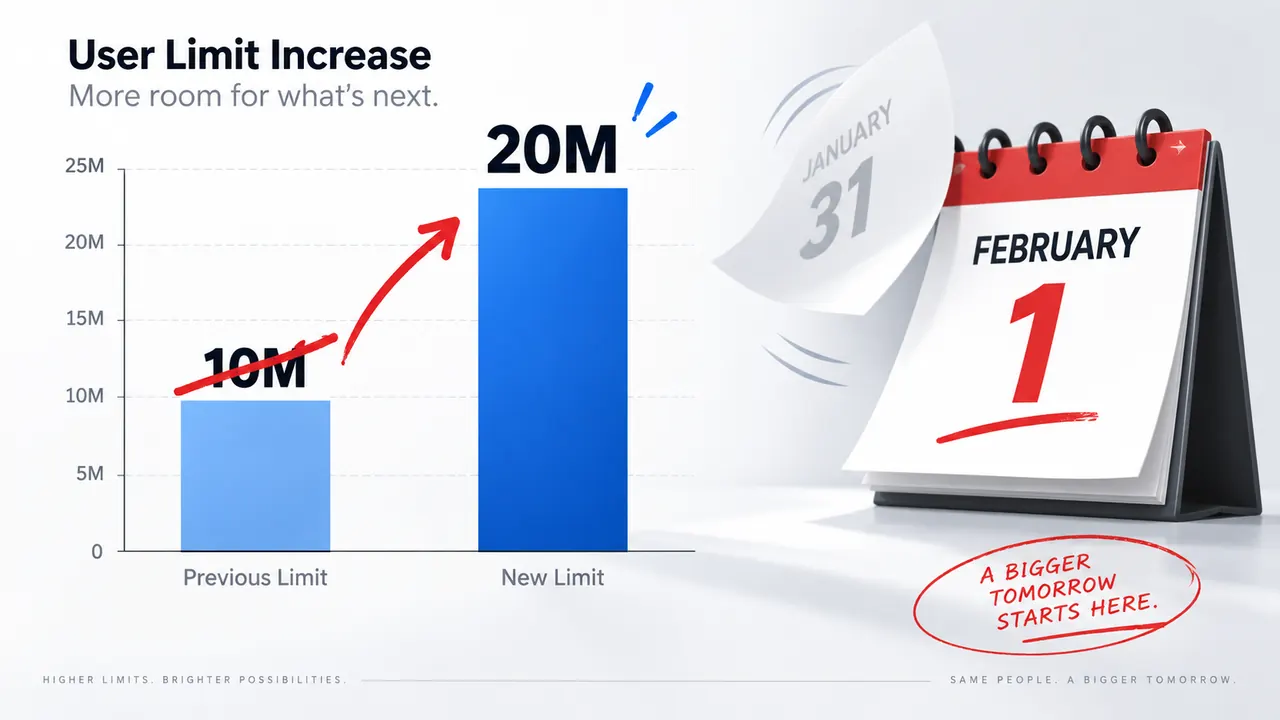
The August 10 Partner Program rewrite — the first since 2018 — lifts new-applicant thresholds to 8,000 watch hours or 20 million Shorts views, double the old 10 million, effective February 1, 2027. There's also a new payout floor: 10 million Shorts views in a trailing 90-day window to get a monthly check at all. Anything short of YPP today should be sprinting to cross the current threshold before the February window closes.
YouTube's clarified policy bans generic or repetitive content, unsatisfying or off-putting uploads, and fake AI experts — and the January 2026 enforcement wave swept channels for synthetic narration plus templated thumbnails plus stock-footage loops plus an upload pace no human editorial process could sustain. Note the pattern: it's the combination that trips the filter, not AI usage alone. Vary thumbnails, vary voice, and don't publish at robot cadence.
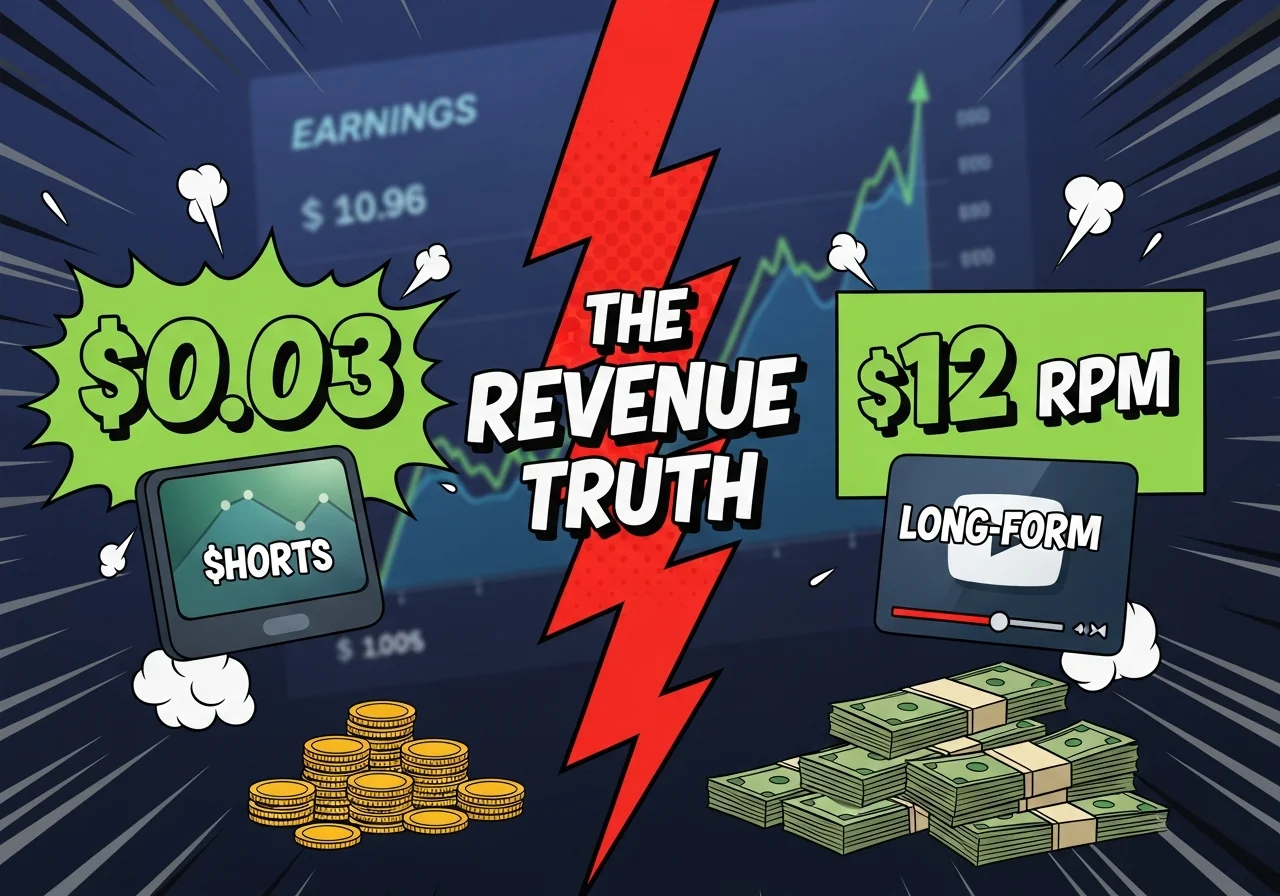
A September 2026 analysis found median long-form videos pull 1.91 times the views of median Shorts, which flips the standard faceless-channel playbook on its head. Pair that with Shorts RPM sitting at $0.01 to $0.12 per thousand against long-form ad share at 55 percent, and the math for repurposing your AI clips into 8-to-12-minute cuts gets very loud. Same generation spend, materially better yield.
Despite chatter about 2.6, 2.7, and 3.0, Alibaba distributes everything past 2.2 through Model Studio and API nodes only — ComfyUI v0.8.0 added Wan 2.6 API nodes in January, but there are no downloadable weights. Wan 2.2's MoE split — high-noise and low-noise experts by denoising timestep — still runs 5B on 6 to 8GB VRAM and 14B on 24GB-plus, Apache 2.0, commercially clear. If your cost model depends on local generation, 2.2 is the floor and the ceiling right now.
ByteDance's Seed team built Seedance 2.0 to take text, images, video, and audio as combined inputs and emit synchronized audio with the video in a single generation — no separate ElevenLabs pass, no manual sync in post. It caps at 15 seconds and handles English, Chinese, Japanese, and Korean. It's already wired into Higgsfield, HeyGen, Artlist, ElevenLabs, and Picsart, so you can A/B it against your current stack without a new integration.
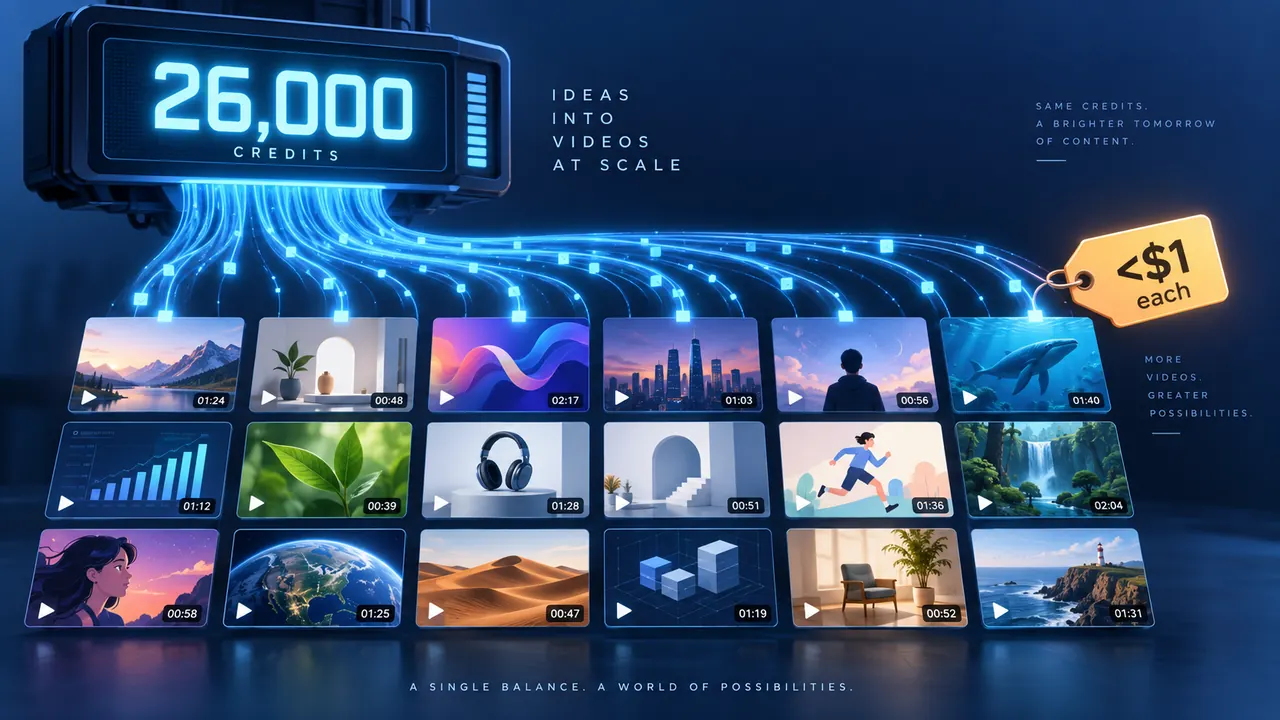
Kling's new $128 a month Ultra tier ships 26,000 credits at 40 credits per five-second 1080p clip — 650 generation attempts, or roughly 130 to 200 finished clips monthly at a realistic 3-to-5 takes per keeper. That's somewhere between 64 cents and a dollar per usable clip. Standard sits at $8.80 a month for 660 credits, and there's a separate promo page with Creator at $29 and Professional at $99 including API, which does not map cleanly to the consumer tiers.
Personal finance, tech, and business education pull $15 to $30-plus per thousand views while entertainment sits at $2 to $7, and the make-money-online niche carries a documented $13.52 average CPM. Faceless channels now account for 38 percent of all new creator monetization ventures, up from 12 percent in 2022, so the easy lanes are crowded — but the RPM spread means one finance video is worth dozens of brainrot clips. Production cost has collapsed under $3 a video, which makes the niche choice the whole game.