FastVideo's distilled MiniMax H3 shipped September 15 with official text-to-video and first/last-frame templates plus BlockSparseAttention VSA settings baked in. That's 8 steps instead of ~20 on a model that already does 2K with native stereo audio — and the community Turbo LoRA pushes it to 4 steps for roughly a 5x sampling speedup. If you're still running 20-step H3 passes, you're paying 2-5x for the same clip.
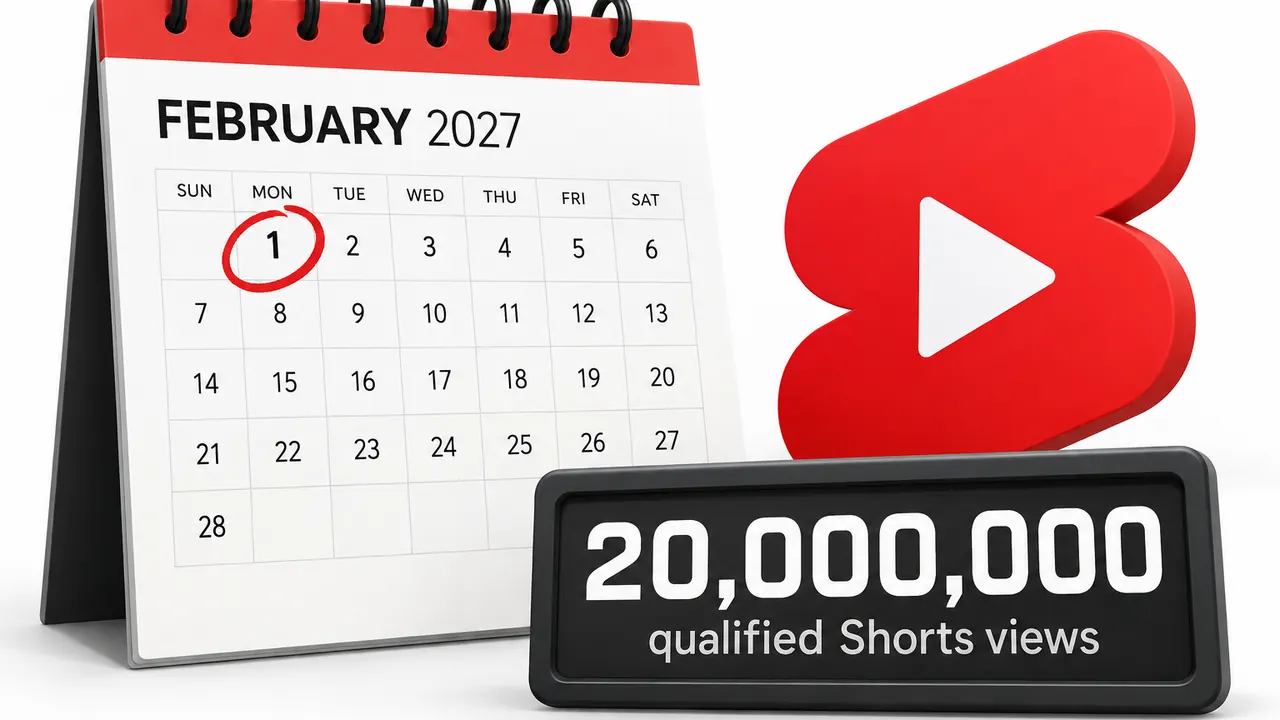
Announced August 10, the rewrite moves inauthentic-content enforcement from video-by-video to channel-level detection, and new applicants will need 8,000 qualified watch hours or 20 million qualified Shorts views. Existing partners are grandfathered. Translation: if you've got a channel anywhere near threshold, get it monetized before the deadline rather than starting a fresh one after.
Engineering breakdown: modulation weights were roughly 40% of total parameters and got replaced with a functionally equivalent lookup table, then int8 convrot quantization on top. Full precision went from 123.6GB down to 42.5GB at the smallest variant, and with dynamic VRAM offloading people are reporting runs on a 6GB RTX 2060. Open weights since August 3, day-zero ComfyUI support.
Current creator reporting puts typical Shorts RPM at 3 to 10 cents per thousand views, meaning a million-view Short pays $30-$100. Finance, B2B, tech, and real estate land at $0.15-$0.25, so the same million is worth $250. Creators clearing $10K/month aren't living on the 45% revenue share — they're stacking sponsorship, affiliate, and product funnels on top.
The March 2026 update introduced an authenticity score that analyzes posting patterns, video sources, and editing fingerprints to flag reposted material. AI content stays fully eligible for Creator Rewards if you use the built-in AI-generated label — the label itself doesn't cost you money or reach. Creator Rewards still gates at 10K followers, 100K views in 30 days, videos over one minute, with RPMs reported at $0.40 to $1.20.
Shipped September 15, one week after 0.35.0. Core-436 Video Concatenate joins clips natively in-graph, Generic Loops iterate over heterogeneous lists, and MiniMax-H3 VAE optimizations trim memory. Also new: Flux video editing via a BFL node, P-Video-2 through Pruna, and H3 Fun ControlNet compatibility with the Comfy Compiler. The multi-clip assembly you've been doing in an NLE can move upstream.
As of mid-August, Wan 3.0 is an invite-only hosted beta that opened August 6 with no Hugging Face checkpoint, no GitHub inference code, and no published license text — just a README carrying an Apache 2.0 file on an empty repo. Wan 2.5 was pre-announced open and never shipped; 2.6 shipped closed. Wan 2.2 under Apache 2.0 remains the last genuinely local Wan, and H3 has quietly taken the open-weights crown.
The formats actually clearing volume right now are broadcast fan cams (World Cup, courtside NBA, F1 paddock), the K-pop concert jumbotron, the pet barbershop "fresh fade," talking tough-guy pets, the Price Is Right junker reveal, and video-to-video pranks. Common thread: recognizable broadcast framing plus one absurd substitution. Cheap to template, and first/last-frame workflows nail them.
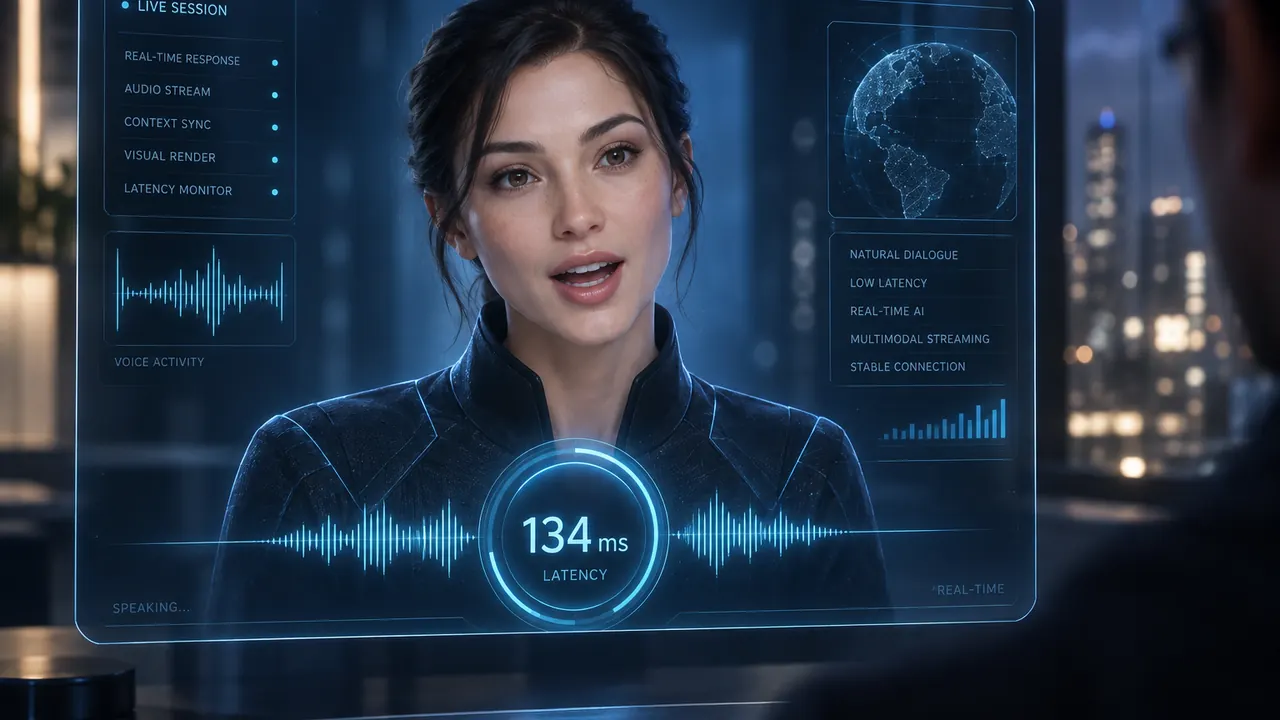
The new real-time human-rendering model generates full frames including shoulders and torso at 134 millisecond latency, with 16% better lip sync than Phoenix-4, 1.3x more motion vividness, and zero-shot identity previews in about a minute. Notably, retraining succeeded on 64% of faces that previously failed. Interactive talking-head content is getting viable as a live format, not just a pre-render.
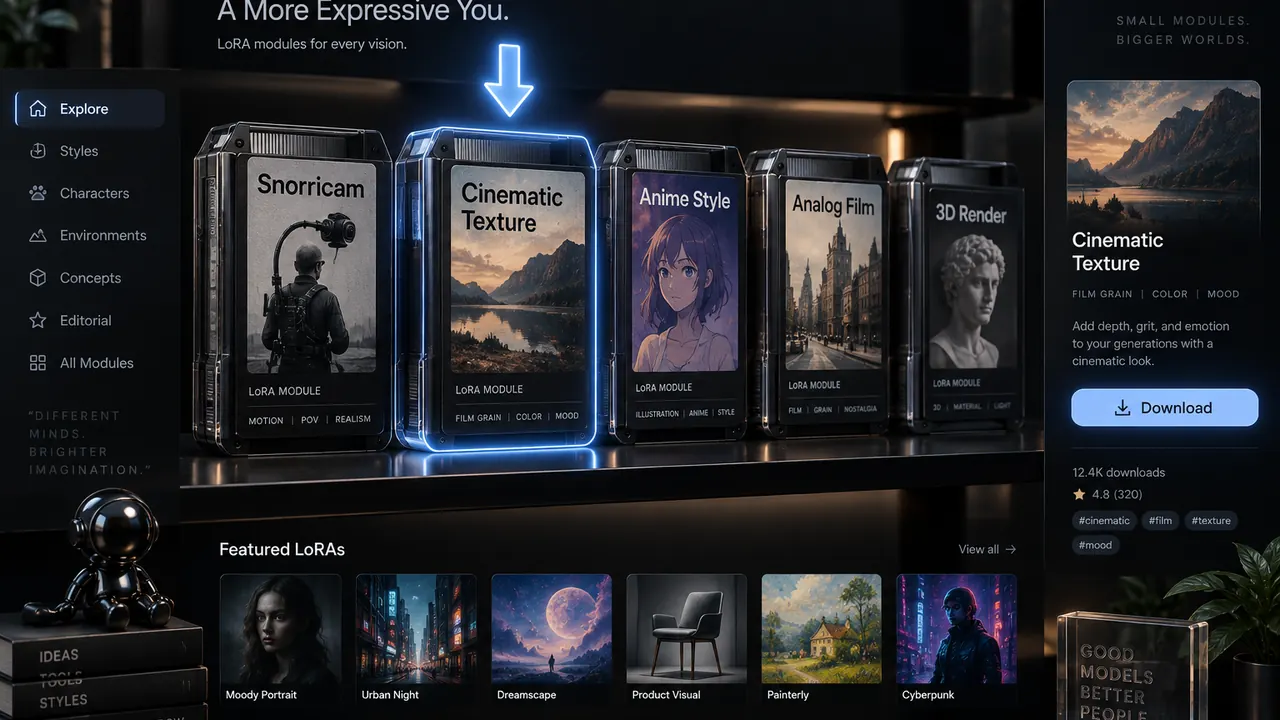
Civitai now runs H3 in the hosted generator with a turbo toggle and the MiniMax H3 Community License registered. The style shelf is maturing: a Snorricam rig LoRA published September 6, an authentic cinematic texture LoRA that preserves H3's motion and shot comprehension, and KreaLand style at epoch 50. Look-differentiation is now a LoRA download, not a fine-tune project.