OpenAI removes the Videos API and every Sora 2 generation model — sora-2, sora-2-pro, and all dated checkpoints — on September 24, 2026. The deprecation table lists no recommended OpenAI replacement, and account data gets deleted at shutdown with no recovery window. Anyone with Sora calls buried in a render pipeline has two weeks to re-test prompts against a different model, because prompt behavior does not port cleanly.
TikTok now runs C2PA Content Credentials detection and flags synthetic media even when a creator skips self-disclosure. Three unlabeled AI videos triggers roughly a 60 percent reach reduction for 30 days plus a temporary suspension of Creator Fund earnings. The label itself costs nothing algorithmically — skipping it is what costs you a month.
Lightricks' 22B open-weights model generates synchronized audio and video in a single pass at native 4K/50fps, with lip sync and ambient sound built in. The 2.5 release added native multishot — multiple connected scenes holding character identity, lighting, and voice across cuts without stitching. Free for orgs under $10M ARR, weights on Hugging Face, native ComfyUI support, and FP8 quantization targeting 32GB cards.
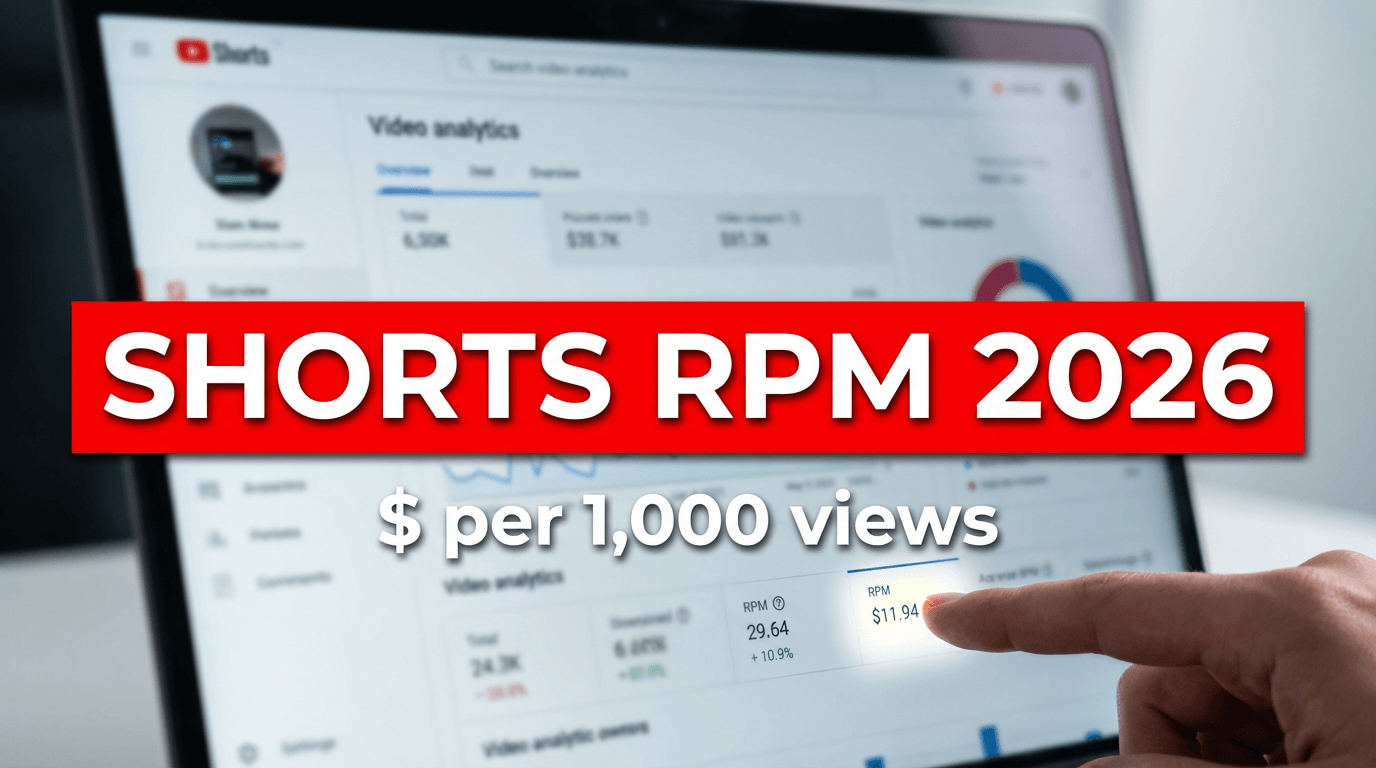
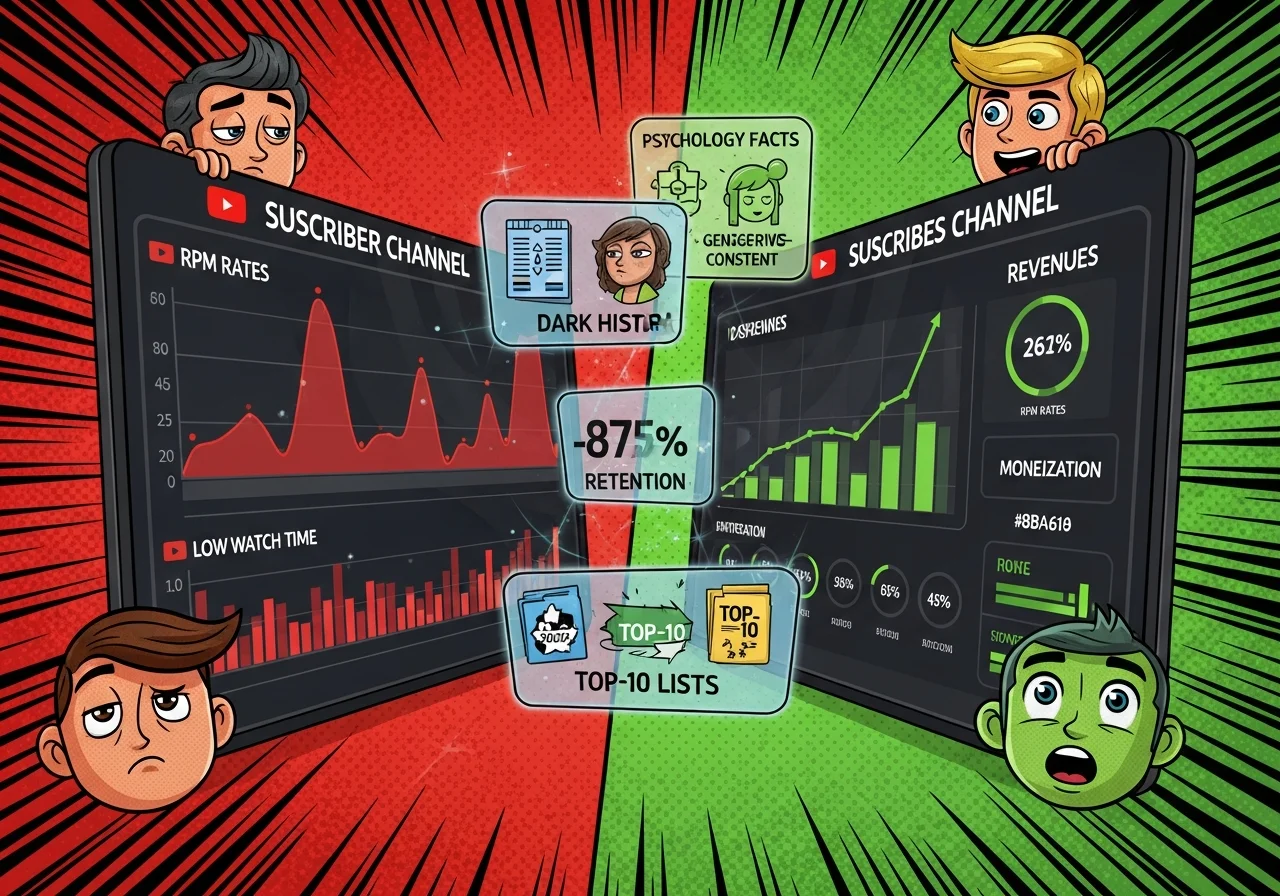
Current Shorts RPM data lands between $0.01 and $0.15 per thousand views depending on niche and geography, against $3 to $20-plus for long-form in the same vertical — as much as a 60x gap. A channel doing 1 to 5 million monthly Shorts views nets roughly $20 to $300; 10 to 50 million gets you $200 to $2,000. The pattern that actually works: Shorts as the top-of-funnel acquisition layer feeding higher-RPM long-form.
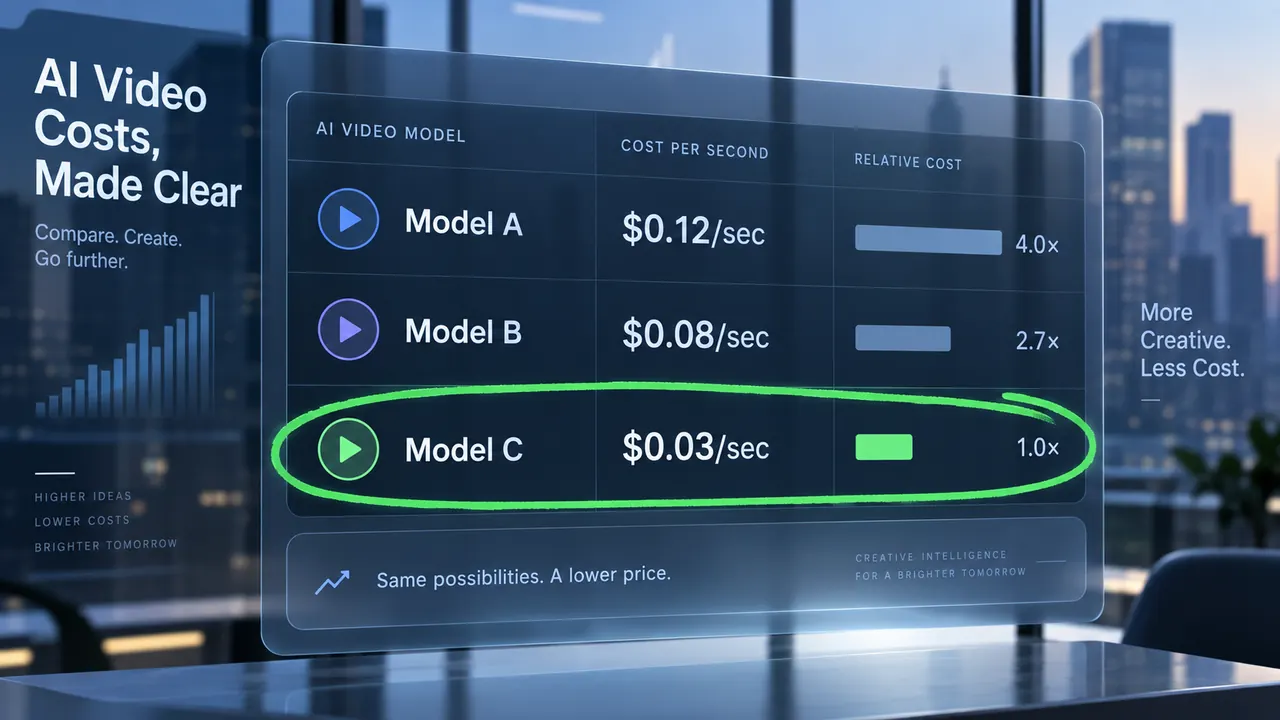
Current API pricing puts Kling 3.0 around $0.11 to $0.14 per second, roughly 4 to 7x cheaper than comparable cinematic-quality options. Veo 3.1 tiers at $0.05 Lite, $0.15 Fast, and $0.40 Standard per second, with the strongest dialogue and audio-video sync of the group. Seedance 2.5 does native 30-second 4K with up to 50 reference images and native audio — the pick when you need volume with character consistency.
Swapping the standard 20-plus step sampler for the LightX2V 4-step LoRA drops a 480p five-second Wan clip from roughly 40-50 minutes to 1-3 minutes on a 4090. Two other free wins from the community: set ModelSamplingSD3 shift to 1 on both high and low noise models, and drop the default Euler/Simple sampler for res_multistep with sgm_uniform. The 5B model runs on 6-8GB VRAM; 14B wants 24GB-plus for clean 480p and 720p.
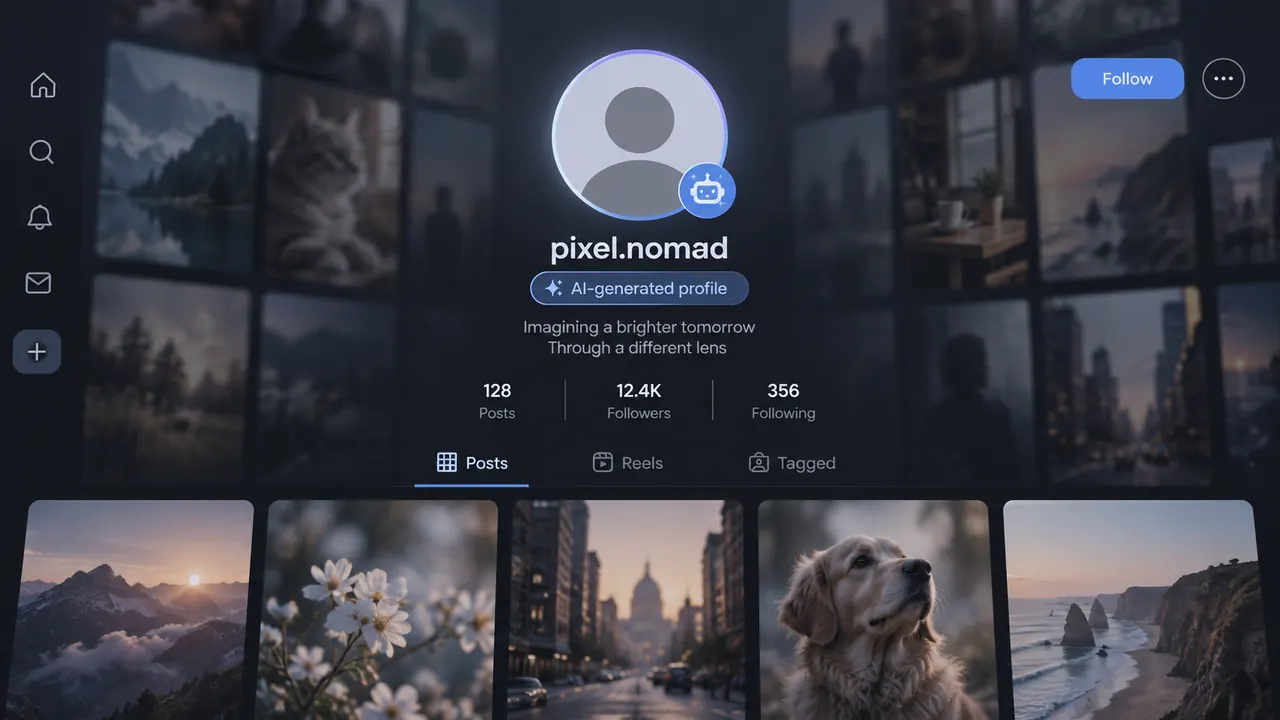
Instagram rolled out an "AI-generated profile" label — replacing the earlier "AI creator" wording — that applies when the person an account represents was generated or substantially created with AI. The label appears in bio, Feed, Reels, and Explore. Accounts running AI-generated people without the disclosure get recommendation reach reduced, which is a persona-account problem, not a synthetic-footage problem.
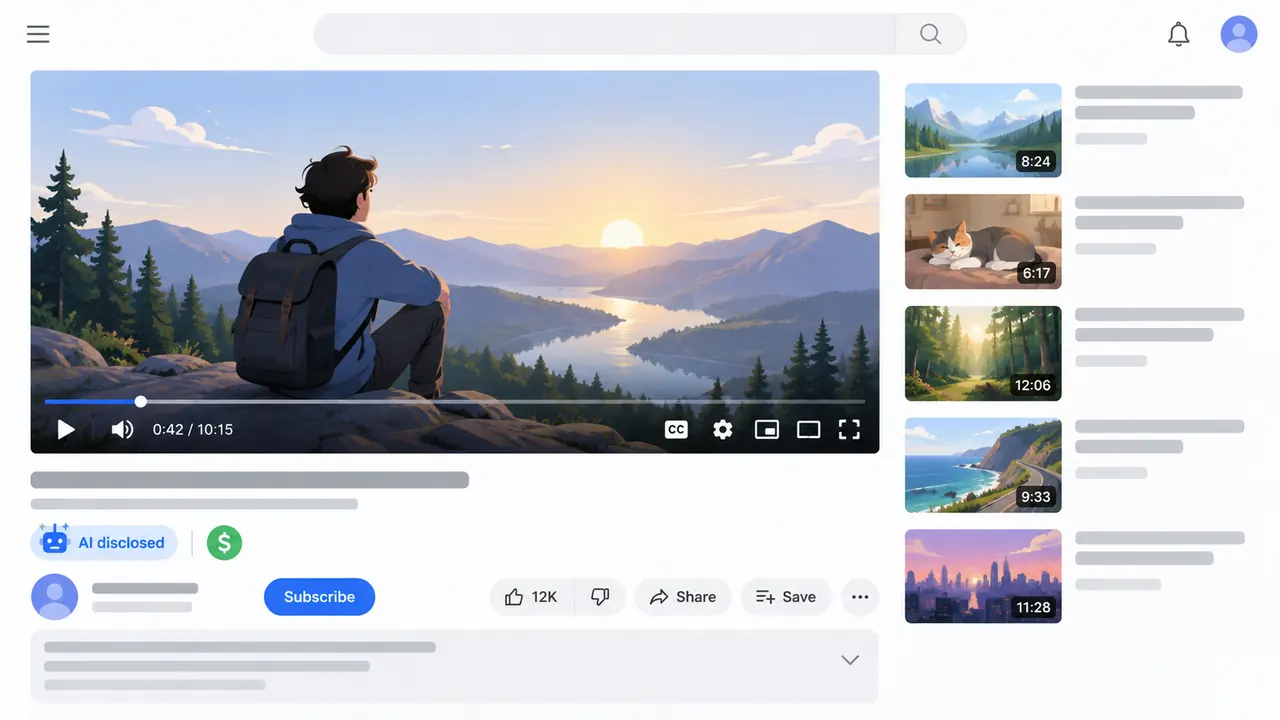
Since May 2026, YouTube applies AI disclosure labels automatically when it detects photorealistic synthetic media, whether or not you declared it. Properly disclosed AI content stays fully monetizable with no algorithmic penalty — the inauthentic content policy targets mass-produced templated uploads, not AI tooling. Shorts monetization gate remains 1,000 subs plus 4,000 watch hours, or 10 million Shorts views in 90 days.
Tech, AI commentary, macroeconomics, and geopolitics are producing the strongest faceless-channel economics with advertiser CPMs in the $8 to $40 range. Dark history and true crime documentaries hold 70 to 82 percent retention on 15 to 30 minute runtimes — the retention profile that makes long-form worth the render cost. Entertainment sits at the bottom of the RPM scale, which is exactly where most AI output is piling up.
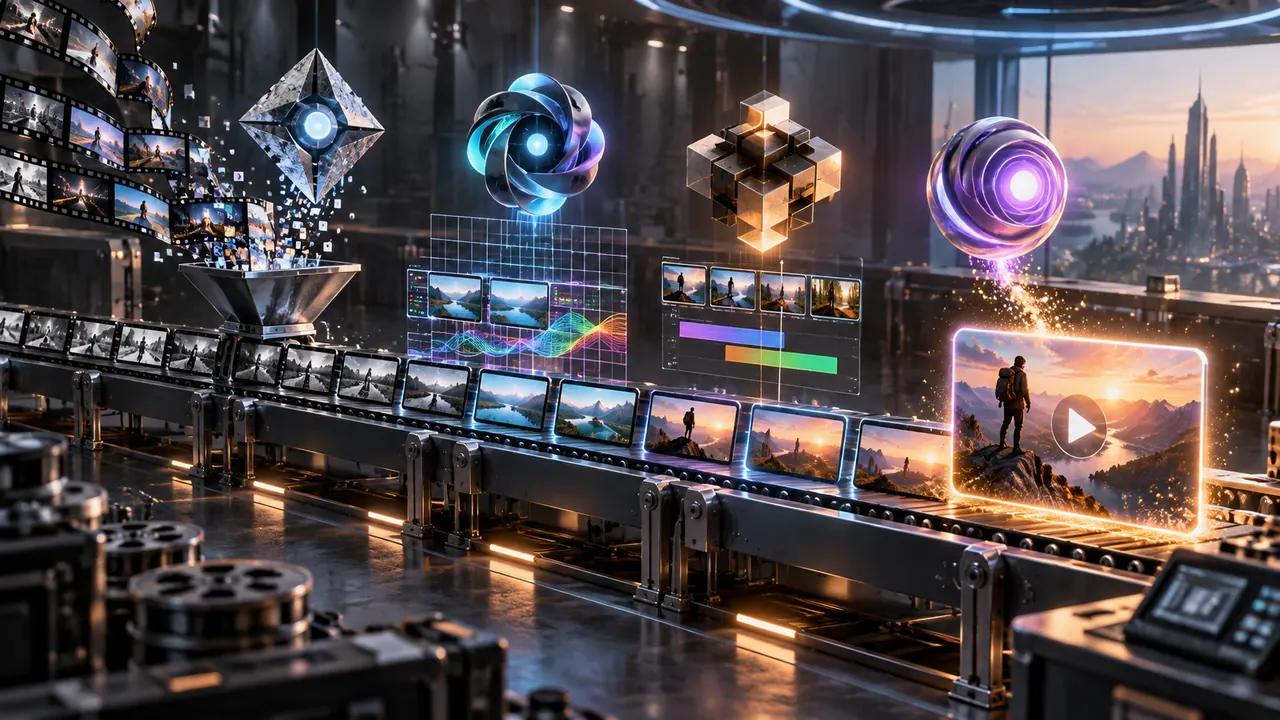
The community consensus has shifted decisively toward modular pipelines where each model handles one stage rather than one generator doing everything end to end. Native audio, 4K, and 60-second-plus durations are now table stakes across the field, not differentiators. Operators reporting 12 to 15 finished videos per hour are running assembled stacks, not single-tool workflows.