The single most replicable format on the board right now: first-person POV rescue storytelling — firefighters pulling people and animals out of burning buildings — one channel banked 241 million views across just 31 Shorts. A second channel in the animal-rescue lane hit 146 million off 20 uploads using character-consistency features to hold the same protagonist across cuts. That's roughly 7M views per asset, which means the format is doing the work, not the volume.
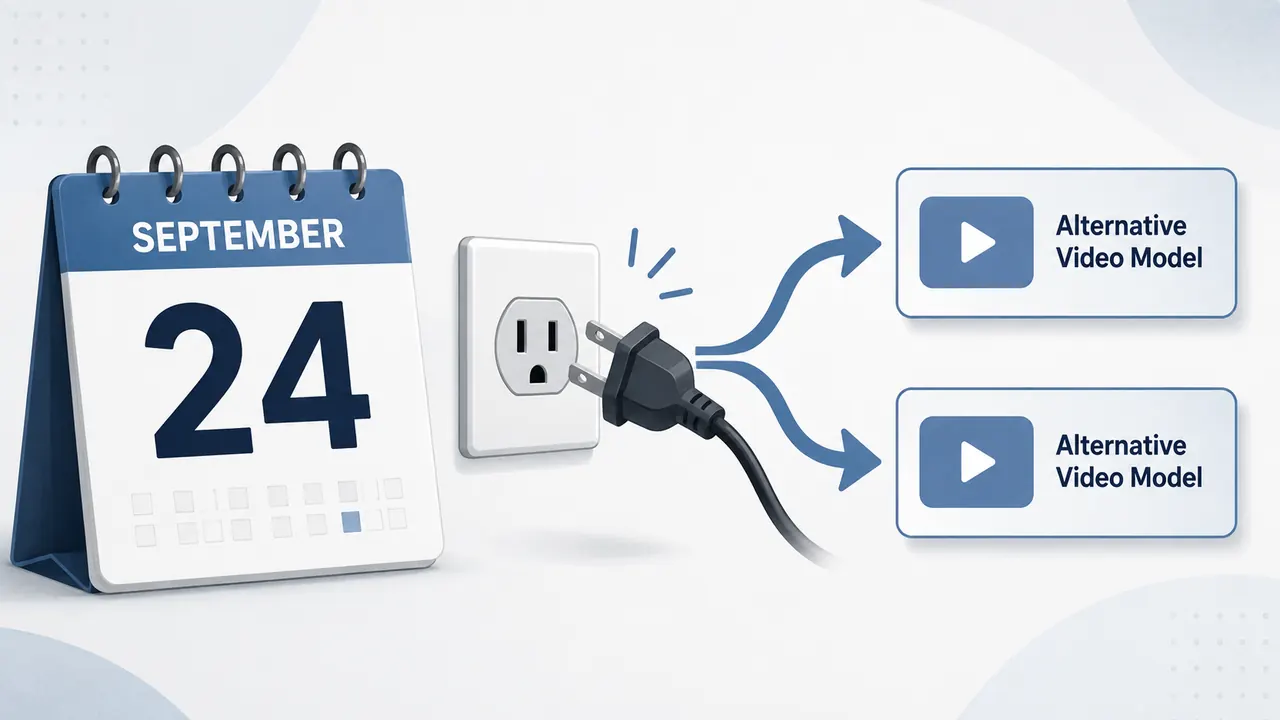
OpenAI killed the standalone Sora product back in April; the web and app experiences went dark April 26, and the API follows on September 24, 2026 — that's nineteen days out. If any part of your generation stack still calls Sora endpoints, it breaks this month. Consensus replacement anchors are Veo 3.1 for fidelity plus native audio, or Kling 3.0 for quality-per-dollar.
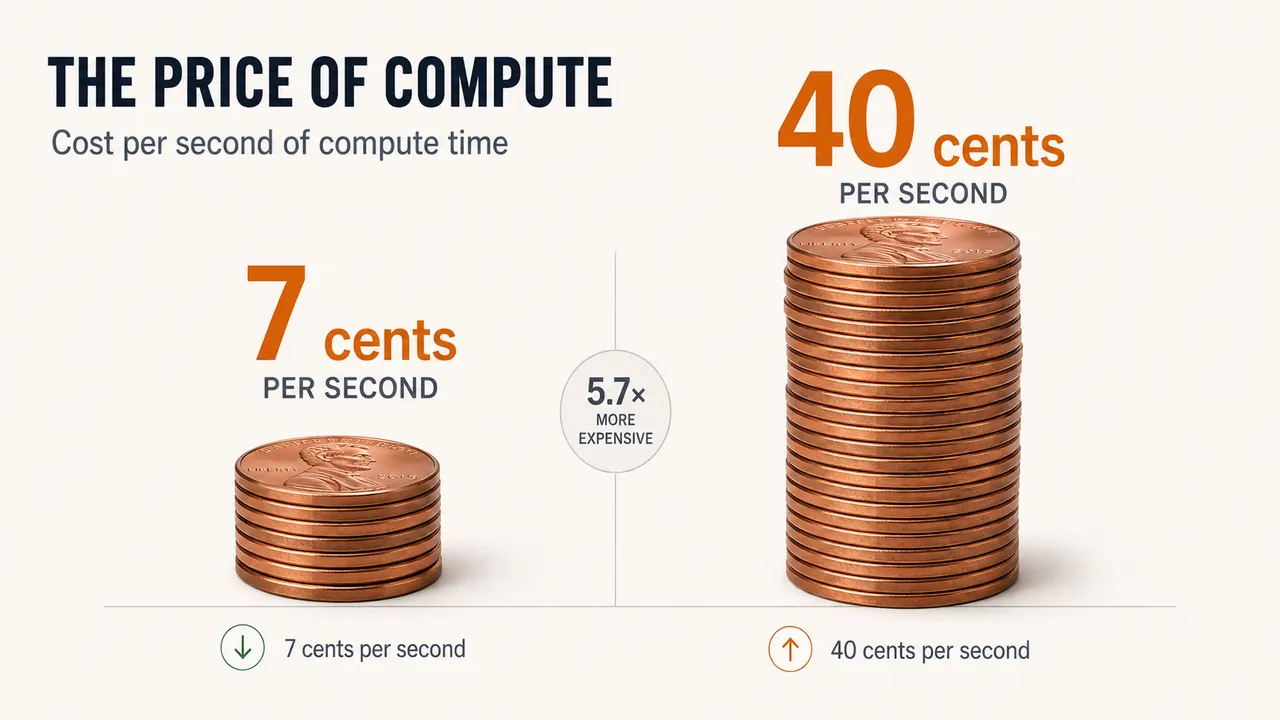
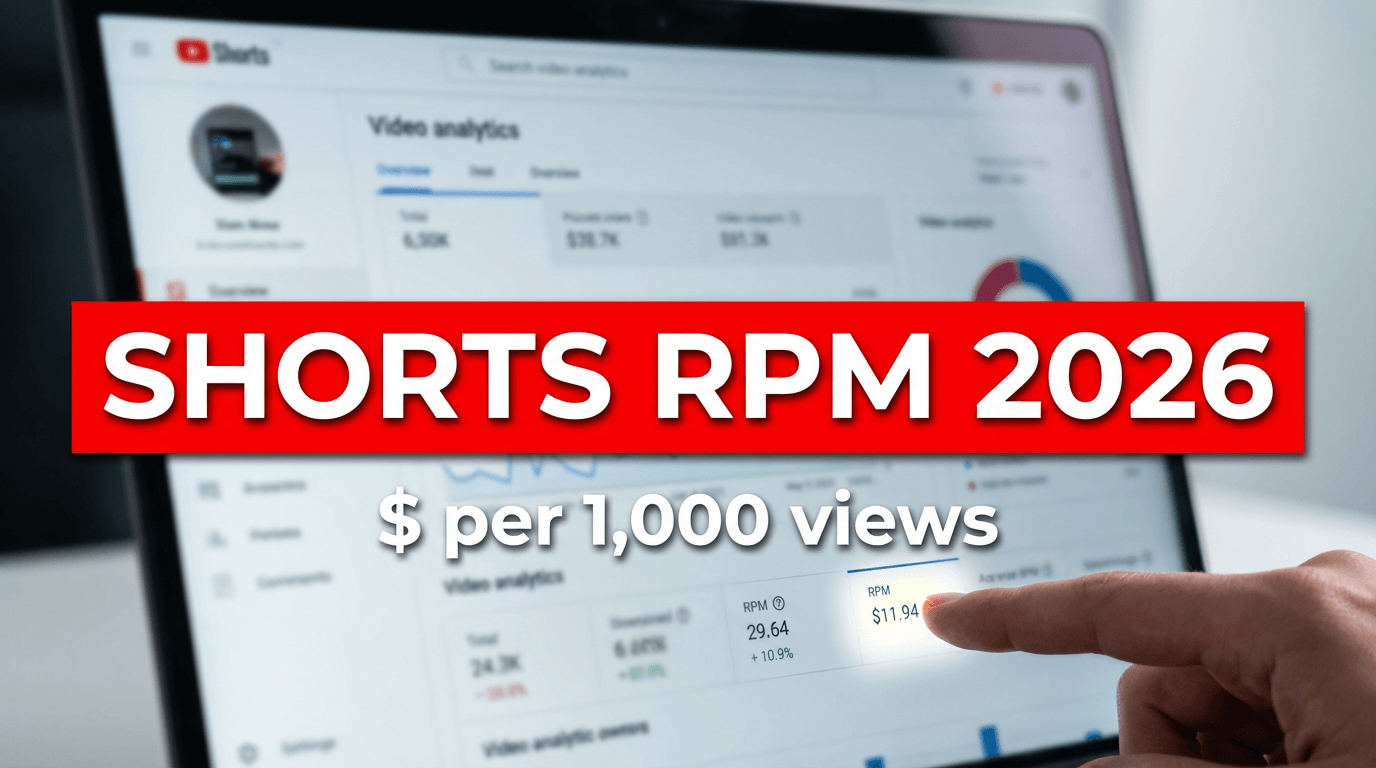
Hard numbers on the generation ledger: Kling 3.0 runs about $0.07 to $0.10 per second, Veo 3.1 Fast starts around $0.15, and full Veo 3.1 lands near $0.40. Kling's Standard plan is $6.99 a month with commercial rights; the full Veo 3.1 preview sits behind Google's Ultra tier at $249.99. At Shorts RPMs of $0.04 to $0.15 per thousand views, your cost-per-second choice is the entire margin conversation.
Creator Rewards bans AI content from monetization outright, while the Creativity Program accepts it provided you use TikTok's built-in AI label. TikTok is now running C2PA Content Credentials to auto-detect synthetic media whether or not you disclose, with a four-tier penalty ladder from warning to permanent ban. Critical nuance: the label itself does not suppress distribution — getting flagged retroactively costs far more reach than proactively labeling.
Affiliate creator content drives roughly 42% of all US TikTok Shop GMV, with commissions running $12 to $45 per sale and platform conversion at 4.7% versus 2-4% on standard ecommerce. Base view-to-purchase sits near 0.05% — one sale per two thousand views — before category multipliers. One documented AI-UGC operator cleared $8,247 revenue on $1,247 of tooling for about $7,000 net.
For local operators, LTX-2.5 is now the production anchor: native synchronized audio-video in a single diffusion pass, multi-shot sequences that hold continuity across cuts, and IC-LoRA conditioning on depth, pose, edge maps, and motion tracks. Wan 2.2 stays viable at Apache 2.0 and runs the 5B GGUF from 8GB VRAM with offloading; HunyuanVideo 1.5 fits a single 4090 at roughly 14GB FP8. Open weights at near-zero marginal inference cost is the whole ballgame when your RPM is four cents.
Since May 4, 2026, Instagram has been testing an account-level "AI Creator" label that lands on your bio and rides along with every post and Reel you publish. The Reels Play Bonus wound down to invite-only, so direct payout is largely gone — monetization now routes through affiliate links, brand partnerships, and off-platform traffic. Ranking-wise, DM shares are the single most powerful signal, ahead of watch time and likes per reach.
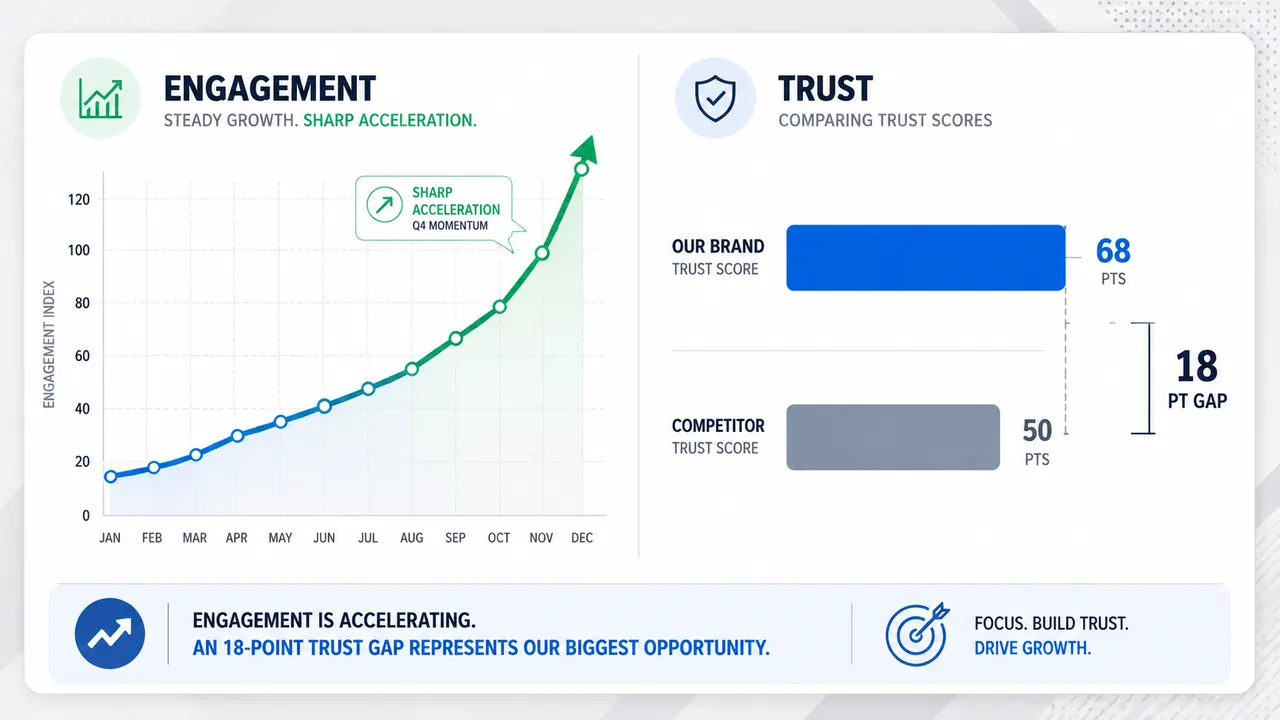
AI UGC is pulling 350% higher engagement and 2.8x more views on TikTok, and well-scripted AI reaches 85-110% of strong human UGC click-through on Meta at roughly 1.5-3% CTR. The catch is post-click: human content scores 18 points higher on authenticity trust, 81% versus 63%, and that gap widens in trust-led DTC categories. Read: use AI to win the hook, put a human artifact somewhere downstream of the click.
Shorts RPM sits at $0.03 to $0.15 with premium niches touching $0.20 to $0.30, while long-form in the same niche pulls $3 to $20+ — a spread of up to 60x. Channels at 1-5M monthly views earn $20 to $300; 10-50M gets you $200 to $2,000. And 76% of top-earning Shorts creators make more from brand deals than ad revenue, which tells you exactly what the views are actually for.
YouTube's Generic or Repetitive Content policy explicitly targets mass-produced templated uploads, which puts pure automation channels in the crosshairs regardless of view count. The channels surviving it are hyper-niche-specific — narrow enough that the algorithm classifies them fast and viewers know exactly what they're subscribing to. Faceless operators like Bennett Santora are holding $0.15 to $0.30 RPM at tens of millions of monthly views by staying inside a defined lane.