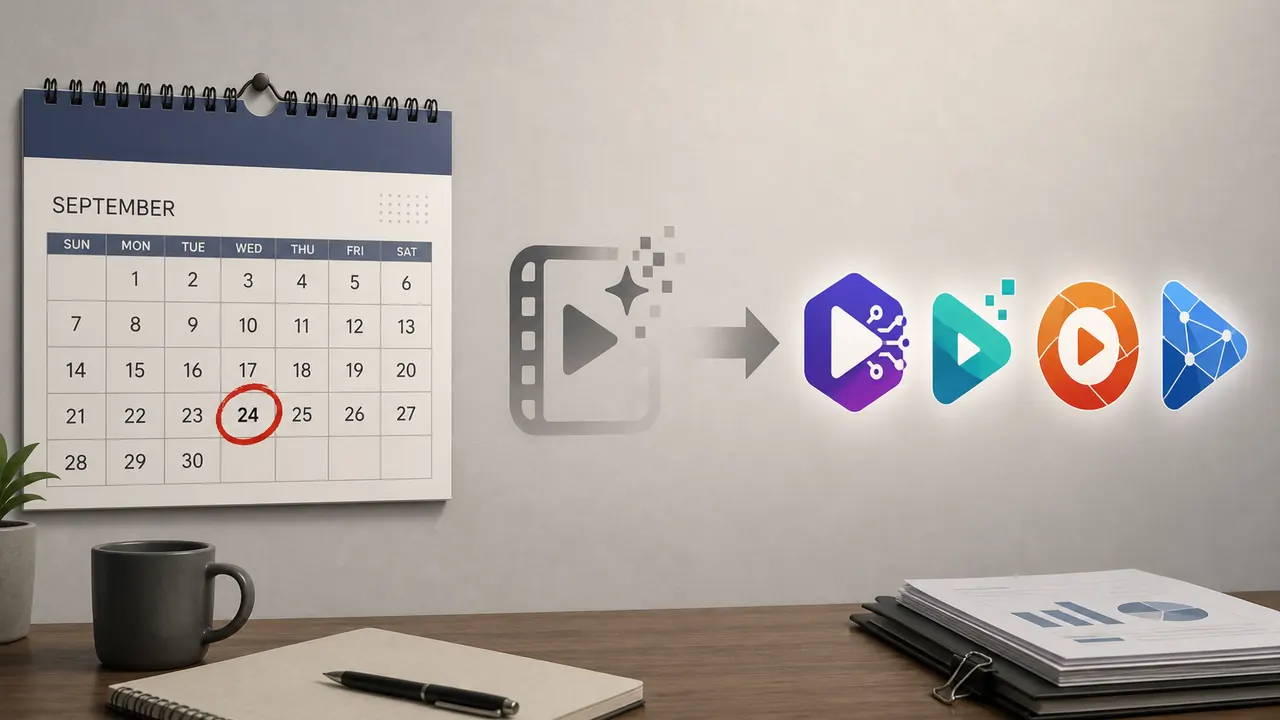
OpenAI killed the consumer Sora app and sora.com back on April 26, and the API sunset lands September 24, 2026. Anything in your stack still calling Sora 2 for synced-audio cinematics or image-anchored generation needs to be re-pointed now — Veo 3.1, Kling 3, Seedance 2.0, and MiniMax H3 cover the same jobs. This is a hard deadline, not a deprecation warning.
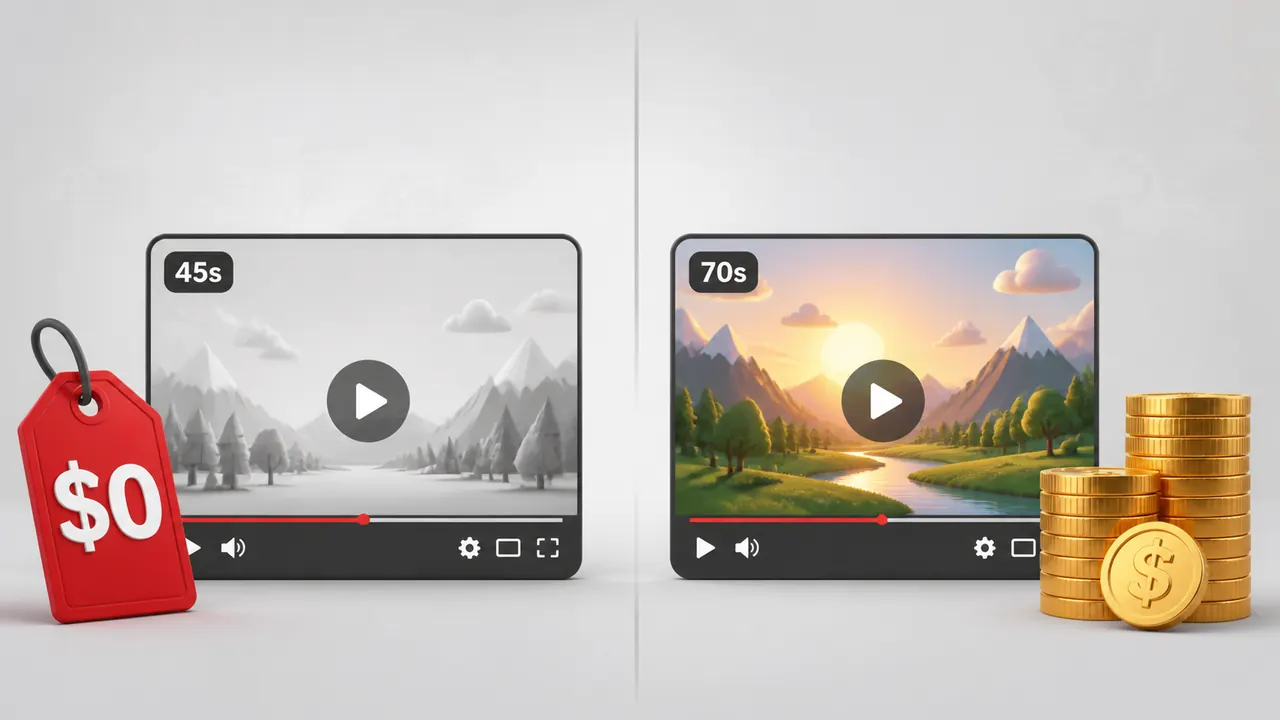
The Creator Rewards Program pays $0.40 to $1.00+ per 1,000 qualified views in 2026, and finance/education verticals clear $1.20 on long-form. The structural knife: videos under one minute earn nothing. The 15-to-45 second format that historically drove the fastest audience growth is now purely a top-of-funnel play — your monetized cut has to run past 60.
Lightricks dropped LTX-2.5 on August 11 — a 22-billion-parameter open-weights audio-video foundation model with native multishot scenes, auto duration, and 4K HDR, plus official ComfyUI templates on day zero. The LTX-2 family has pulled roughly 18 million downloads from HuggingFace since the open-weights release. Multishot in a single pass kills a whole stitching stage in most pipelines.
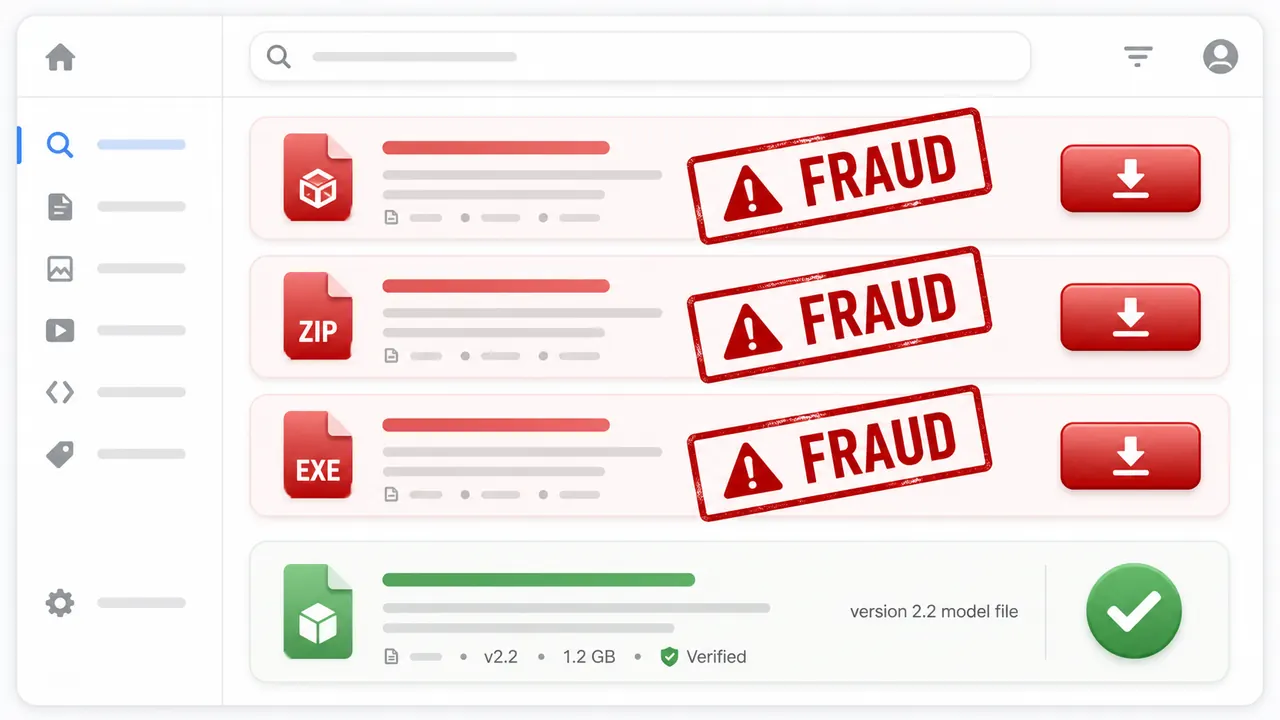
Official Alibaba open weights end at Wan 2.2, the July 2025 Apache 2.0 MoE release. Wan 2.5 and 2.6 both shipped API-only, and every site ranking for "Wan 2.7 checkpoint" is distributing something other than what it claims. If you're on a 4090, 7900 XTX, or Mac Studio, 2.2 is still the newest legitimate local Wan — 5B on 6-8GB VRAM, 14B needing 24GB+.
Since May 2026, YouTube automatically identifies photorealistic synthetic media and applies disclosure labels whether you declare or not. Labeling proactively does not suppress reach — forgetting is what triggers demonetization. Separately, the inauthentic content policy (renamed from "repetitious content" in July 2025) still blocks mass-produced templated uploads from monetization even when properly disclosed.
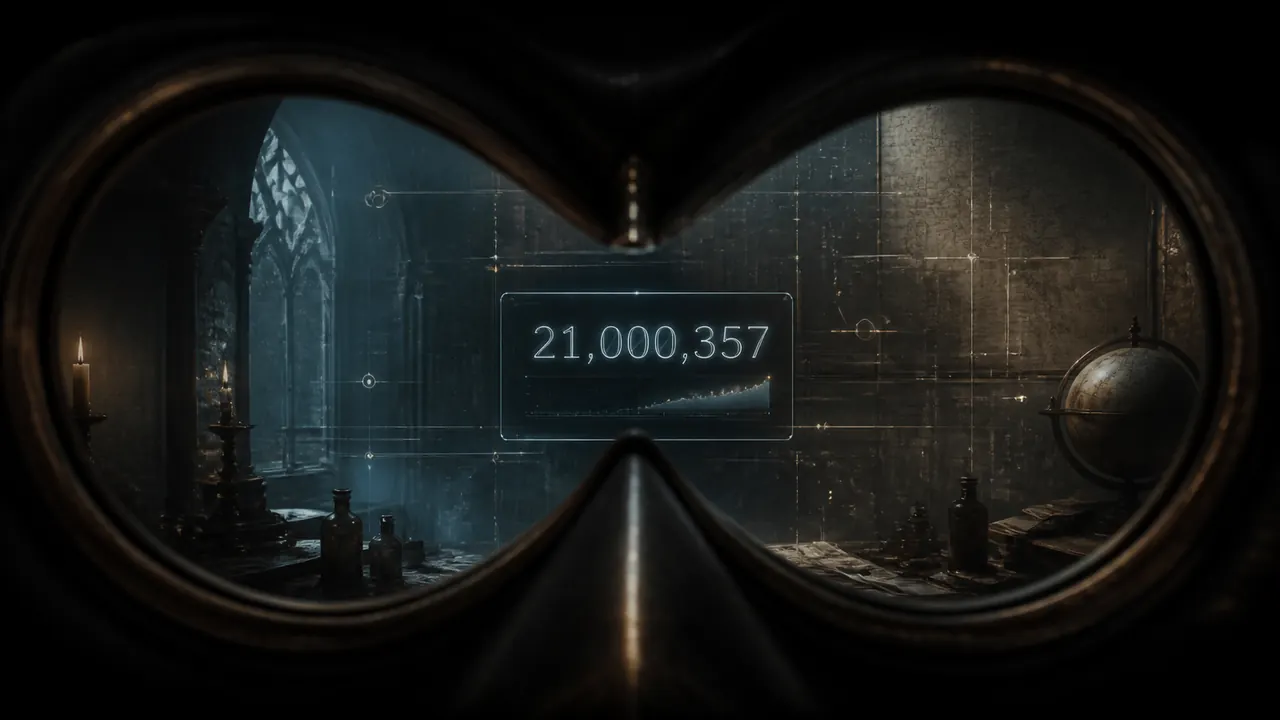
@timetravellerpov is running historical first-person POV with AI imagery and AI narration — 19.5 million views on a Black Plague POV, 21.8 million on a Chernobyl worker piece. No camera crew, no location, no talent. The format's edge is that historical POV has zero authenticity expectation, so the uncanny-valley penalty that kills modern-day AI footage doesn't apply.
Dharmendra Kumar's case study clocked affiliate marketing returning 120 times ad revenue on the exact same videos. That tracks with Bennett Santora's faceless operation running $0.15 to $0.30 RPM across tens of millions of monthly views — the ad money is rounding error at that RPM. Contrast: make-money-online sits at $10-$25 RPM, finance and tech at $15-$30+, entertainment at $2-$7.
Seedance 2.0 Standard runs $0.092 per second at 480p and $0.199 at 720p, with a Fast tier at $0.074 and $0.161 — audio included at no extra charge. Kling 3.0 Pro charges $0.112 per second with audio off and $0.168 with audio on. Caveat: ByteDance has delayed the official Seedance developer API amid training-data disputes with Hollywood studios, so those are third-party provider rates.
TikTok's trending data puts AI/Comedy in high-growth territory this month, with AI comedy bits, ChatGPT script trends, and deadpan delivery leading. Minimum viable variant volume has tripled versus 2025 — the platform expects more shots on goal per concept. Also worth stealing: green screen explainers over screenshots and data viz are posting strong through-play rates on B2B and info-product angles.
The EU AI Act's transparency provisions kicked in August 2, 2026, requiring machine-readable marks on AI-generated content. TikTok has required its built-in AI-generated label on realistic synthetic media since March, and has shipped a "reduce AI content" slider in Manage Topics that lets viewers opt out of your distribution entirely. That slider is the one to watch — it's an audience-side kill switch, not an algorithmic one.