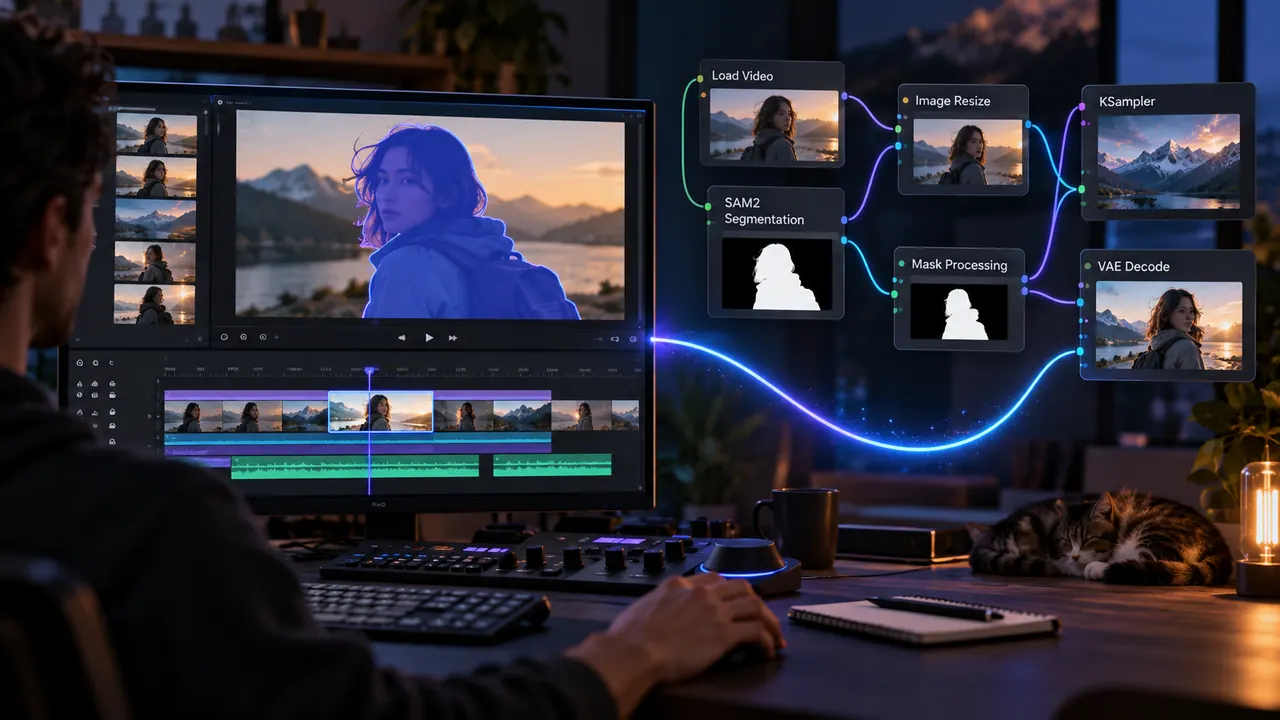
The free, local, open-source editor Vlo hit version 0.3 on September 28 with a live ComfyUI bridge that pushes images, video, and timeline selections straight into your workflow and pulls results back. It ships a SAM2 points editor with automatic crop-and-stitch for video inpainting, plus MiniMax H3 and Qwen workflows, grading, and frame-accurate export. Still early alpha — the repo has open bug issues — but this is the missing post-production link a lot of us have been hacking together with folders and prayer.
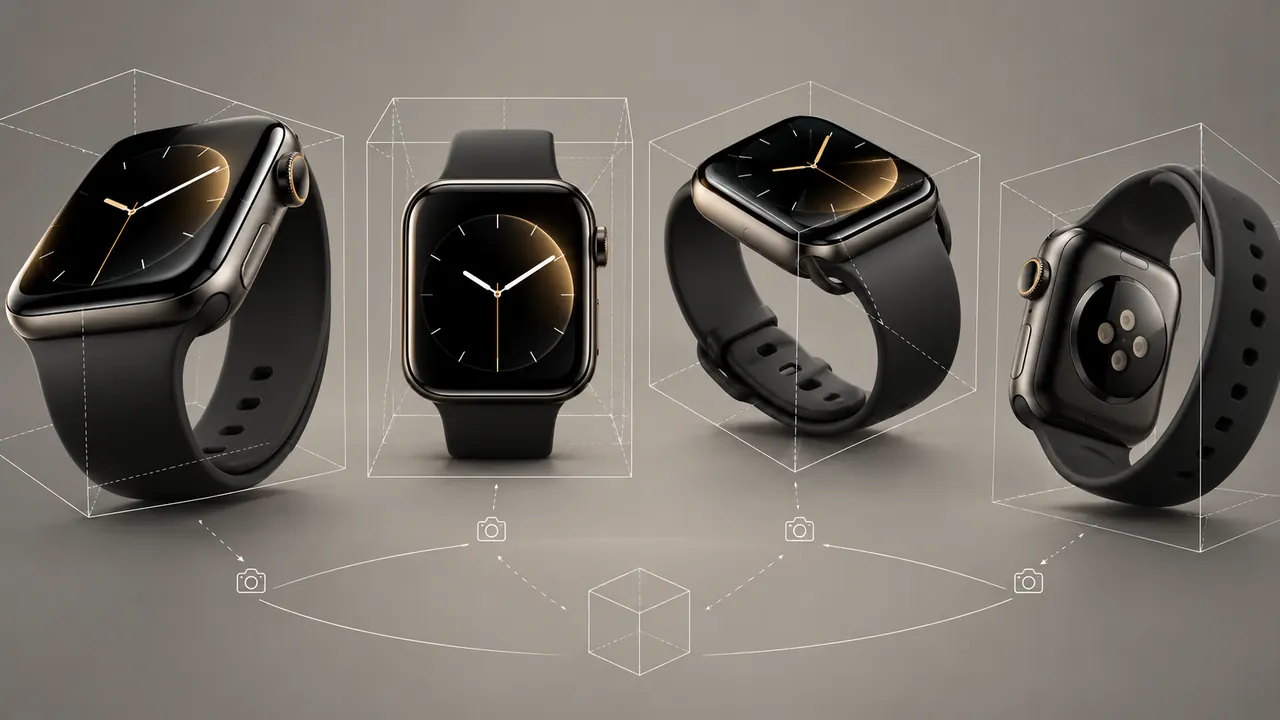
Dropped September 28, AnyAngle is a rank-24, roughly 120 MB bf16 adapter trained by rendering 3D models from arbitrary viewpoints, and it preserves the source image's style and materials while swapping the camera position. Key names are already ComfyUI-native, so it loads in the official Qwen Image 2.1 edit workflow with zero conversion. For anyone building multi-shot sequences from a single hero still, this is coverage on demand.
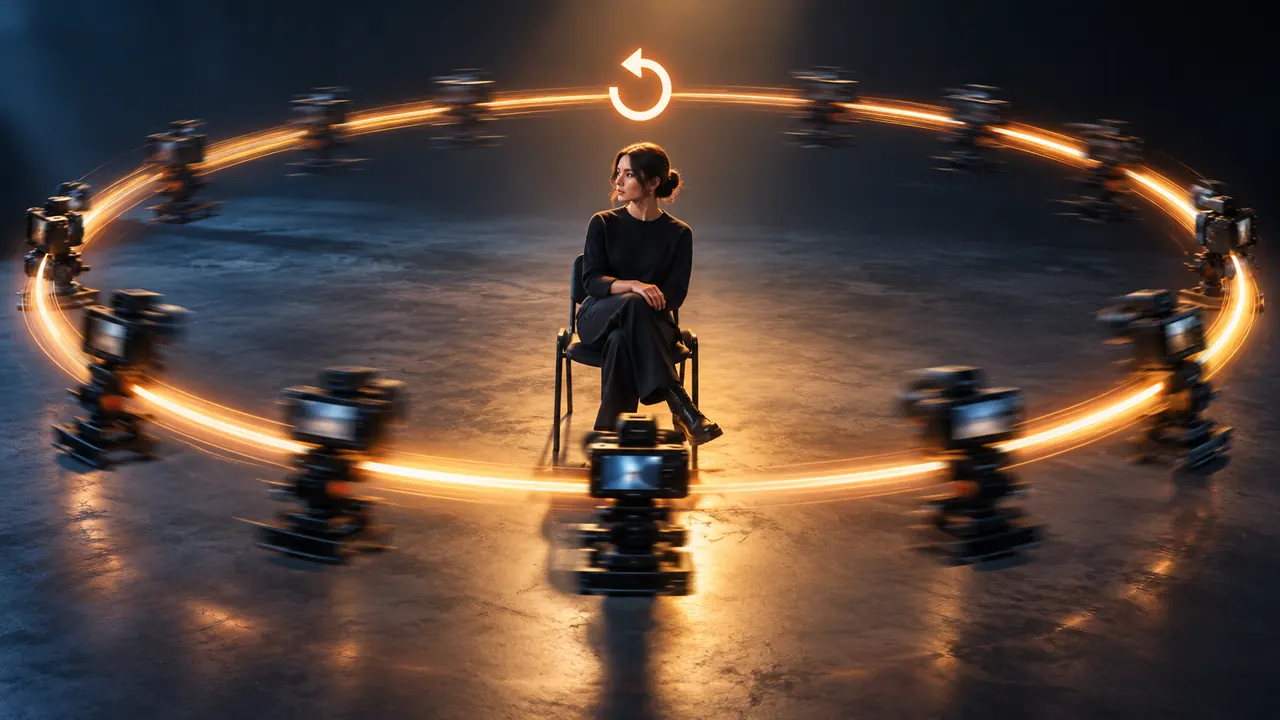
Posted September 27, the 360 Orbit LoRA drives a full camera orbit around a subject from a single input image and lands back on its own first frame — a clean loop with no crossfade cheat. Paired with the H3 Character Swap LoRA from September 25, which replaces a person in a reference video using a character image or sheet, H3's community adapter stack is now the most productive open-weight video toolkit going. H3 does 15 seconds of 2K with stereo audio in one pass at roughly eight cents a second at 720p.
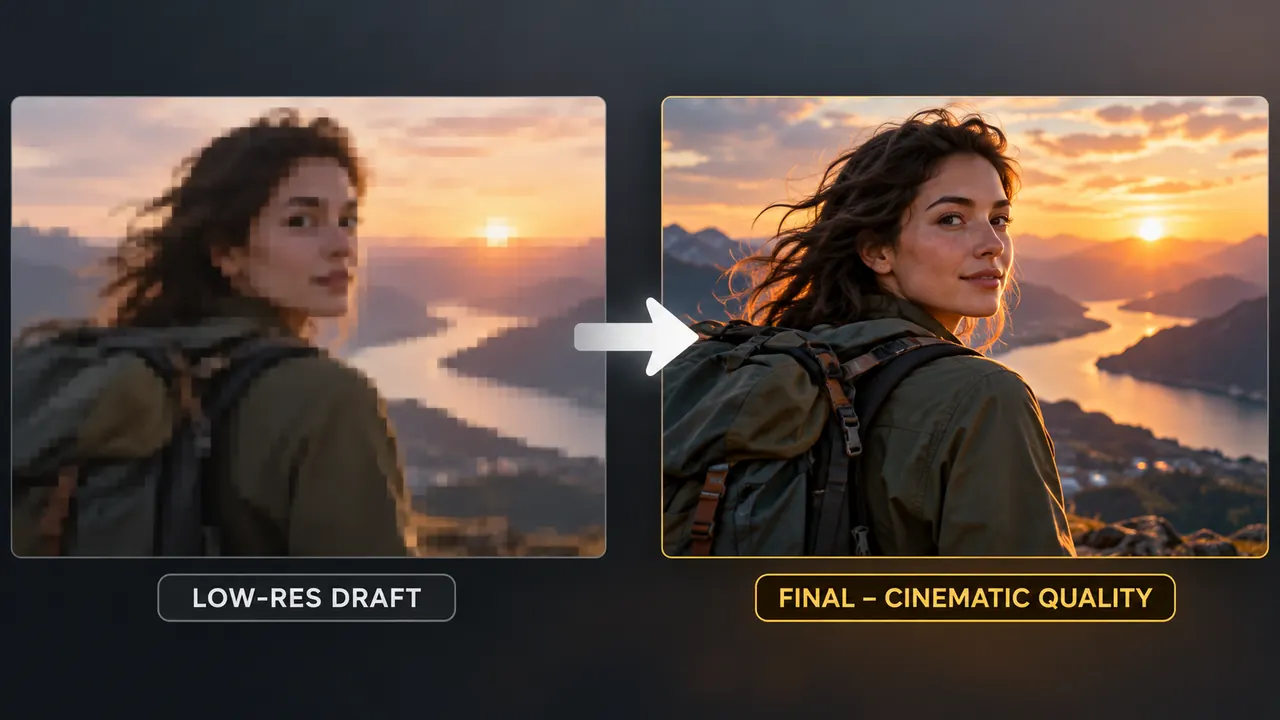
ByteDance's Seedance 2.5 rolled out a draft workflow on September 25 that lets you iterate at 480p and then render the final 1080p from that exact same draft, so your approved take is the take you ship. That matters when Seedance runs about 23 cents per second — the most expensive pixel on the board. Seedance 2.5 still leads on raw output quality with 30-second single-pass generation and up to 50 multimodal references.
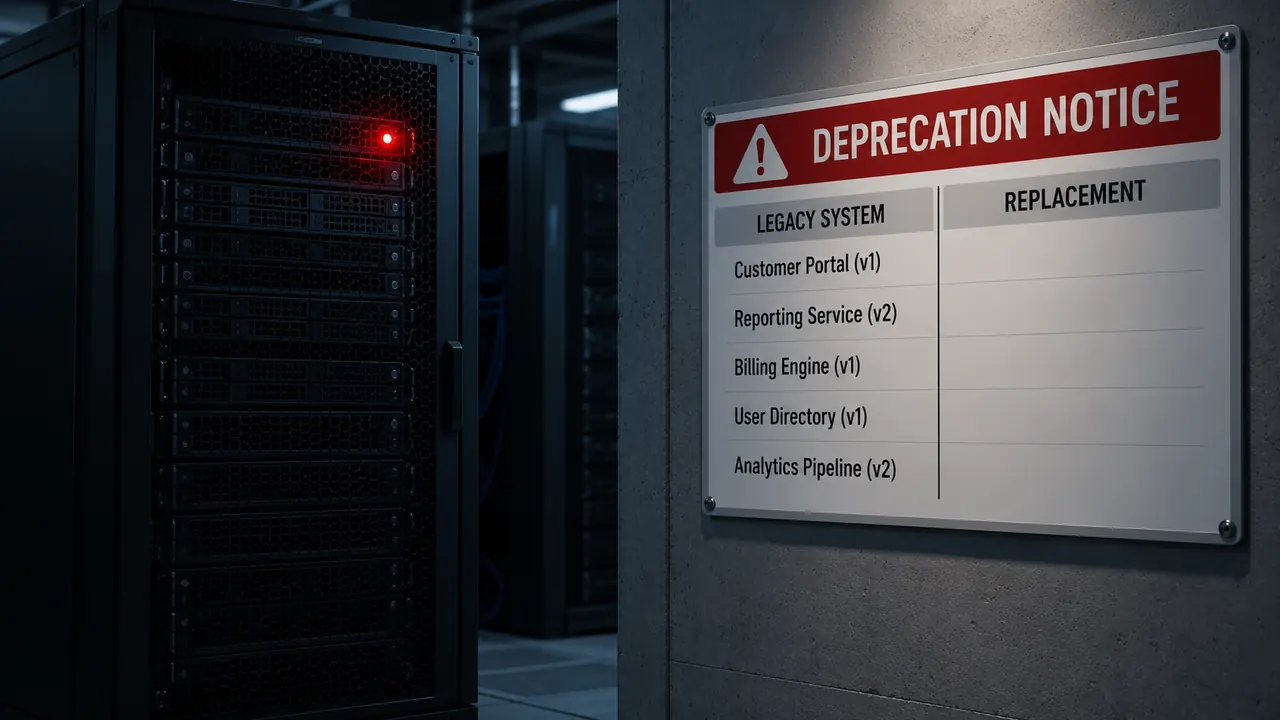
The sora-2, sora-2-pro, and Videos API endpoints went dark on September 24, and OpenAI's deprecation table listed no recommended replacement. Anything you built on Sora as a backend needs rerouting now, not later. The practical migration paths are Veo 3.1 Lite at five cents a second for 720p with audio, MiniMax H3 for open-weight local, or Kling 3.0 if you need multi-shot and lip sync.
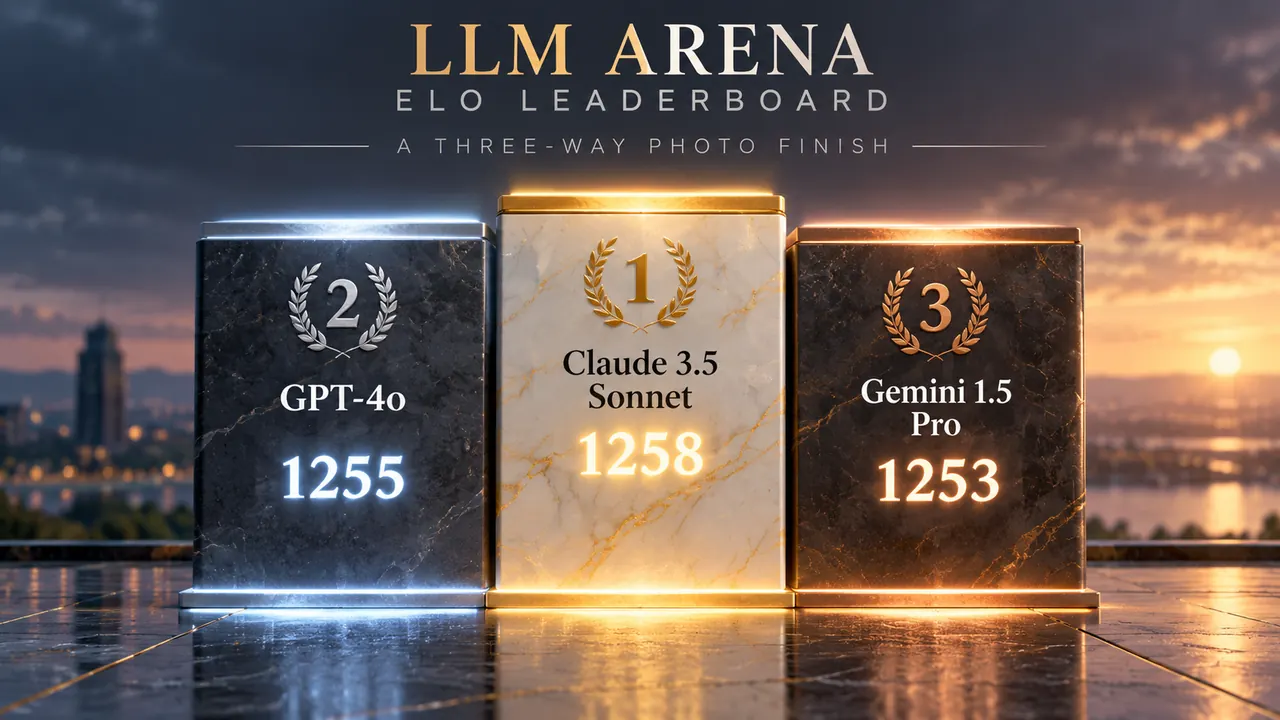
On Artificial Analysis Video Arena as of late September, Google's Gemini Omni Flash sits at 1,233 Elo, Alibaba's Wan 3.0 is right behind at 1,229, and a fine-tuned MiniMax H3 Max is third at 1,227. Six Elo points across three models is a statistical tie — the era where one model was obviously best is over. Pick on price, license, and control surface instead of leaderboard position.
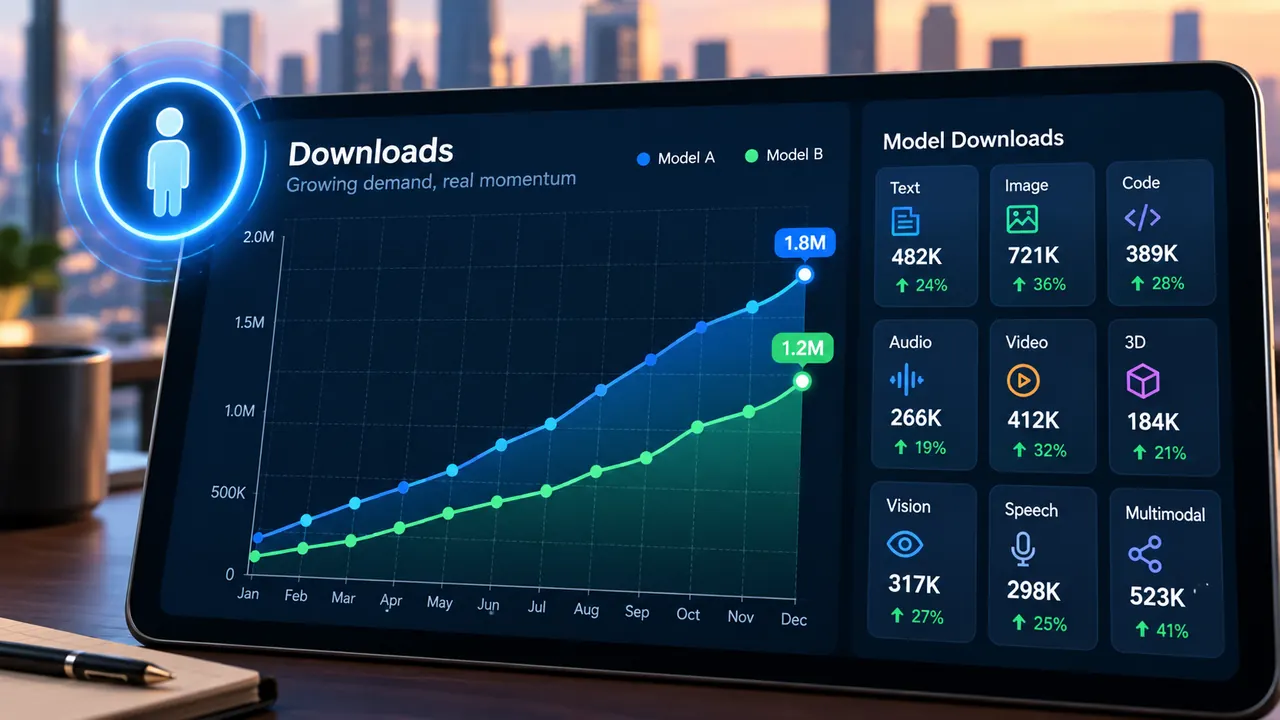
Both models cleared 4,800-plus likes and 1.6 million-plus downloads this month, with LTX-2.5 at 5,332 likes as of late September. LTX-2.5 ships as a single-file diffusion format covering text-to-video, image-to-video, and video-to-video, and there's a fresh LTX-2.3 image-to-video workflow published for the AI on the Lot 2026 event if you want a known-good starting graph. The signal here is that the community's default video backbone is now open weights, not an API.
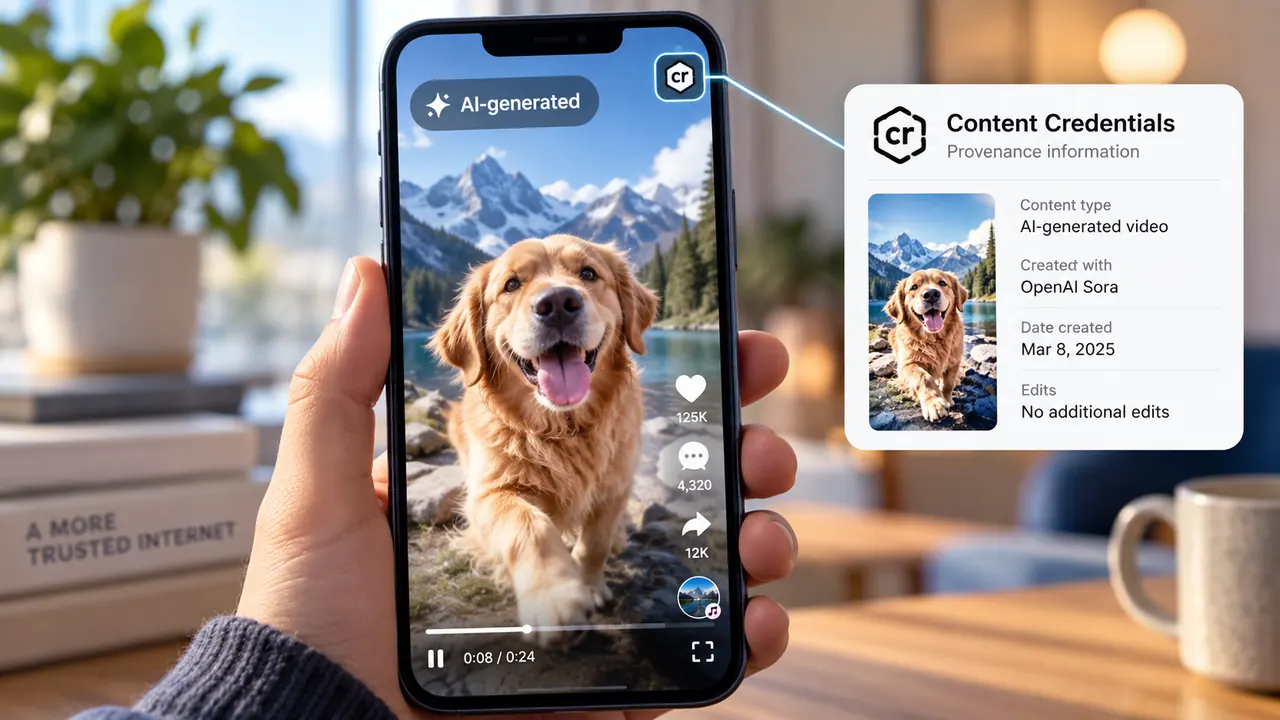
TikTok's refreshed guidelines went live September 24 with the AI-generated content labeling rules intact: visible disclosure required on synthetic visuals and audio depicting realistic people or scenes, enforced through C2PA Content Credentials that flag your uploads even when you don't self-declare. YouTube's May 27 update put the Shorts disclosure as an on-video overlay and auto-applies it when detection fires. Practical read — strip-the-metadata strategies don't work anymore, so disclose deliberately and control your own label.
Current reporting puts AI-generated Shorts RPM between three and ten cents per thousand views, so a million-view video lands somewhere between thirty and a hundred dollars. Channels doing one to five million monthly views clear twenty to three hundred dollars; ten to fifty million gets you two hundred to two thousand, heavily dependent on geography and niche. And the Partner Program bar is unchanged — a thousand subscribers plus ten million qualified Shorts views in ninety days.
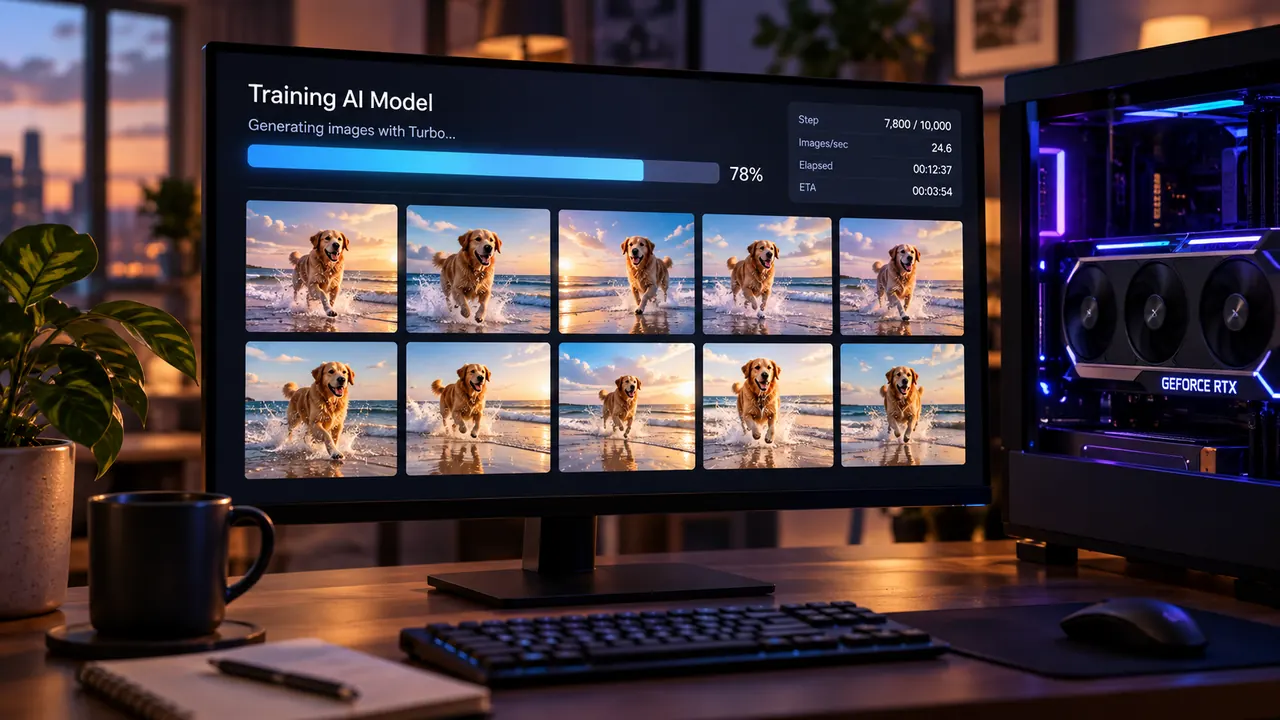
Released September 27, Fizgig v6.5 adds Qwen-Image 2.1 training with custom adapters and turbo previews, so you can iterate a character or style LoRA without waiting on a full bake. Its companion, ComfyUI-Fizgig-H3-Still from September 25, pulls true single-frame MiniMax H3 latents as stills from three to eight megapixels — meaning your keyframes and your video come from the same model, in the same latent space. Also landing this week: LanPaint 2.2.0 for transparency-aware Qwen inpainting, and a Qwen LoRA pack pairing anime character consistency with illustration-to-photoreal conversion.