Effective October 1, YouTube updated Shorts recommendations to "further prioritize original content and reduce the reach of content re-uploaded from other creators without adding anything of your own." Critically for AI creators, voiceover descriptions of what's on screen, minor technical edits, and template-based bulk changes no longer count as original — YouTube now wants commentary, analysis, and storytelling. Context for the crackdown: one audit found 21% of the first 500 Shorts served to a fresh account were AI-generated slop, with another 33% classed as brainrot.
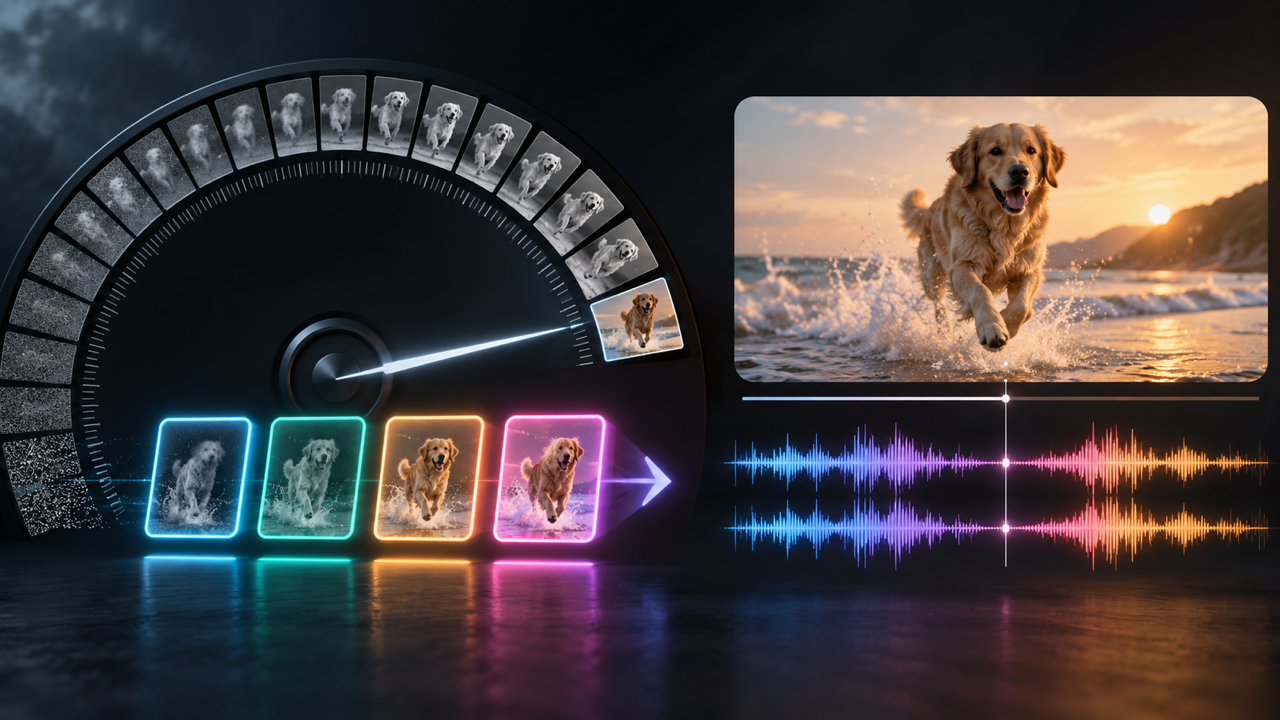
ByteDance and Texas A&M released DMAD on October 2 — a pair of rank-128 LoRAs (~1.4GB each) that distill the 50-step MiniMax H3 teacher into a 4-step generator producing 1344x768 video with synchronized stereo audio. On MiniMax-H3-33B, the four-step student wins human preference 79.1% over DMD2 and 84.6% over rCM for joint audio-video, excluding ties. Weights, inference code, paper (arXiv 2610.02188), and a Kijai ComfyUI conversion all landed the same day.
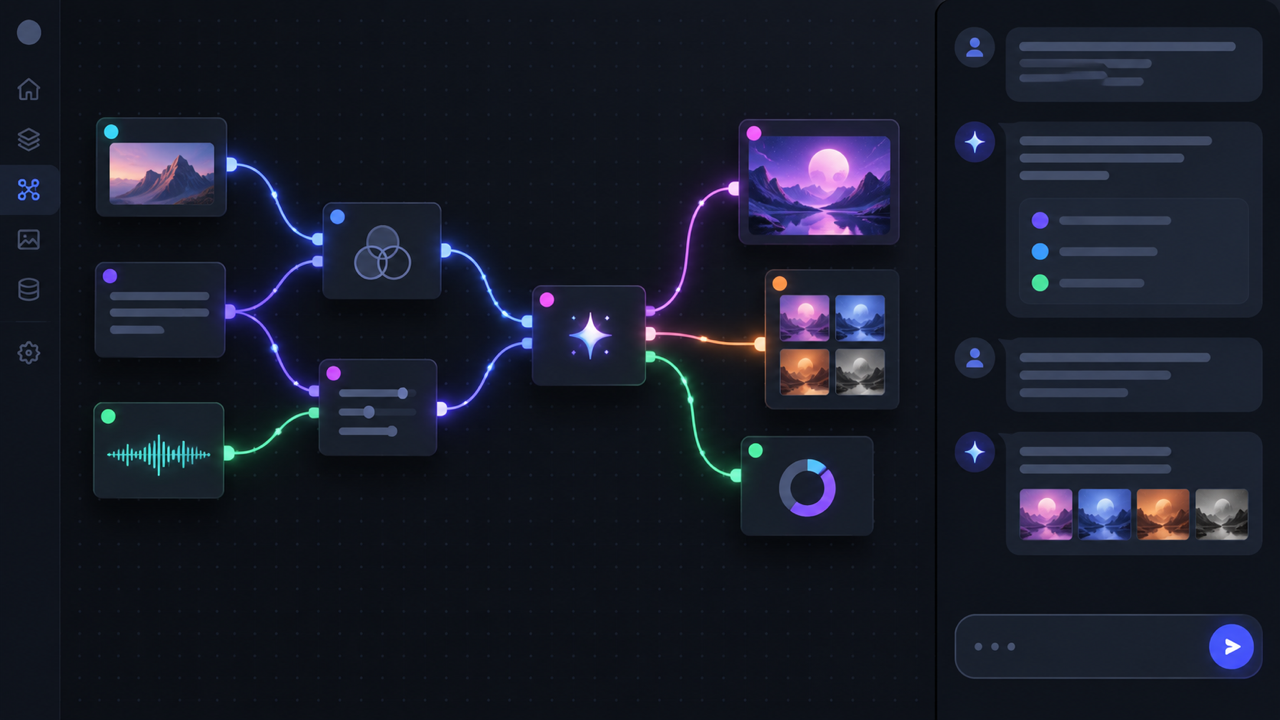
Comfy Org launched Comfy Agent on October 1, available to everyone on Comfy Cloud from day one. It plans the workflow, drops and wires nodes onto the canvas, runs the graph, and iterates when something breaks — with reusable skills and up to five parallel chats. A Comfy Desktop version is promised within weeks, and the team says local Comfy will go fully agentic, walking users through setup and picking models that fit their hardware.
OmniChar published official ComfyUI custom nodes on October 2 built around a portable .char file — a character descriptor bundling reference photos, the locked description, and usually a trained LoRA. The same identity reconstructs across MiniMax H3, Krea 2, FLUX.2 dev, and FLUX.2 Klein 9B/4B. That's the character-consistency problem solved at the file level instead of per-model.
The brief is blunt: open-source your favorite paid feature in two weeks. The challenge runs October 5 through 19, with a $10,000 grand prize and NVIDIA RTX 5090s for Most Practical, Most Entertaining, and Best OSS-only workflow. Bonus pools include $2,000 in API credits for Best VFX Workflow built with LTX and a Flux bonus track; submissions must use the Comfy Developer Platform, Comfy Cloud, or the local Comfy SDK and ship with an open-source license.
LongLive-Plug is a once-for-all distillation framework that learns few-step sampling, single-pass CFG, and long-context error correction as reusable LoRAs, then plugs them into downstream models with no retraining. NVIDIA verified it across 54 downstream models spanning three backbone families — Wan2.1-14B, Wan2.2-TI2V-5B, and MiniMax-H3 — across eight task categories including world modeling, robotics, and editing. Weights are on Hugging Face and there's already an unofficial ComfyUI integration for the Wan2.1-T2V-14B adapters.
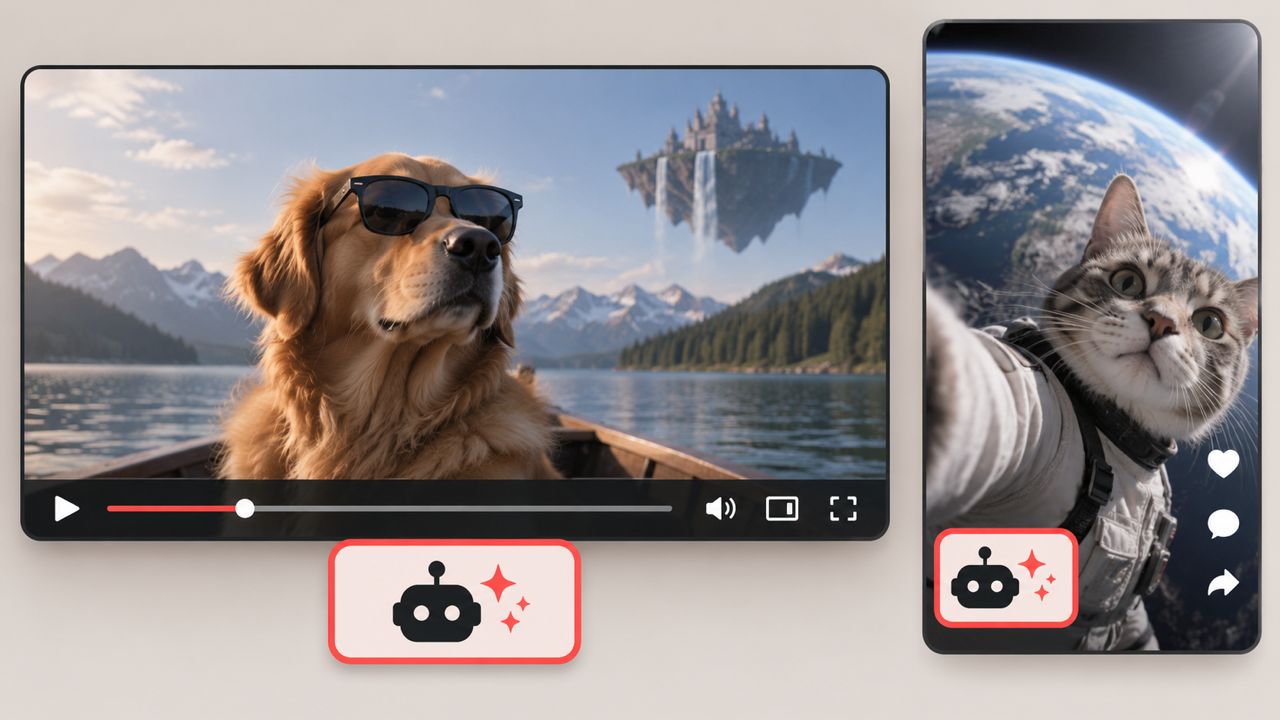
YouTube is rolling out automatic detection and more prominent disclosure labels — beneath the player on long-form, and as an in-video overlay on Shorts. TikTok's 2026 policy requires visible on-video labeling for AI-generated visuals and audio depicting realistic people or scenes, and uses C2PA Content Credentials to detect synthetic media even when creators don't self-disclose. Caption-only disclosure no longer satisfies either platform.
Lightricks' LTX-2.5 tops video generation trending with 6.2K likes and 1.6 million downloads — the most adopted open video model this week. It's a unified diffusion model covering image-to-video, text-to-video, and video-to-video, and the September 29 native-resolution update added tiled 4K and 8K editing via Tiled Fusion plus new Refine and Restore IC-LoRAs. Lightricks is also a named partner on the Comfy challenge, so expect LTX workflows to flood the feed over the next two weeks.
Wan 3.0 is genuinely strong — it leads the Artificial Analysis text-to-video leaderboard, runs 30-second single-pass clips with native audio, and is now available natively in ComfyUI. But the widely repeated claim that Alibaba shipped Apache-2.0 open weights in 1.3B and 14B flavors appears in no Alibaba announcement: no model card, no confirmed parameter count, no broadly available weights. Plan your pipeline around API access, not a local checkpoint, until a model card actually exists.
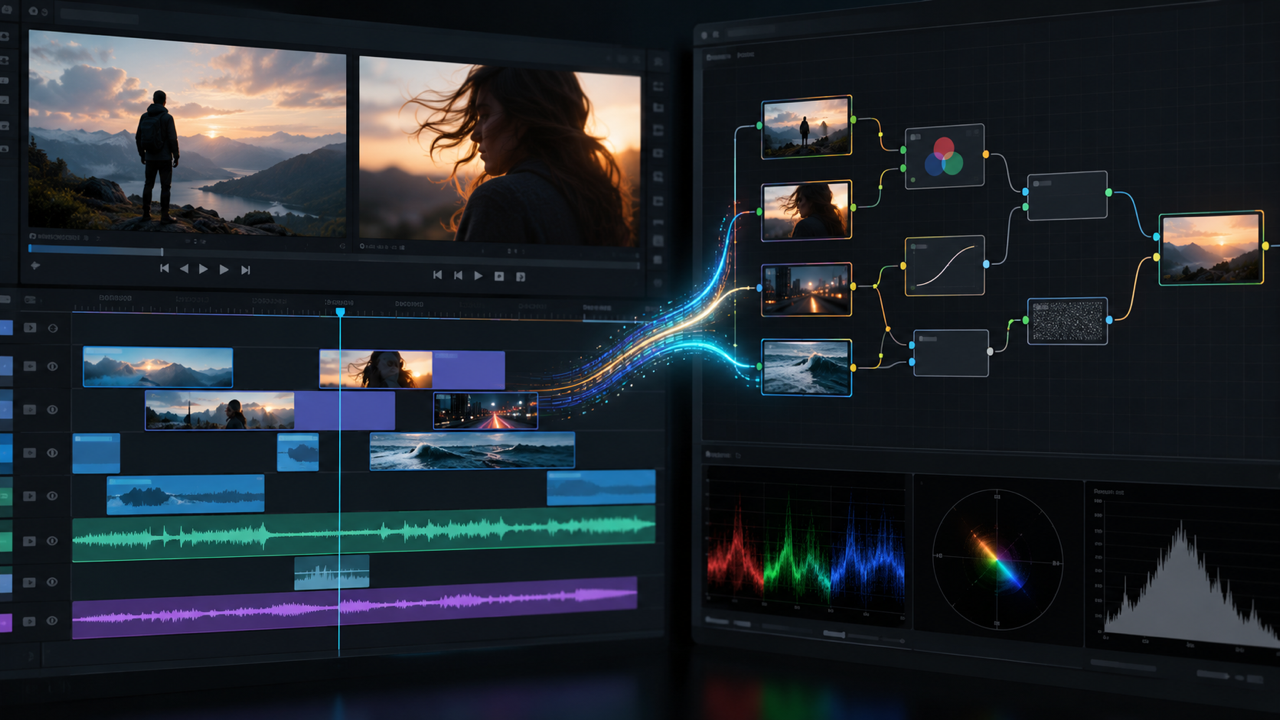
Vlo 0.3 is a free, open-source video editor with a live ComfyUI timeline bridge — H3 and Qwen workflows, SAM2 masking, color grading, and frame-accurate export, all without round-tripping through Resolve or Premiere. It landed alongside a cluster of Qwen-Image 2.1 tooling: Turbo8 (8-step distillation with no CFG), Viggle Turbo v0.3 (6 and 9-step with official nodes), and a community consistency LoRA that stops stray repainting outside the edit region.