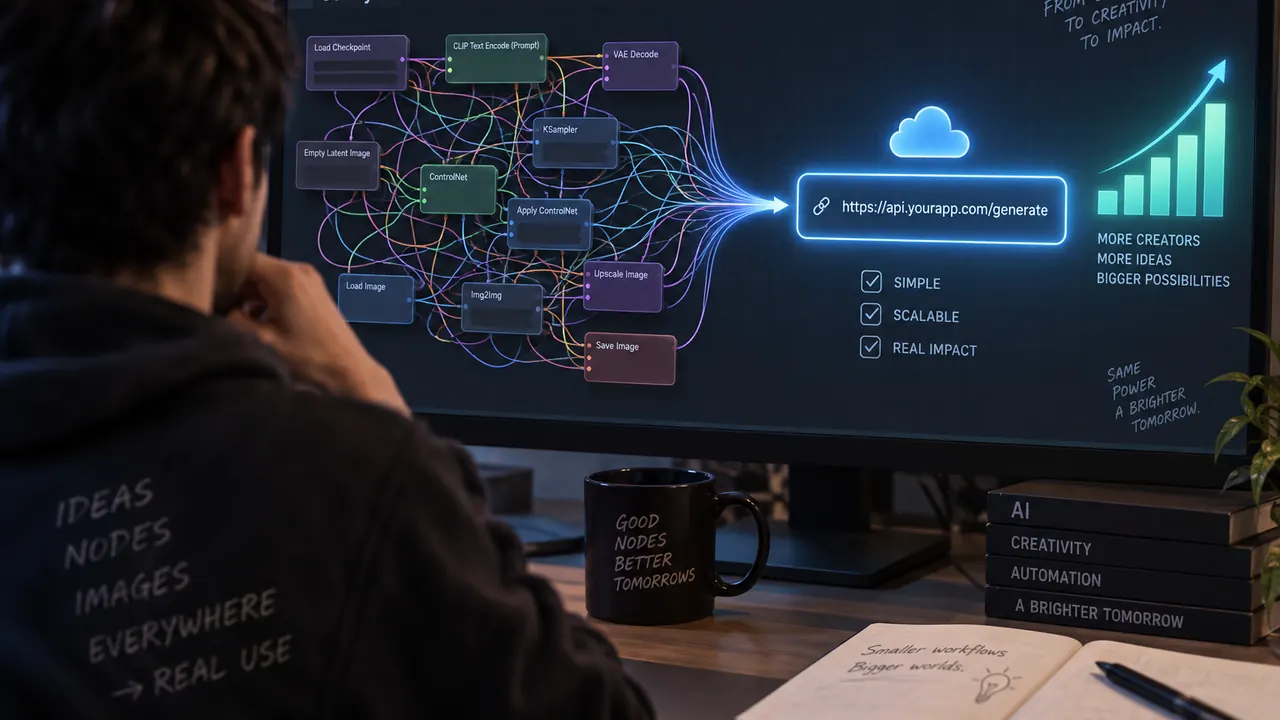
Comfy Org shipped Comfy API yesterday, September 30, to everyone on a paid Comfy plan. The Builder reads your graph, resolves custom nodes, LoRAs, models, ComfyUI version, and Python deps, then cuts an immutable release you deploy as an autoscaling endpoint with its own URL. Builds, spend, and API keys all live in one console at platform.comfy.org — which kills the "rent a GPU and rebuild the environment" tax that has blocked solo creators from productizing a workflow.
HeyGen's prompt-to-video model generates subject, setting, and synced audio — dialogue, ambience, SFX — in a single API call, returning 5 to 15 second clips. It turned a 10-second image-to-video in about 3.7 seconds, and pricing is $0.01/second through October, half the standard $0.02. That's a dime for ten seconds, which puts volume ideation inside almost any budget.
The new rules took effect September 24 and the penalties are real: content showing realistic scenes or people made or significantly altered with AI must be labeled, and three unlabeled AI videos triggers roughly a 60% reach reduction for 30 days plus a temporary Creator Fund suspension. TikTok's systems will also label or restrict on their own. Separately, the "reduce AI content" slider in Manage Topics lets your audience opt out of you entirely.
Wan 3.0 sits at number one on the Artificial Analysis text-to-video board, generating 30-second clips in a single pass with native audio. Here's the catch a lot of coverage is getting wrong: Alibaba's own model page says "Open Source: No." There are no Hugging Face weights, no GitHub repo, and the ComfyUI integration that shipped via Partner Nodes calls the hosted API — not local weights. Plan your pipeline accordingly.
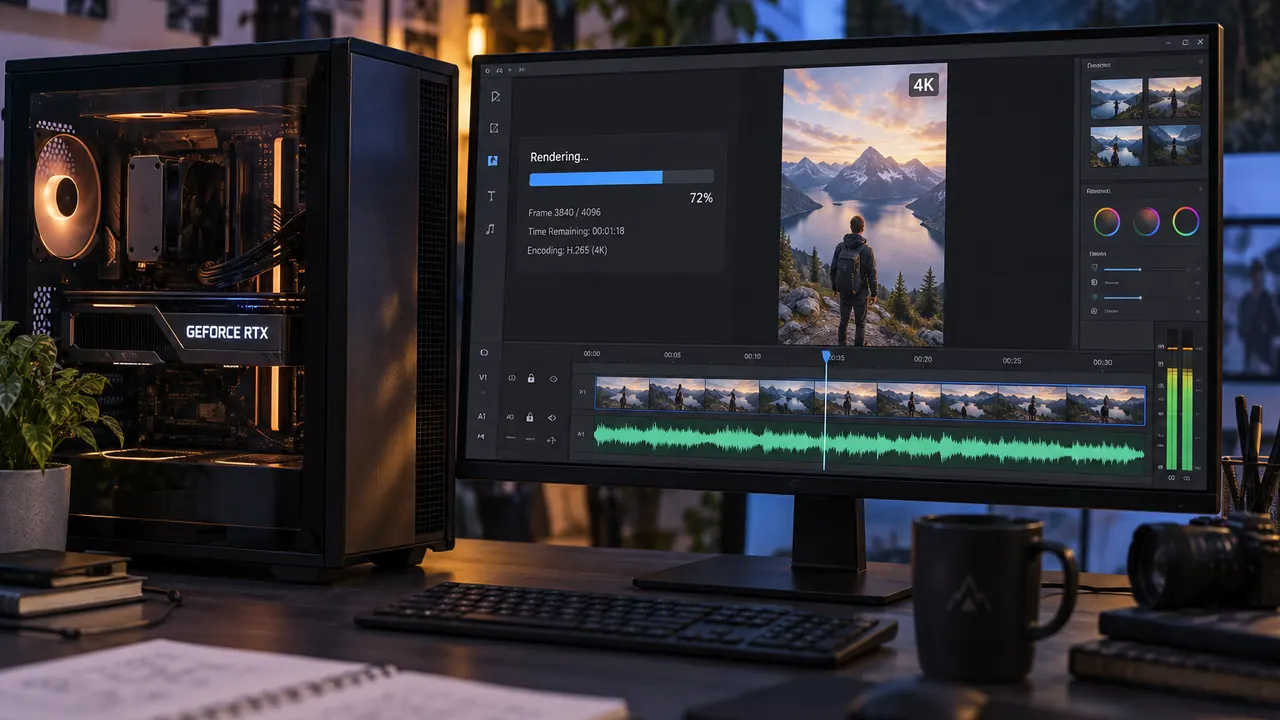
Lightricks' 22B Diffusion Transformer generates video and synchronized audio in one pass — still the only open model doing that — at up to 4K/50fps, with native vertical format and a desktop editor that runs the whole thing on consumer hardware. Weights are on Hugging Face in Dev and Distilled variants. With Wan 3.0 locked behind an API, this is the serious local option.
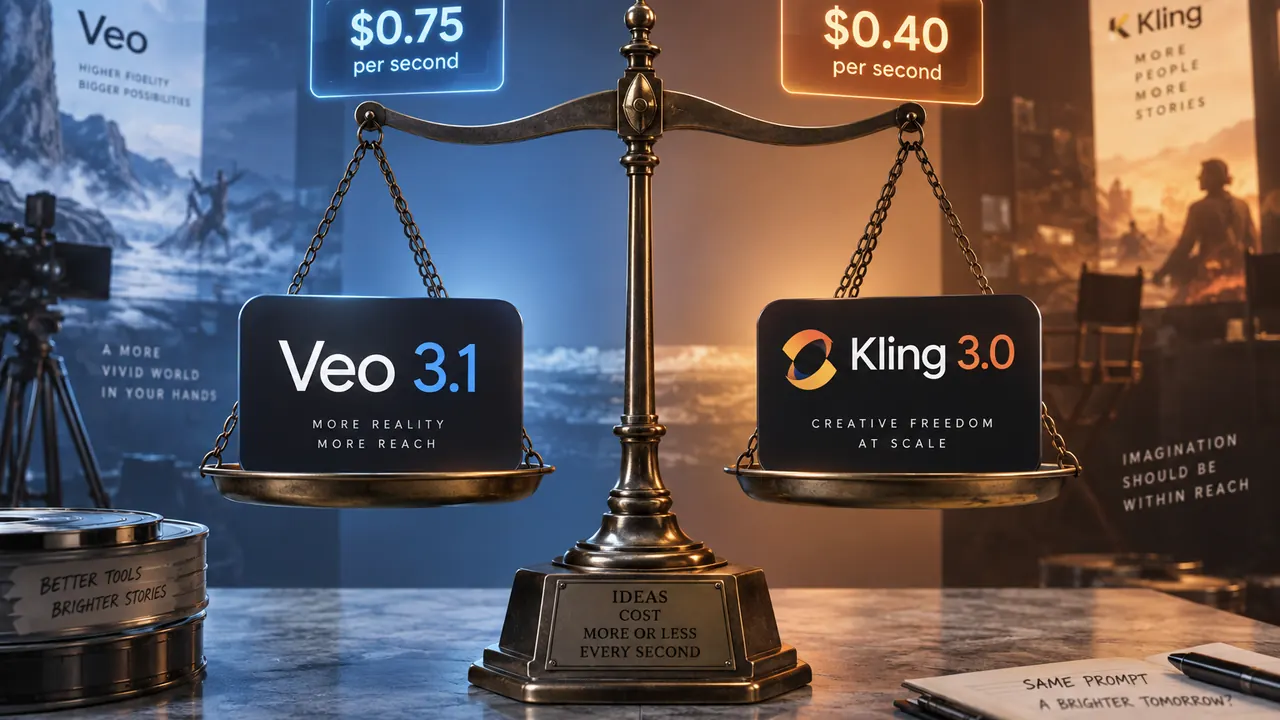
Veo 3.1 runs $0.40/second at 720p–1080p and $0.60/second at 4K through the Gemini API, with Veo 3.1 Fast at $0.10/second and Lite at $0.05/second. Kling 3.0's multi-shot storyboard mode lands around $0.10/second, with paid tiers from $10 to $180 a month carrying commercial rights. Kuaishou reported Kling past $300M annualized revenue and 60 million creators earlier this year. Veo for hero shots, Kling for volume.
OpenAI shut the Sora consumer app April 26 and the API sunset landed September 24. Sora is off the shortlist entirely, and any project still routing through it needs a migration plan this week. The practical replacements are Veo 3.1, Kling 3.0, Runway Gen-4.5, or LTX-2.3 locally.
Tongyi-MAI's 6B single-stream Diffusion Transformer hits quality competitive with much larger models in just 8 NFEs, with sub-second inference and a footprint that fits in 16GB VRAM. It's clearing 110,000 monthly downloads, handles bilingual English/Chinese text rendering, and there's already an AI on the Lot t2i-plus-upscale template in the ComfyUI workflow library.
Meta renamed the "AI creator" badge to "AI-generated profile" and began limiting reach for accounts featuring AI-generated people who don't disclose it. Critically, creators who do apply the label are not penalized for it. Every public Reel and Feed post is now processed by an LLM and scored across topic and tone, and saves, shares, and watch time still rule regardless of who or what filmed it.
fal Agent — now open to everyone, credit add-ons from $200/month — picks the best model per task, carries characters and style across generations, and holds project memory for weeks. Pexo turns a URL or PDF into a finished launch video with per-shot model selection, voiceover, music, and captions. NVIDIA's VSS Blueprint 3.3 added a Build Vision Agent skill that composes video-agent workflows from one prompt. The unit of work is shifting from "a generation" to "a production."