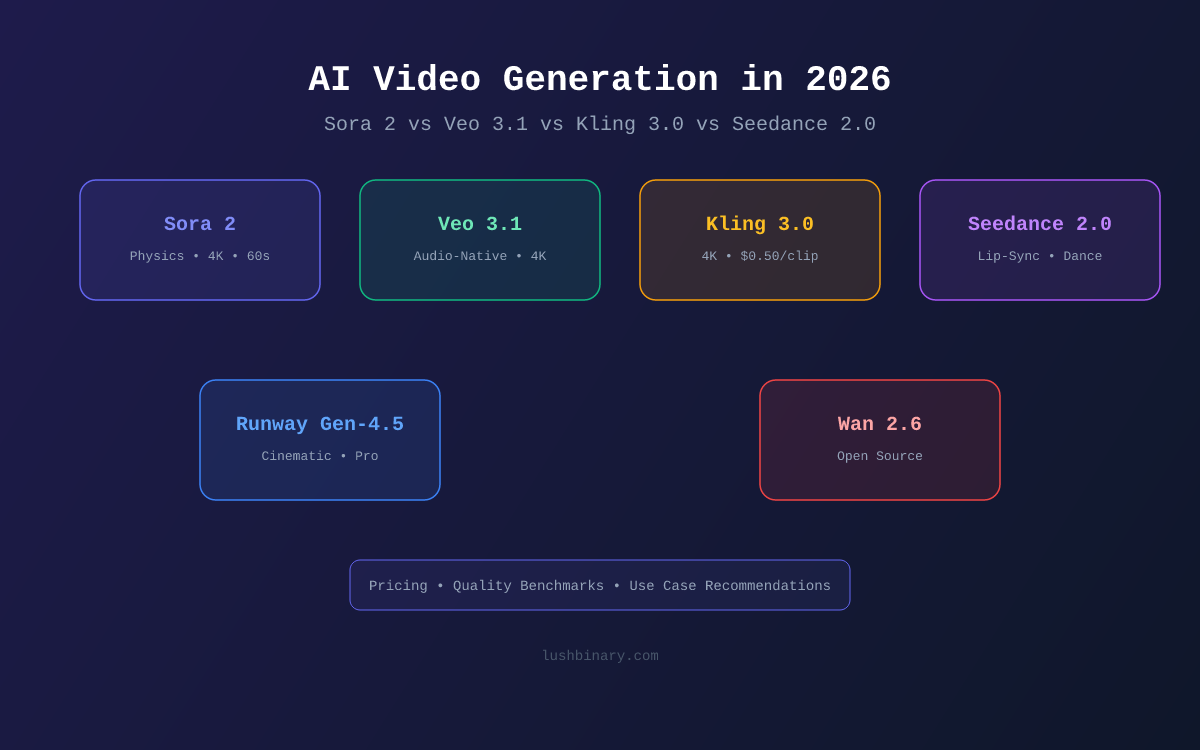
OpenAI's Videos API, including sora-2 and sora-2-pro, shuts off September 24, 2026, completing the two-stage sunset that killed the web app back on April 26. Unlike most deprecations, OpenAI named no successor video endpoint — the deprecation notice points image users to gpt-image-1 and leaves video devs stranded. If you have generated content still sitting in Sora, export it at sora.chatgpt.com/sunset before the window closes permanently.
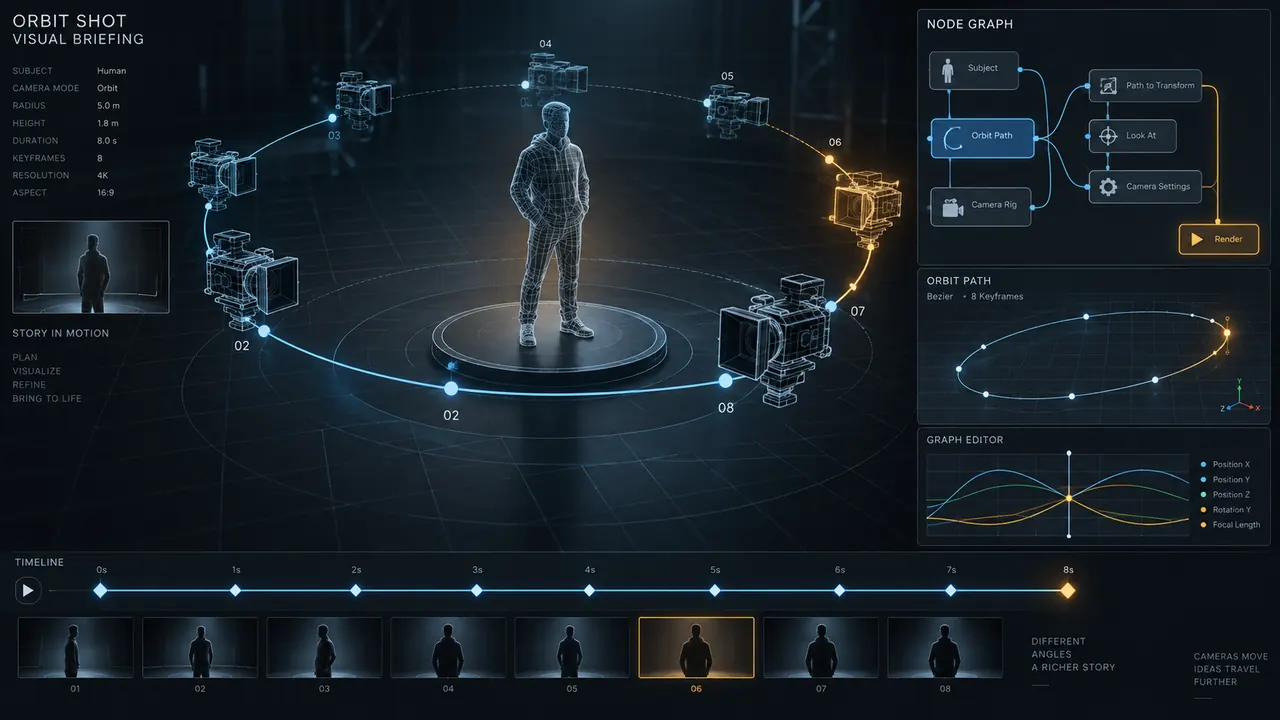
Dropped September 13, a new ComfyUI custom node called Camera H3 turns manual camera moves into H3 prompts via keyframes and orbit controls, giving you actual trajectory authoring instead of praying the prompt lands. This is the missing control layer for the model that currently ranks number one in video editing with audio on Artificial Analysis. Pair it with the VDN-H3 Turbo distill and you have directable camera work at eight steps.
Posted September 10, the VDN-H3 Turbo release brings an eight-step LoRA distillation for MiniMax H3, plus pruned variants and an INT8 ConvRot checkpoint. That's a dramatic iteration-cost cut on a 33B omni-modal model that natively outputs up to 2K at 24fps with stereo audio. Combine with the Core Sparse Attention node and Comfy Compiler that landed September 6 and consumer-card H3 stops being a fantasy.
Released September 12, this free image-to-video adapter for LTX 2.5 lets you paint a keyframe and get art-directable smoke, steam, and fire out the other side. That's a genuine post-production workflow — you control the shape of the element rather than rolling the dice on "volumetric smoke, cinematic." For anyone doing product or title work, it replaces a Houdini sim with a paint pass.
The September leaderboard refresh puts Kuaishou's Kling v3 on top at 1,934, ahead of Alibaba's Happy Horse 1.0 at 1,816 and ByteDance's Seedance 2.0 Fast at 1,747. Kling 3.0 launched February 5 and has stayed the highest-ranked broadly-available flagship on the with-audio board while undercutting Western pricing substantially. Veo 3.1 is still the brand-safe Western default, but it's no longer the quality argument.
A September 14 survey tracks LinkedIn, Reddit, TikTok, YouTube, Instagram, Facebook and others all running enforcement on synthetic media. YouTube's January 2026 disclosure mandate came with teeth — it terminated 16 channels totaling roughly 35 million subscribers under the inauthentic content policy, and clarified the monetization boundary in July. The target is mass-produced templated slop with no human input, not AI-assisted production.
Meta unified AI policy across Instagram and Facebook in February 2026, requiring in-post disclosure separate from the caption. The sharper edge is Instagram's Original Content Guidelines: an account posting primarily unoriginal reels or sequences "may not appear in recommendations to new audiences." That's not a strike — it's a silent cap on cold reach, which matters more to growth than any label ever will.
Released September 10, v0.35.1 brings the Tripo v3 API migration with a Smart Segment node, Microsoft MAI Image 2.6 with auto aspect ratio, Gemini 3.8 Flash support, and workflow templates at v0.11.59. The preceding v0.35.0 on September 9 added Pixal3D Multi-View for textured mesh reconstruction and SenseNova U1.5 with native pixel-space generation and multi-reference editing. If you're pinned to an older build for a plugin, that's a growing list of native features you're leaving on the table.
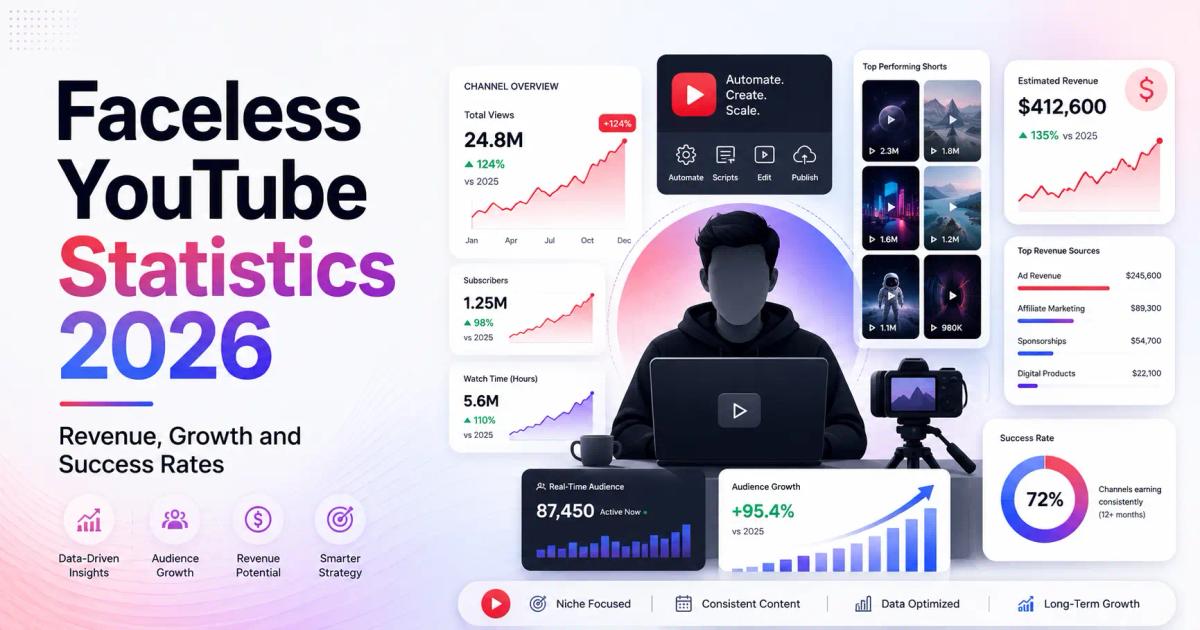
Fresh 2026 data puts faceless channels at 38 percent of all new creator monetization ventures, up from 12 percent in 2022 — a 217 percent jump in three years. The revenue spread is brutal though: finance and investing tops out around 8,000 to 25,000 dollars monthly at 500K views with affiliates layered in, while AI tools and tech news lands at 6,000 to 16,000. Channels that diversify report AdSense as only 30 to 50 percent of total income.
Shipped September 10, the rebuilt WAS suite ditches external dependencies entirely while packing 463 nodes, Three.js 3D rendering, and built-in video comparison tooling. Zero-dependency matters more than it sounds — dependency hell is the single most common reason a working ComfyUI install breaks after an update. The video comparison nodes alone save a round trip to a separate editor for A/B checks.