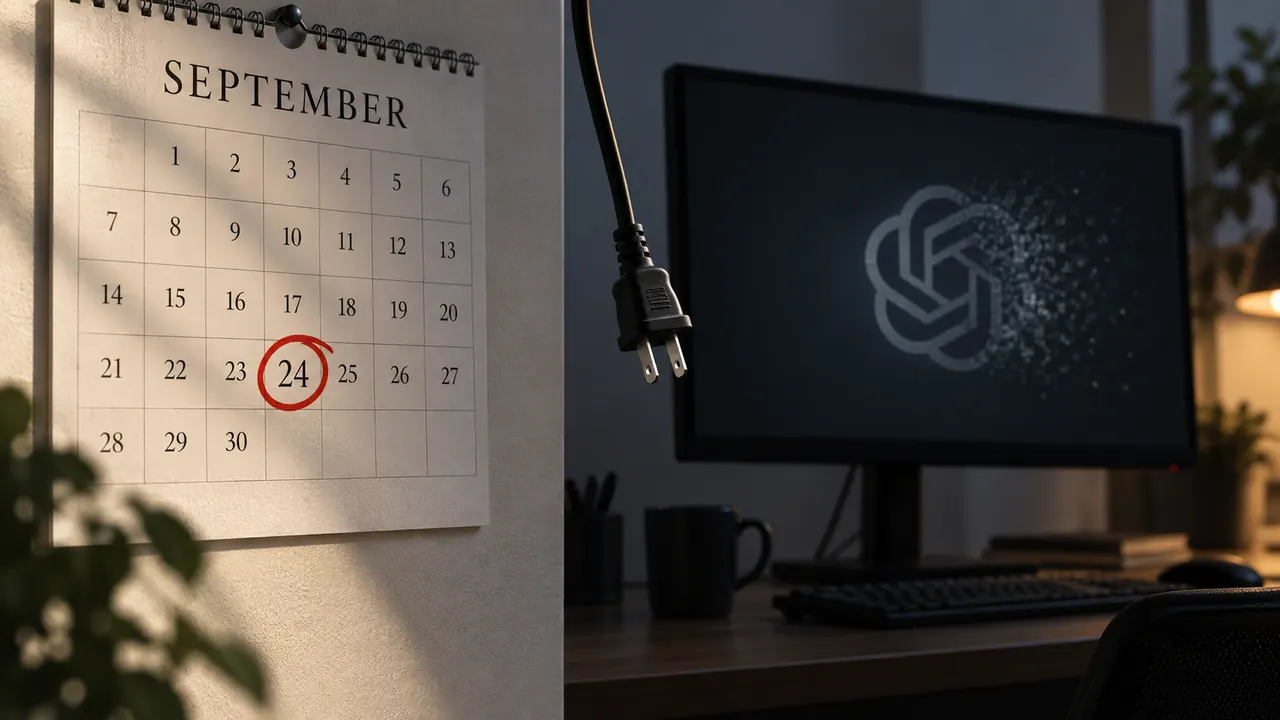
OpenAI pulls the Videos API and every Sora 2 generation model (sora-2, sora-2-pro, and all dated snapshots) on September 24, 2026. There is no replacement product and no Sora 3 timeline — the deprecation table's "recommended replacement" column is literally empty. Closest feature parity is Veo 3.1; Kling 3.0 is the cheapest swap; Runway Gen-4.5 if your workflow is editing-led.
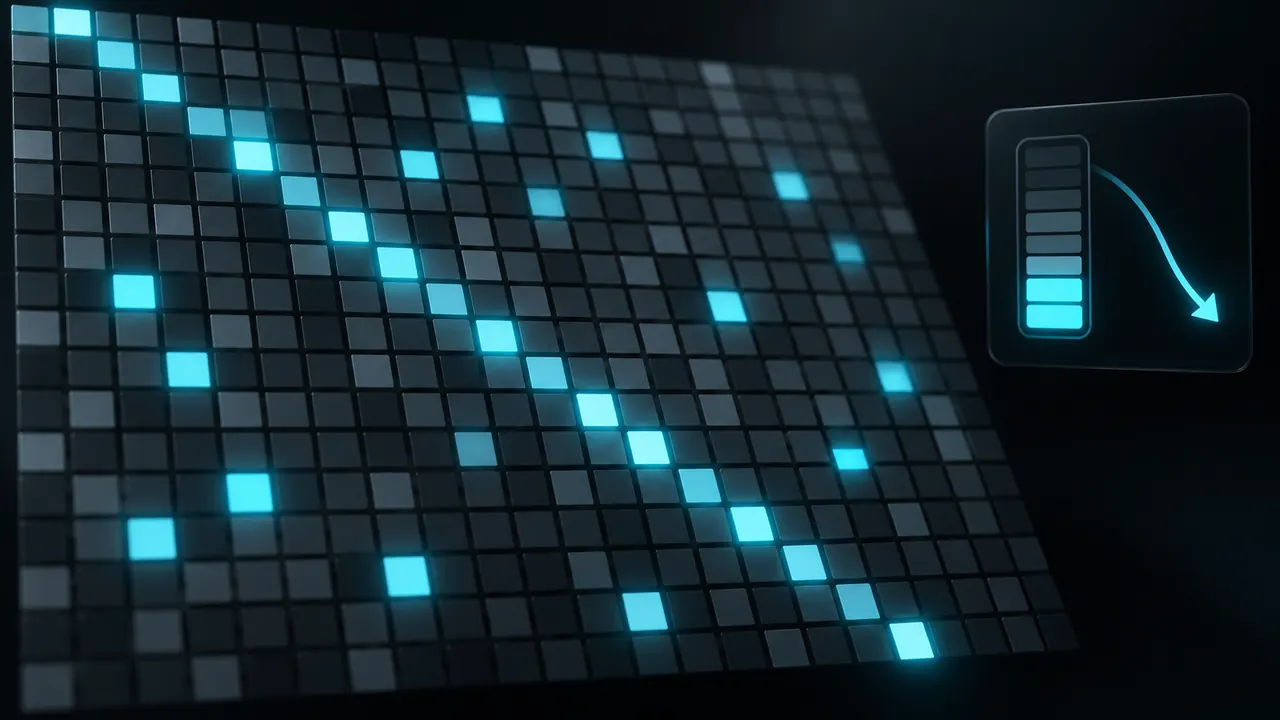
Kijai's block sparse attention merged into ComfyUI core (PR #16072, September 6) with three backends — Sol-Attn, SLA, and VSA — behind a single combo box, alongside the new Comfy Compiler (PR #15861, merged September 5) that cuts CUDA allocation overhead. Speed-up scales with sequence length, which is exactly the ten-second MiniMax H3 regime. A community R2V workflow is already reporting 0.6MP at 10 seconds in 3 minutes 12 seconds on an RTX 3080 with only 10GB of VRAM.
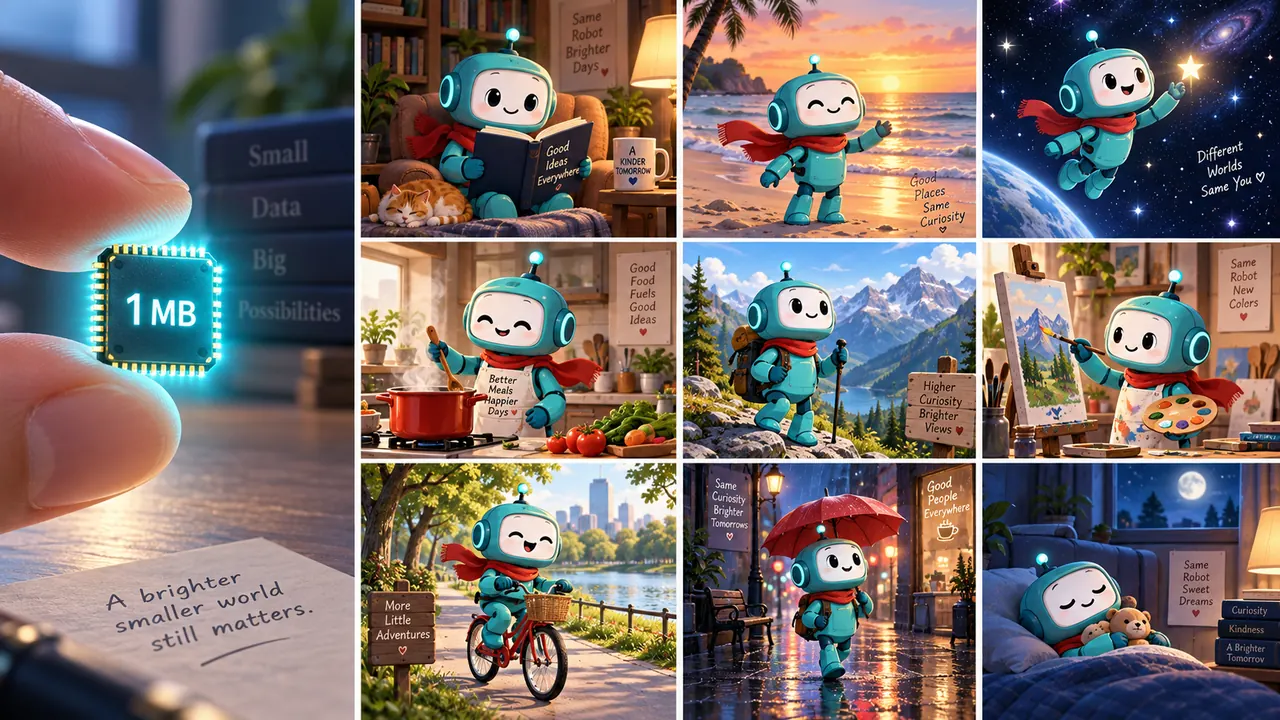
Dropped September 5 — RefMods are one-megabyte conditioning adapters for MiniMax H3. Encode a character once, load it like a LoRA in ComfyUI, and reuse it across unlimited generations. For anyone running a recurring-character channel, this is the character-consistency problem solved at essentially zero storage cost.
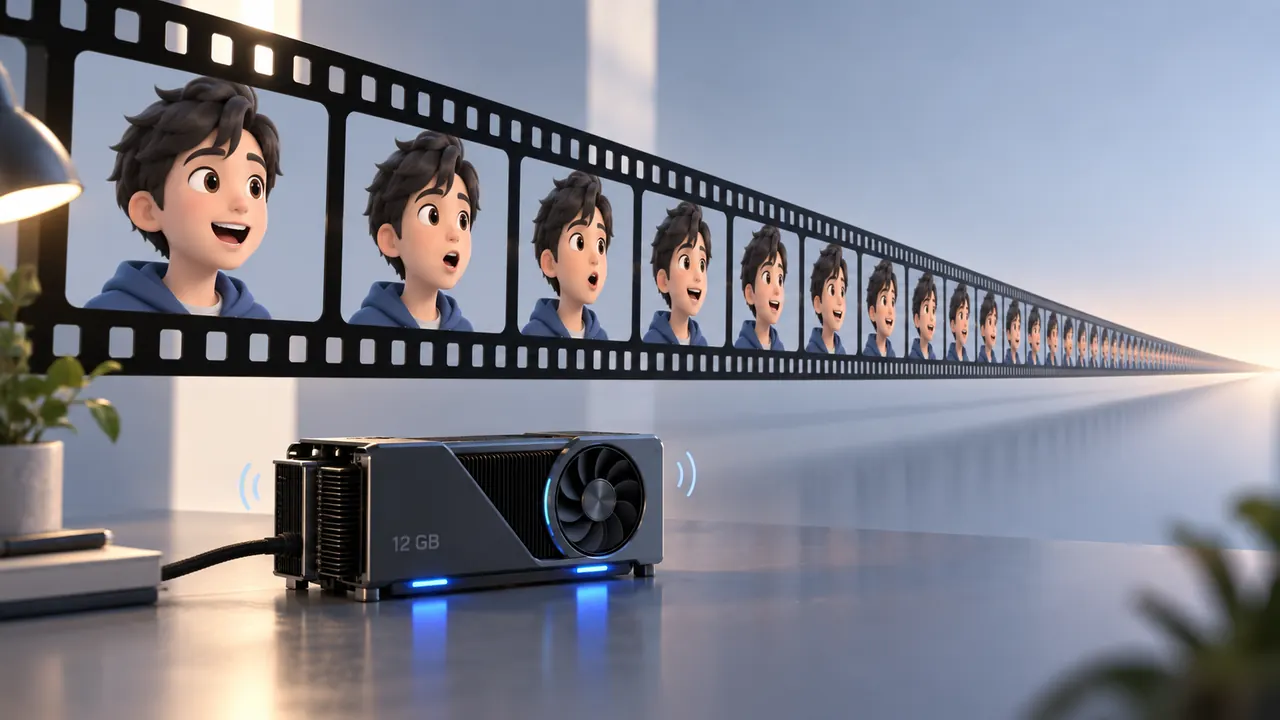
Released September 2, this node chains H3 generations into unlimited-length lip-synced video and runs on 12GB GPUs. H3 itself is a 33B omni-modal model producing up to 2K/24fps with native stereo audio, and it currently ranks #1 in Video Editing with Audio on Artificial Analysis. Note the license carve-out: local deployment excludes the US, EU, UK, and South Korea, so most Western creators are hitting it through hosted endpoints.
The September 5 release adds beta nodes that run curated Flux 2, Z-Image Turbo, Mage Flow, MiniMax H3, and Music 3 workflows on Comfy Cloud GPUs. Combined with v0.34.4 the day prior — Meta Muse Image 1.0 text-to-image and edit nodes taking up to 10 reference images across 14 aspect ratios, plus H3 Max and H3 Max Turbo variants — that's a lot of rented horsepower for anyone without a 4090 under the desk.
New applicants will need 8,000 qualified watch hours or 20 million qualified Shorts views — a steep jump from current thresholds. The inauthentic content policy targets mass-produced, repetitive, templated uploads, not AI tools themselves, and disclosure runs through the "AI use" toggle in Studio at upload. If you're not already monetized, the window to get in under the old bar is closing.
Bloomberg reported September 7 that ByteDance is readying a model for real-time spatial video generation, with founder Zhang Yiming personally overseeing development and a launch possibly as soon as next month. It targets world-model territory against Meta and Alphabet — robotics and autonomous systems first, but the generation stack underneath is the same one feeding Seedance.
Alibaba launched Wan 3.0 in public beta on August 6, 2026, but reporting is contradictory on weights — several trackers say the flagship shipped API-only with no Hugging Face repo, no GitHub, no ComfyUI node, and that the open Wan line still terminates at Wan 2.2 under Apache 2.0. What did ship openly in July were ecosystem models: WanSong for text-to-music, Wan-Dancer-14B for music-to-dance, and Wan-Streamer for real-time streaming. Treat "Wan 3.0 local" claims with heavy skepticism until weights actually appear.
Since March 2026 all AI-generated video must carry TikTok's built-in label, and the automated detector scans voice patterns, visual artifacts, frame consistency, and metadata signatures from known AI tools. Flagged videos go to mandatory human review before publication — meaning an undisclosed upload doesn't just risk a strike, it risks a publishing delay that kills a trend window.
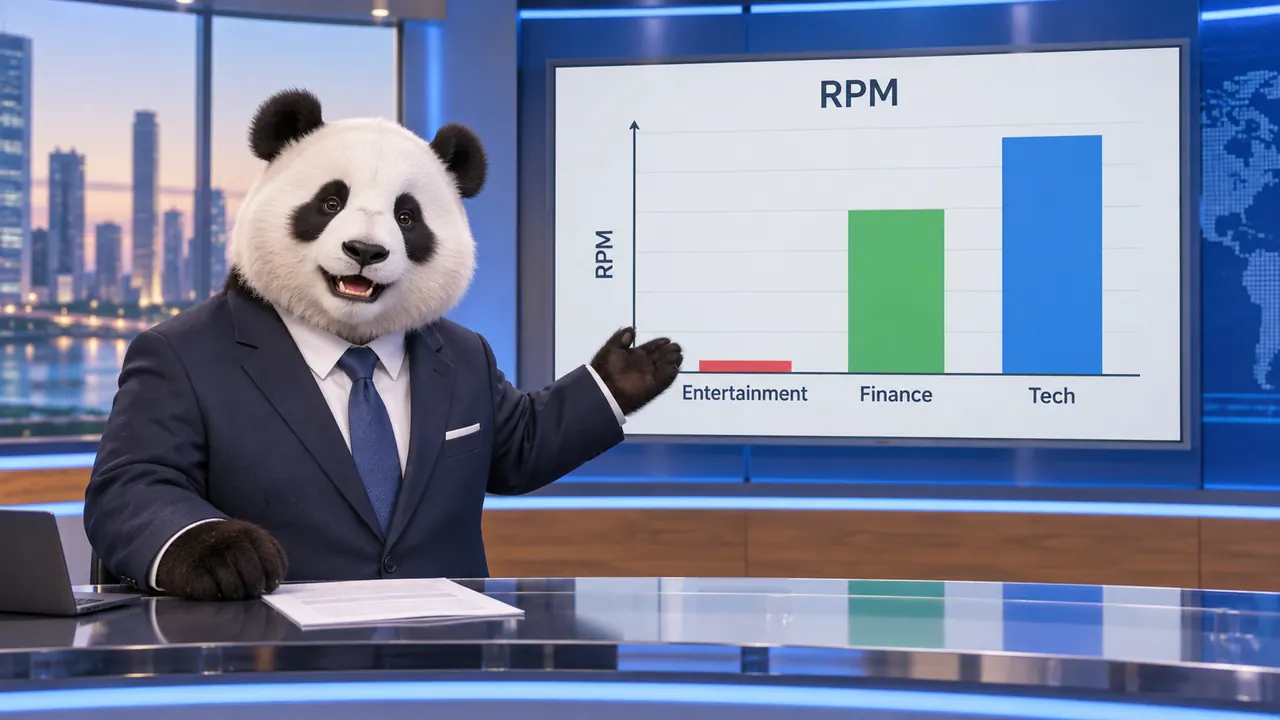
Current published rates: TikTok's Creativity Program pays roughly $0.50 to $1.50 per thousand qualified views; YouTube Shorts lands at $0.03 to $0.13 per thousand. Niche matters more than volume — finance and AI/tech RPMs run $10 to $35 per thousand versus $1 to $4 for entertainment. Documented case studies cluster around $1,400 to $1,800 a month at the 80K-to-150K follower mark, with the bulk coming from brand deals and product sales, not creator funds.