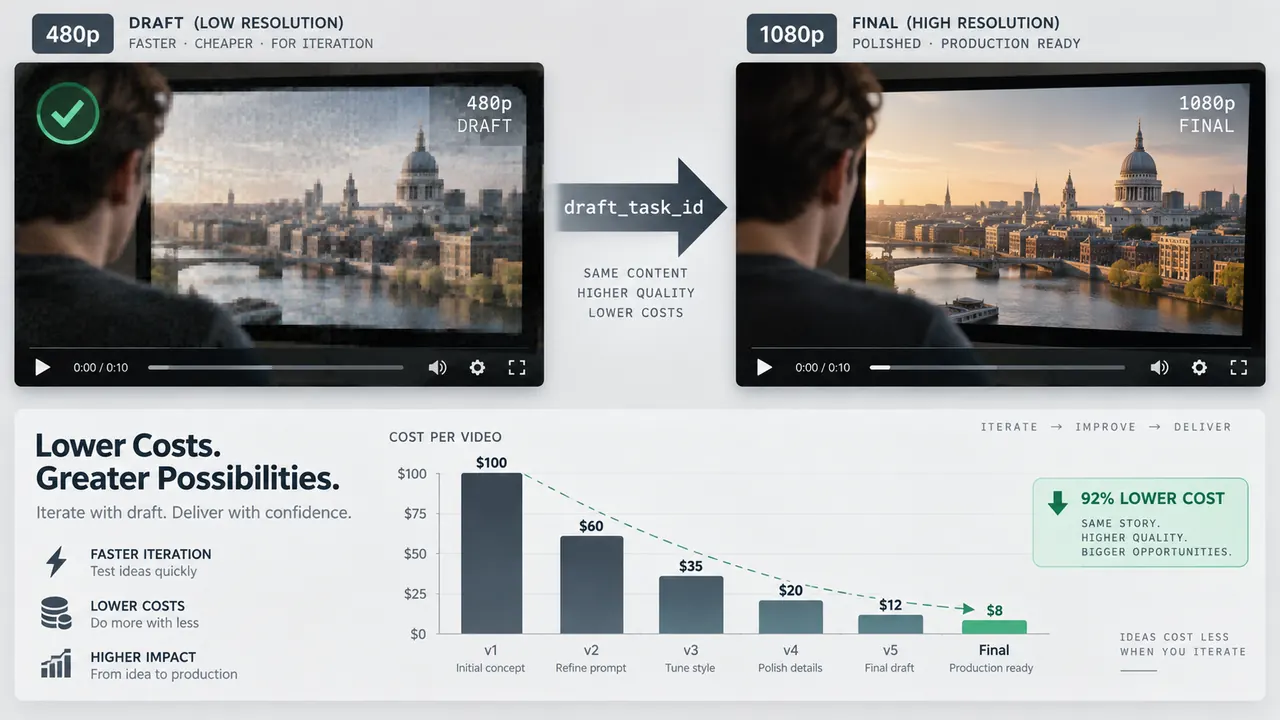
ByteDance shipped a two-pass workflow: render a 480p draft to lock composition, motion, dialogue and camera, then promote the approved draft to native 1080p reusing the same scene, references, duration and audio settings. ComfyUI merged three nodes plus a new "Seedance 2.5 Draft to Final Video" node and three official templates; each draft returns a draft_task_id that stays renderable for seven days. On a 5-second 1080p job averaging four attempts, ByteDance claims 57% cost reduction and roughly double the throughput, climbing toward 77% on heavier iteration loops.
September 24 was the terminal date for sora-2, sora-2-pro and the entire Videos API. OpenAI's own migration table left the "recommended replacement" column blank, and there is no grace period or rolling deprecation. If you still have a pipeline pointed at those endpoints it is failing right now; exports from the consumer app closed out earlier, and deleted data does not come back.
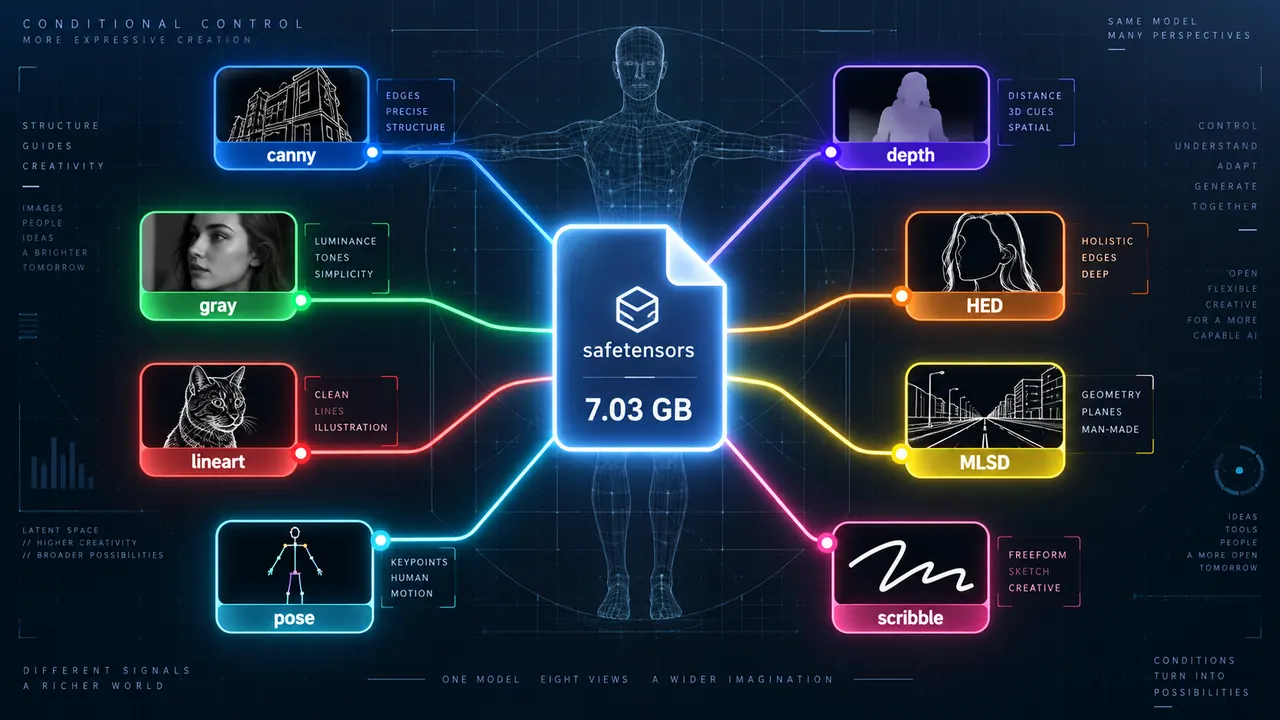
Alibaba PAI's Qwen-Image-2.1-Fun-Controlnet-Union packs canny, depth, grayscale, HED, lineart, MLSD, pose and scribble plus masked inpainting into a single 7.03GB safetensors with a 16-block control branch. Kijai's support PR landed in Comfy-Org/ComfyUI #16519, so no more per-condition downloads or juggling separate checkpoints. For anyone doing keyframe-conditioned video where structural control on the still is the whole ballgame, this closes the biggest gap in the 2.1 stack.
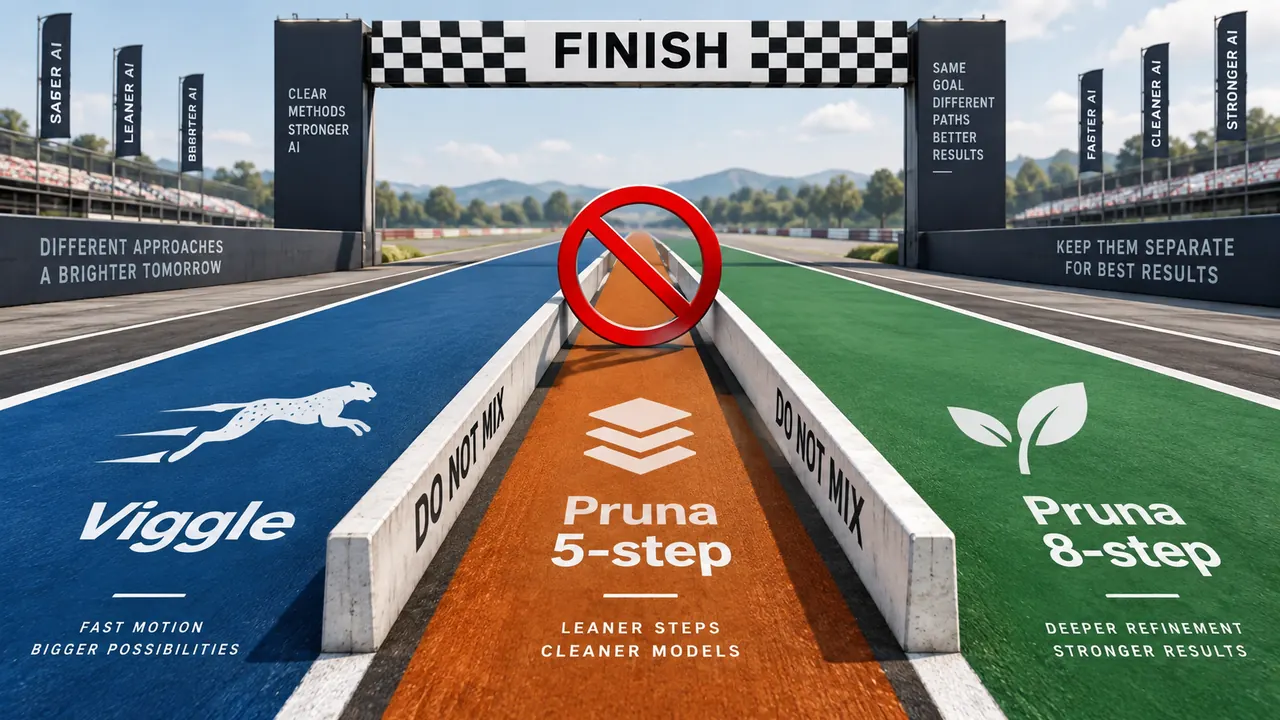
Viggle's Turbo v0.2 is a DMD distill shipping as a rank-256 LoRA that runs 5 steps with no CFG — roughly 5x faster end-to-end than the 40-step base and close in quality. Pruna's parallel line offers 5-step and 8-step adapters, with the 5-step visibly worse, and each adapter demands its own sigma schedule (the 5-step wants sigmas 1.0, 0.94, 6/7, 2/3, 0.4). Critical gotcha: the three distillation families are not interchangeable — pick one and match its sampler exactly or you'll get mush and blame the model.
The original Qwen-Image shipped Apache 2.0. Version 2.1, released September 20 as a 7B unified DiT with native RGBA transparency via a 64-channel VAE, 10 reference images and 2K output, arrived under a research-only license that bars commercial use without a separate grant. Day-zero support in ComfyUI, Diffusers, vLLM-Omni and SGLang makes it trivially easy to build a client pipeline on weights you can't legally bill against.
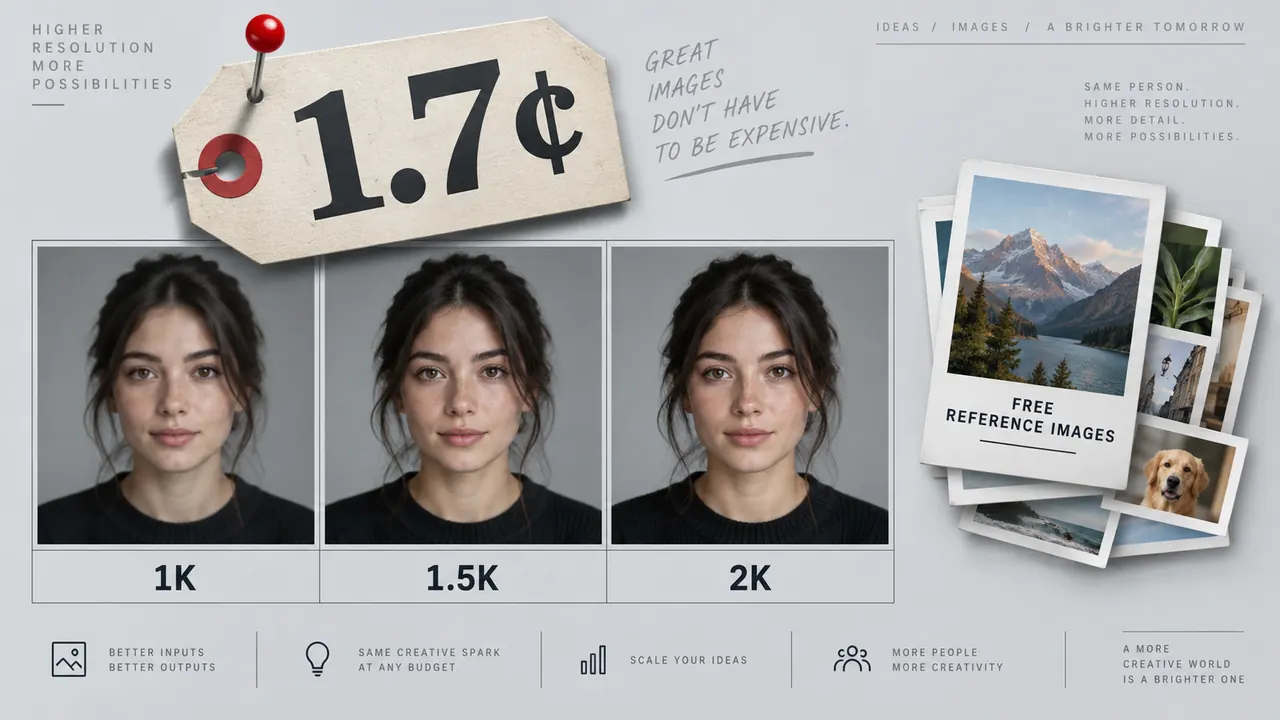
ByteDance's speed tier merged into ComfyUI partner nodes on September 24 (Comfy-Org/ComfyUI #16522). Pricing is identical at 1K, 1.5K and 2K, and reference images are free — versus $0.045 standard and $0.09 high-res for Seedream 5.0 Pro. For bulk keyframe and thumbnail generation where you're burning hundreds of stills to feed an image-to-video stage, that's a roughly 2.6x cost delta on the cheapest useful resolution.
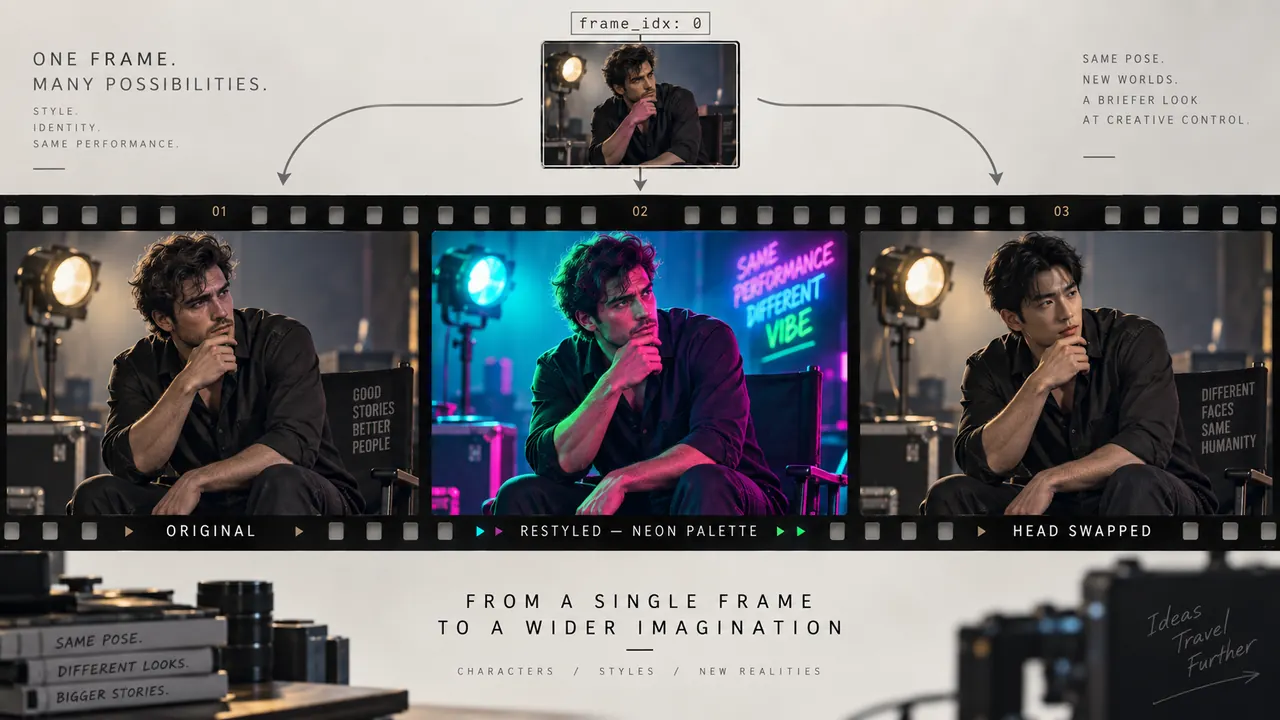
September 22 brought minimax_h3_vfx_edit_v1.0 alongside Style Transfer and Head Swap adapters, all driven through MiniMaxH3AddGuide with an aligned source video at frame_idx 0. Key-art mode transfers background, palette and lighting while preserving the original performance; character-swap mode goes after subject identity. ControlNet Union 2.0 added Scribble, Layout and Gray controls the same day — and remember H3 only accepts frame counts on the 17n+5 ladder: 5, 22, 39, 56, 73, 90, 107, 124.
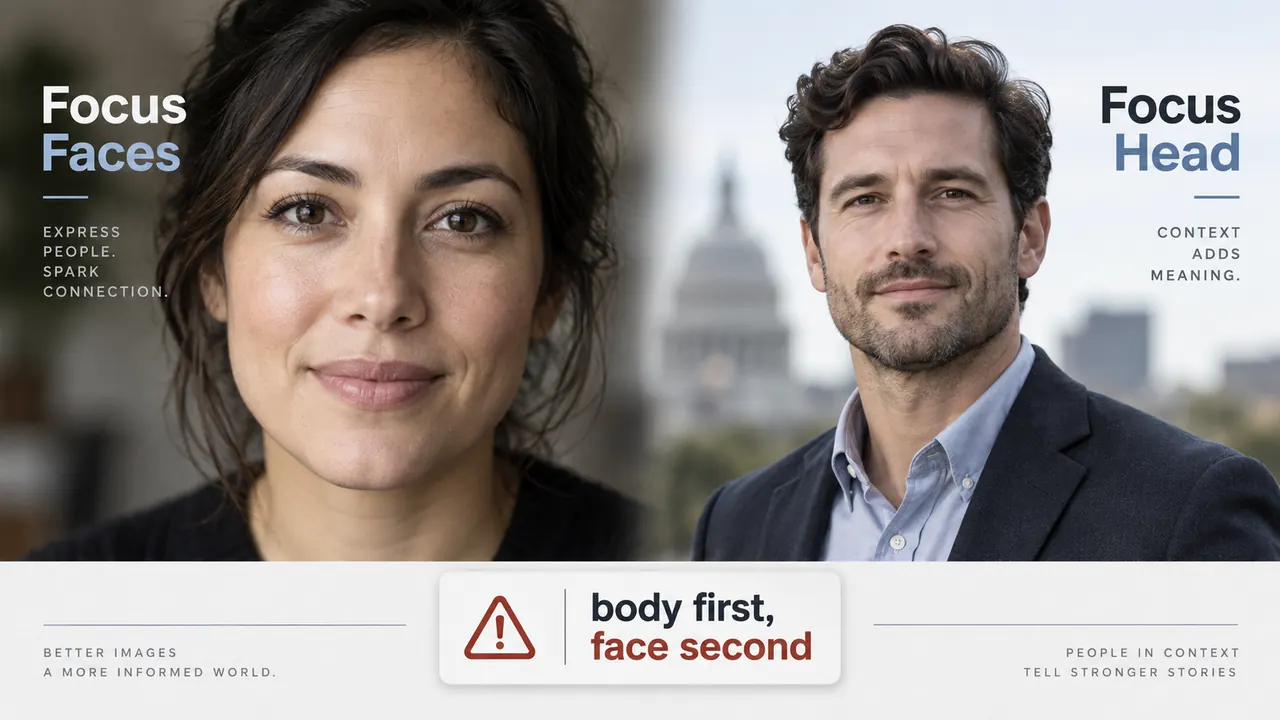
Yesterday's drop brings the BFS family — Focus Faces for identity and expression transfer that preserves head shape and hair, Focus Head for full head-and-pose replacement — across Qwen-Image 2.1, Qwen Image Edit 2509 and 2511, Flux 2 Klein, Krea 2 and experimental LTX-2 workflows. Ready-made workflows ship with it. One non-obvious trap: several BFS head releases deliberately invert the usual input order, taking body first and reference face second, so read the version guide before you blame the LoRA.
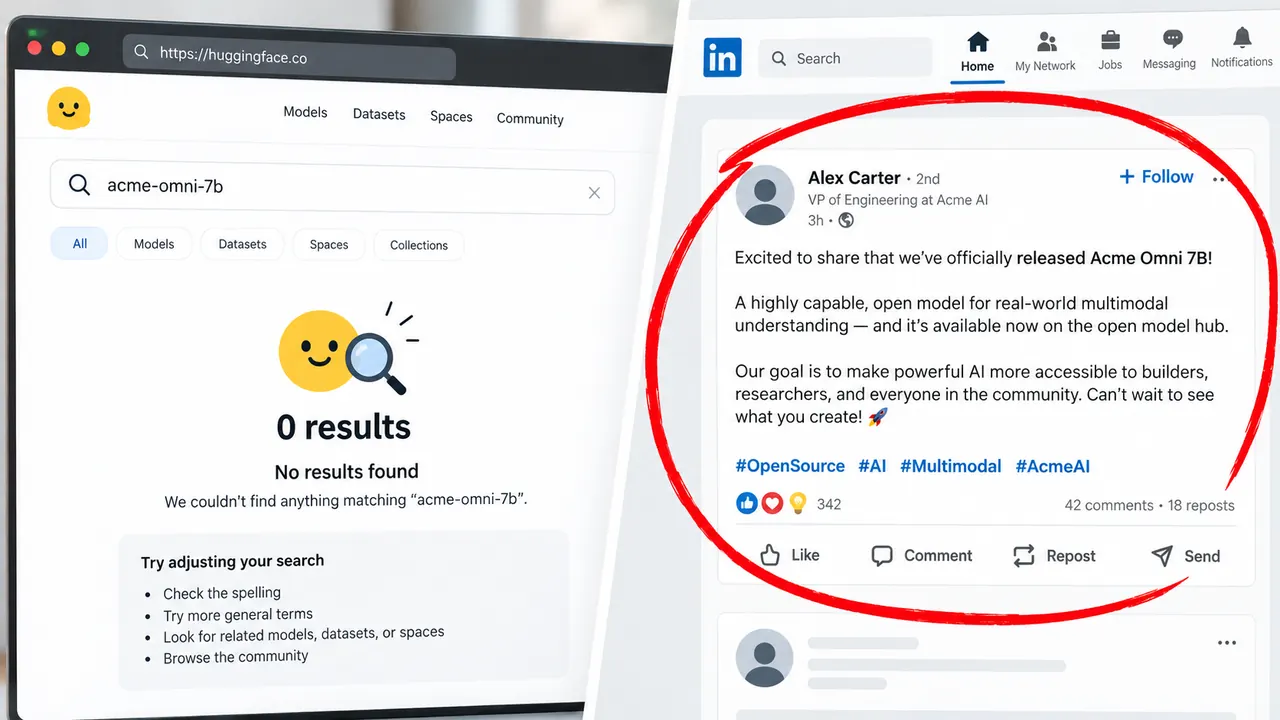
Multiple high-ranking pages assert Wan 3.0 shipped open weights in 1.3B and 14B variants under Apache 2.0 in April. Independent trackers checking first-party channels find zero models on Hugging Face, GitHub or ModelScope, and the claim traces back to a single LinkedIn post. Wan 3 is live on fal at up to 30 seconds of 1080p with joint audio and reference conditioning on images, video, audio and documents — but it's API-only. Alibaba's last genuinely open-weight video flagship is still Wan 2.2, and the 2.5 open-weights promise never materialized either.
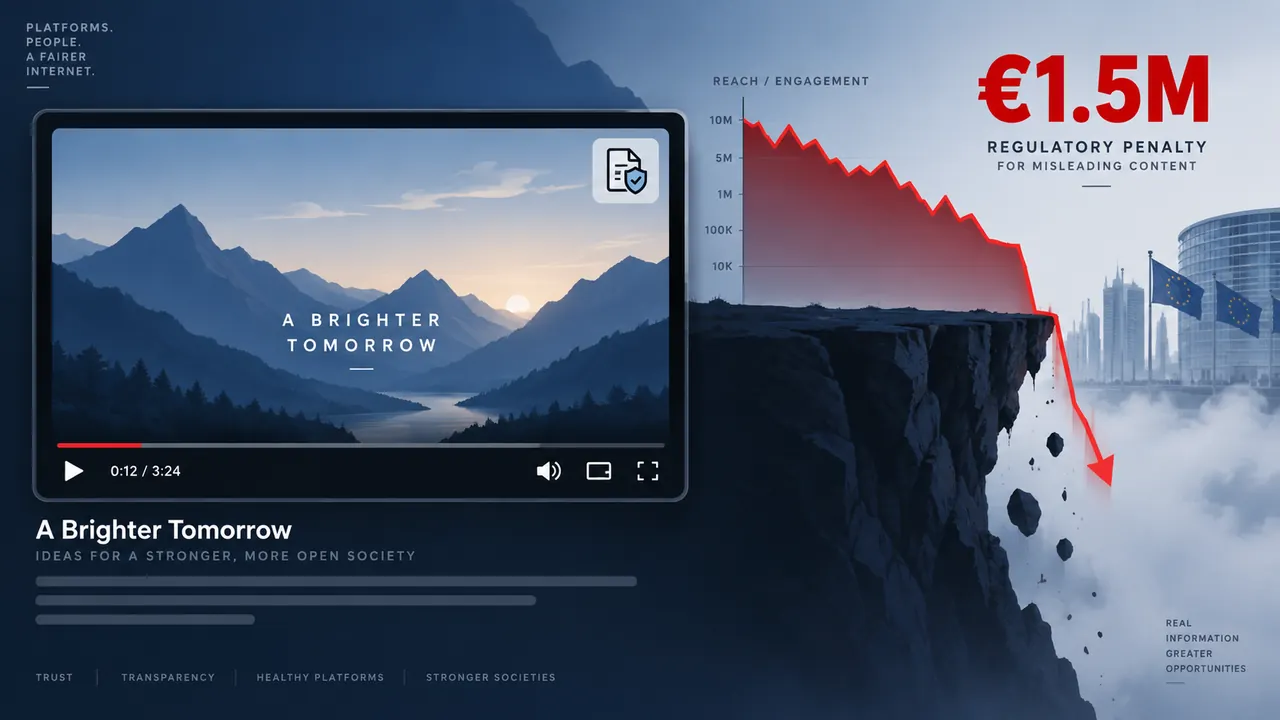
EU AI Act Article 50 has been enforceable since August 2, with machine-readable marking, human-readable disclosure and deepfake labeling obligations carrying penalties up to 15 million euros. TikTok now auto-detects synthetic media via C2PA Content Credentials even without self-disclosure, and reportedly cuts account reach roughly 60% for 30 days plus suspends Creator Fund earnings after three unlabeled AI videos. Meta unified disclosure across Instagram and Facebook in February as an in-post tag separate from the caption; YouTube's declaration lives under Attributes then "AI use."