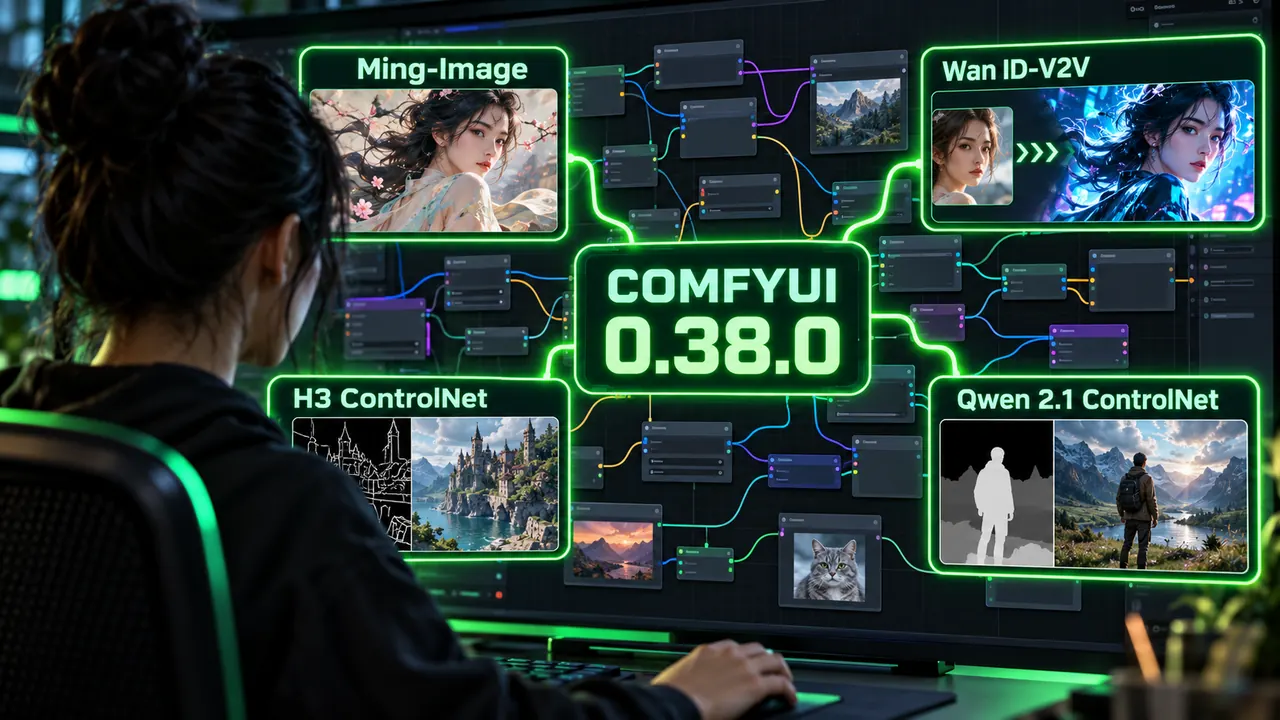
Comfy-Org shipped v0.38.0 yesterday, September 29, adding native Ming-Image support with an official template, ID-V2V built on the Wan 2.1/VACE stack, MiniMax-H3 Fun ControlNet Union 2.0, plus a Qwen-Image 2.1 ControlNet and a tiny VAE for that model. There are also real speed wins under the hood — CUDA graph and memory-compiler optimizations for ACE Step 1.5, and better VAE tile blending. This is the single highest-leverage thing on the list: one update unlocks four new conditioning paths.
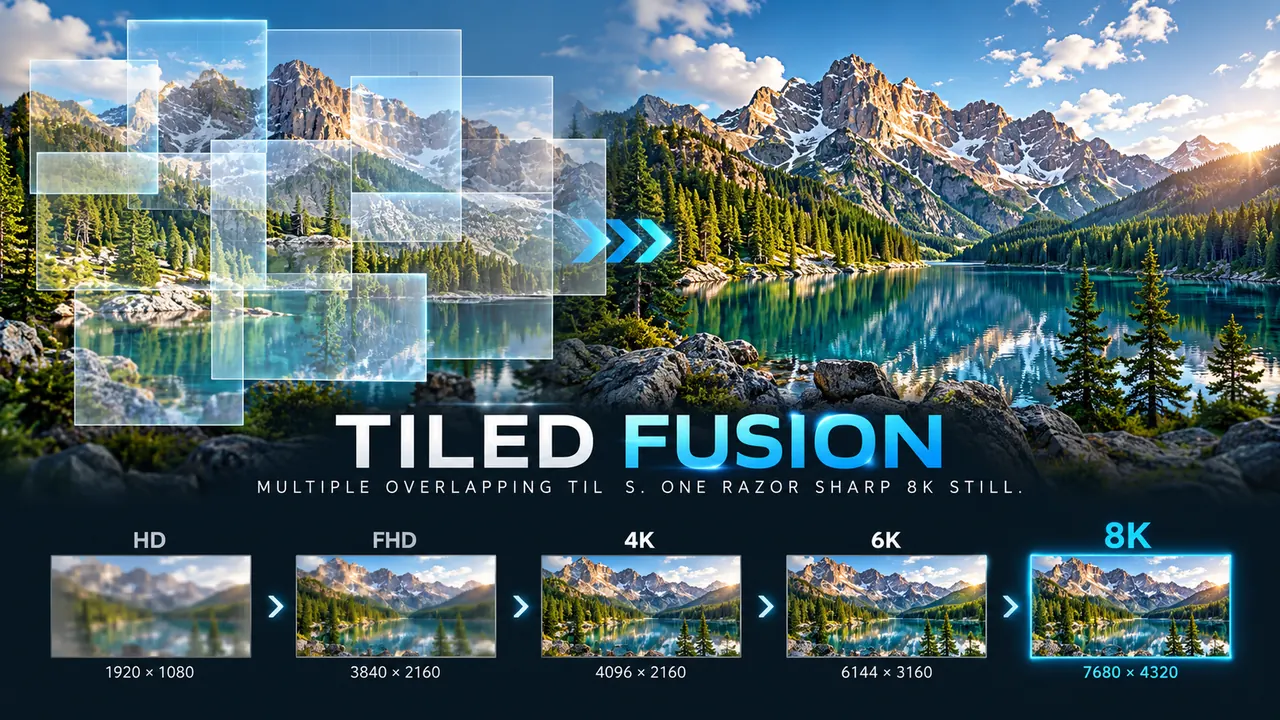
Lightricks pushed tiled high-resolution editing into the ComfyUI-LTXVideo wrapper on September 29, alongside new Refine and Restore IC-LoRAs. The LTXVTiledFusionSampler denoises a canvas bigger than the model's trained window by running overlapping spatial tiles across one shared latent canvas and noise field, and the V2V_TiledFusion_Upscale workflow resizes to FullHD, 4K, or 8K then runs eight fused steps with the detail refiner. LTX-2.5 is the 22B open-weights model, so this is finishing-grade resolution you own locally.
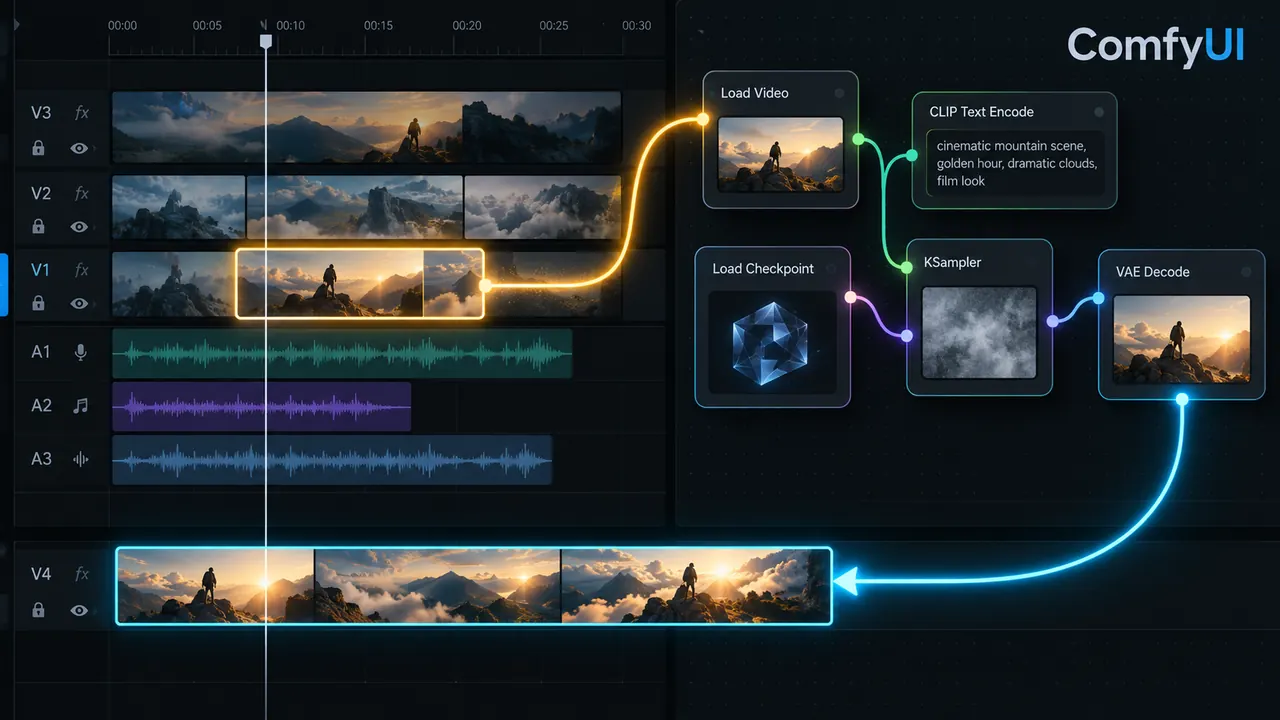
Vlo v0.3.0 dropped September 28: a free, local, open-source NLE that treats ComfyUI as its generation engine. Select a span, it ships frames and masks into a MiniMax H3 or Qwen workflow, and the result comes back as a layer you keep cutting. New in 0.3 are composite clips and subtimelines, adjustment clips for timeline-wide grades, a SAM2 points editor with auto crop-and-stitch for inpainting, Sam-audio stem separation, and a frame-graph renderer so preview and export follow the same render plan.
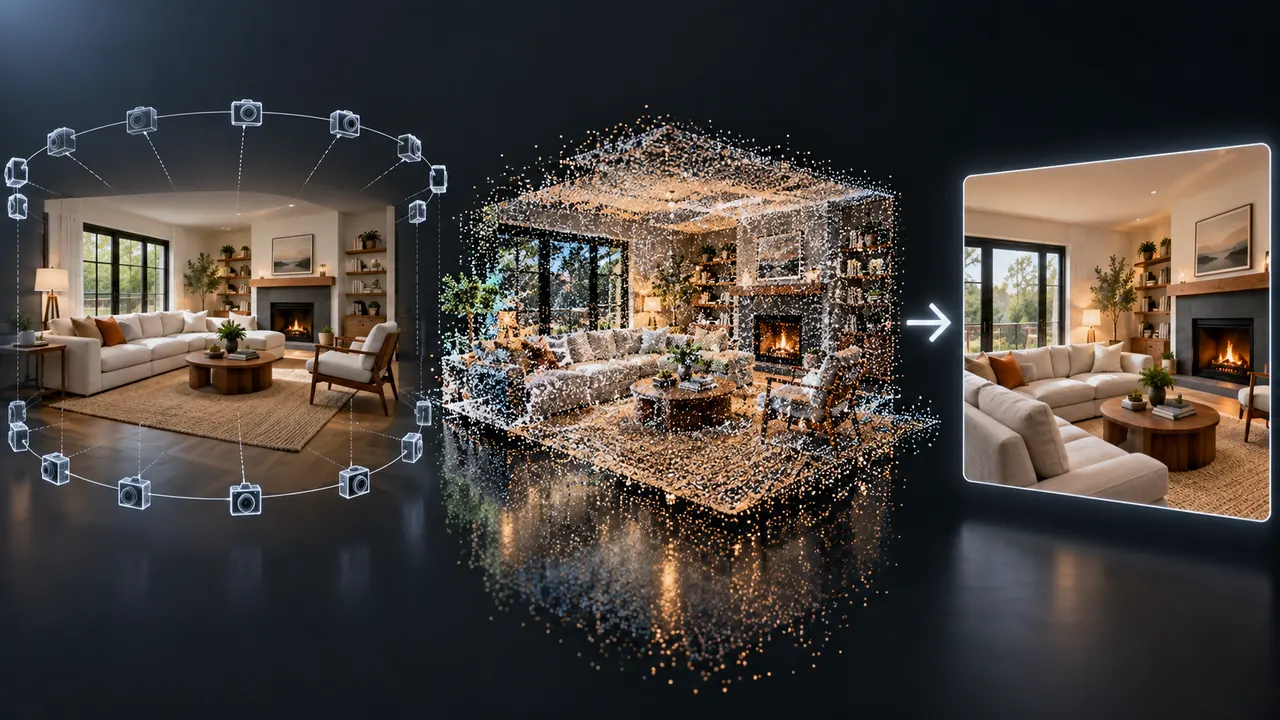
Released September 28 for Qwen-Image 2.1, AnyAngle splits the job in three: reconstruct your shot as a Gaussian splat or 3D mesh with Tripo Splat, Trellis2, or Pixal3D, pose a camera in Blender and render a coarse frame, then feed that plus the original into the edit model. Prompt-only angle changes collapse to a handful of fixed azimuths and drift when you push further — this doesn't, because geometry picks the viewpoint and the model only decides how materials and style should read from there.
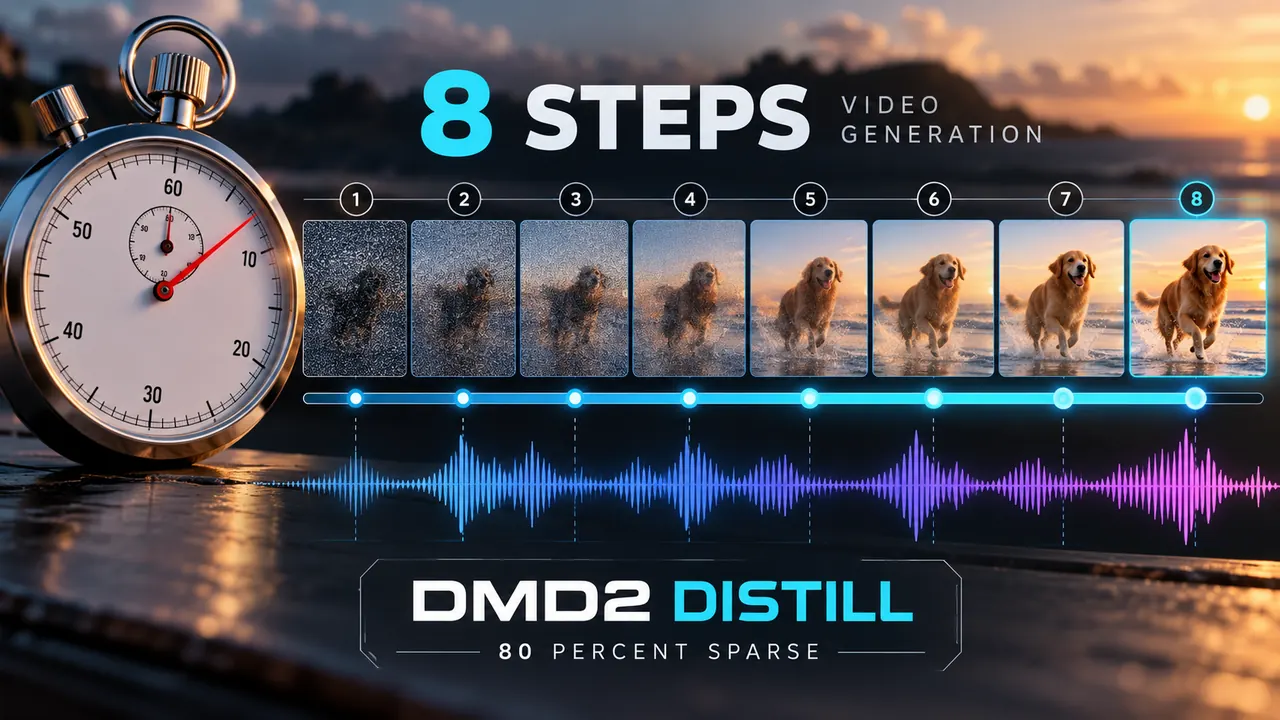
FastVideo's 8-Step V2 checkpoint is a data-free DMD2 distillation of MiniMax H3 trained with VSA-H3 attention at 80 percent sparsity, and Comfy-Org repacked it with two official templates — video_fastvideo_fasth3_t2v.json and video_fastvideo_fasth3_i2v.json. It reuses the base H3 text encoder, video VAE, and audio VAE, so synchronized native audio survives the speedup. Caveat worth knowing: Ref2VA multi-reference conditioning was not distilled, so reference work still needs full H3.
The Sora 2 API went dark September 24, closing a shutdown that began with the March 2026 discontinuation announcement and the app closure on April 26. Every call now returns 410 Gone, and OpenAI permanently deletes data tied to Sora usage with no recovery window once the final export lapses. If you had a product or client pipeline leaning on that endpoint, it's already broken.
Omni Flash leads the Artificial Analysis text-to-video arena for models with audio at 1233 Elo and the image-to-video arena at 1369, with Alibaba's Wan 3.0 at 1229 and a fine-tuned MiniMax H3 Max at 1227. Pricing is the kicker: $0.10 per generated second, or $6.00 a minute, against Veo 3.1 at $24.00 a minute — and Veo 3.1 now sits fourteenth at 1088 Elo. Google is effectively pointing teams at Omni as the default.
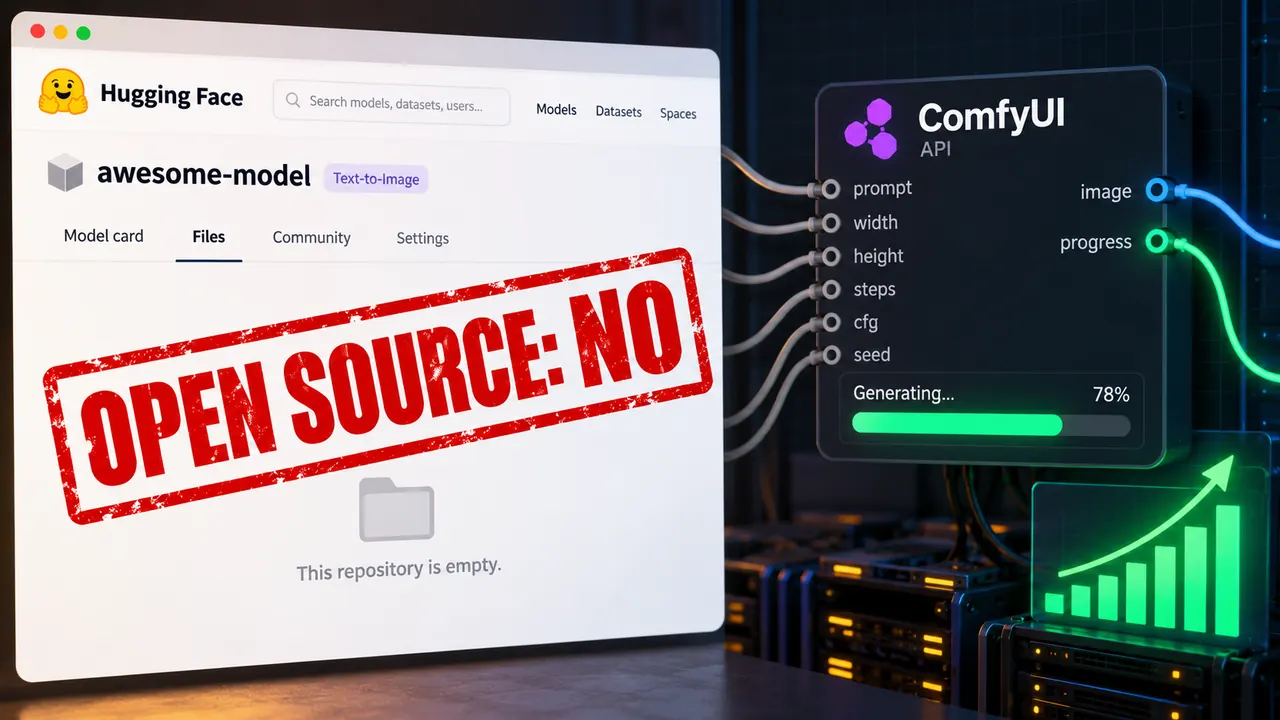
Wan 3.0 is live in ComfyUI as of v0.33.4 via three API nodes — Text to Video, Image to Video, and Reference to Video — and it does 30-second single-pass clips with native audio and omni-reference control. But there are no weights: nothing on the Wan-AI Hugging Face org, nothing on the Wan-Video GitHub, nothing on ModelScope, and Alibaba's own model page for wan3.0-video literally reads "Open Source: No." You're renting it through metered API billing.
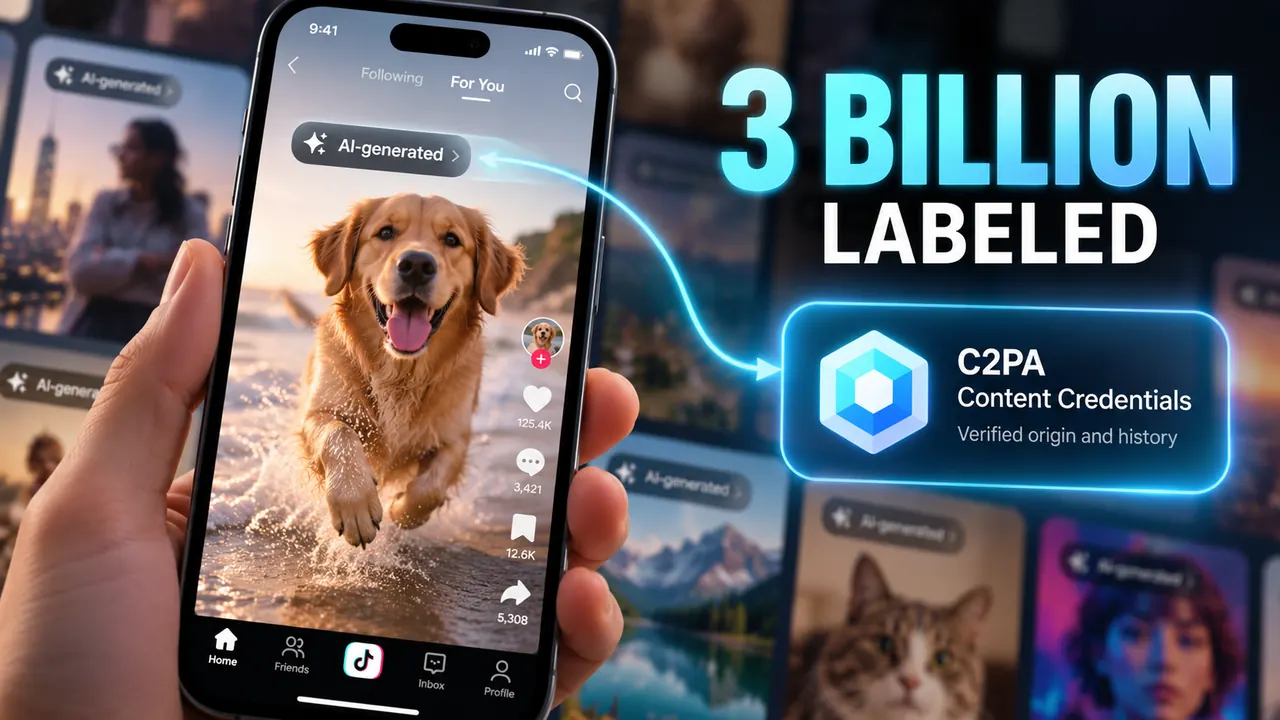
The refreshed guidelines, published August 25 and live as of last Thursday, formalize labeling anytime AI or editing realistically depicts people or scenes, and separately ban AIGC that misleads on matters of public importance. TikTok now reads C2PA Content Credentials and applies invisible watermark detection, so the label goes on whether you self-disclose or not — the platform says it has already labeled more than three billion AI videos and joined the C2PA Steering Committee this year.
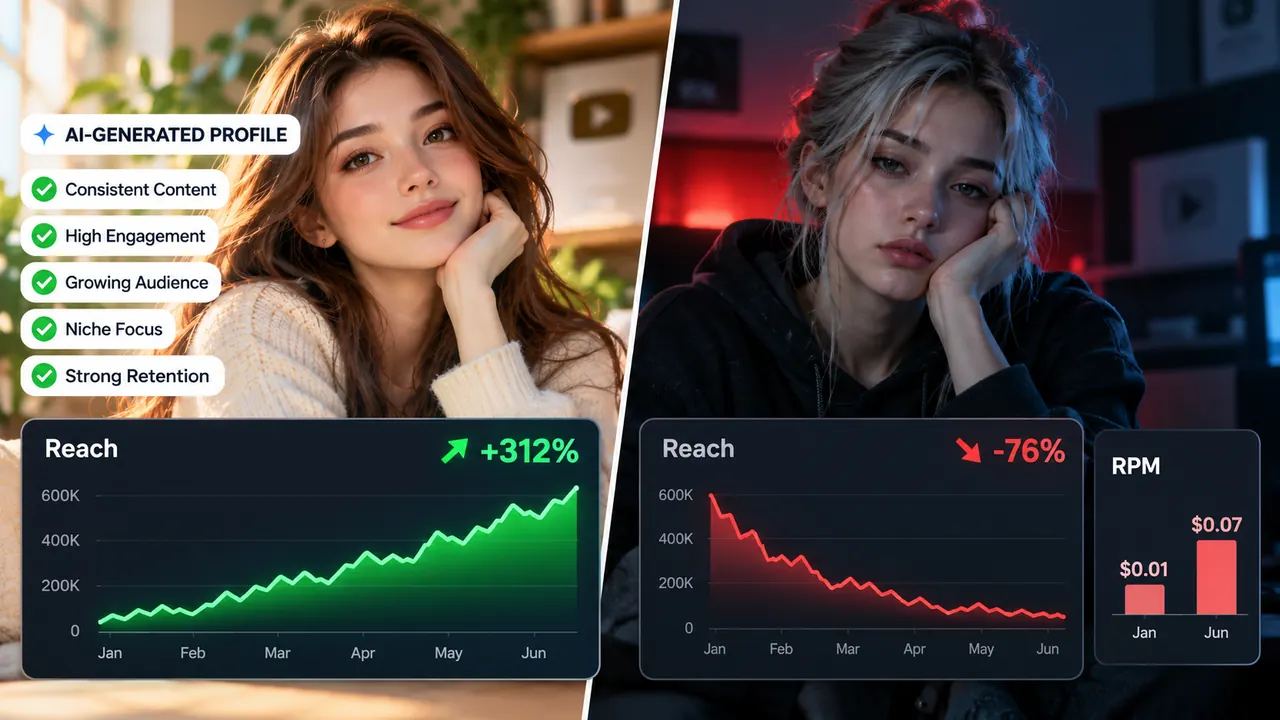
Meta is limiting reach for accounts running AI personas that skip the "AI-generated profile" label, flagging that content non-recommendable and cutting off downstream monetization; creators who use AI tools but still appear as themselves are exempt. Pair that with the September Shorts numbers — roughly $0.01 to $0.07 per thousand views, up to $0.12 in premium niches, or three to fourteen percent of long-form RPM — and the math says AI shorts are a funnel, not an income stream. One tracked creator pulls $200 a month from Shorts and $3,000 from the long-form those Shorts feed.