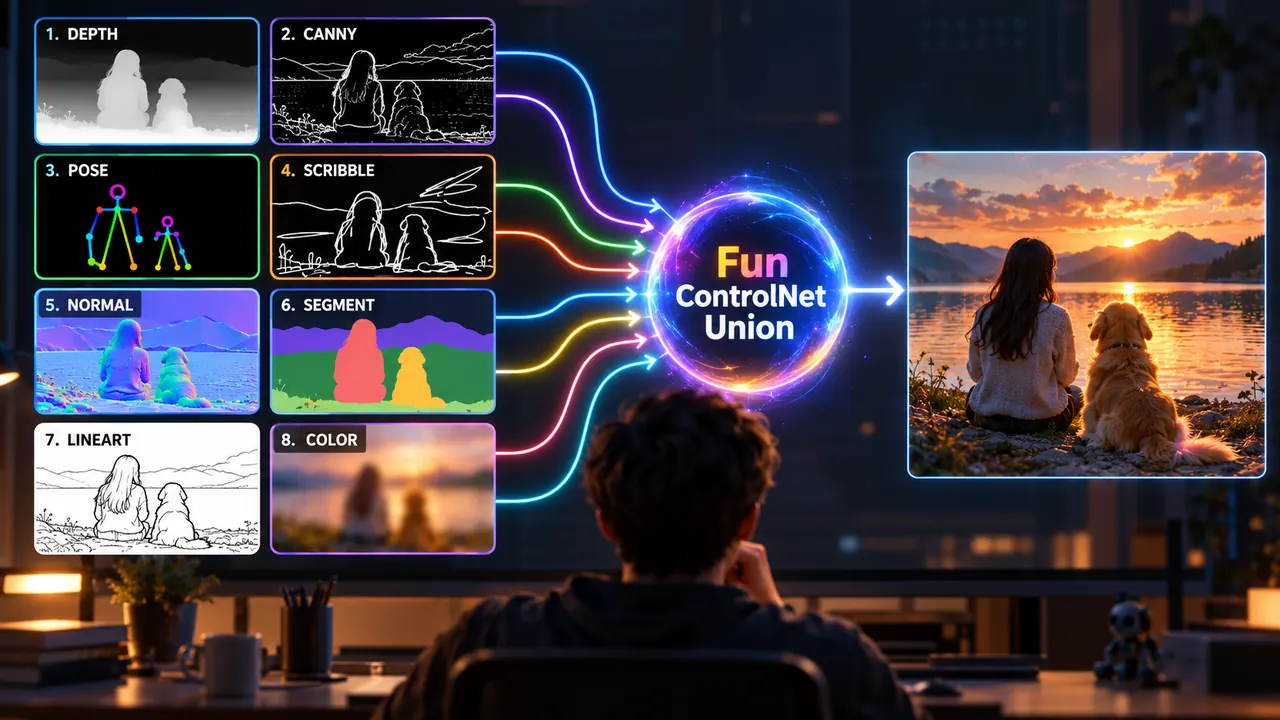
Two drops on September 24 turned Qwen-Image 2.1 from "nice base model" into a production rig: Fun ControlNet Union bundles eight structural controls — depth, canny, pose and friends — into a single 7.5 GB branch, and the Fun Acc LoRA distills generation down to 4 steps in a 346 MB file. That combination is the difference between a 30-second iteration loop and a 3-second one on consumer VRAM. If you build keyframes locally before pushing to a video model, rebuild that graph today.
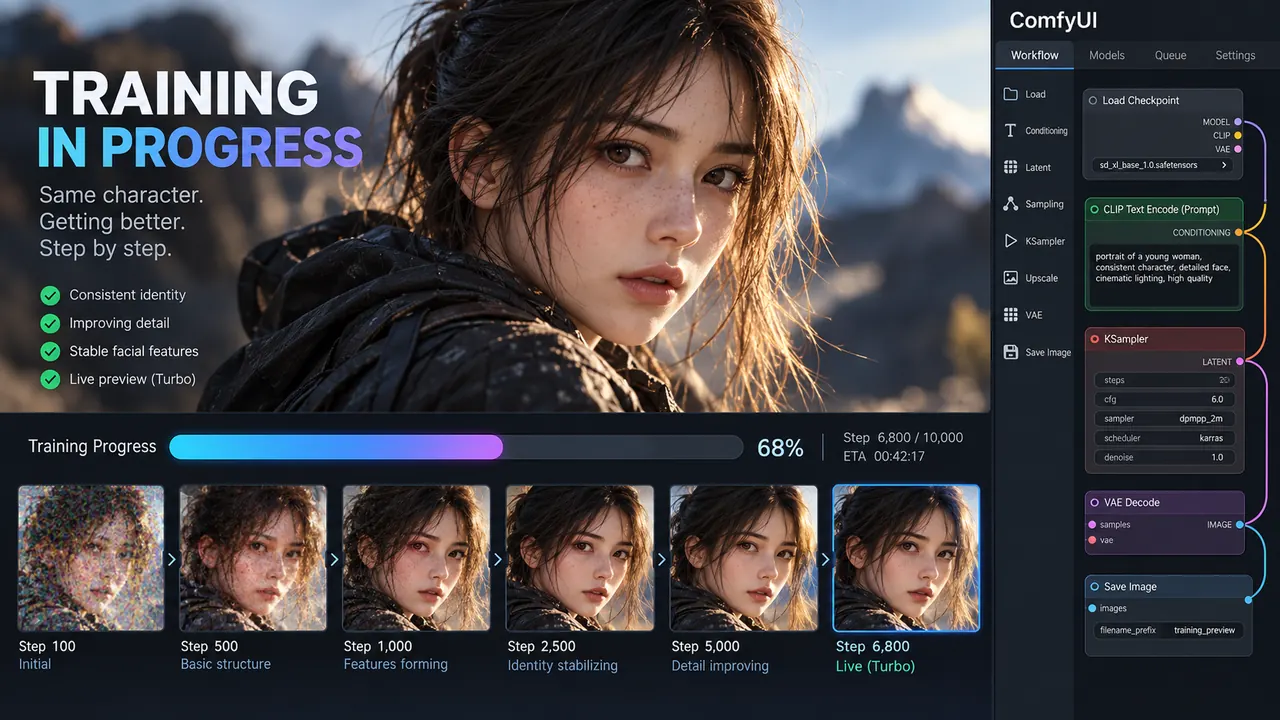
Shipped September 27, Fizgig v6.5 adds Qwen Image 2.1 LoRA training with turbo previews and a new driver system that saves LoRAs in a format ComfyUI loads directly — no conversion step. For anyone maintaining character or product consistency across a series, this collapses the train-convert-test loop into one window. It is the freshest thing on this list by about 18 hours.
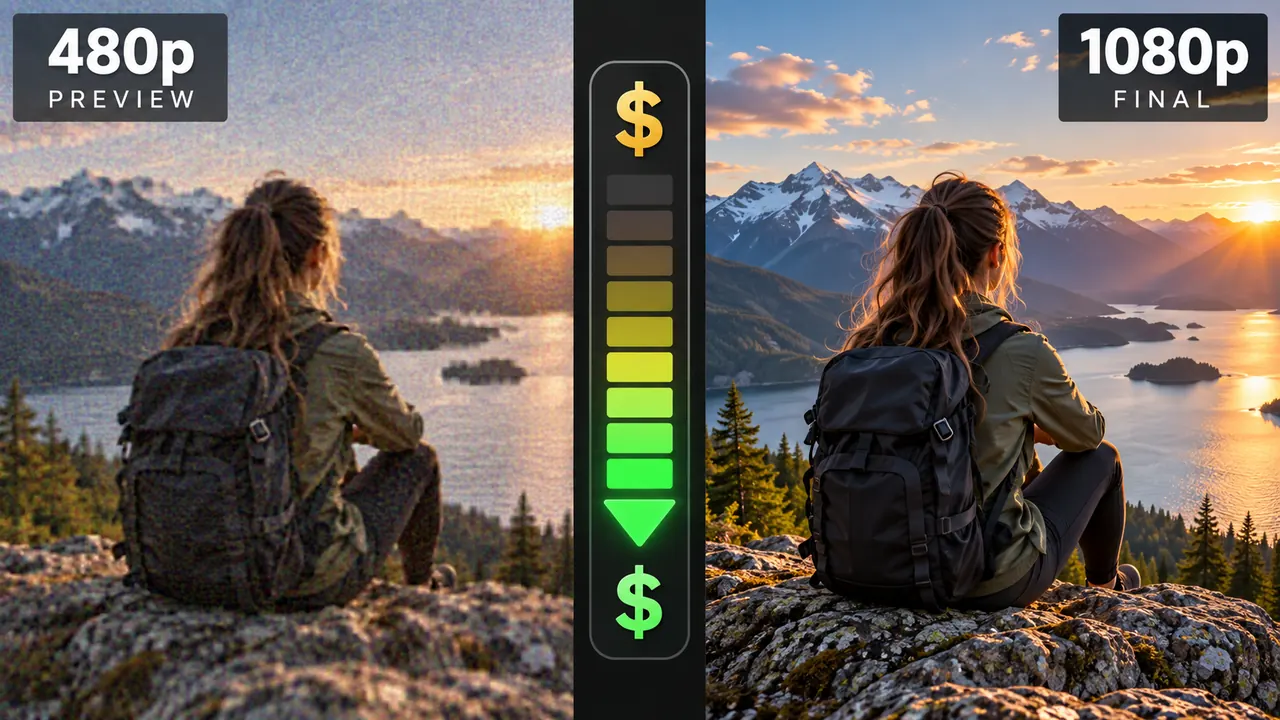
Released September 25, Draft Mode renders a 480p preview pass so you can check motion, composition and prompt adherence before committing to the full 1080p generation. Seedance 2.5 is widely considered the quality leader right now — native 30-second 4K and up to 50 reference images — but it is also the most expensive per generation. Draft Mode is straight margin recovery on every shot you would have thrown away.
Lightricks' LTX-2.3 is a 22-billion-parameter DiT under Apache 2.0, doing up to 20 seconds at 4K with native synchronized audio, a rebuilt VAE for finer detail, native 9:16 portrait, 24 and 48 FPS options, and LoRA fine-tuning support. The text encoder was quadrupled to Gemma 3 12B with a gated-attention connector, which shows up as noticeably better prompt adherence. Dev and distilled variants both ship — the distilled one is the practical pick for iteration.
TikTok is reading C2PA Content Credentials and flagging synthetic media whether or not you self-disclose. If the automated system catches unlabeled AI content, the video earns zero Creator Fund revenue for 14 days — and retroactively adding the label does not undo it. Properly labeled AI content pays at the same rate as everything else, so the only losing move is forgetting the toggle.
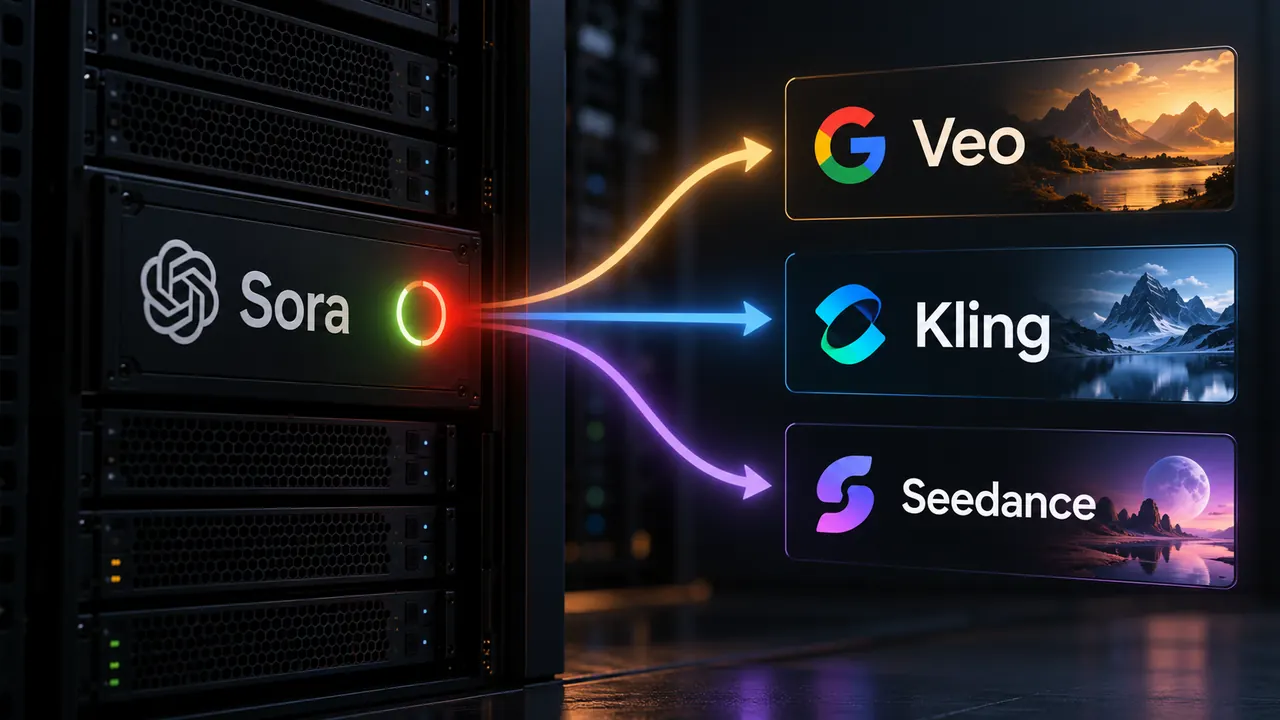
OpenAI's Sora API shut down last Thursday, completing the wind-down that started when the web and app experiences closed on April 26. Anything in your pipeline still calling a Sora endpoint is now returning errors, and there is no grace period coming. The migration lanes that matter: Veo 3.1 for brand-safe cinematic, Kling 3.0 Turbo at roughly eleven to fourteen cents a second for volume, Seedance 2.5 for hero shots.
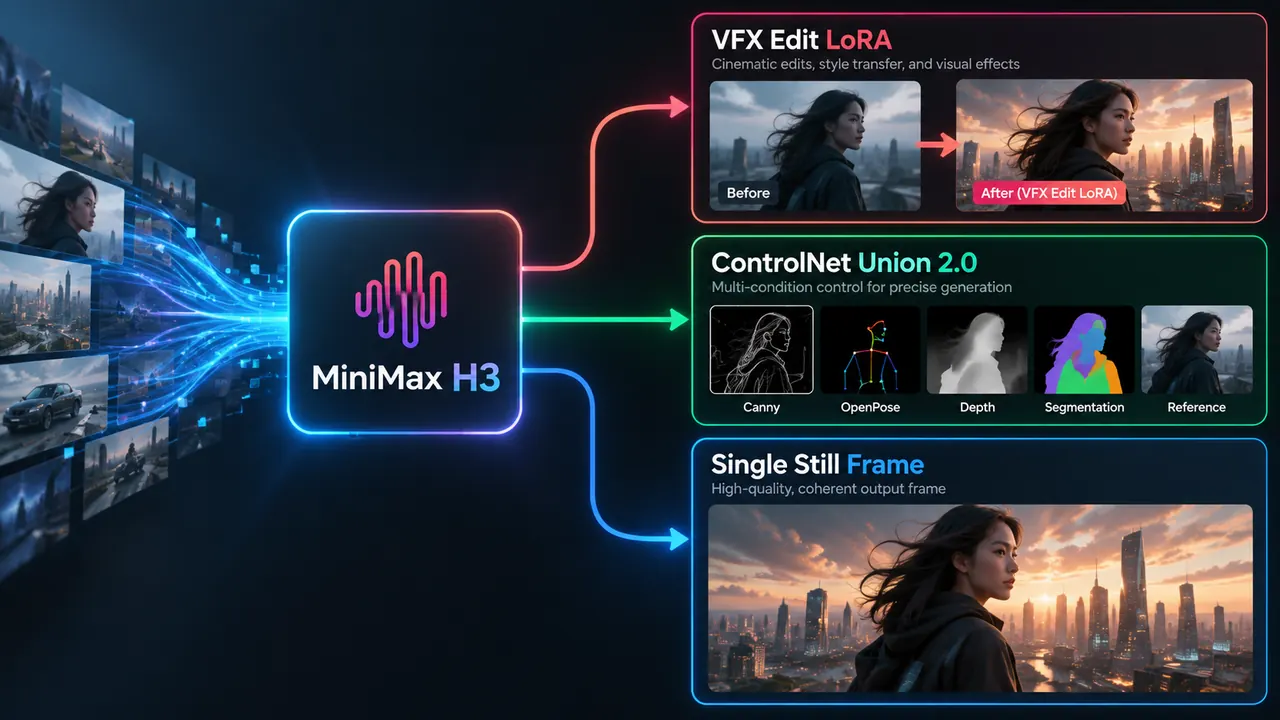
Three H3 releases landed in the last week: a VFX Edit LoRA for prompt-directed video editing and Fun ControlNet Union 2.0 with Scribble, Layout and Gray control on September 22, then Fizgig H3 Still on September 25 for true one-frame H3 latent generation without banding. H3 is the 33-billion-parameter omni-modal model with open weights on Hugging Face, doing 2K with native stereo audio. Fair warning — the community license excludes local deployment rights in the US, EU, UK and South Korea.
Dropped September 24, Texture-Fix-VAE is a drop-in replacement targeting the checkerboard texture artifacts that have been showing up in Qwen-Image 2.1 output — the kind of pattern you do not see on a preview but that eats you alive on a 4K upscale. If you have been blaming your upscaler for grid noise, swap the VAE first before you rebuild anything else.
The September 23 release wired in Recraft V4.1 Flash as a cheaper, faster tier on the Recraft V4 text-to-image node, added Claude Opus 5.5 to the Claude node, and brought Quiver Arrow 2 with reasoning-effort control to the SVG nodes. The day before, v0.37.1 landed HY Image 3.5 Preview — text-to-image plus multi-turn editing with up to 5 reference images at native 2K. Prompt-generation nodes just got materially smarter, which matters more than it sounds if you script your shot lists.
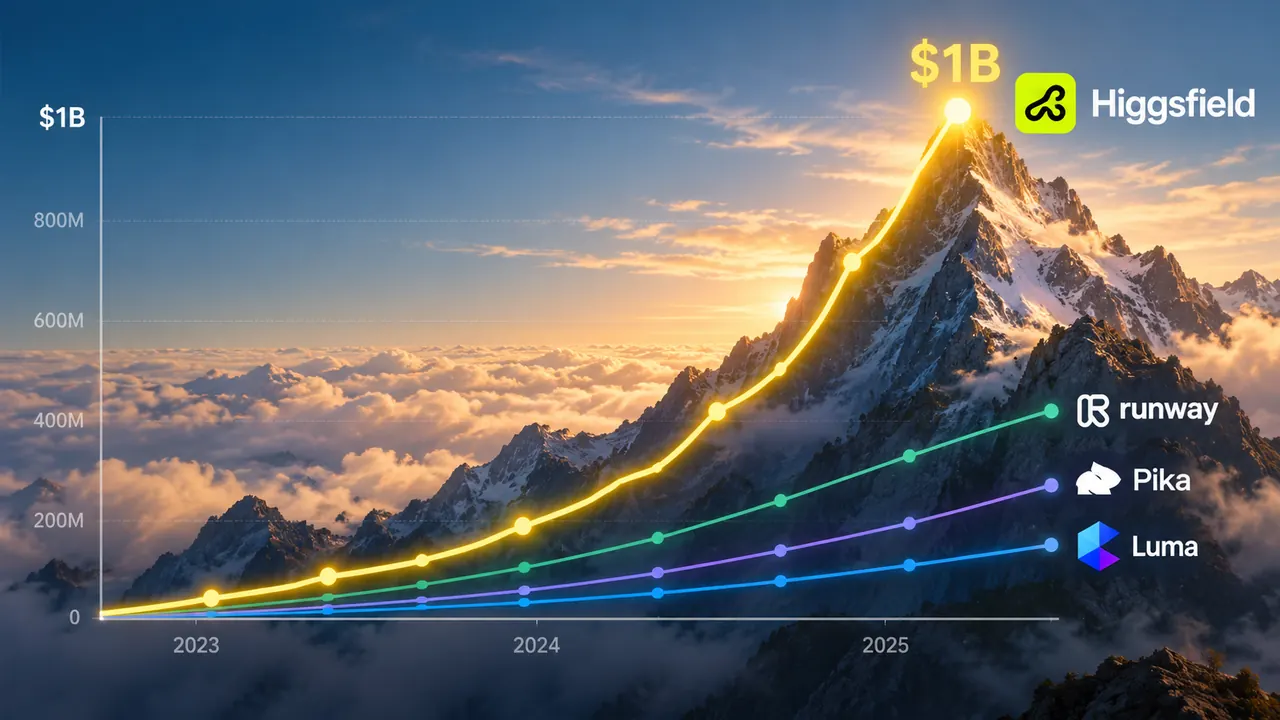
On September 24 the DST Global and Goldman Sachs Alternatives-backed startup announced it expects to hit a billion-dollar annualized run rate within a year, and claims it is already cash-flow positive — a claim Runway, Pika and Luma have not made. The read for creators is that multi-model workspaces with camera controls and character consistency are where the money actually is, not raw model access. Expect competitors to copy the wrapper, fast.