OpenAI's Sora API hits its hard shutoff on September 24, 2026, completing a wind-down that began when the web and app experiences died on April 26. Any pipeline still calling Sora endpoints breaks today, and OpenAI has said it will permanently delete data tied to Sora usage after the final export window closes. The postmortem is brutal: roughly $1 million/day in operating costs against $2.1 million in lifetime in-app purchase revenue.
Alibaba dropped Qwen-Image 2.1 on September 20: a 7B open-weight model (down from ~20B) with native alpha-channel output, native 2K, and editing across up to 10 reference images. Diffusers, ComfyUI, vLLM-Omni, SGLang and LightX2V all had day-one support. The catch is the Qwen Research License — non-commercial use only — so read it before it touches client work.
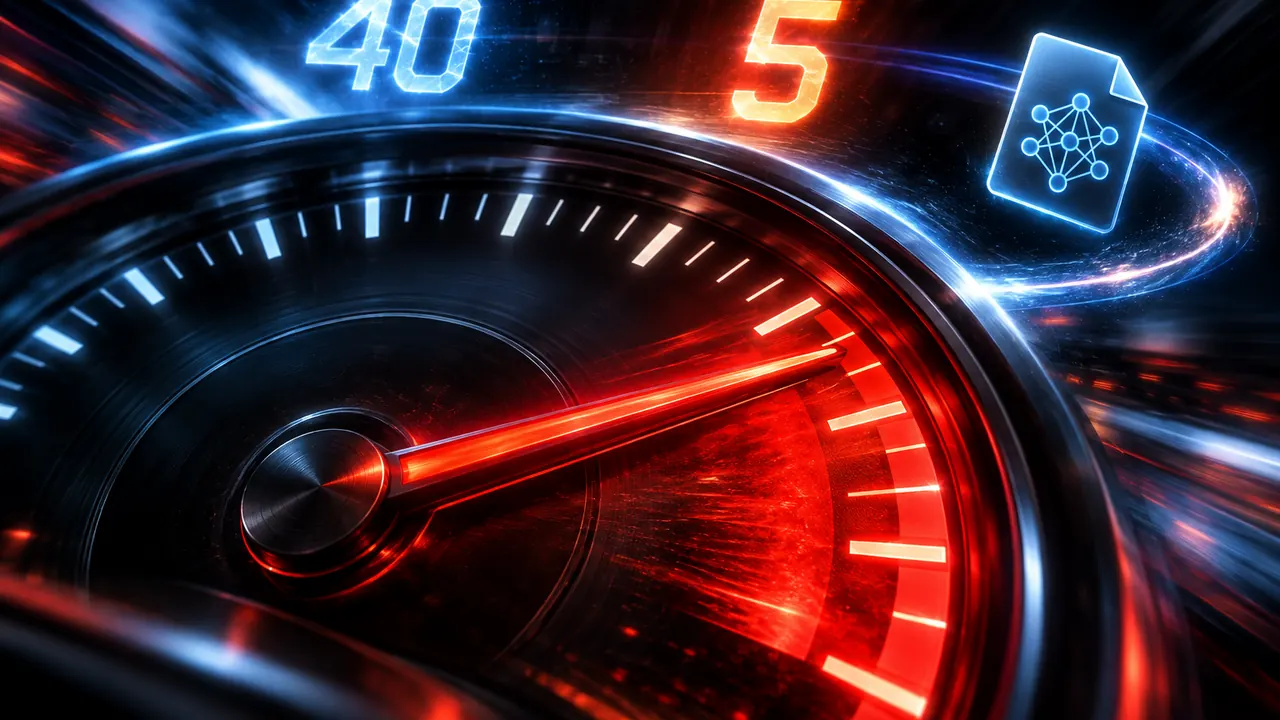
Released September 23, Viggle's distribution-matching-distilled student does text-to-image and instruction editing with 1–3 reference images in 5 transformer passes instead of 40, with classifier-free guidance switched off entirely. It ships as a rank-256, alpha-256 bf16 LoRA at about 1.3 GB, with community ComfyUI conversions and GGUFs already posted. Viggle labels it preview — it still trails the 40-step base on multi-reference composition and identity-preserving edits.
The September 20 core release implements the 7B single-stream DiT natively in comfy/ldm/qwen_image21 with the Qwen3-VL-8B text encoder, and ships three official templates — text-to-image, image edit, and background removal. It also adds MoGe 3 fine-detail geometry estimation, speculative decoding for the Qwen text encoders, automatic fast disk loading on NVMe, and reduced peak WAN GPU memory via comfy-kitchen attention.
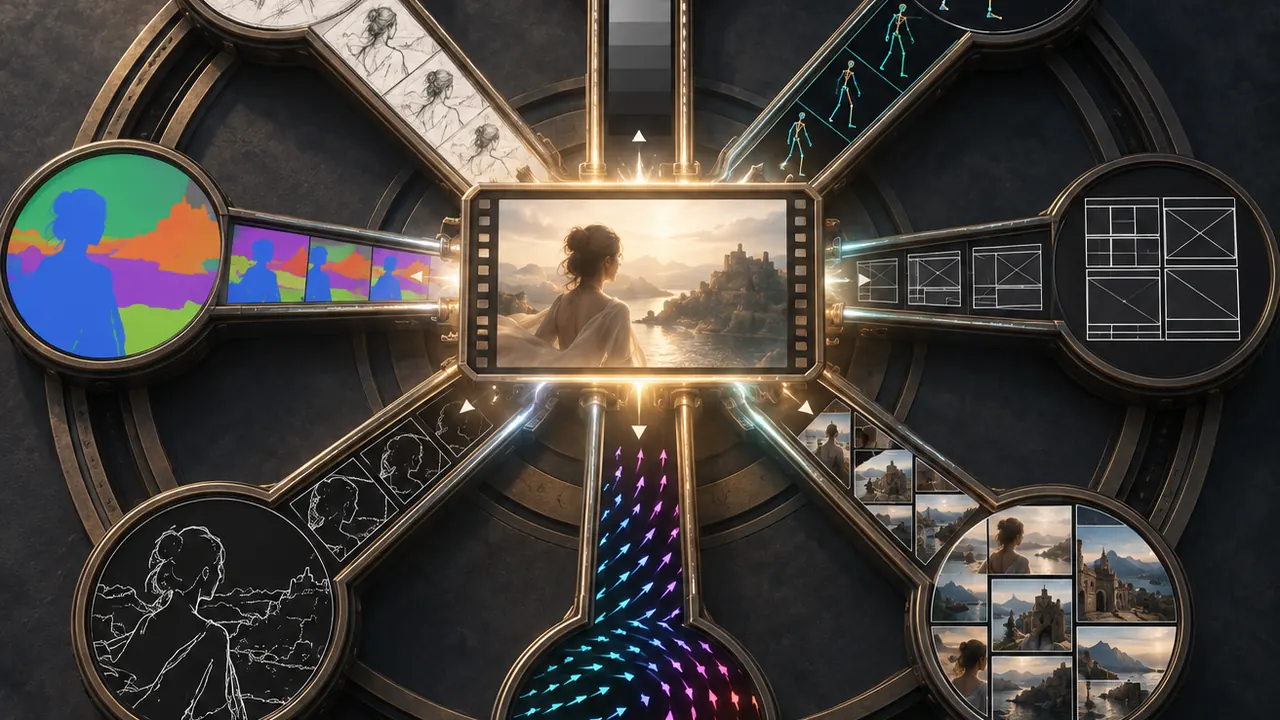
Alibaba PAI shipped the 2.0 union on September 22, widening control coverage to eight types including new Scribble and Layout variants, with ComfyUI compatibility on arrival. For anyone doing shot-matching or storyboard-driven video on the 33B open-weight H3, this is the biggest single jump in directable control since the model landed.
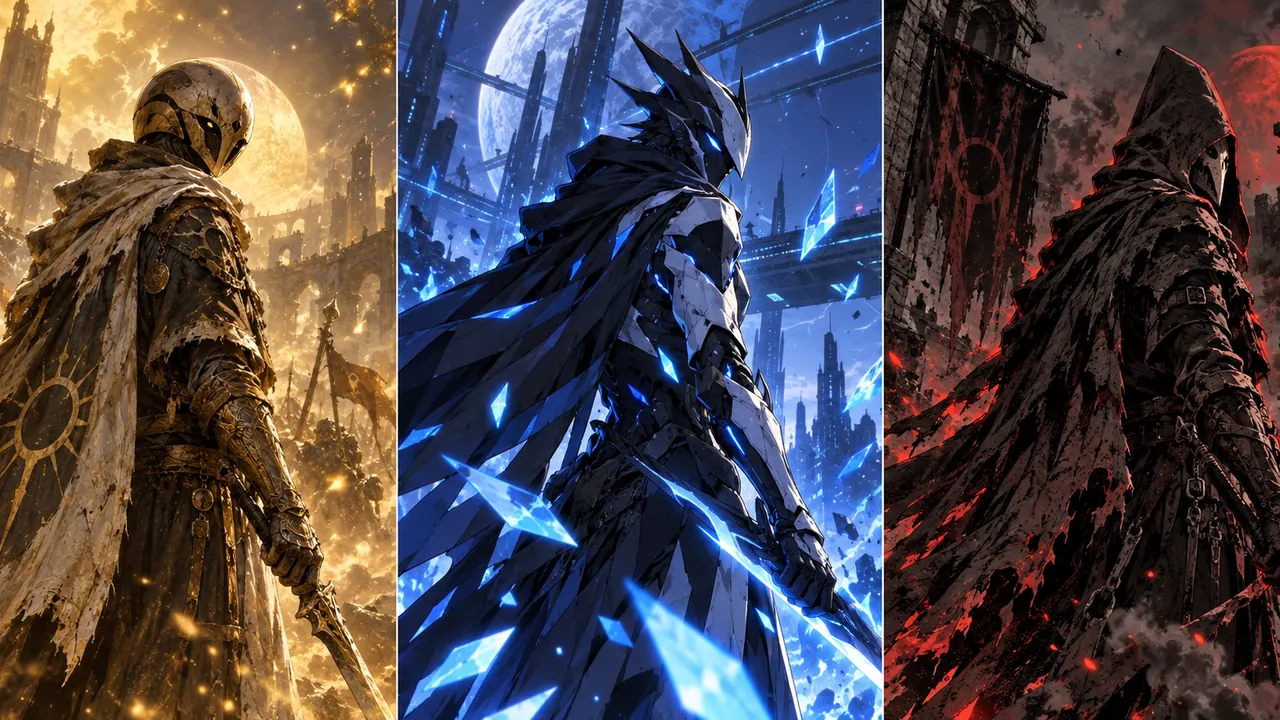
Also on September 22, Alissonerdx released a prompt-directed video-effects editing LoRA for H3 alongside Style Transfer and Head Swap adapters, each with documented ComfyUI workflows. That stacks on the existing H3 ecosystem — the ~780MB Turbo LoRA that drops sampling from 20 steps to about 6, and the 65.6M H3-World adapter that maps WASD and camera keys to action-controlled video from a single frame.
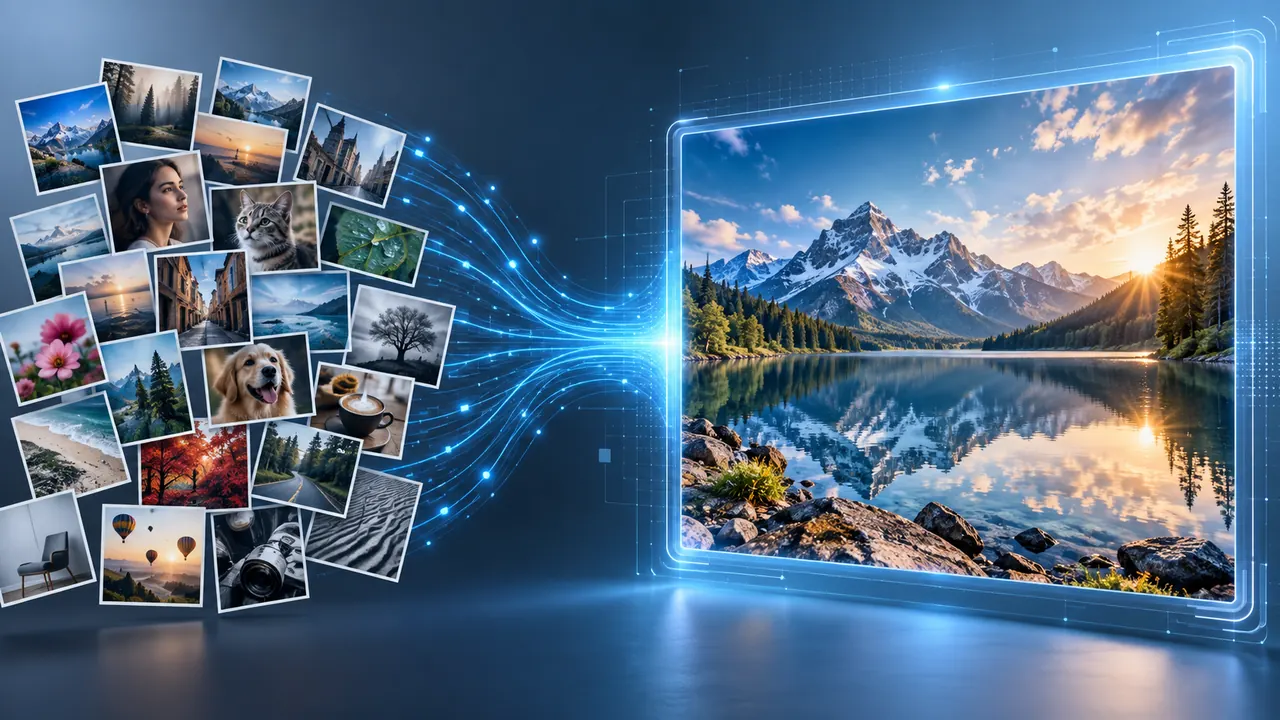
Launched September 22, Hy Image 3.5 Preview raises the reference-image ceiling from 3 to 20, adds multi-round continuous editing that carries forward both the prior image and conversation history, and generates direct 4K at 4096×4096. Pricing is ¥0.15 for a 2K image domestically, US$0.024 on the international endpoint, billed only on images actually returned — and it's free on Design Agent Miora until October 7. Tencent shares jumped over 7% in Hong Kong on the news; the claimed 30% capability gain remains unreproduced outside Tencent.
Within 72 hours of the base model's release, community creators shipped a corrective LoRA on September 23 targeting the washed-out color response and broken fine texture that showed up immediately in testing, bundled with a 20-step ComfyUI workflow. Classic open-weights pattern — the community QA cycle is now faster than the labs' own point releases.
Worth correcting the record, because the misinformation is thick: Wan 3.0 went to public beta August 6 on Alibaba Cloud Model Studio and Qwen Cloud with 30-second single-run generation and document-to-video input, priced at 0.3 to 1.2 yuan per second across 480p/720p/1080p. Despite pre-announcement chatter, no weights shipped. The last open-weights flagship in the line is still Wan 2.2 under Apache 2.0.
Both TikTok and YouTube continue to treat AI-generated video as fully monetizable provided it's disclosed. TikTok requires visible labels on AI visuals or audio depicting realistic people or scenes and auto-detects via C2PA Content Credentials even without self-disclosure; text-only or post-production AI use is exempt. YouTube keeps AI content eligible for the Partner Program at the standard 1,000 subs plus 4,000 watch hours or 10 million Shorts views, but July's inauthentic-content update still bars monetization on generic or repetitive output and fake AI "experts."