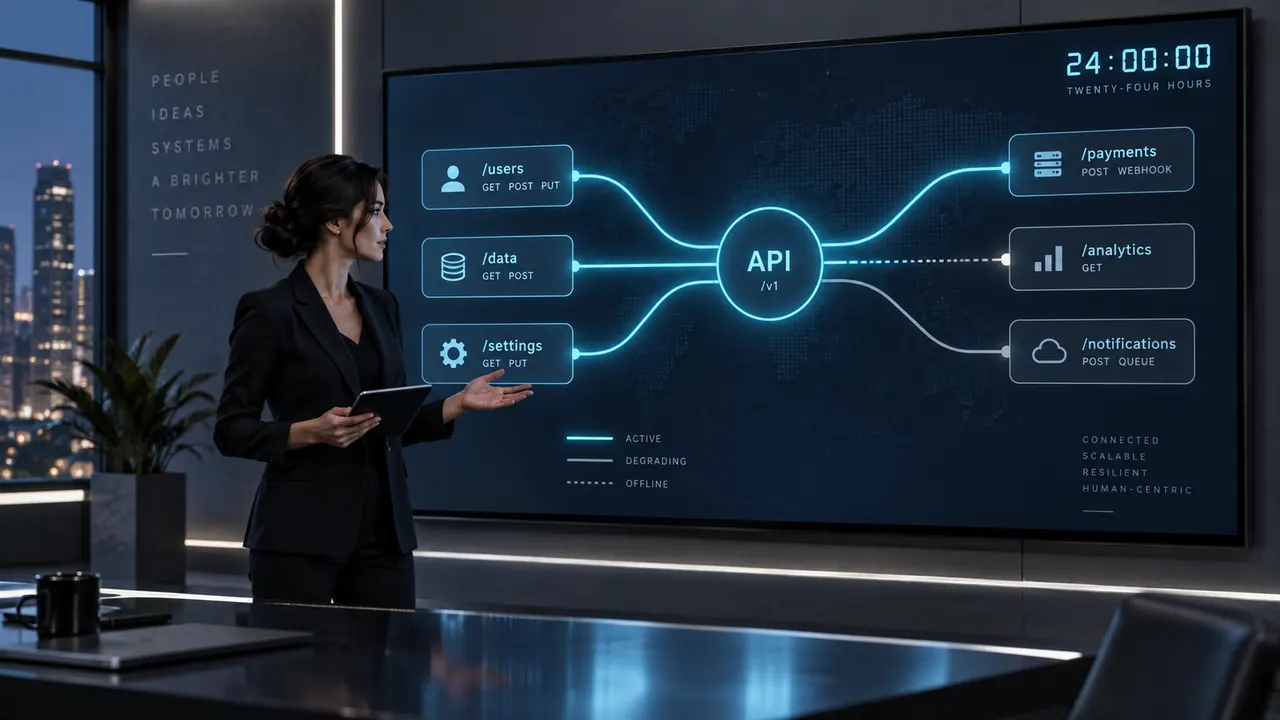
OpenAI shuts off developer access to the Sora API on September 24, 2026, completing the wind-down that began when the consumer Sora app closed on April 26. Any pipeline still calling Sora endpoints breaks in roughly 24 hours, and there is no migration path being offered. If you have client work or automation routed through it, repoint to Veo 3.1, Kling 3.0 Turbo, or an open-weight fallback today.
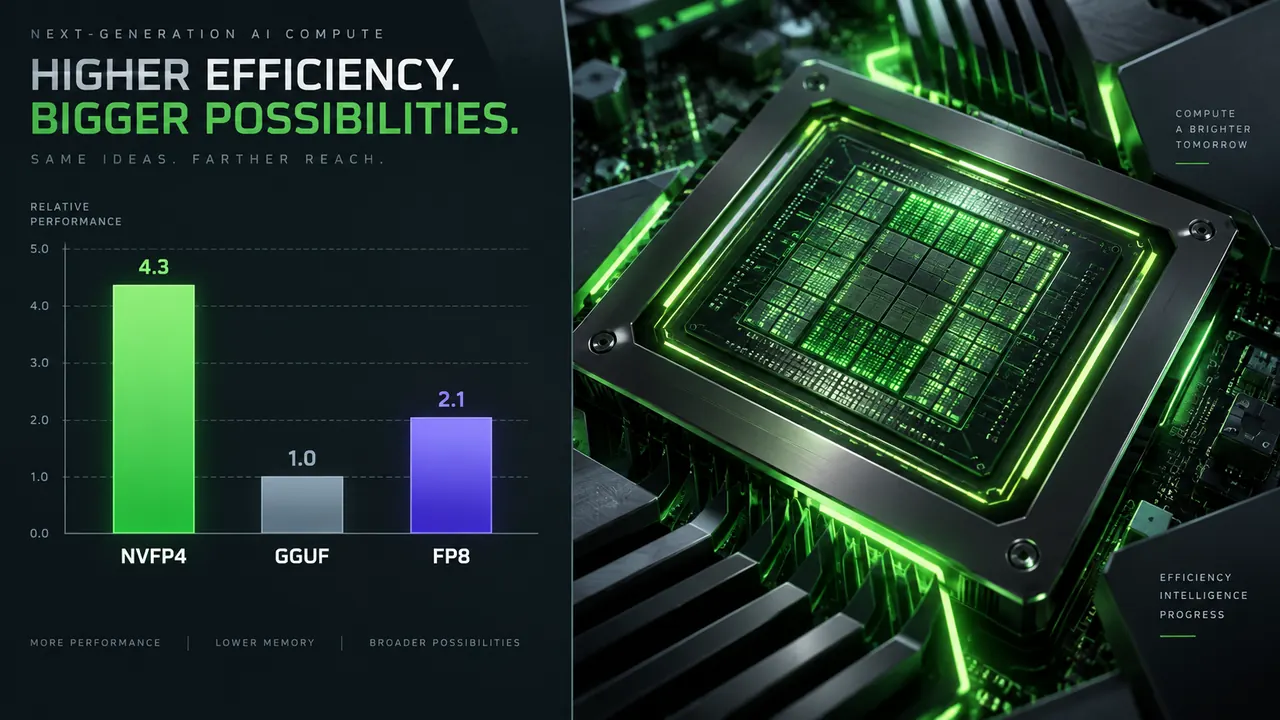
ComfyUI now supports NVFP4 and NVFP8 natively, with RTX performance up roughly 40% over the start of the month. On Blackwell sm120 cards, NVFP4 delivers about 3x throughput with 60% less VRAM — FLUX.1 Dev hits 7.73 it/s and drops from 26GB BF16 to 14GB. The catch: the 4090 has no native FP4 tensor hardware, so 40-series owners should stay on NVFP8 for roughly 2x and 40% VRAM savings. Checkpoints are live for LTX-2, FLUX.1 and 2, Qwen-Image, and Z-Image.
Dropped September 22: a community LoRA that gives MiniMax H3 prompt-directed VFX editing, plus documented Style Transfer and Head Swap adapters. It's Apache-2.0, so it's clean for commercial client work with no licensing asterisk. This is the kind of thing that replaces an After Effects round trip with a conditioning pass.
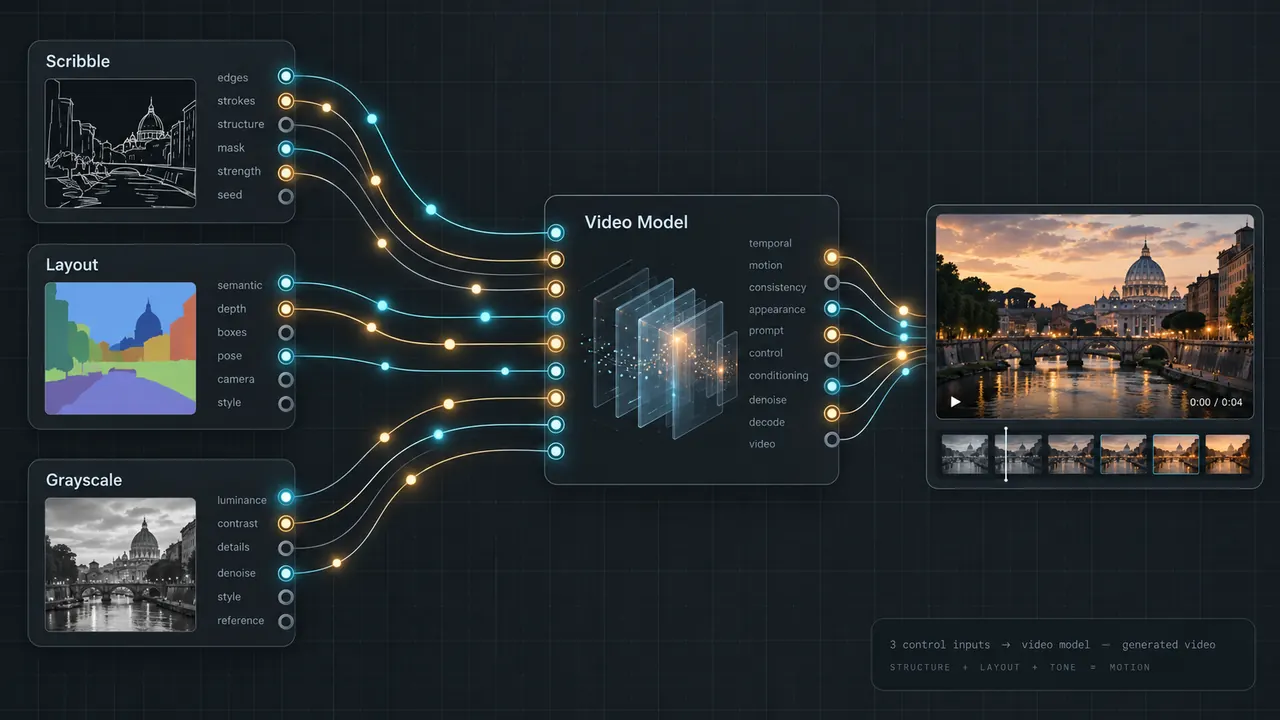
Also landing September 22, Union 2.0 adds Scribble, Layout, and Gray control modes to the MiniMax H3 ControlNet stack and doubles the number of injection blocks. More injection points means tighter adherence to your control signal deeper into the denoise, which is exactly where previous versions drifted. If you've been fighting H3 on layout stability across a shot, this is the update to pull.
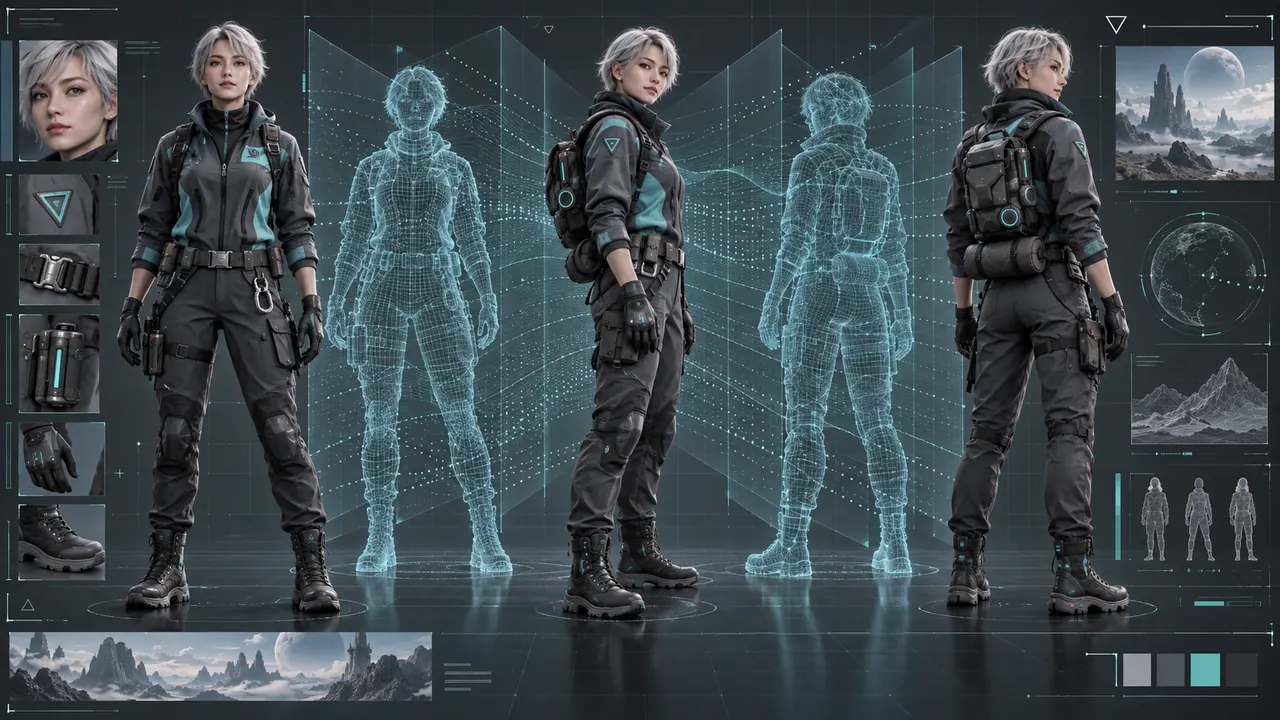
Released September 20, CrossView-Warp is an H3 adapter that re-renders footage you already have from a different camera position using a MoGe depth warp. Practically, that's coverage you never shot: reverse angles, push-ins, alternate framings from a single generation. For anyone cutting narrative AI video, this attacks the single most expensive problem — needing multiple consistent angles of the same moment.
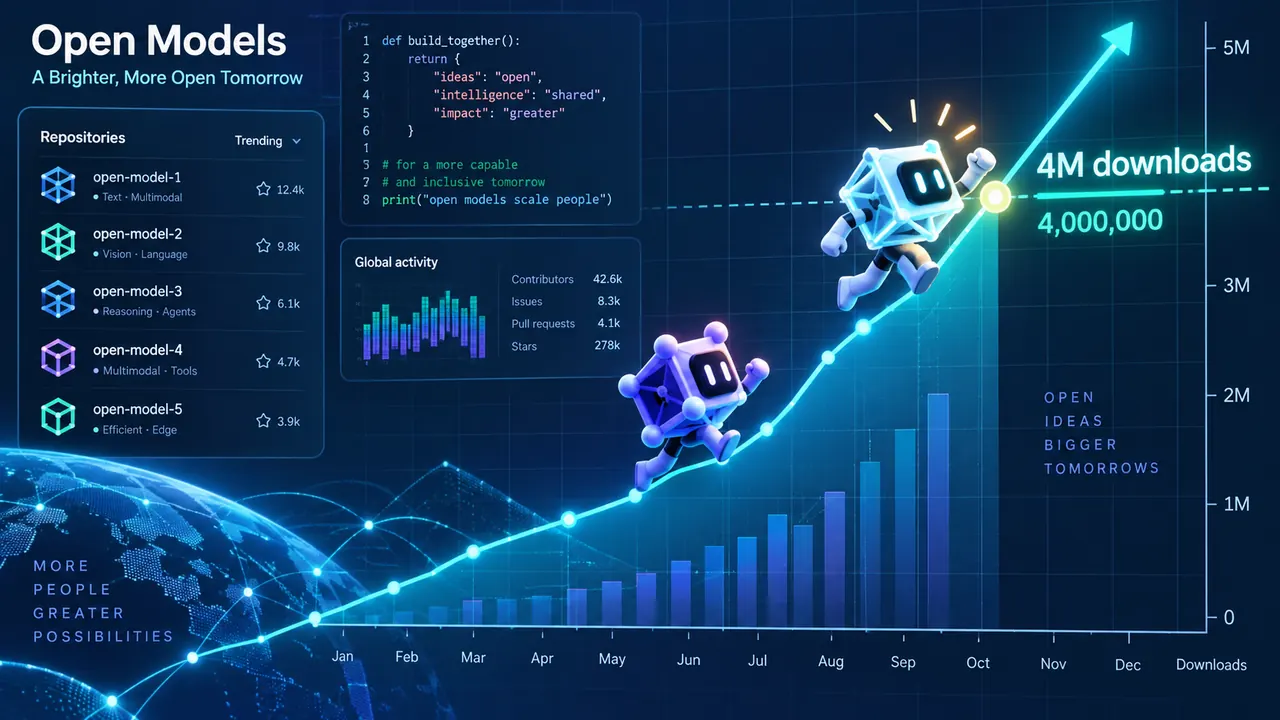
As of September 22, MiniMaxAI/MiniMax-H3 sits at 5,573 likes and over 4 million downloads on Hugging Face, with Lightricks/LTX-2.5 at 4,673 likes and 1.6 million-plus. Both are topping the trending charts as open-weight alternatives to closed video tools. H3-Base has been servable for real-time generation through vLLM-Omni and FastVideo's FastH3 since September 1.
Announced September 22, HY Image 3.5 Preview brings text-to-image, reference-image conditioning, and multi-turn editing, with ComfyUI nodes shipping through partner integrations. It's API-only, so no local weights and no offline workflow — you're paying per call and sending frames off-box. Useful for keyframe generation if your client work tolerates the API dependency.
SupraLabs released Supra2-IMG on September 21 — a 105 million-parameter DiT text-to-image model trained from scratch in ten hours on a single H100, under Apache-2.0. The headline isn't the image quality, it's the training cost. This is a credible template for creators who want a genuinely custom base model instead of stacking LoRAs on someone else's checkpoint.
AI-generated content remains eligible for the YouTube Partner Program under standard thresholds — 1,000 subscribers and 4,000 watch hours, or 10 million Shorts views — with disclosure required. Established faceless AI channels in high-CPM niches report $2,000 to $20,000 monthly, but a survey of over 3,000 creators found more than half still earn under $15,000 a year. YouTube's July policy clarification still bars monetization on generic or repetitive output, which is where most volume AI channels die.
TikTok's 2026 framework requires visible labels on AI-generated visuals and audio depicting realistic people or scenes, and the platform reads C2PA Content Credentials to flag synthetic media even when you don't declare it. The policy is designed to label, not block — but getting auto-flagged after skipping disclosure is a worse outcome than labeling up front. Check whether your export chain is stamping credentials you didn't know about.