Shipped September 5, the release adds beta partner nodes that run curated Flux 2, Z-Image Turbo, Mage Flow, MiniMax H3 and Music 3 workflows on rented Comfy Cloud hardware. That's a direct answer for creators whose local rigs choke on 22B-plus video models — same graph, borrowed VRAM. It lands one day after v0.34.4, so update carefully and expect node churn.
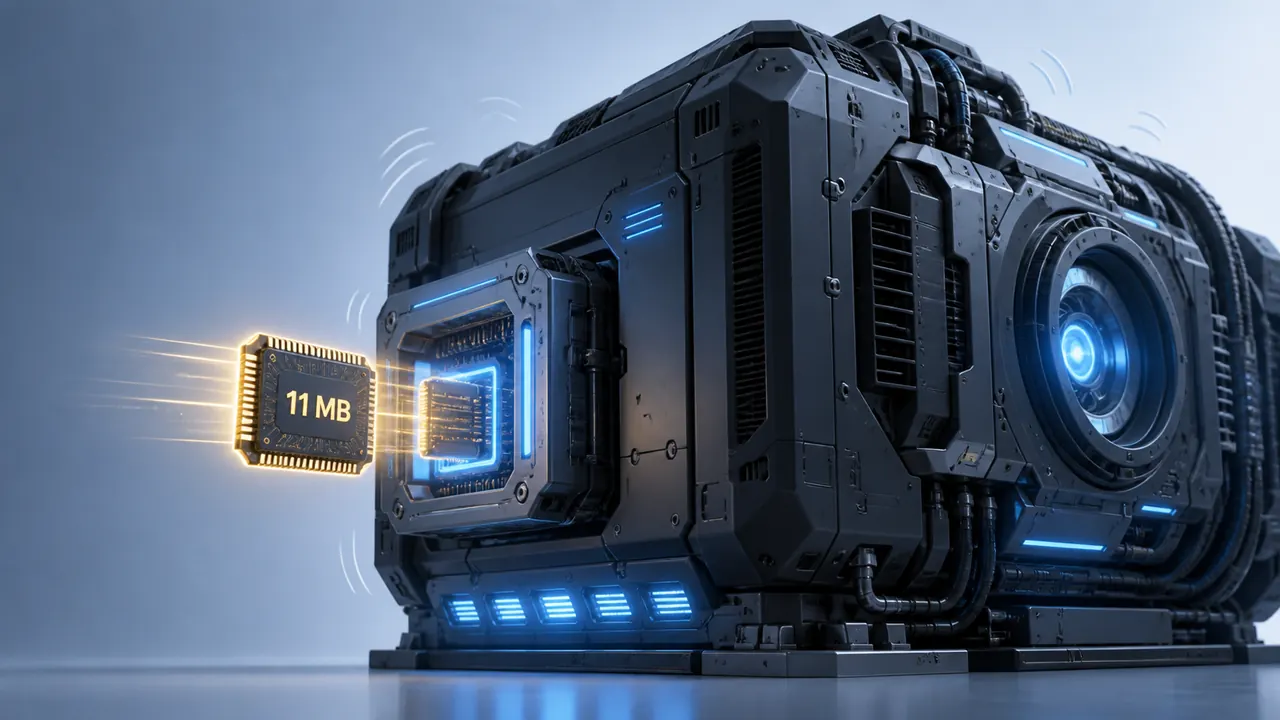
An independent distillation project dropped a standalone 11-megabyte adapter, with ComfyUI nodes and workflows included, that transfers semantics into H3's conditioning space before the video transformer and blends them back at controllable strength. Notably it's not a LoRA, checkpoint merge, or parameter graft — it's a conditioning-space intervention, and v1 targets standard H3 FL2VA and text-conditioned generation. Eleven megabytes for better prompt following is the best size-to-payoff ratio on this list.
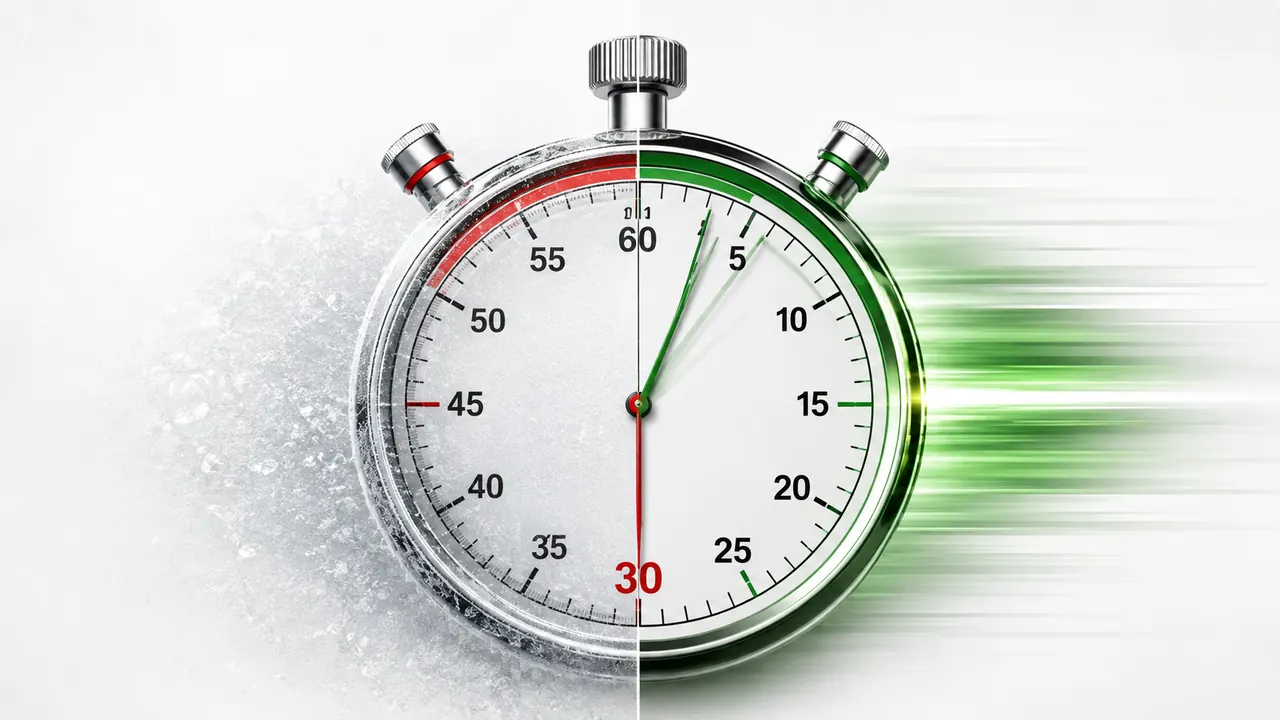
ComfyUI-MiniMaxH3-CLIPCached landed September 3 and does one very boring, very valuable thing: it caches conditioning to disk so repeat runs skip reloading the 14.6GB text encoder. Measured drop is 29.9 seconds to 1.1 seconds per iteration. If you're doing prompt-tweak loops on a single shot — which is most of production — this is your biggest wall-clock win of the week.
The September 4 v0.34.4 release added official Meta Muse Image API nodes covering text-to-image and image editing, accepting up to 10 input reference images across 14 aspect ratios. Muse Image launched July 7 from Meta Superintelligence Labs and sits at No. 2 on Arena's human-preference rankings for text-to-image, single-image editing and multi-image editing. Multi-reference composition is the character-consistency lever for keyframe-driven video pipelines.
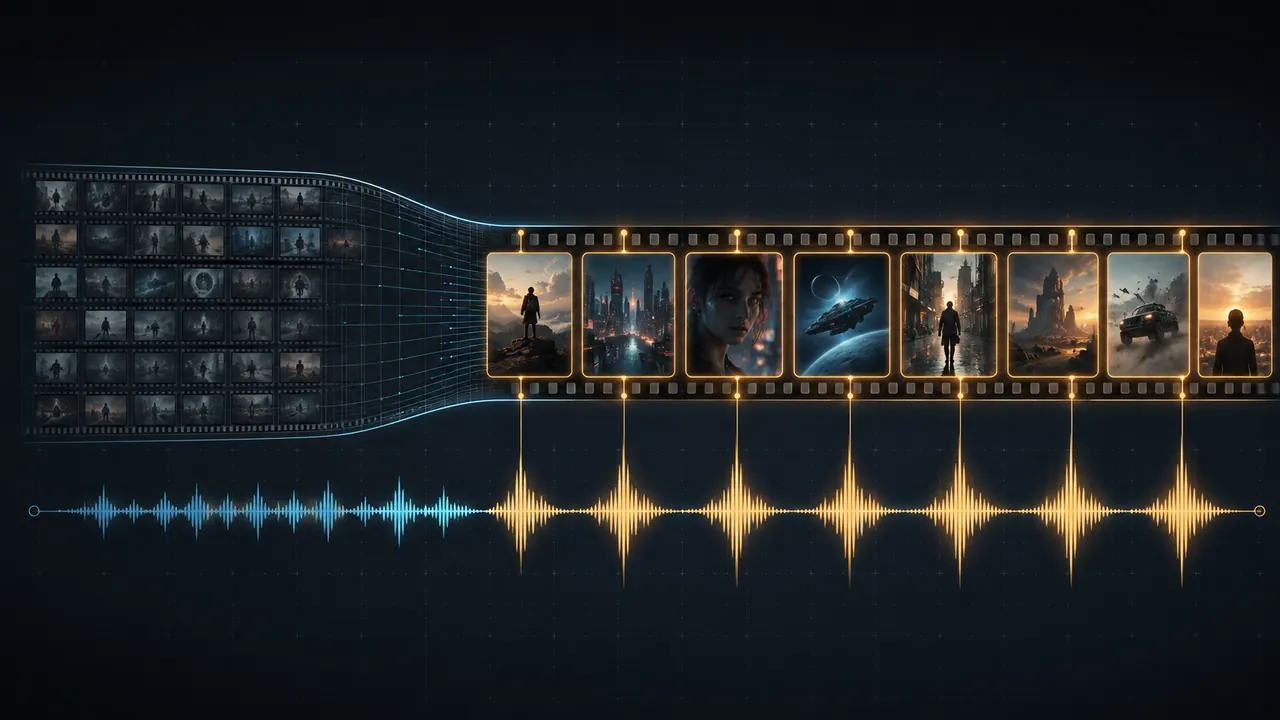
Also out September 4: an 8-step 768p Ref2VA distillation for MiniMax H3 that keeps synchronized audio intact. The open-source ai-toolkit framework now supports LoRA training for H3 Ref2VA, with community guides reporting character-LoRA training on 12GB VRAM. Reference-to-video plus trainable characters plus eight steps is a genuinely shippable local pipeline.
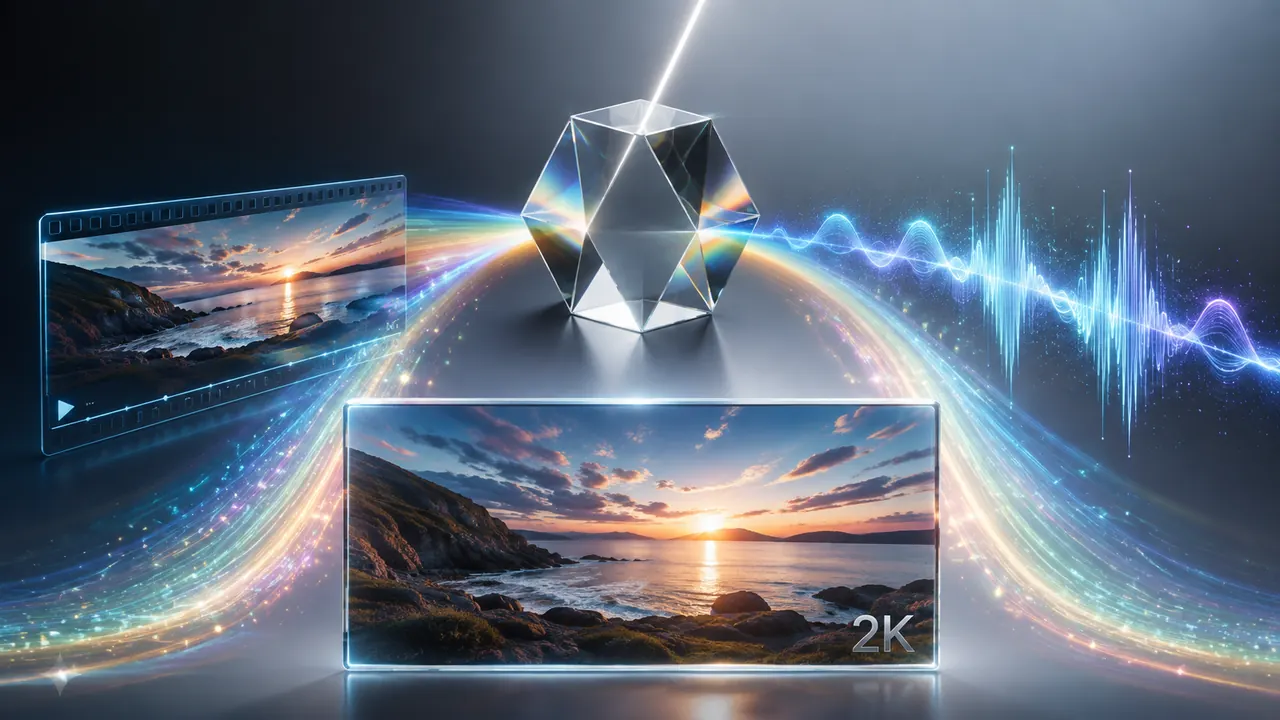
Posted September 3, DreamX-Creator 1.0 is a 7-billion-parameter joint audio-video generator using gated cross-modal attention, paired with a single-step 2K refiner. A 7B footprint with native joint audio generation is unusually accessible — most audio-video-in-one-pass models are far heavier. Worth benchmarking against LTX-2.5, which until now was the main open-weights option doing native audio-video in a single pass.
Landing September 3, the Krea2T Enhancer introduces an Attention-Weighted Phrases node for Krea 2, letting you boost or suppress individual prompt phrases directly inside the DiT attention rather than fighting it with prompt-order tricks. It's the closest thing DiT-era models have to the old weighted-token syntax creators lost in the move off UNet architectures. Small node, real control surface.
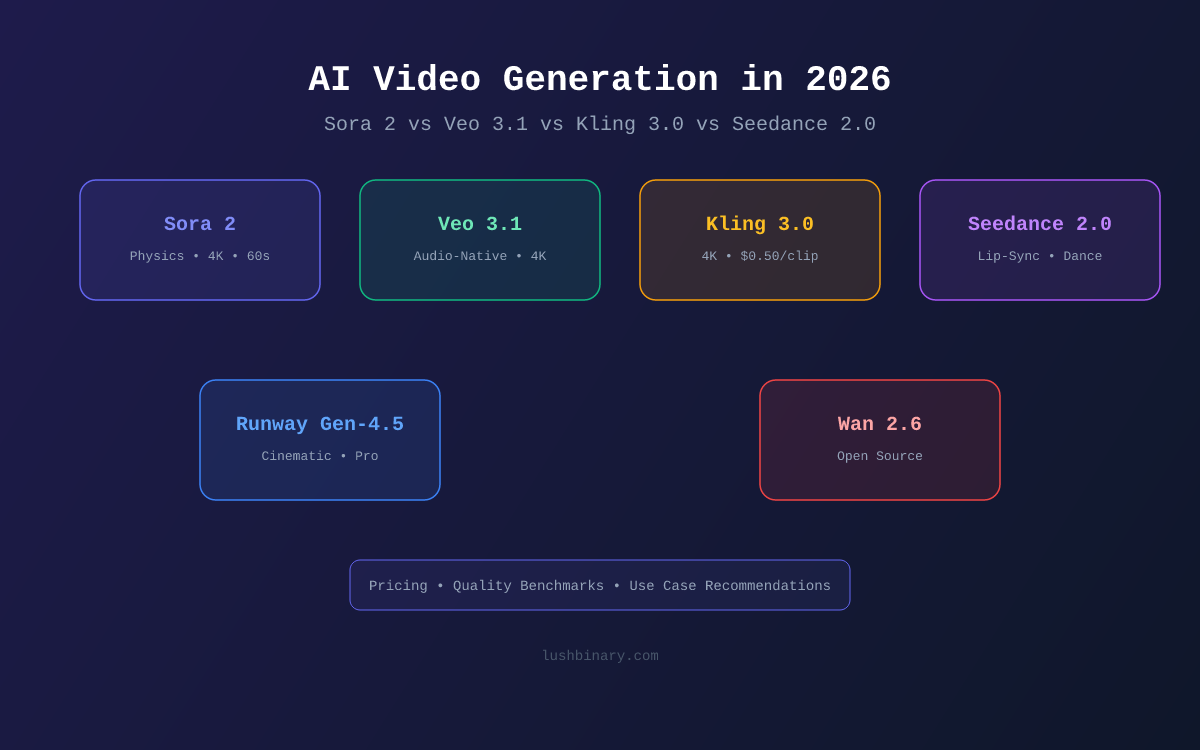
OpenAI's Sora API goes dark September 24, closing out a deprecation that started April 26 when the Sora web and app experiences were discontinued. Anyone with Sora calls still buried in a production pipeline has under three weeks to re-point at Veo 3.1, Kling 3.0, Seedance 2.5 or an open-weights fallback. Audit your integrations this week, not on the 23rd.
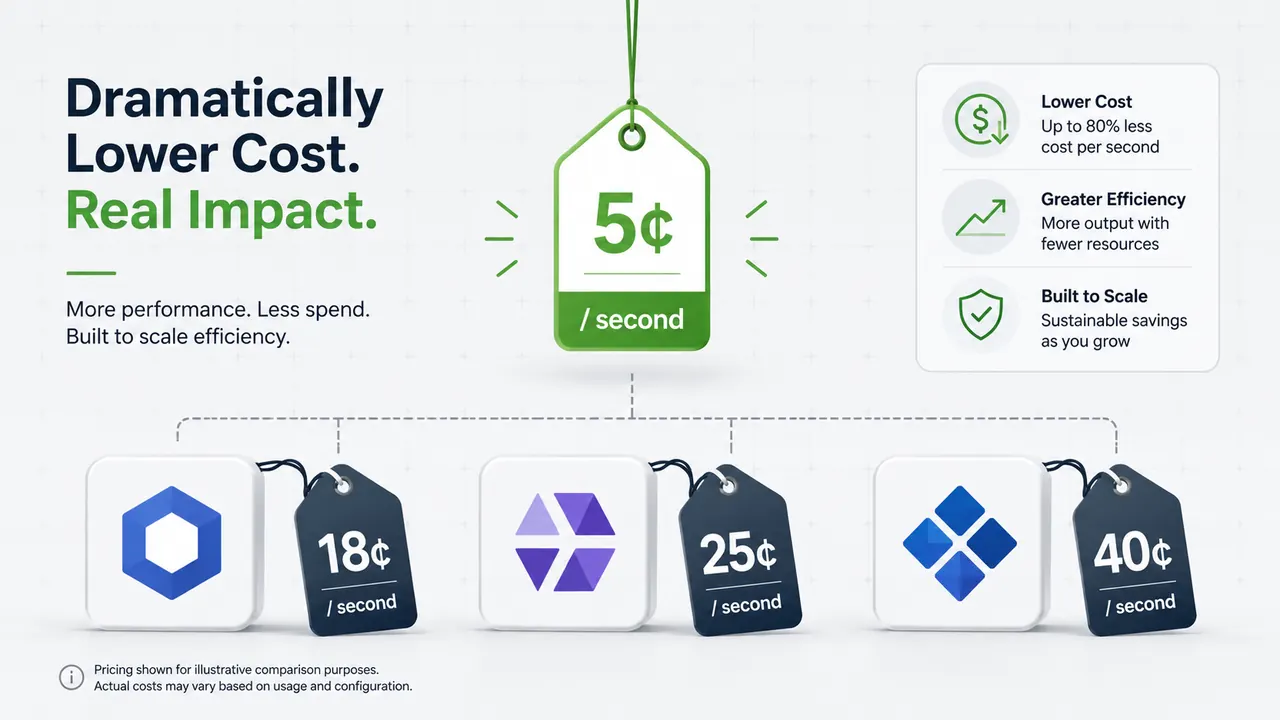
fal Research's post-trained H3 Max variant generates 5-to-15-second clips at up to 768p with synchronized stereo audio, listing at $0.05 per second at 480p and $0.08 at 768p — a 15-second 768p clip runs $1.20. Base MiniMax H3 goes cheaper still at $0.025 and $0.04 per second. Artificial Analysis has H3 at No. 1 in video editing, No. 2 in text-to-video and No. 3 in image-to-video, though MiniMax has published no official benchmarks of its own.
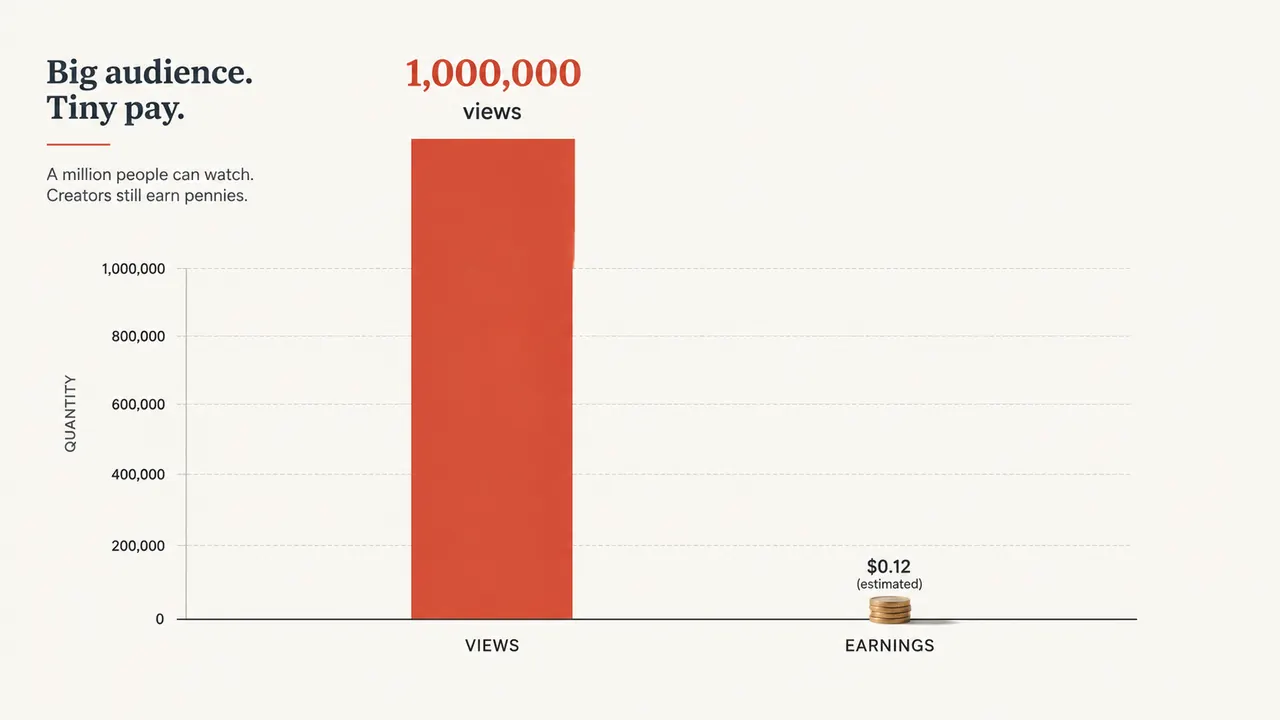
2026 data puts AI-generated Shorts RPM at roughly $0.03 to $0.10 per thousand views, so a million-view video returns $30 to $100. Channels doing 10 to 50 million monthly views land somewhere between $200 and $2,000. Meanwhile the ad-share gate requires 1,000 subscribers and 10 million public Shorts views in 90 days — and Shorts now make up 18% of total creator earnings, up from 11% in 2025.