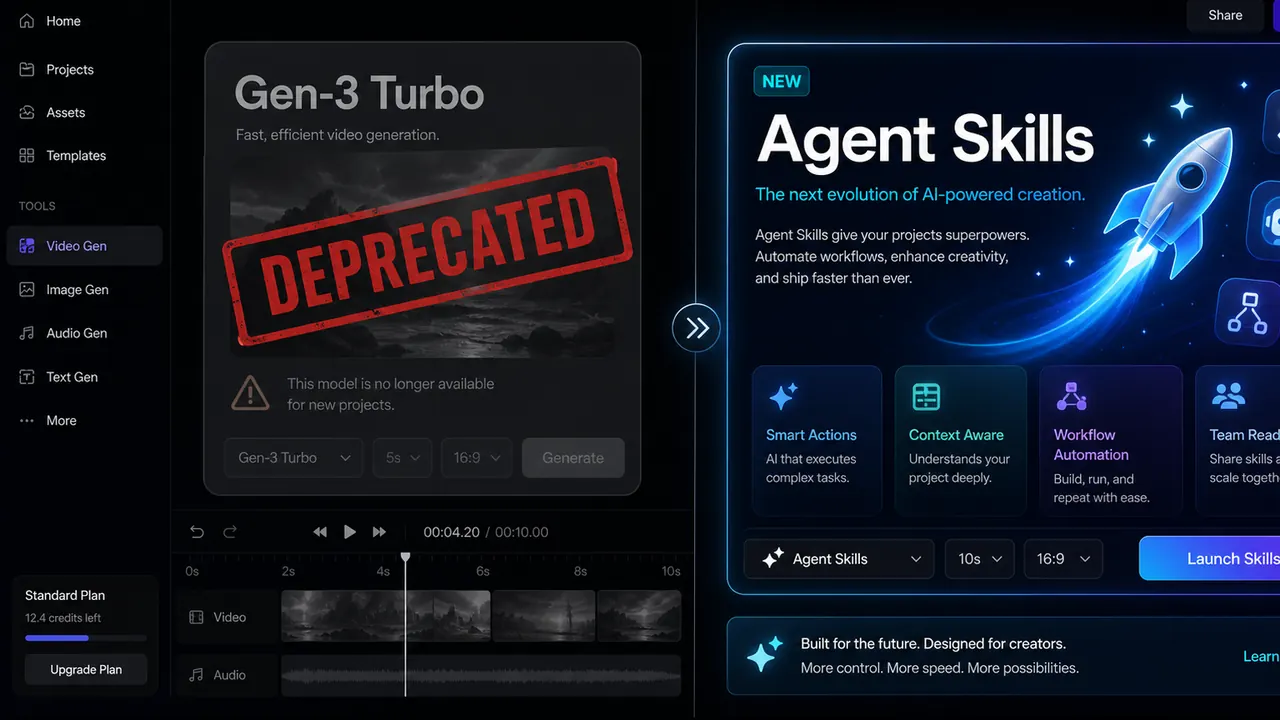
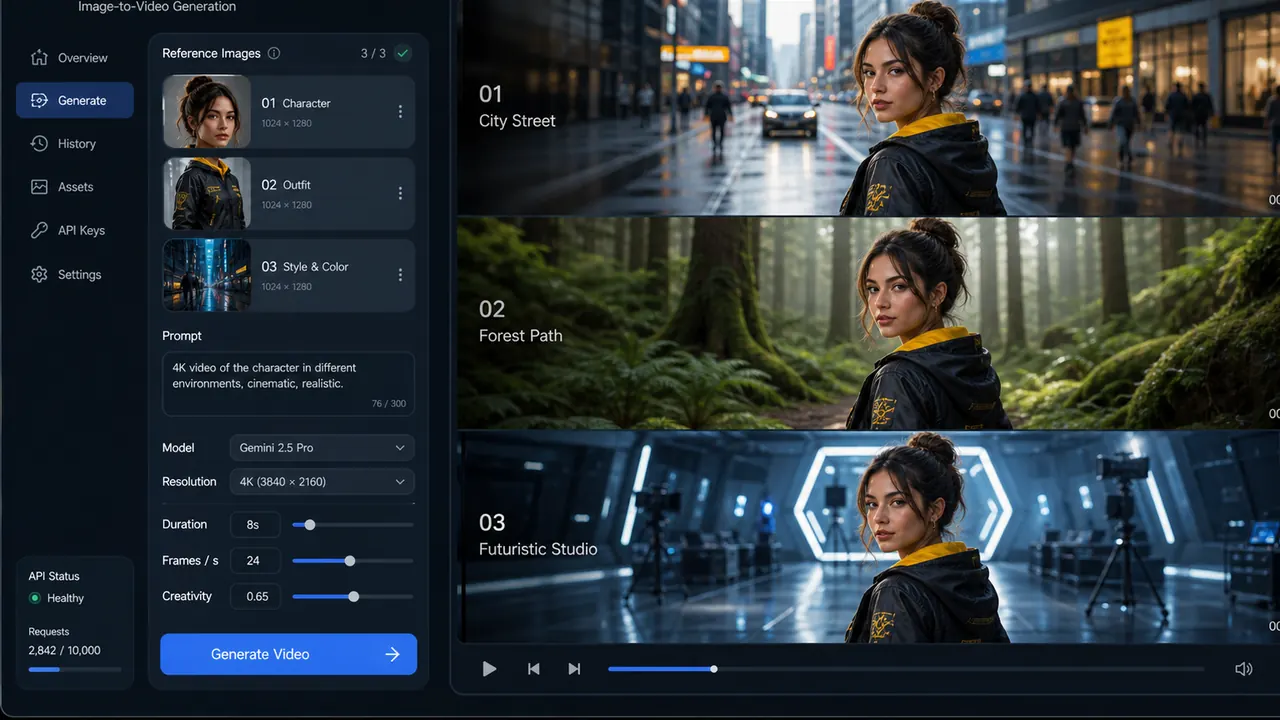
Both deprecated Runway models went dark July 30, 2026 — if your pipeline still calls either, it broke overnight. The sunset coincides with Runway's biggest feature release of the year: slash-command Agent Skills for ad campaigns, a rebuilt AI marketing agent, native audio generation, Gemini Omni Flash video integration, and 4K output across the full API, all shipped in a rolling window from late June through July 2.
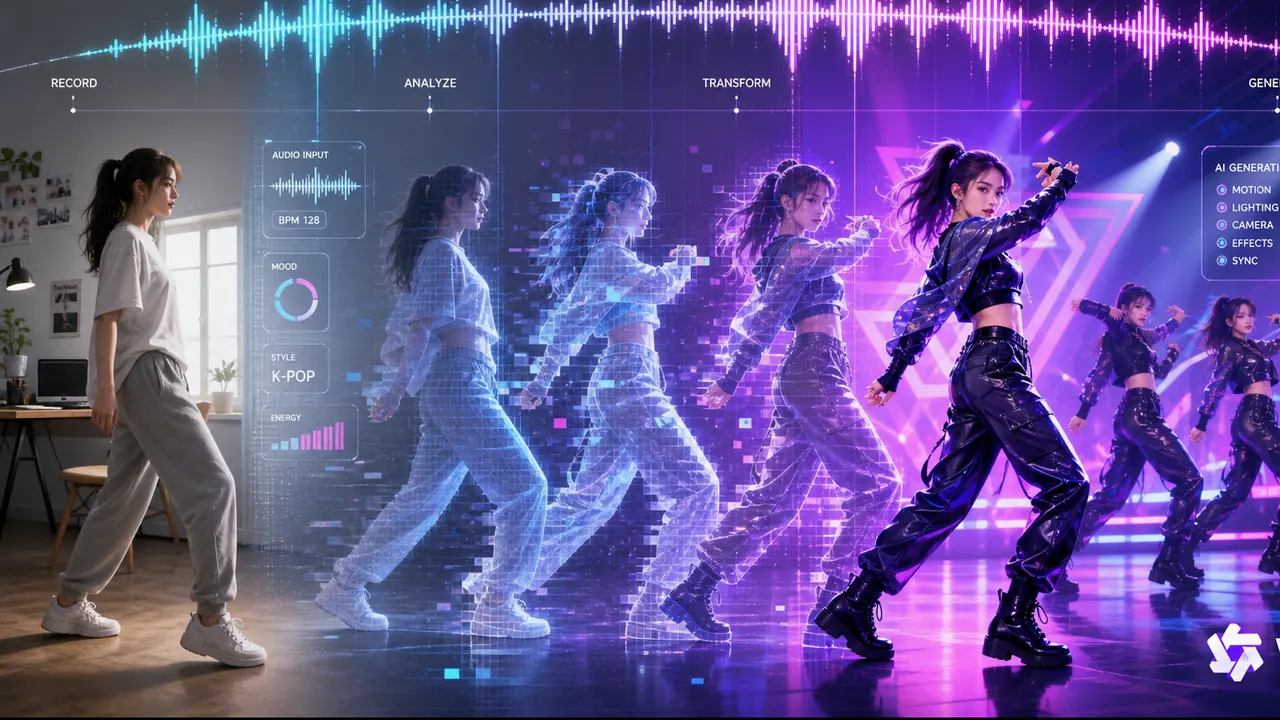
Alibaba's Tongyi Lab released Wan-Dancer-14B on Hugging Face this month — a 14B music-to-dance video model that takes a reference image, a music track, and a dance-style prompt and outputs 720p/30fps video up to 90 seconds long. A two-stage hierarchical pipeline (global keyframe planning plus local temporal refinement) solves the 20-second coherence wall that trips up most diffusion models. Five genres supported: K-pop, Chinese classical, street, Latin, and tap. Apache 2.0, fully local, no API required.
Lightricks released the Cinemagraph LoRA for LTX-2.3 on Hugging Face — an adapter that locks the background while animating a single chosen element, built specifically for seamless natural loops. ComfyUI workflows are already live on comfy.org. Trigger word is CINEMAGRAPH_MOTION; optimal settings are STG in stg_v mode, scale 1.0, targeting block 29. LoRA strength between 0.7 and 1.5 covers most use cases.
ByteDance's Seedance 2.5, announced at Volcano Engine FORCE on June 23, is entering general availability now. The headline feature: single clips up to 30 seconds with scene changes and tempo shifts built in — no stitching, no seams. Accepts up to 50 simultaneous multimodal reference inputs (images, audio, 3D models, style references), 20% better prompt adherence over v2.0, native 4K output. Content filters now block recognizable real faces and copyrighted characters following the MPA's cease-and-desist against Seedance 2.0.
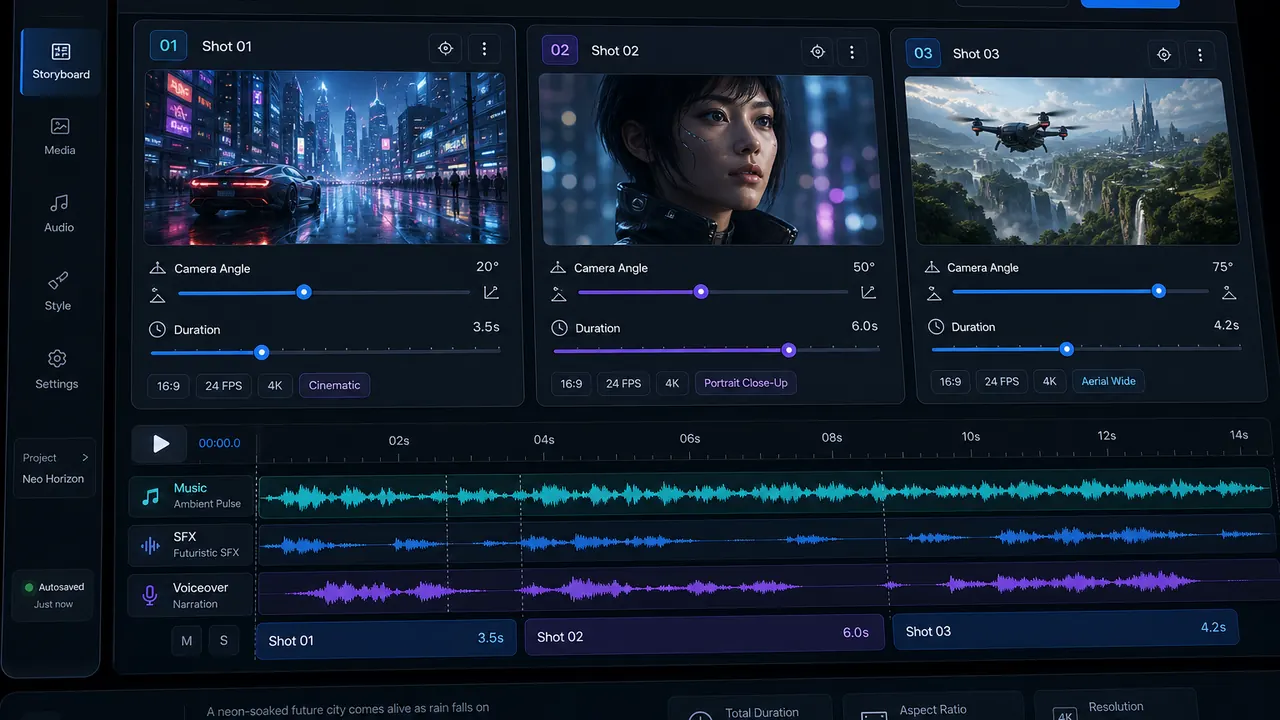
Kling 3.0's storyboard tool gives creators per-shot control over duration, camera angle, pacing, and camera movement. Native audio generation is lip-synced in five languages and multiple dialects directly from text prompts, with clips running up to 15 seconds and character consistency maintained via multi-image reference uploads. It's the current top pick for globally localized ad content that needs no separate dubbing step.
TikTok has rolled out C2PA Content Credentials scanning, meaning the platform can now flag synthetic media automatically even when creators don't self-disclose. YouTube added a mandatory in-post disclosure tag above content in January 2026. Meta unified AI content policies across Instagram and Facebook in February 2026. Across all three platforms, undisclosed AI content is no longer a gray area — the infrastructure enforces it.
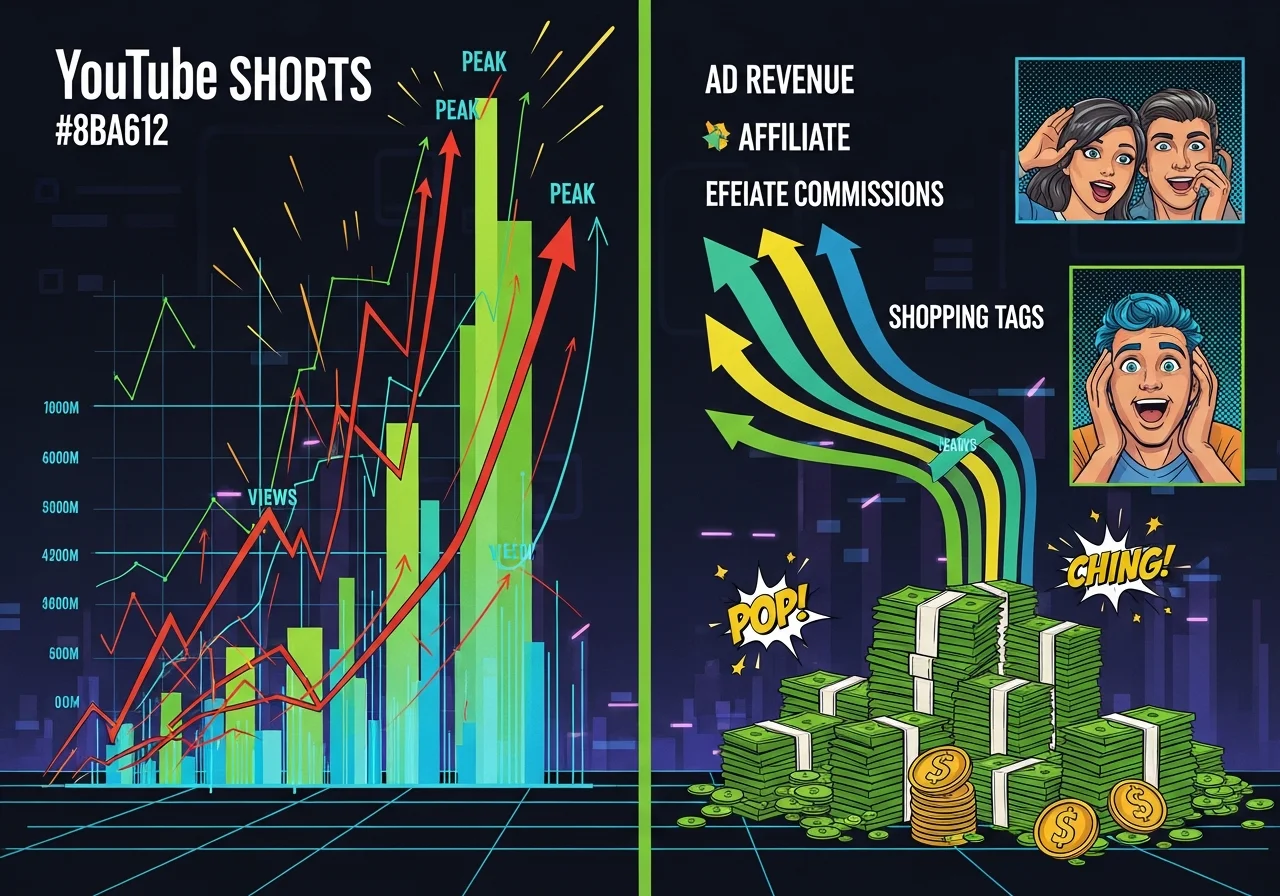
The current average Shorts RPM sits at $0.03–$0.05 per 1,000 views (45% revenue share). Channels clearing 10–50 million monthly Shorts views net $200–$2,000/month from ads. One documented case study found affiliate marketing on identical Shorts content delivered 120x that figure. Long-form RPM runs 10x–50x higher than Shorts. The AI creators earning $10K+/month are using Shorts as a funnel, not a destination.
Google's Veo 3.1, available now in the Gemini API, accepts up to three reference images per generation — appearance, style, and scene guided independently — with 1080p output and 4K upscaling for high-fidelity deliverables. Character identity holds across scene changes. It sits just behind Seedance 2.0 on the Artificial Analysis video arena leaderboard, but for teams already inside the Google Cloud ecosystem, it's the lowest-friction path to production-grade AI video.
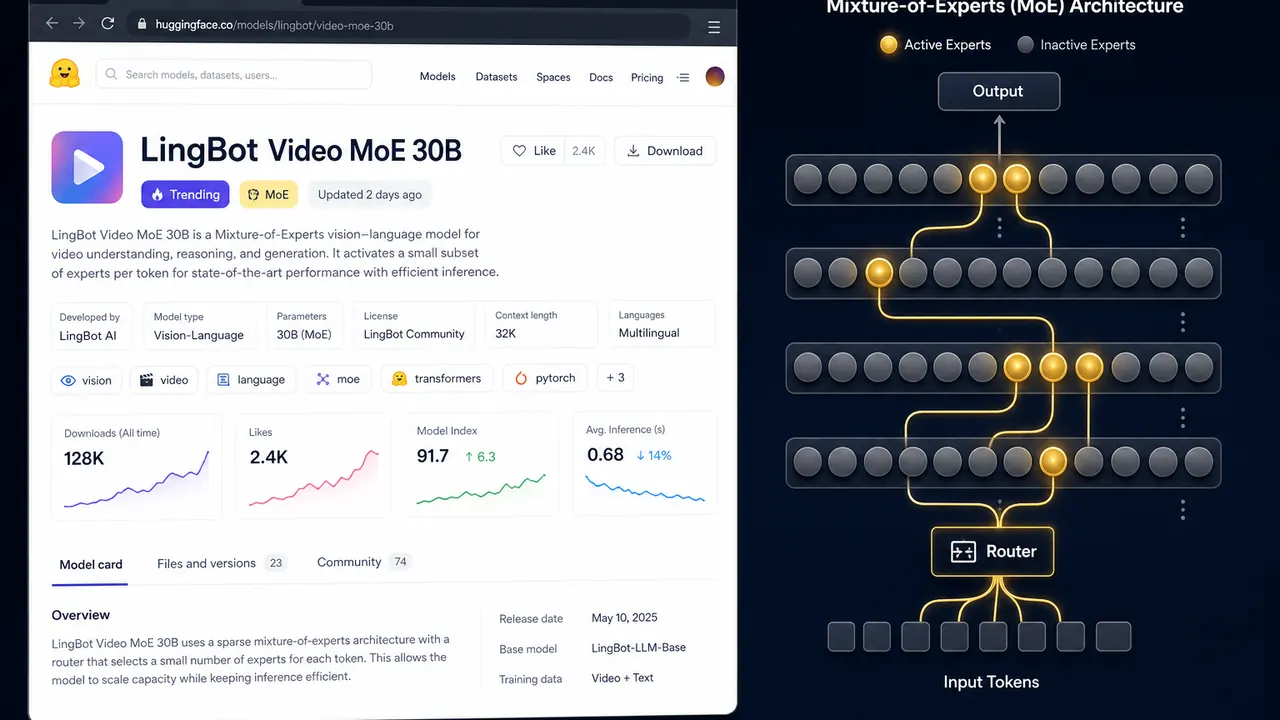
New this week on the Hugging Face trending charts: robbyant/lingbot-video-moe-30b-a3b, a 30B Mixture-of-Experts video model that activates only 3B parameters per inference pass — giving it speed characteristics far above what its headline size suggests. Ships with a custom Diffusers pipeline. No formal benchmarks yet, but RTX hardware stress-tests in the community are drawing early interest.