ByteDance's Seedance 2.5 launched early July on Dreamina and Jimeng, with CapCut integration rolling out now through mid-July — dropping 30-second native clips (no stitching), 50 multimodal reference inputs, and in-clip local editing in front of a 400-million-user audience. A beta long-video mode stretches output to 3 minutes; third-party API access via Volcano Engine lands late July. U.S. availability is still unconfirmed due to copyright disputes lingering from the Seedance 2.0 era.
On July 14, Google dropped a significant Flow update integrating Veo 3.1's native synchronized audio into Ingredients to Video, Frames to Video, and Extend for the first time — dialogue, ambient sound, and music generated simultaneously with the visuals, not layered on in post. Flow has now generated over 275 million videos since launch. Veo 3.1 Lite is also in paid preview through the Gemini API, opening a cost-effective path for developers building audio-native video pipelines.
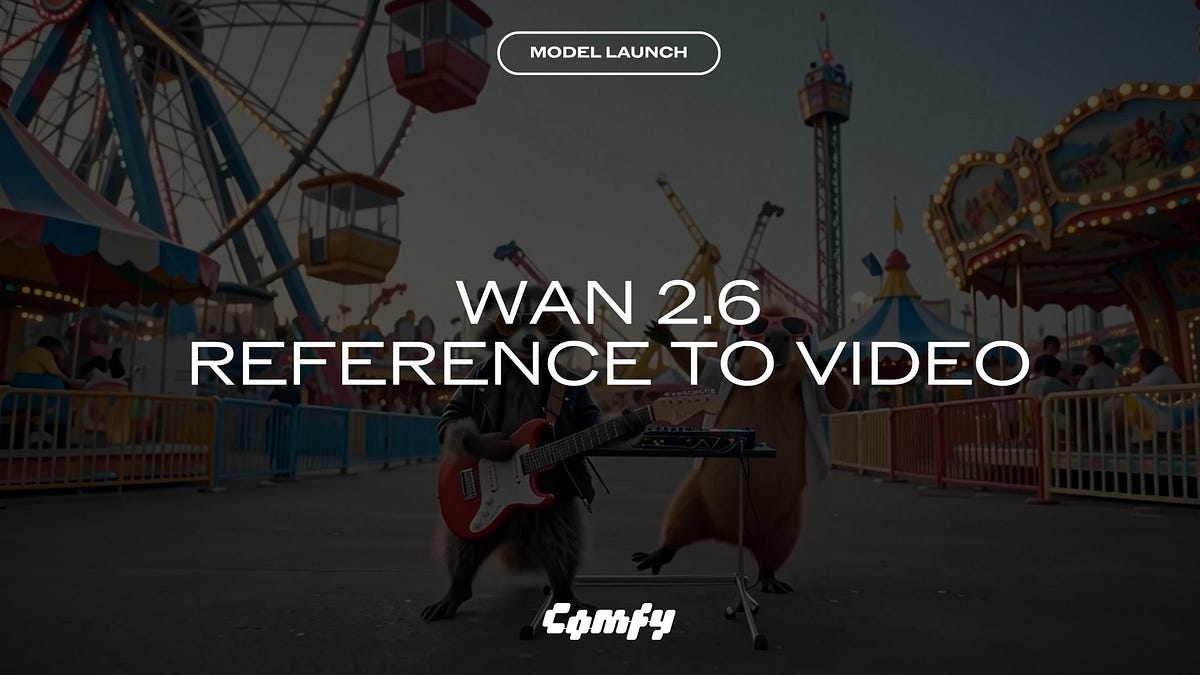
The official ComfyUI blog confirmed Wan 2.6's Reference-to-Video workflow is now natively supported, letting creators feed one or two reference clips to reproduce motion, camera behavior, and visual style in new shots at up to 1080p. Apache 2.0 license covers client work, ads, and paid content explicitly. Worth noting: open downloadable weights top out at Wan 2.2 — anything branded 2.5 or 2.6 with local weights is not from the official repo.
The latest ComfyUI release adds native int8 model support with optimized LoRA loading and memory management, compatible with Turing-gen GPUs (RTX 2060 and up). Combined with the ComfyUI-INT8-Fast custom node, creators report 1.5 to 2x speed gains over fp16 at a small quality trade-off — a meaningful win for anyone running consumer hardware.
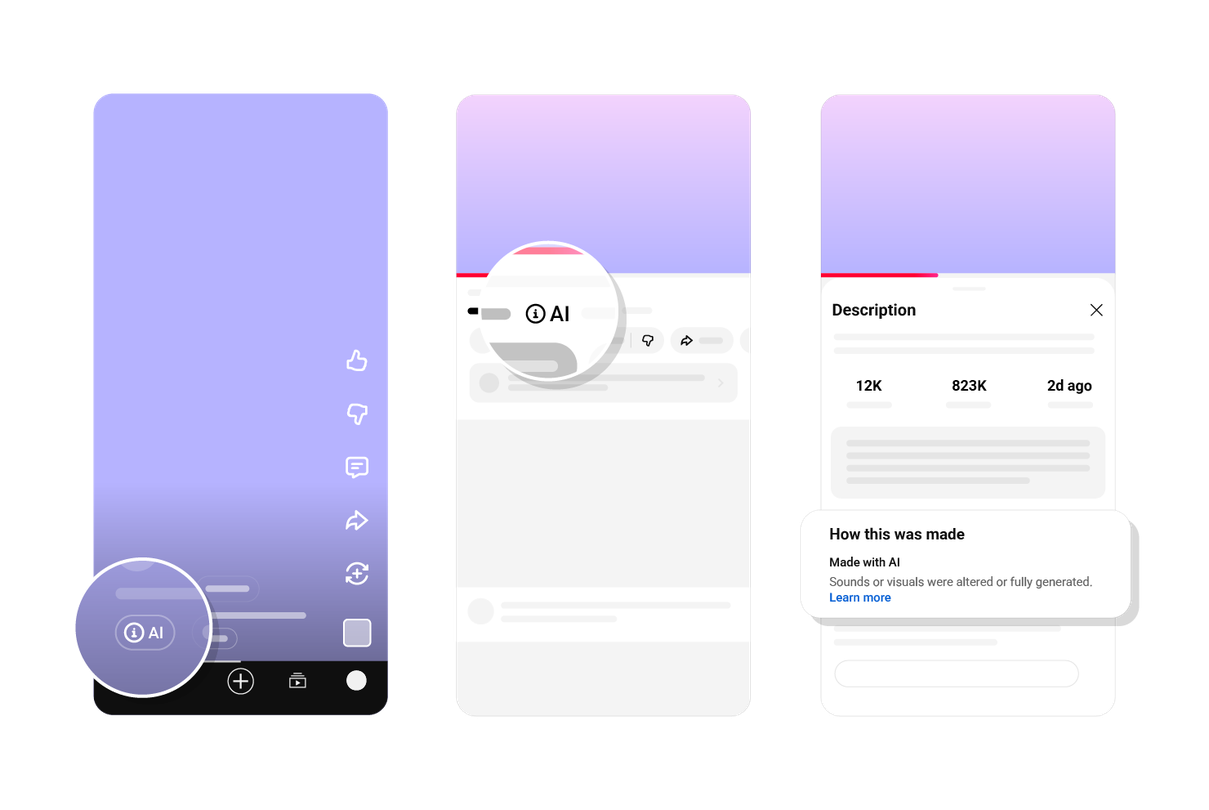
Since May 2026, YouTube automatically applies AI disclosure labels to photorealistic synthetic content, appearing below the player on long-form and as an overlay on Shorts. Content made with YouTube's own Veo or Dream Screen tools, or carrying C2PA metadata, gets a permanent disclosure that cannot be removed. Properly labeled content stays fully monetization-eligible with no algorithmic penalty.
The Sora app went dark April 26; the API follows September 24, 2026. OpenAI cited $1 million per day in operating costs against just $2.1 million in total lifetime revenue, with active users dropping from roughly 1 million to under 500,000. Any production workflow still hitting the Sora API has about 10 weeks to move — Runway Gen-4.5, Veo 3.1, and Kling 3.0 are the primary landing zones.
TikTok's enforcement framework escalates from warning to permanent ban for creators skipping AI labeling on realistic content, and has now auto-labeled over 1.3 billion AI-generated videos since integrating C2PA Content Credentials in January 2025. Ads carrying AI visuals or audio must use the dedicated AI Disclosure tag in TikTok Ads Manager — miss it and the ad gets pulled. Compliant content sees no distribution penalty.