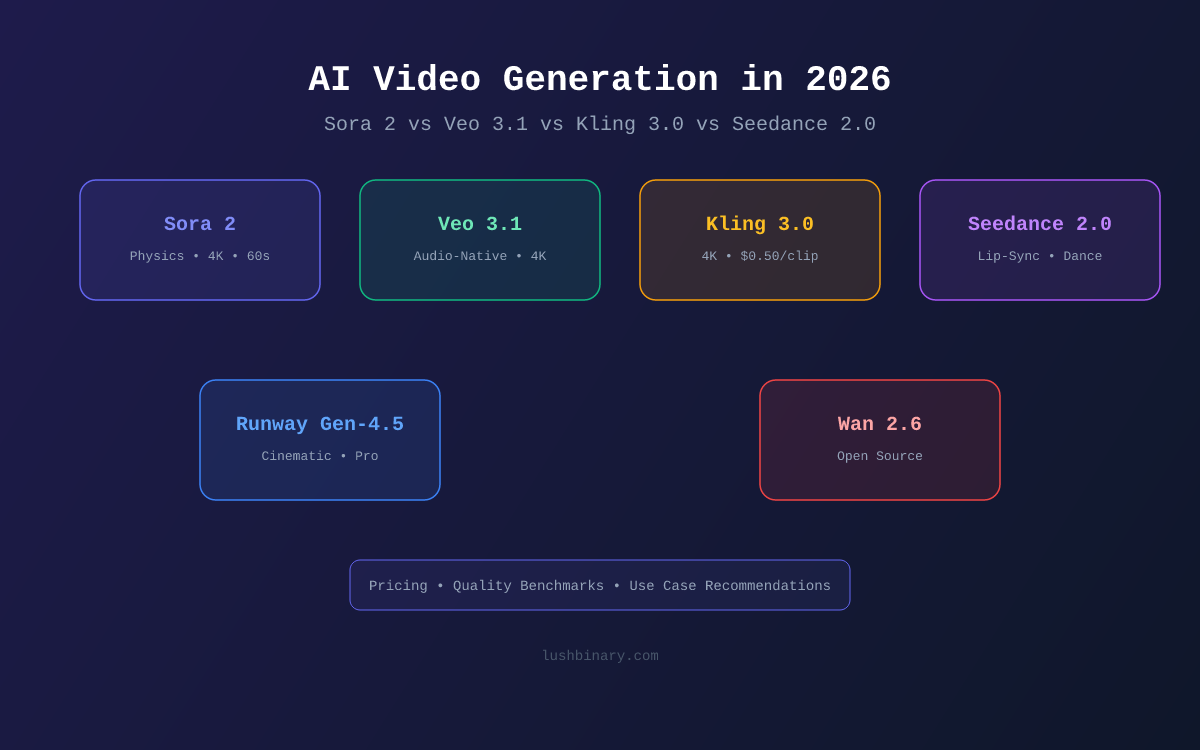
ByteDance's Seedance 2.5 — the model that generates a true unbroken 30-second 4K clip in a single pass with no segment stitching — is mid-rollout right now. Enterprise beta opened July 3; Dreamina and Jimeng consumer access followed; CapCut integration is landing in mid-July, which hands the capability to 400 million monthly active users. Third-party API access via Volcano Engine is expected by late July. No confirmed US pricing yet, but enterprise rates have been cited above $28 per clip, signaling this is targeting studios and ad shops, not hobbyists — at least for now.
Kling 3.0 Turbo and Omni launched June 17 and are fully available now. At roughly $0.84 for a 10-second 1080p clip with native audio, it's the lowest credible per-clip price among 4K flagships. The Omni engine adds per-character lip-sync across five languages, an AI Director mode for up to six distinct shots in a single pass, Motion Brush for hand-drawn motion paths, and native text rendering — legible signage and logos in-frame. For working creators, this is currently the highest output-per-dollar model available.
Google's Veo 3.1 remains the benchmark for synchronized native audio, prompt adherence, and 4K output in both landscape and portrait orientations. Current rankings put it at the top of the stack for establishing shots, dialogue scenes, and anything requiring clean audio-video sync without post-production work. It hasn't dropped a new feature announcement this week, but it's sitting at the top of multiple July tier lists — which matters because that's where new creators are landing.
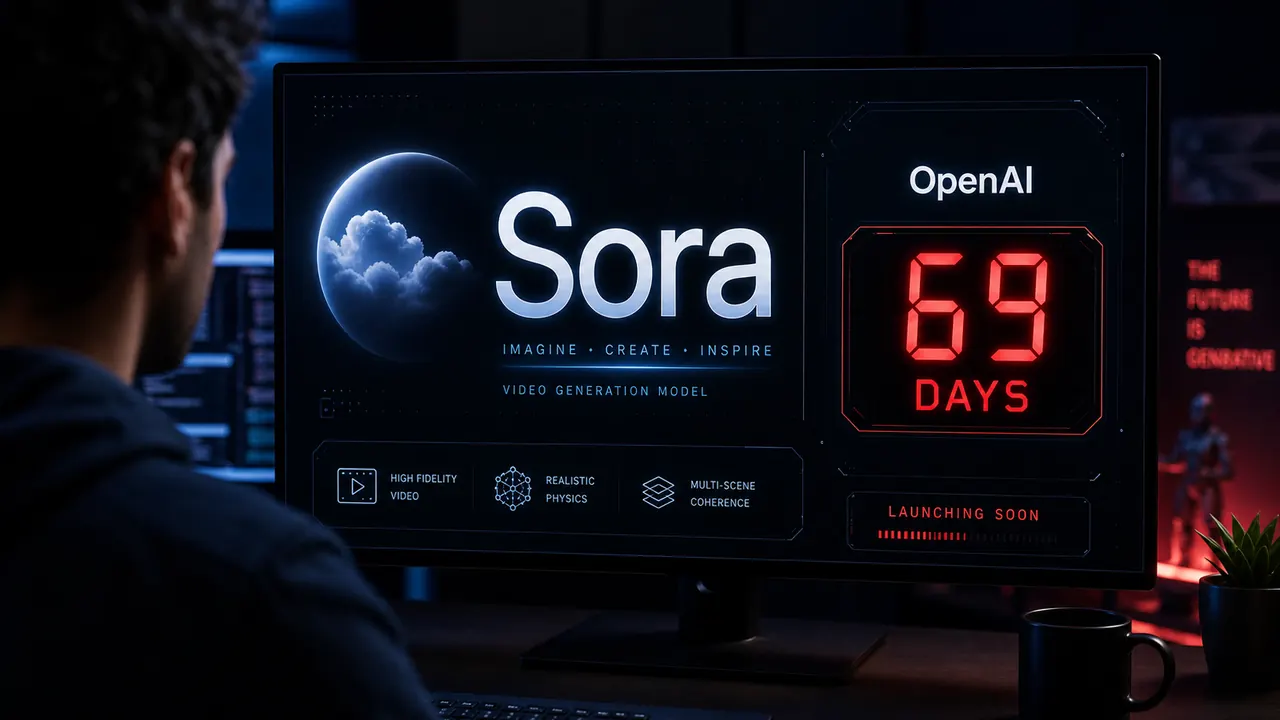
The Sora app went dark April 26. The API follows September 24, 2026. OpenAI confirmed the shutdown is driven by financial reality: the product cost roughly $1 million per day to run and generated only about $2.1 million in total revenue before collapse. The strategic pivot is toward coding tools and enterprise customers ahead of IPO. If you have any production workflow still touching the Sora API, the migration clock is running — about 10 weeks left.
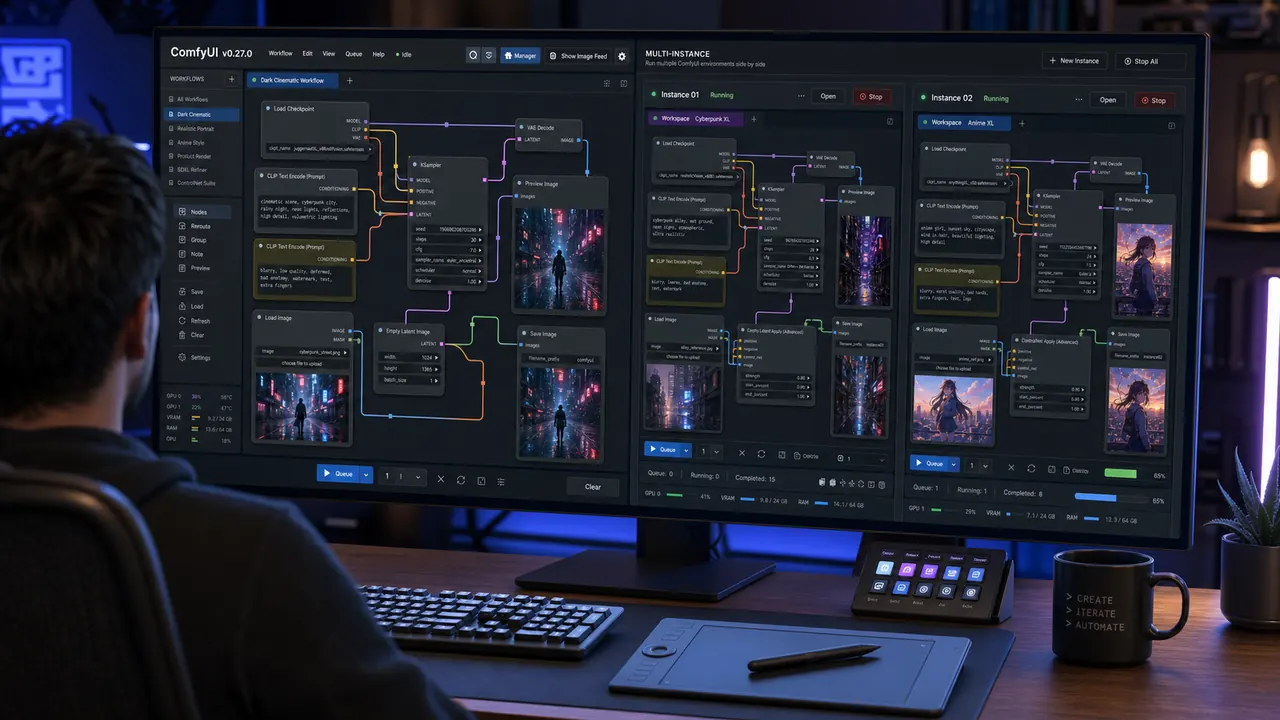
ComfyUI Image Workflows updated to V37 this week, built on ComfyUI v0.27.0. Changes include NegPip added to the Advanced section, updated inpainting and outpainting defaults, and general bug fixes. Separately, the platform (now branded Comfy Desktop) added multi-instance management — you can run more than one ComfyUI setup from the same app, each with its own version, custom nodes, and settings. For anyone juggling Wan 2.2 and LTX pipelines on the same machine, that multi-instance feature is a real workflow unlock.
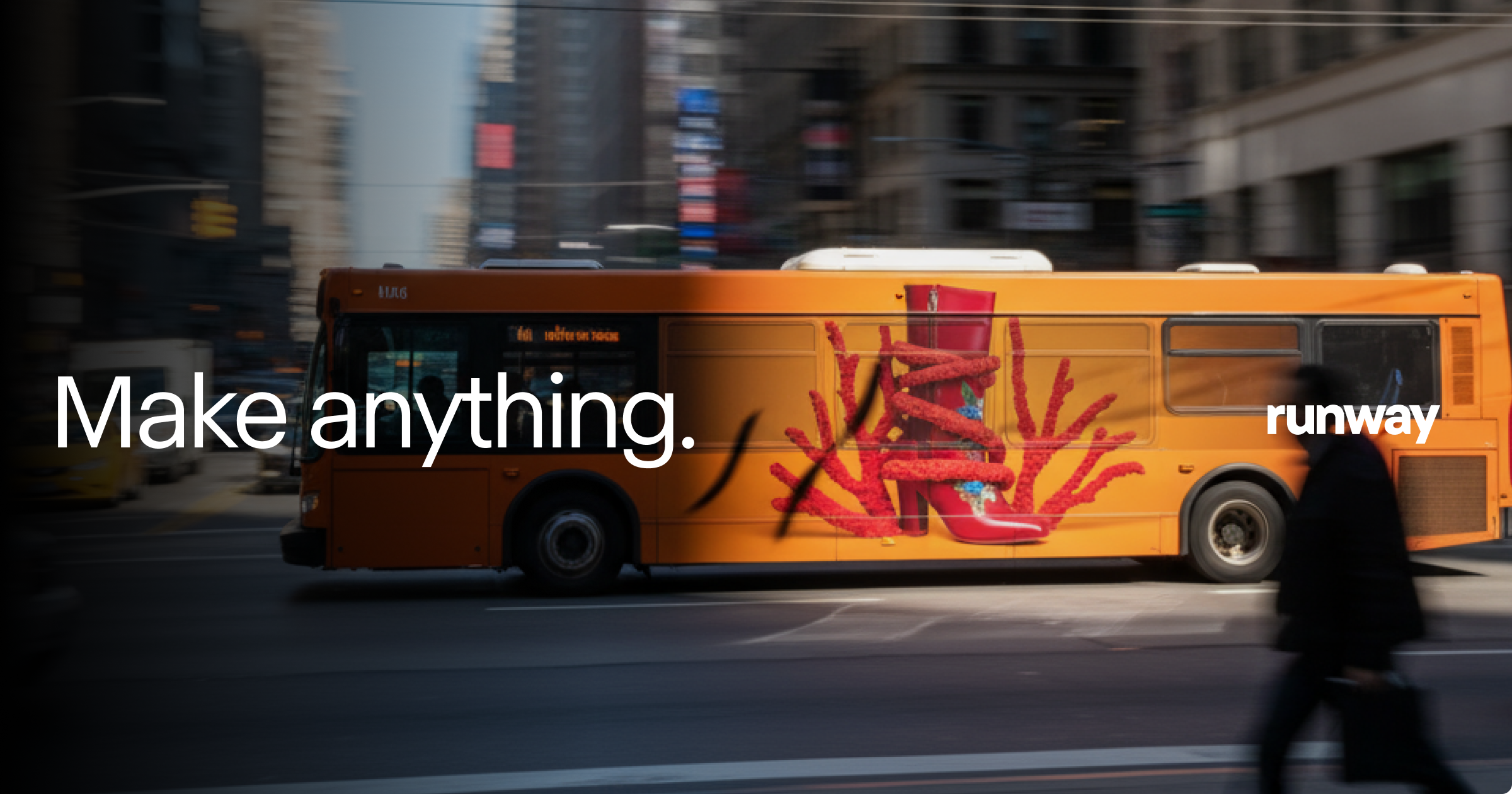
As of July 1, Runway's Gen-4 Image is available through the Runway API for direct integration into apps and platforms. Also live: Nano Banana 2 Lite, a fast image generation model described as full-quality without the wait. Gen-4.5 video continues to lead among professionals who need granular camera control — motion brush, reference-driven character consistency, and precise shot composition — where it still has no peer. The API availability of Gen-4 Image is the most actionable move here for anyone building AI-assisted creative tools.
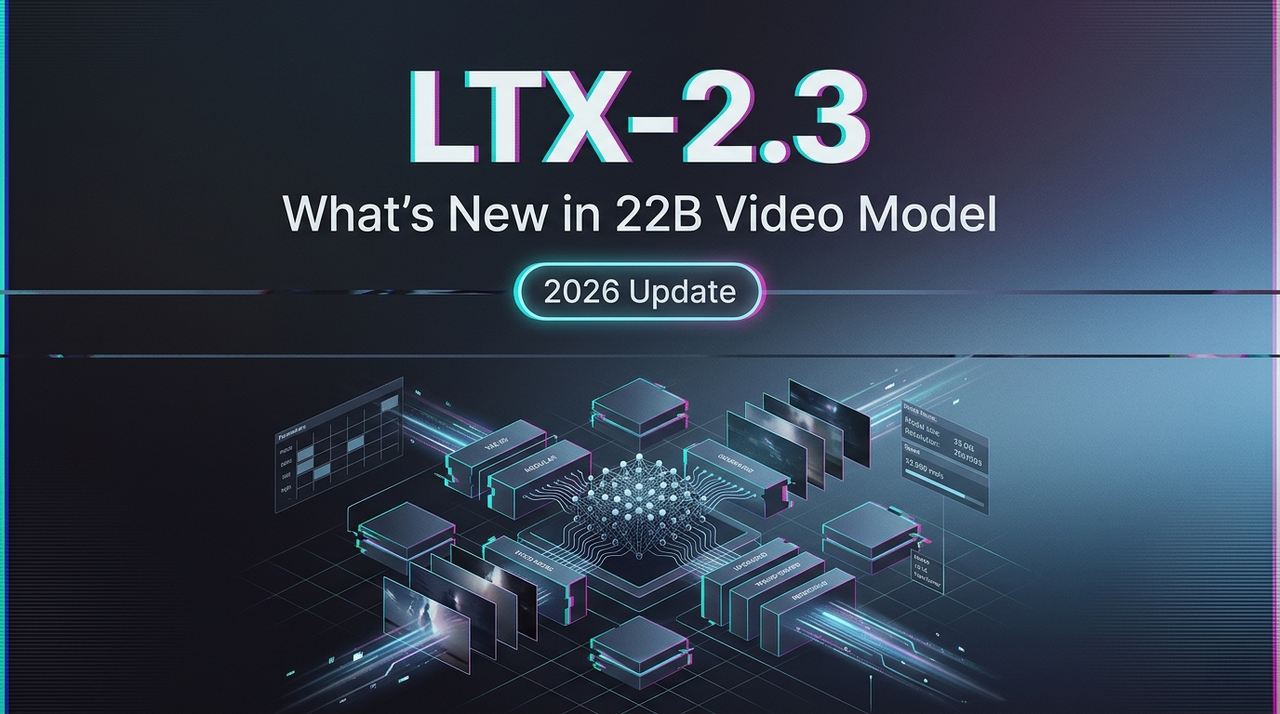
Lightricks dropped several LTX 2.3 updates in June that are fully in play this week: IC-LoRA Motion Track Control lets you guide motion using sparse point trajectories, IC-LoRA Union Control combines Canny and Depth maps in one pass, and a new INT8 quantization option cuts VRAM requirements. The model sits at 22 billion parameters with native 4K up to 20 seconds at 48 FPS. It's open-source on GitHub and Hugging Face. The motion tracking capability in particular is worth testing for anyone doing character animation or object tracking without rotoscoping.
TikTok's tiered enforcement for unlabeled AI content is now fully active. The platform combines C2PA Content Credentials, invisible watermarking, and detection models — it has auto-labeled over 1.3 billion videos. Enforcement removals for unlabeled AI content jumped 340% in 2025 versus 2024, and the 2026 regime is stricter. Repeated violations escalate from warnings to posting restrictions to permanent payout disabling to account bans. If you're running AI video channels at any scale, the label toggle in-app is non-negotiable.
YouTube's Partner Program remains open to AI content with standard disclosure requirements — the "Altered or Synthetic Content" label in Creator Studio is mandatory for realistic synthetic footage. Revenue-per-thousand-views benchmarks settling out for AI niches: short film and series at $2–$6 RPM, AI tutorials at $8–$15 RPM because the audience skews toward tech professionals. Mass-produced near-duplicate AI video is being actively demonetized. The opportunity is clearly in original storytelling and educational content, not faceless bulk generation.
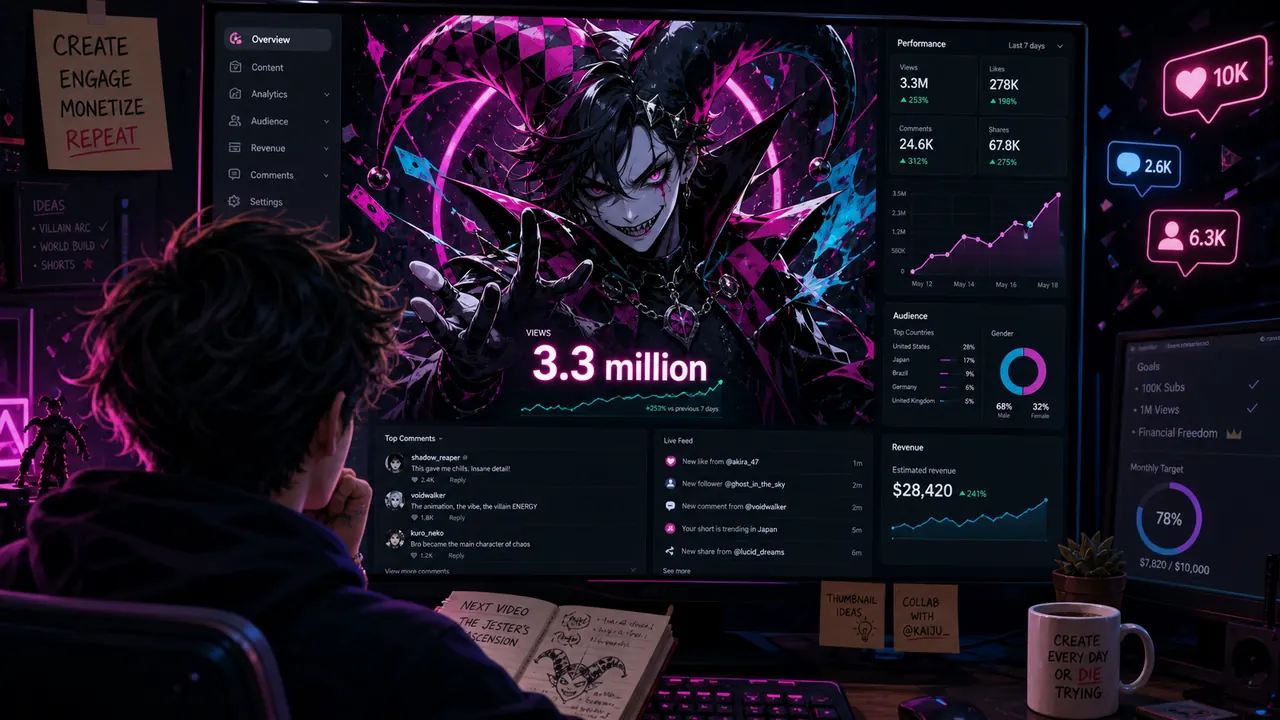
Creator DreamsHorizon's AI-generated anime villain Miss Chiff — a jester-clown character from the indie shonen series SoulFusion — went viral on X and TikTok in May-June 2026, pulling 3.3 million views on a single clip. No monetization yet, but the lore-building community engagement model is drawing comparisons to how indie manga fandoms historically scale. It's a proof-of-concept for character-driven AI video series as an IP play rather than an ad-revenue play.