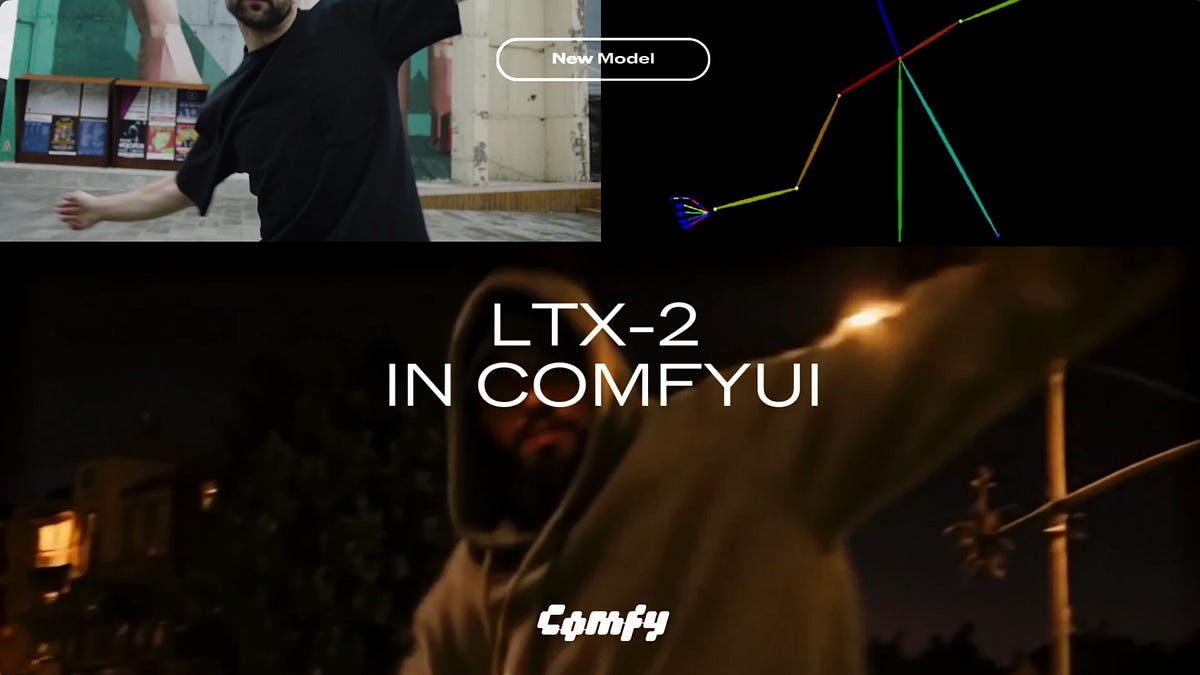
Lightricks released LTX-2 with Day 0 ComfyUI support: 4K at 50fps with fully synchronized audio — dialogue, background noise, and music — generated in a single pass, no separate audio pipeline. Runs on 12GB VRAM in FP8 mode, Apache 2.0 licensed, and installs via ComfyUI Manager in minutes. This is the only open-source model matching commercial audio-video parity locally.
ByteDance is rolling Seedance 2.5 out of enterprise beta this week via Dreamina (international) and Jimeng (China), with CapCut integration targeting mid-July and Volcano Engine API access in late July. The model generates 30-second continuous clips natively and accepts up to 50 simultaneous multimodal reference inputs — images, video clips, and audio files — compared to roughly 12 in Seedance 2.0. ByteDance added content filters to address the MPA cease-and-desist targeting Seedance 2.0's handling of recognizable faces and copyrighted characters.
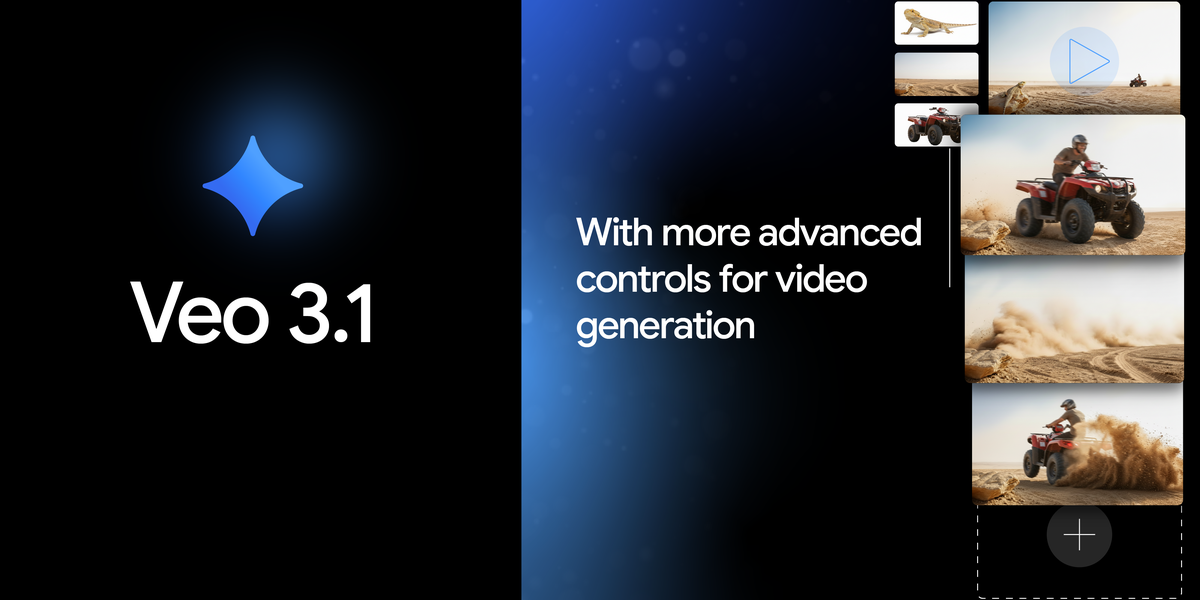
Google opened Veo 3.1 to every standard Google account at 10 free generations per month, available inside Google Vids, YouTube Shorts, Flow, and the Gemini API. New features include portrait/vertical mode for Shorts, 1080p and 4K upscaling, and "Ingredients to Video" — character identity consistency across shots even as the setting changes. Veo 3.1 remains the only model generating 48kHz synchronized dialogue natively.
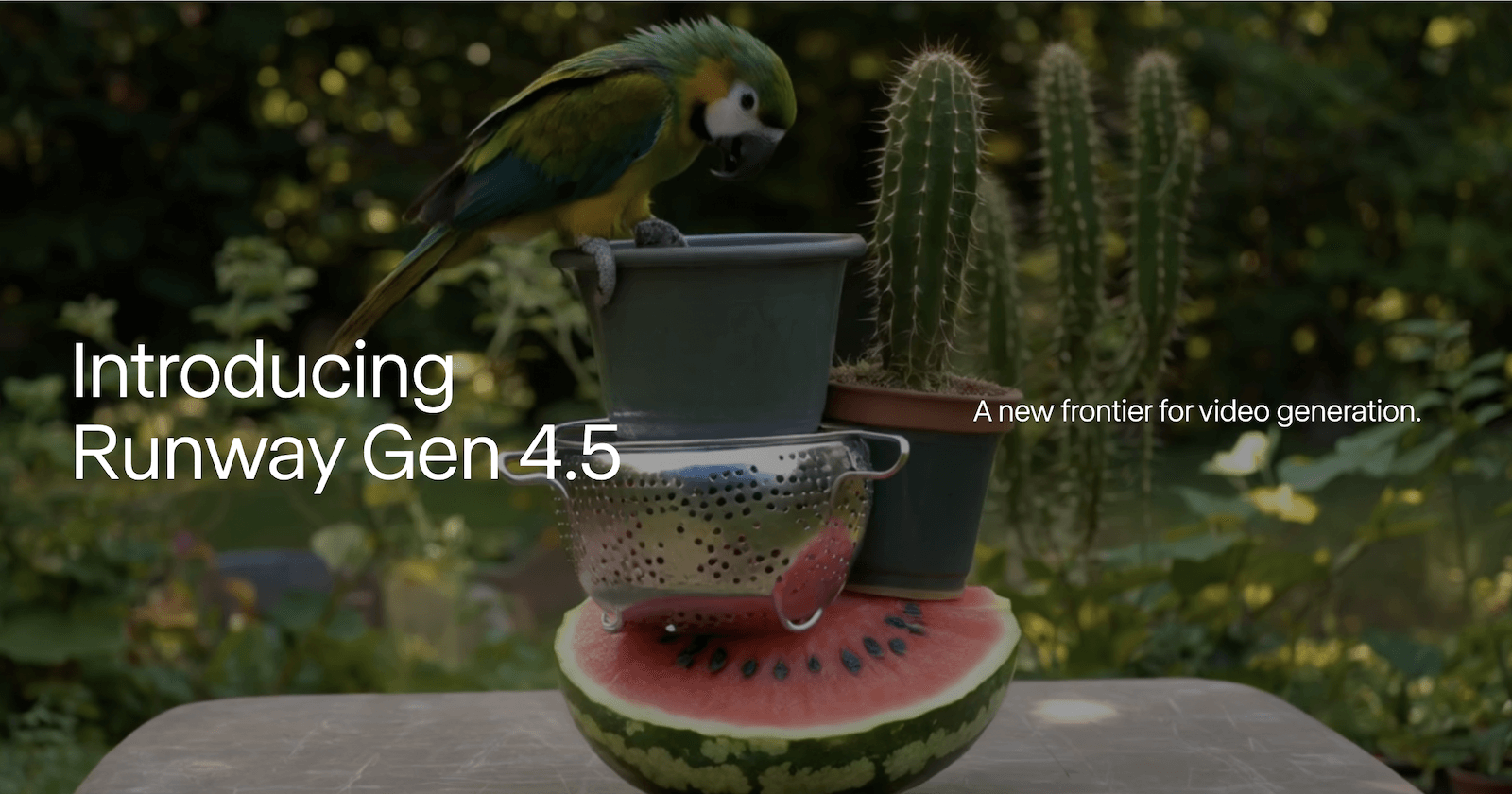
Runway expanded Gen-4.5 with six 4K ratio values across text-to-video, image-to-video, and video-to-video endpoints, billed at 150 credits per second. Gen-4.5 currently holds the top slot on the Artificial Analysis Text to Video benchmark at 1,247 Elo points. All major control modes — Keyframes, Video-to-Video, Image-to-Video — are coming to Gen-4.5 in upcoming releases at the same credit pricing as Gen-4.
Wan 2.7 officially integrated into ComfyUI's Partner Nodes system with five task types: first-frame I2V, first-plus-last-frame bracketing, audio-driven animation, text-to-video with multishot narration, and reference-to-video with vocal timbre matching. Accepts up to 5 real-person reference images, 5,000-character prompts, and a 3x3 image grid input mode. The official partner node brings template library support and stability improvements over community custom node alternatives.
TikTok disclosed it has labeled over 1.3 billion videos platform-wide using C2PA Content Credentials metadata scanning — no creator disclosure required. Any video exported from tools that embed C2PA data (Midjourney, DALL-E, Adobe Firefly, most major platforms) gets labeled automatically on upload. Undisclosed AI content detected by the system faces reduced distribution or removal and may affect account standing, but properly labeled content remains fully monetization-eligible.
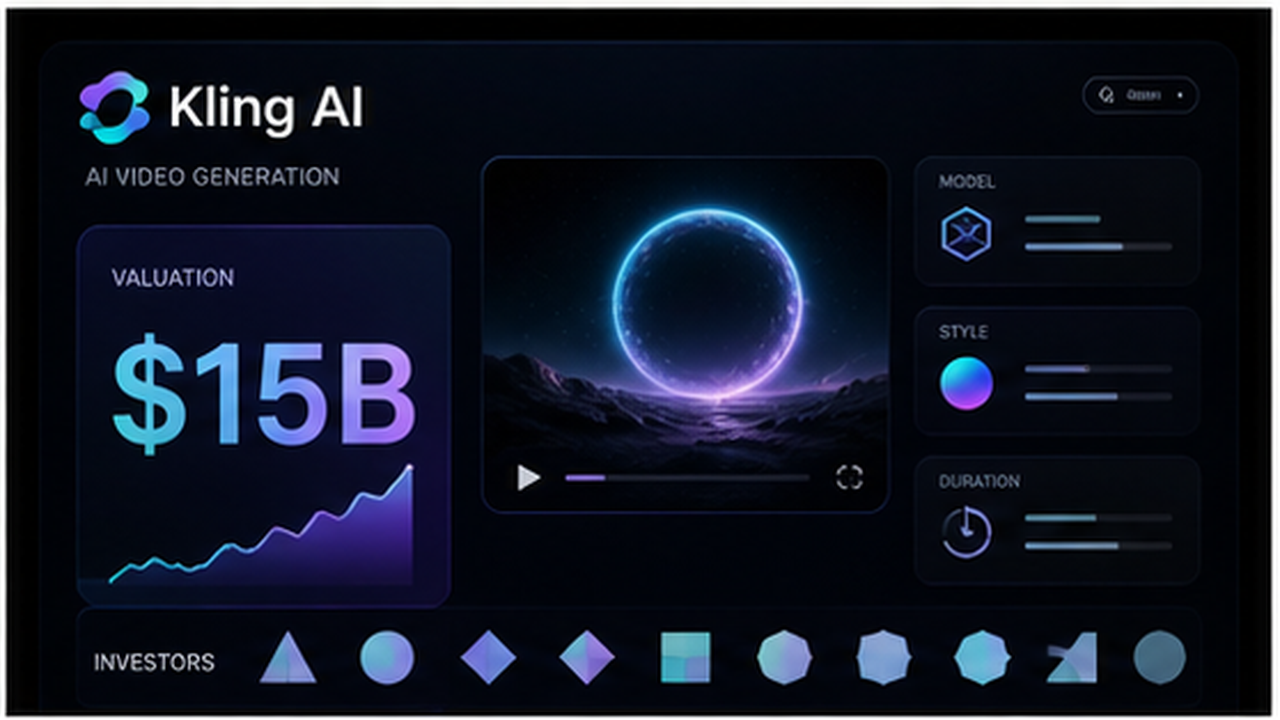
Kuaishou's Kling AI secured $2.03 billion committed from Alibaba, Tencent, Baidu, and Abu Dhabi's BlueFive Capital at approximately a $15 billion valuation. Kling 3.0 features native 4K, 60fps, 15-second clips, the "AI Director" multi-shot sequencing mode (up to six distinct shots per generation), and native in-video text rendering. With CapCut as the 400M-user distribution arm and this capital behind it, Kling is structurally positioned for multi-year competition.
YouTube's May 2026 automatic AI detection now identifies photorealistic synthetic media and applies disclosure labels even when creators skip the manual toggle. The demonetization trigger is not AI origin — it's "inauthentic content," defined as mass-produced, repetitive AI output with minimal human creative variation. Thoughtfully differentiated AI video with proper disclosure remains fully Partner Program eligible; template-farm channels with zero variation between videos are the target.
OpenAI killed the Sora web and app experience on April 26, 2026, and confirmed the API follows on September 24. Any production pipeline or client workflow built on the Sora API has roughly ten weeks to migrate. Replacement candidates: Veo 3.1 via Gemini API for synchronized audio output, Seedance 2.5 via Volcano Engine for long-clip generation, or Runway Gen-4.5 for benchmark-leading quality.