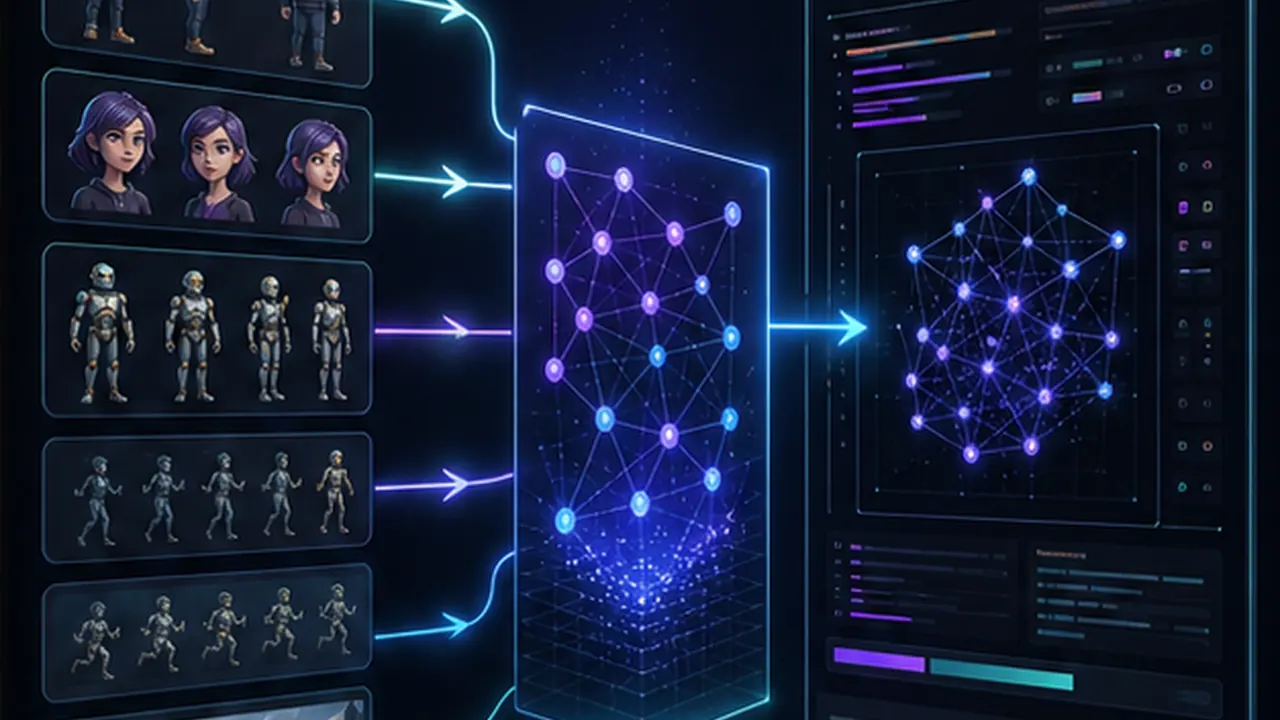
Dropped July 20 — Lightricks quietly shipped the LTX Trainer update that extends to video, audio, and cross-modal conditioning in a single unified framework. Supports LoRA, IC-LoRA, and full fine-tune, and critically you keep full model ownership. If you've been waiting for a clean, open path to custom character or style LoRAs on the LTX-2.3 22B model, this is it.
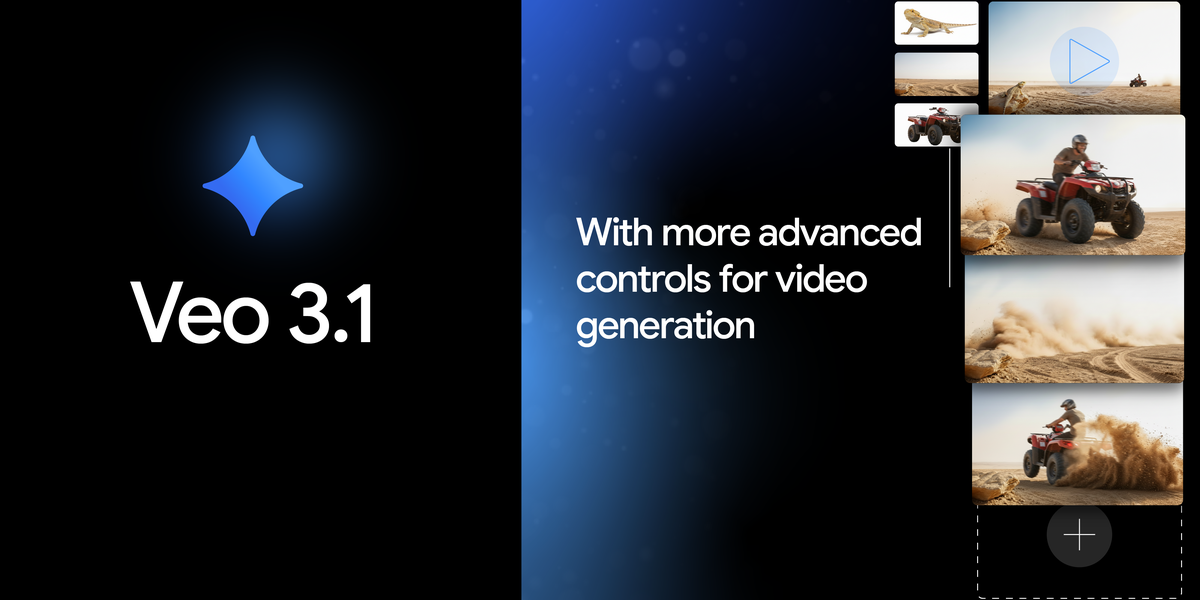
Google dropped Veo 3.1 on July 20 with improved native audio, better narrative coherence, and richer cinematic style understanding. Pricing holds from 3.0. The operationally useful news: negativePrompt is now live for Veo 3.0, 3.1, and the fast variants via the Runway API — the missing control layer is finally there. Note that Veo 3.0 endpoints sunset June 30, so if you're still calling 3.0, you need to migrate now.
TikTok's new four-tier penalty system is active: warning, then demonetization, then posting restrictions, then permanent ban — all triggered by undisclosed AI content. The enforcement mechanism is C2PA Content Credentials, which means the platform is flagging AI-generated faces automatically even when creators don't self-disclose. Script writing and hashtag generation are exempt from labeling. The Creativity Program still pays $0.50–$1.50 per 1,000 qualified views, but only if you're in compliance.
YouTube confirmed the shift from watch-time maximization to satisfaction signals — and 70% or higher retention is now the threshold that triggers wider algorithmic distribution. Long-form and Shorts now run completely separate recommendation stacks, and AI-generated content with proper disclosure carries zero algorithmic penalty. CPMs in the AI and tech niche are running $10–$35 per thousand views, versus $1–$4 in entertainment. Short, high-retention clips punching above their length is the play.
ByteDance's Seedance 2.5 is entering public launch now after enterprise beta. Thirty-second single-generation clips, up to 50 simultaneous reference inputs, local re-draw editing, and 3D pre-visualization for camera and lighting planning. On the Artificial Analysis Video Arena independent benchmarks, Seedance 2.0 already leads both text-to-video and image-to-video ahead of Veo 3.1 and Kling 3.0 — at lower cost. The 2.0 API has been live on fal.ai since April; 2.5 is the current leading edge.
Wan 2.7 is out or actively shipping, adding 9-grid image-to-video (nine reference images in a single structured call), voice audio clip input, defined start and end frame control, and improved motion dynamics. Wan 3.0 at 60B parameters targeting 4K and 30-second continuous generation is on the roadmap and may be imminent. For ComfyUI users on Wan 2.2, the architecture lineage is compatible but 2.7 will need more VRAM headroom.
Hailuo 2.3 from MiniMax just ranked first on WorldModelBench for physics simulation. It runs a 456 billion parameter MoE architecture, generates 1080p clips up to 10 seconds, and turns around generations in 30 to 90 seconds — fastest in class at comparable quality. Free tier available, paid at $9.99 a month. MiniMax completed its Hong Kong IPO in January, raising $619 million at a $4 billion valuation with Alibaba and Tencent backing.
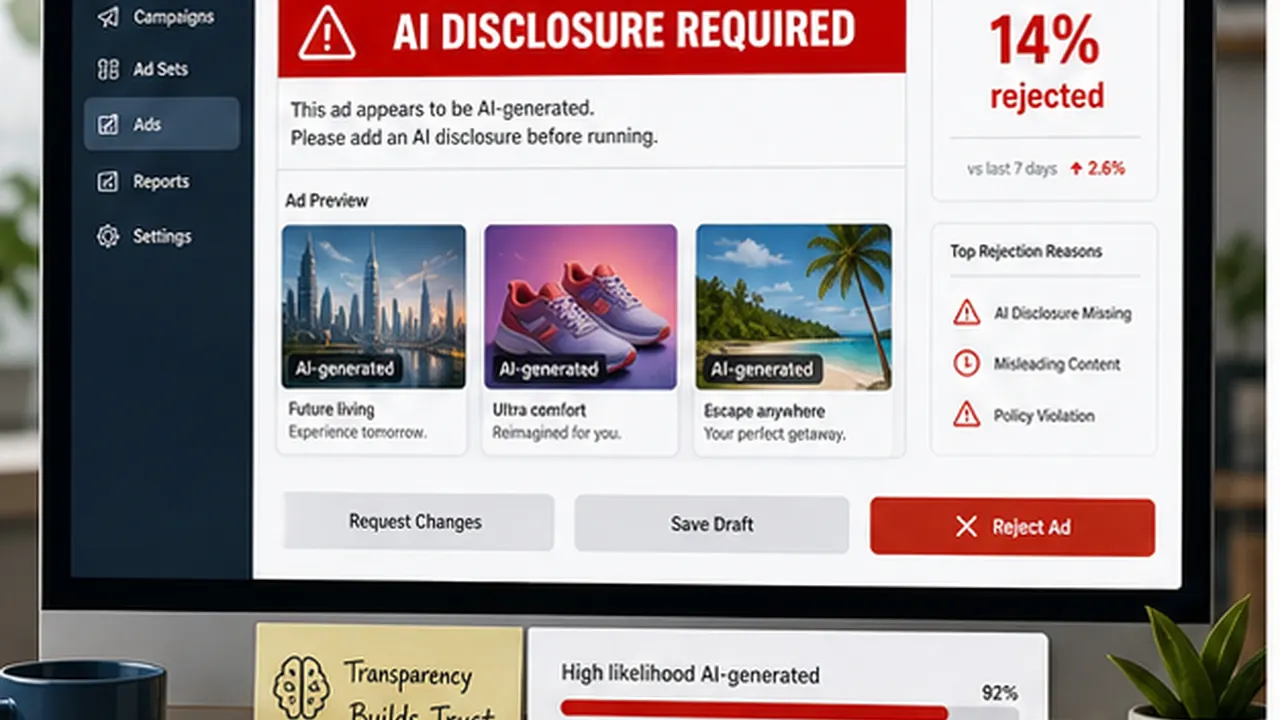
Undisclosed AI content accounts for 14% of Meta ad rejections in 2026 — the third most common rejection trigger across Facebook and Instagram. Meta now requires explicit AI labels on all sponsored content using AI-generated visuals, text, or audio. Instagram's algorithm actively detects and penalizes TikTok-watermarked reposts and lightly edited duplicate content. If you're running paid campaigns with AI-generated creative, the compliance exposure is real.
Kling AI closed a $2.8 billion funding round on July 2 — Alibaba, Tencent, and Abu Dhabi BlueFive Capital backing a platform now at 100 million registered users across 224 countries and roughly 50,000 enterprise clients. Kling 3.0 Turbo offers 4K output and 30-second clips. Kuaishou reported Kling revenue up 300% year-over-year in Q1 2026 to roughly $90 million — annualizing near $500 million. This is a platform with staying power.
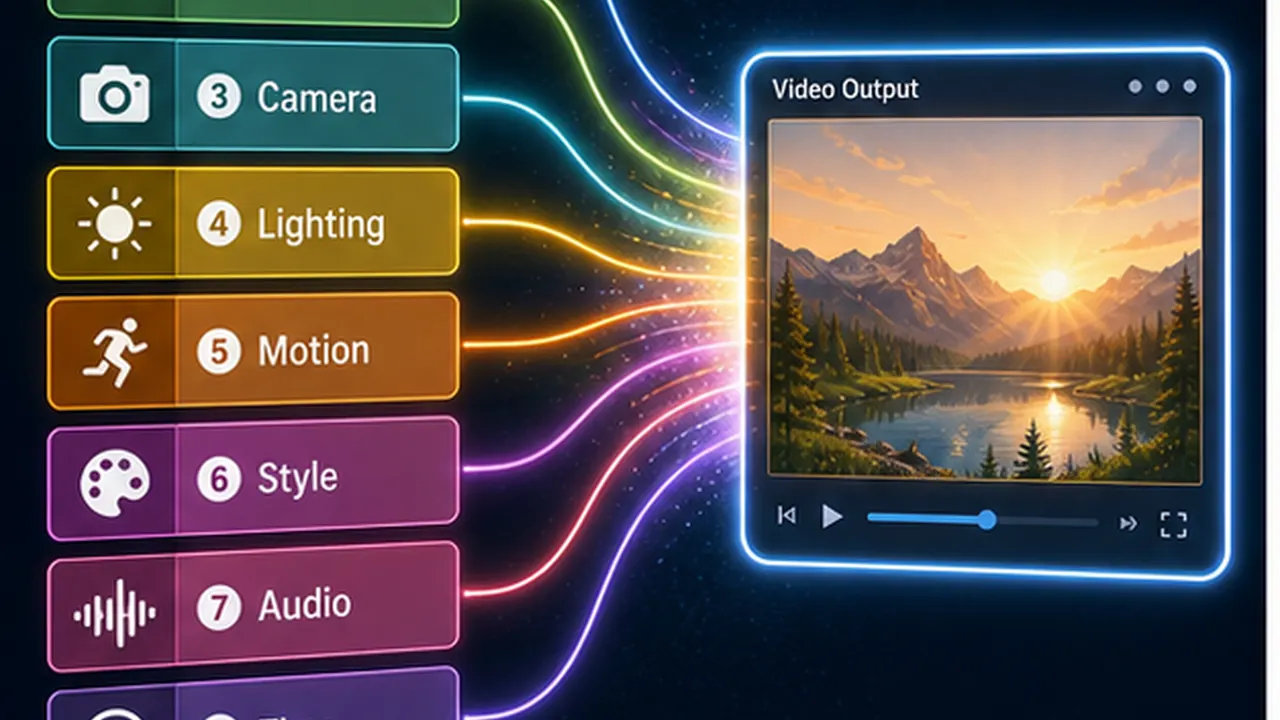
The community has formally moved past single-instruction prompting toward what's now being called context engineering — deliberate packaging of goals, constraints, reference frames, and eight distinct control layers: subject definition, environment, camera movement, lighting, motion dynamics, style, audio cues, and temporal constraints including start and end frame anchoring. Agentic video loops — generate, evaluate, refine in multi-step chains rather than single-shot — are the active frontier in power-user workflows.