On July 20th, YouTube formalized its crackdown with a three-bucket framework: generic and repetitive, off-putting and emotionally manipulative, and AI personas. Enforcement isn't theoretical — 16 channels are already deleted, wiping 4.7 billion views, 35 million subscribers, and an estimated $10 million in annual ad revenue. The three-strike system now ends in permanent Partner Program termination, and on Shorts specifically, one in two videos is already flagged as AI-created.
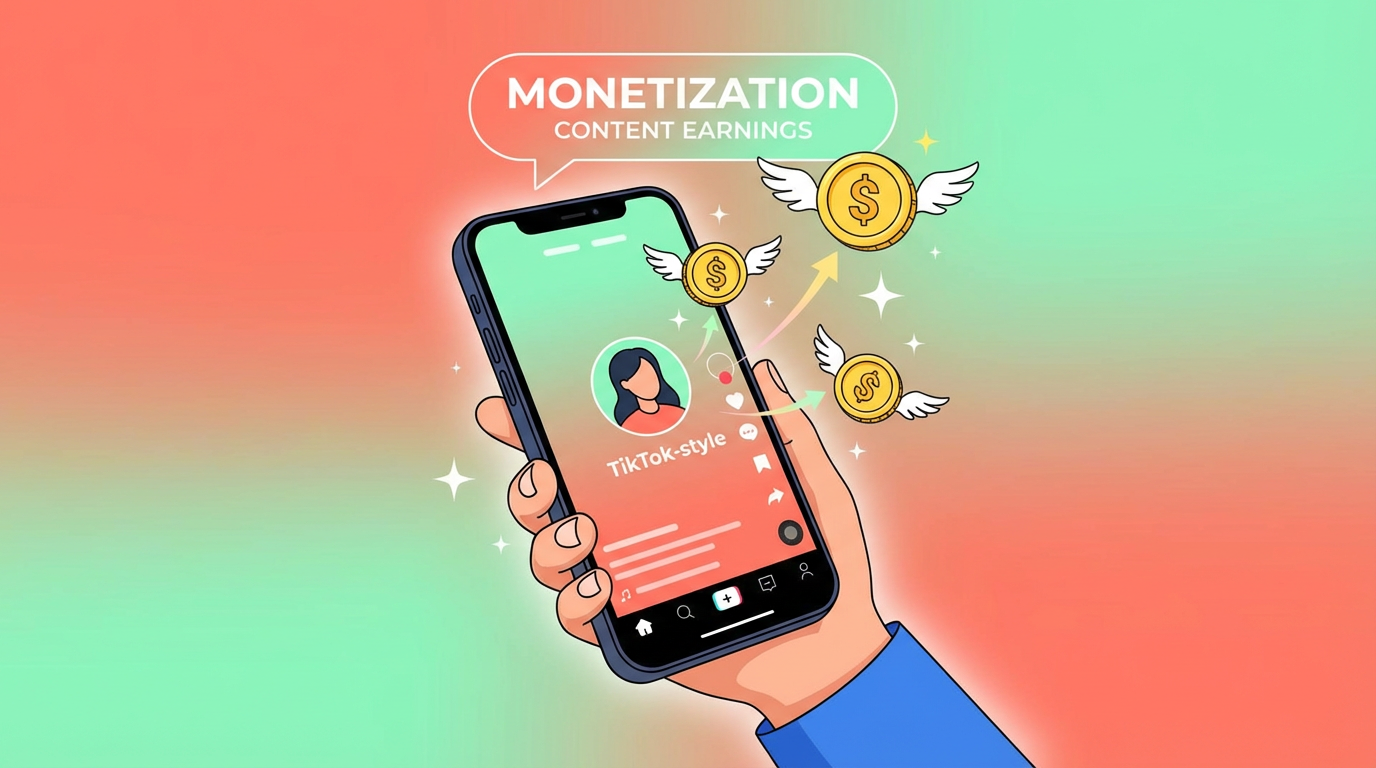
TikTok's Creator Rewards Program is paying $0.50–$2.00 RPM on qualified views for videos over one minute, versus YouTube Shorts' $0.03–$0.07 per thousand — a gap of 10 to 30 times depending on audience geo. Qualifying requires 10,000 followers, 100,000 views in 30 days, and original content over one minute; AI video is eligible. US, UK, and Australian traffic lands toward the top of TikTok's range.
The July 15th ComfyUI release bakes SeedVR2 image and video upscaling directly into the platform — the "generate at 720p, upscale for delivery" workflow no longer requires any third-party node pack. The same update ships native WanVideo nodes (Loader, Sampler, Decode, CLIP Text Encode), making the full Wan 2.2 pipeline self-contained. Anyone maintaining external upscale node dependencies can strip that scaffolding this week.
A TikTok prompting "you haven't slept in five days — which bed are you choosing?" using AI-generated fantasy beds landed 20.7 million views, 1 million likes, 17,100 comments, and 41,100 saves. The mechanic: forced-choice questions drive comments, saves, and rewatches — all signals the algorithm rewards disproportionately. The format replicates across any subject where you can frame a comparison as personal and urgent.
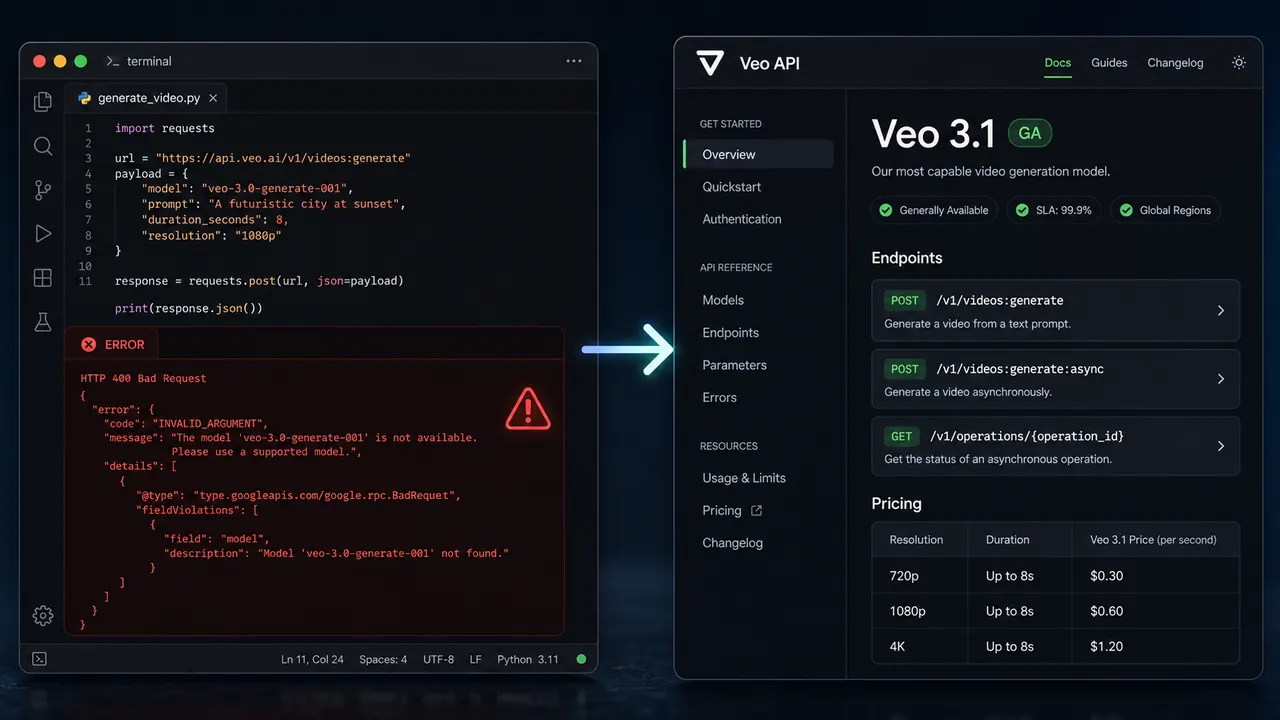
Google's veo-3.0-generate-001 and veo-3.0-fast-generate-001 API endpoints hit their June 30th shutdown date — if anything in your pipeline still calls those, it is returning errors right now. Veo 3.1 free tier offers 10 video generations per month at 720p with a watermark; the $249.99/month Ultra tier removes the watermark and outputs at 4K. New API budgets and integrations should be on the Veo 3.1 pricing table immediately.
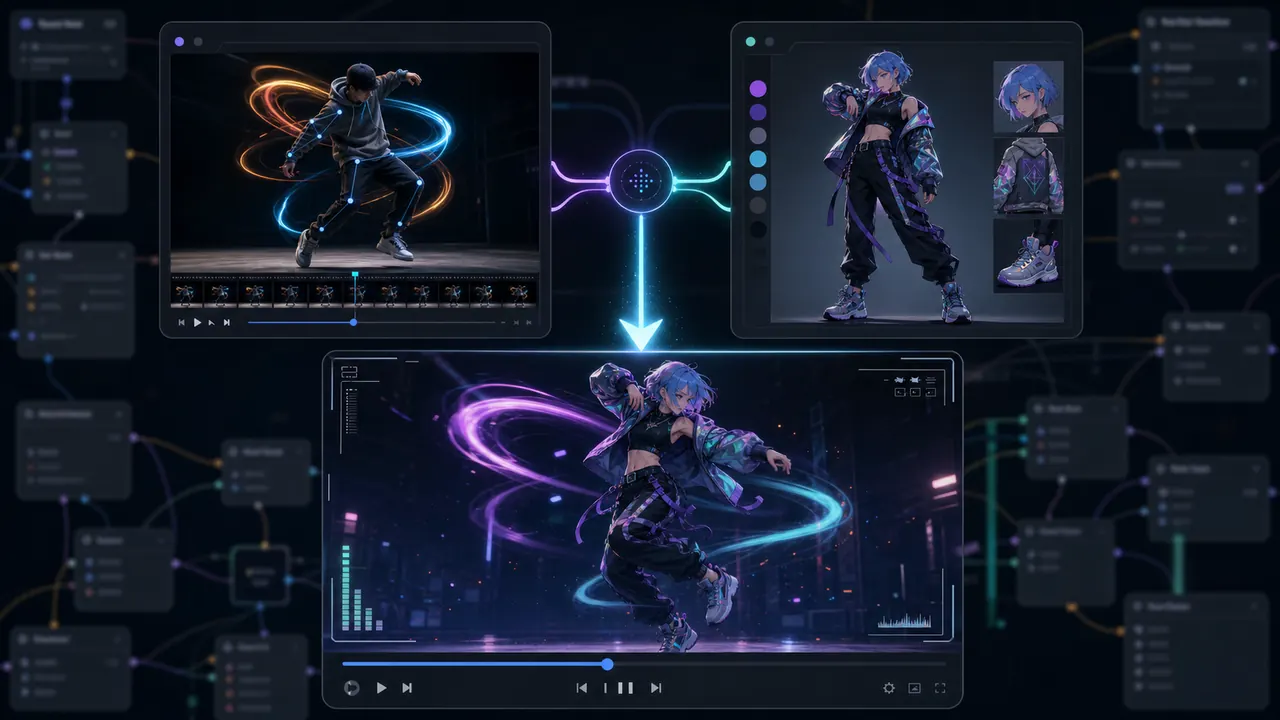
Kling 2.6 is now accessible natively in ComfyUI: upload a 3–30-second reference video, pair it with a character image, and the model extracts skeletal motion and maps it to the character at up to 1080p and 48fps. Kuaishou ships over 20 pre-optimized motion and visual presets, cutting prompt-to-clip iteration time significantly. For character-consistent series content, this is currently the cleanest puppeteer pipeline without leaving ComfyUI.
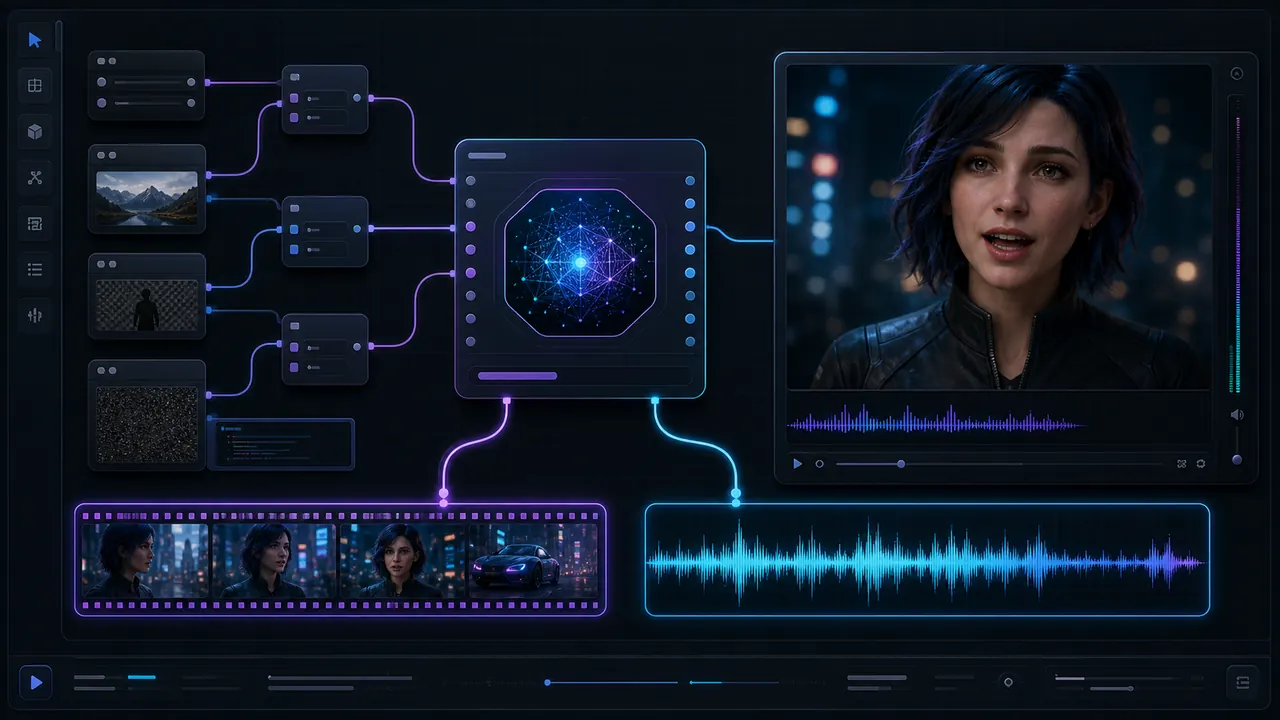
Lightricks' LTX-2.3 — a 22B open-weight model released March 2026 — is now fully supported in ComfyUI and produces synchronized audio and video in a single generation pass, eliminating the separate audio assembly step. It also ships ID-LoRA for character consistency across clips and FLF2V for first-frame to last-frame motion control. For scenes where lip-sync or ambient audio must match the visual, this removes a meaningful post-processing step from the stack.
The Kapwing study of 278 AI-generated channels documented $117 million in collective annual ad revenue; top single-channel earner Bandar Apna Dost pulls an estimated $4.25 million per year from 2.4 billion views on anthropomorphic monkey drama content. The AI news format is most replicable right now — weekly model and tool releases provide a built-in content calendar, and the audience converts well on AI-tool affiliate links, reducing dependence on platform RPM.