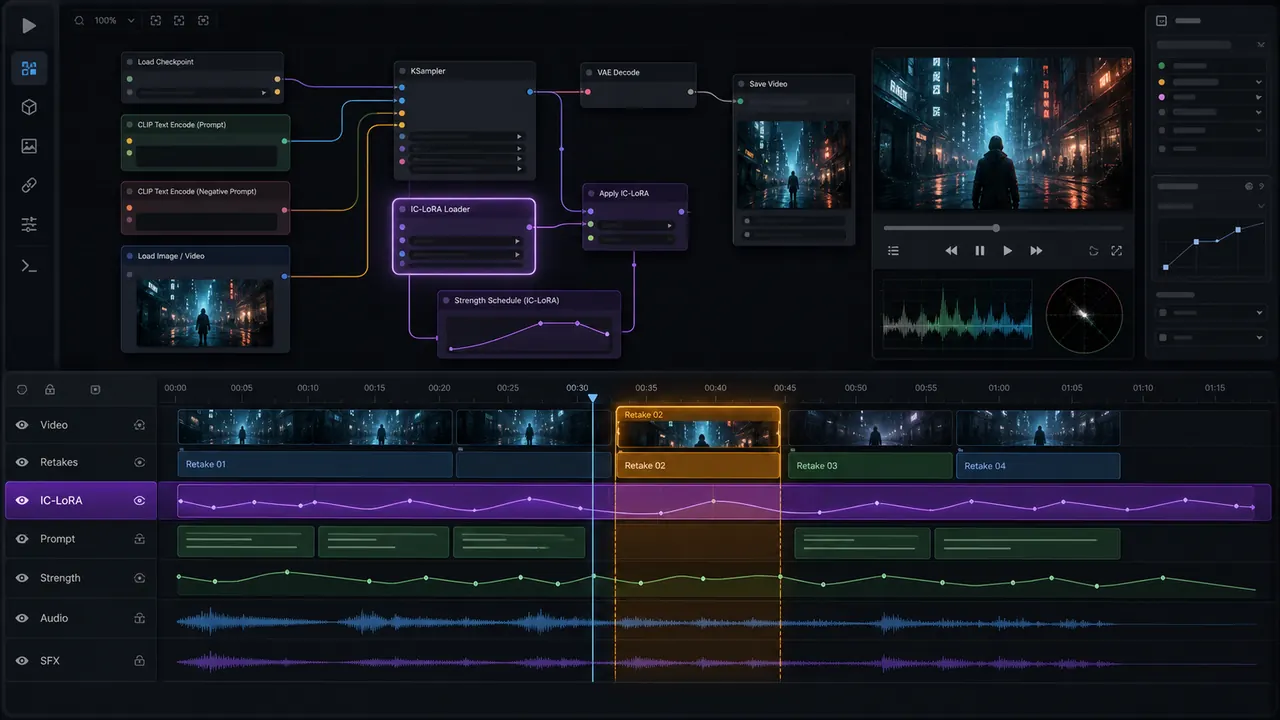
Lightricks shipped LTX Director 2.0, a major overhaul of the ComfyUI-native timeline workflow built on LTX 2.3. Key additions: full video import and editing, IC-LoRA support on a dedicated track for consistent character and style control, Retake Mode to regenerate a single selected timeline segment without touching the rest, and audio inpainting. This is the closest a ComfyUI workflow has come to a functional non-linear editor — usable today, free, locally.
ByteDance's Seedance 2.5 — native 30-second video generation with up to 50 multimodal reference assets and local scene-level editing — launched on Dreamina July 3. The rollout sequence: CapCut (400 million monthly active users) in mid-July, third-party Volcano Engine API access in late July. A beta long-video mode extends output to 3 minutes. The copyright concerns flagged at launch (training data provenance) haven't slowed the schedule.
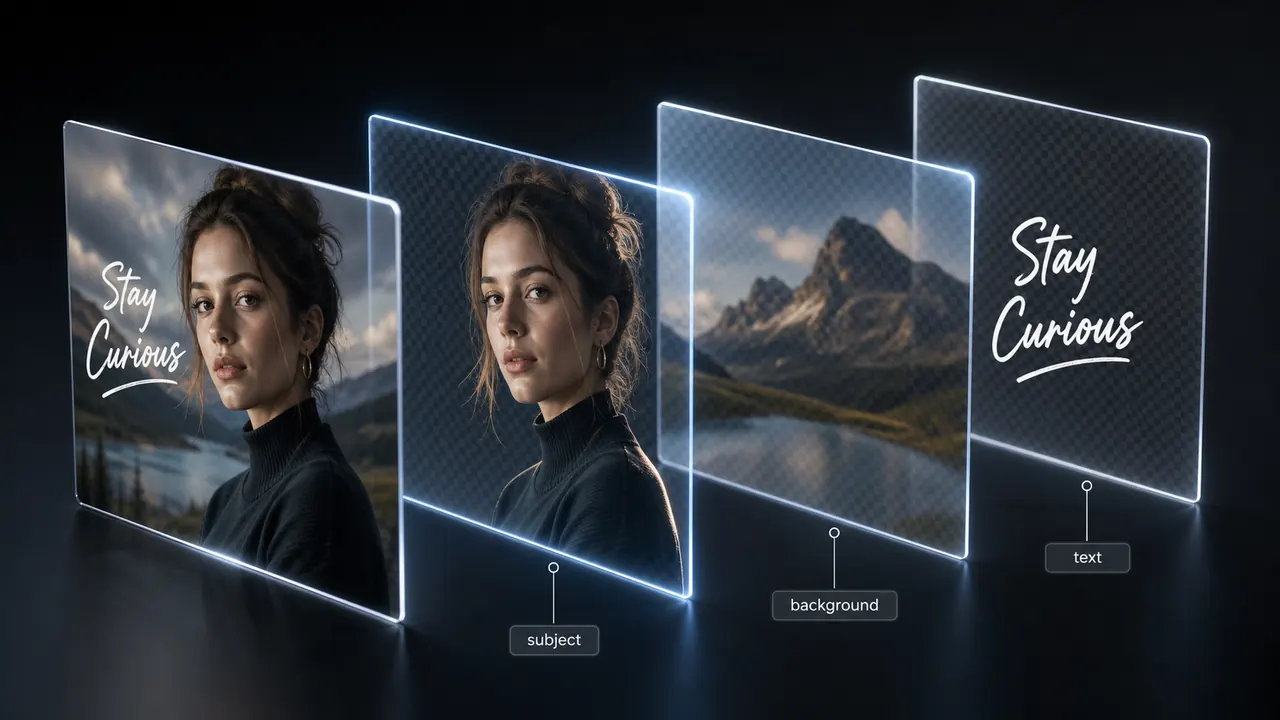
Released July 8, Seedream 5.0 Pro separates a single generation into 10 or more transparent PNG layers — subject, background, text — and auto-inpaints the masked area underneath. It runs a deep-thinking reasoning pass and real-time web search before rendering. Native 2K resolution, multilingual text in 14-plus languages. Available now on Dreamina and via fal.ai API.
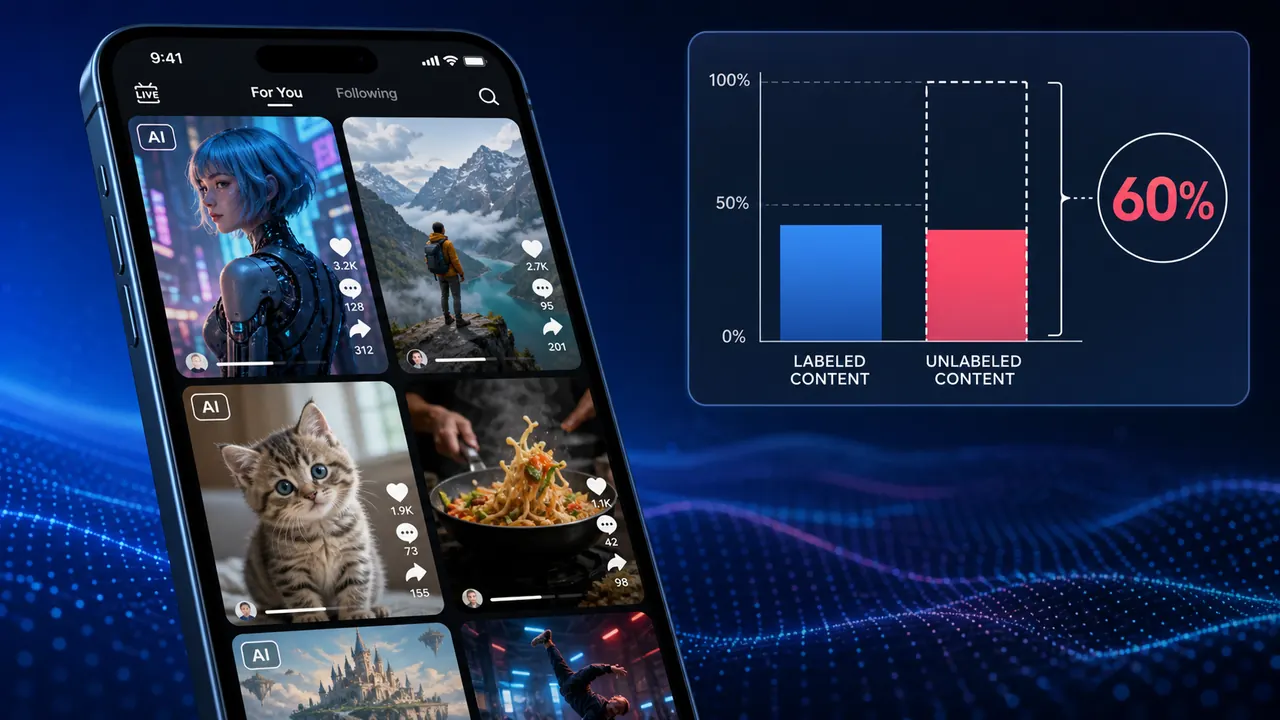
TikTok crossed 3 billion AI-labeled videos on July 10 using C2PA Content Credentials, creator disclosure, and invisible watermarking. But a June 2026 Kapwing study found roughly 60 percent of TikTok content classifiable as AI-generated — suggesting massive under-labeling. Published research finds small overlay labels produce no statistically significant reduction in users sharing or believing synthetic content. Timing is tied to EU AI Act Article 50 enforcement starting August 2.
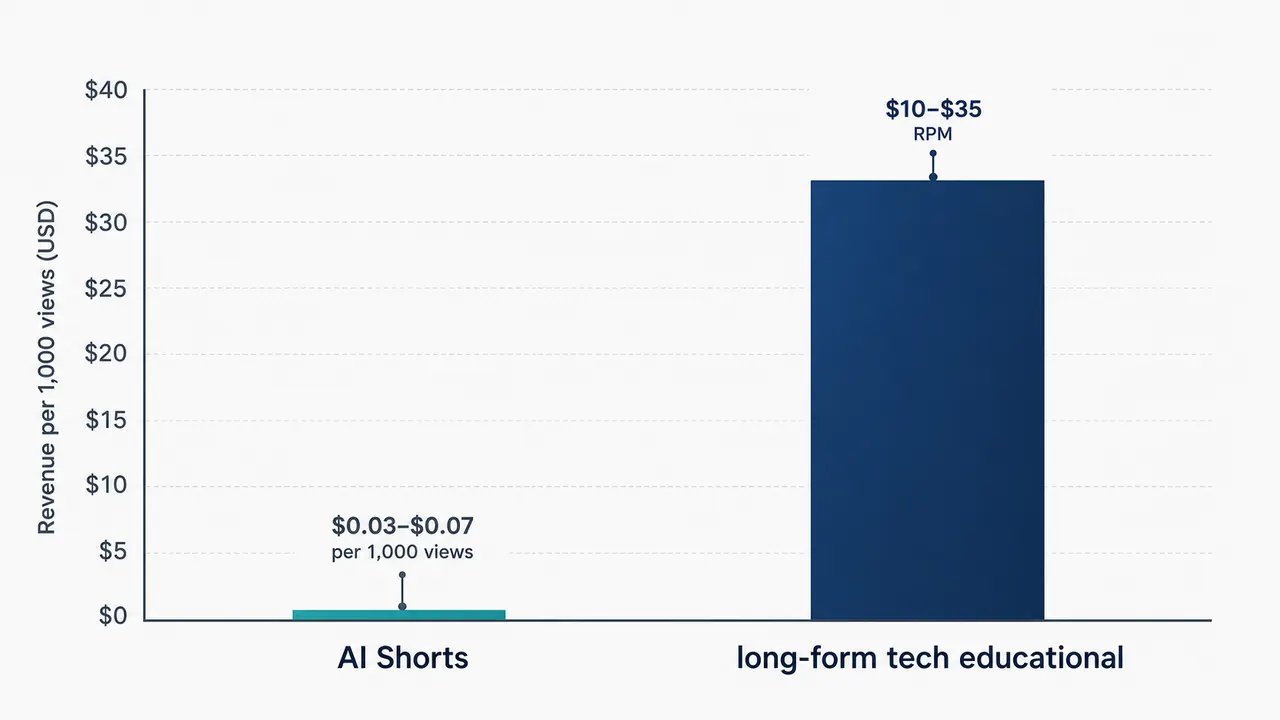
Aggregated 2026 creator data confirms AI-generated Shorts earn $0.03–$0.07 per 1,000 views under the Shorts revenue-share program. Long-form finance and tech educational AI-assisted content averages $10–$35 RPM. YouTube's "genuine creative value" policy requirement remains active. Documented outlier: one creator earned $253,584 from 200 videos over two years, with 70 percent of revenue from 10 breakout videos — underlining that Shorts volume math is brutal without a monetization backend.
Meta Superintelligence Labs previewed Muse Video on July 7 alongside Muse Image. It shares the same pretraining base, generates video with native audio, and already ranks third on the Arena text-to-video leaderboard. Meta flagged open gaps in audio-video synchronization and physically accurate fast motion. No resolution specs, duration limits, or pricing disclosed yet — but when it ships, it ships simultaneously into Instagram, WhatsApp, and Meta AI, a distribution footprint no competitor can match.
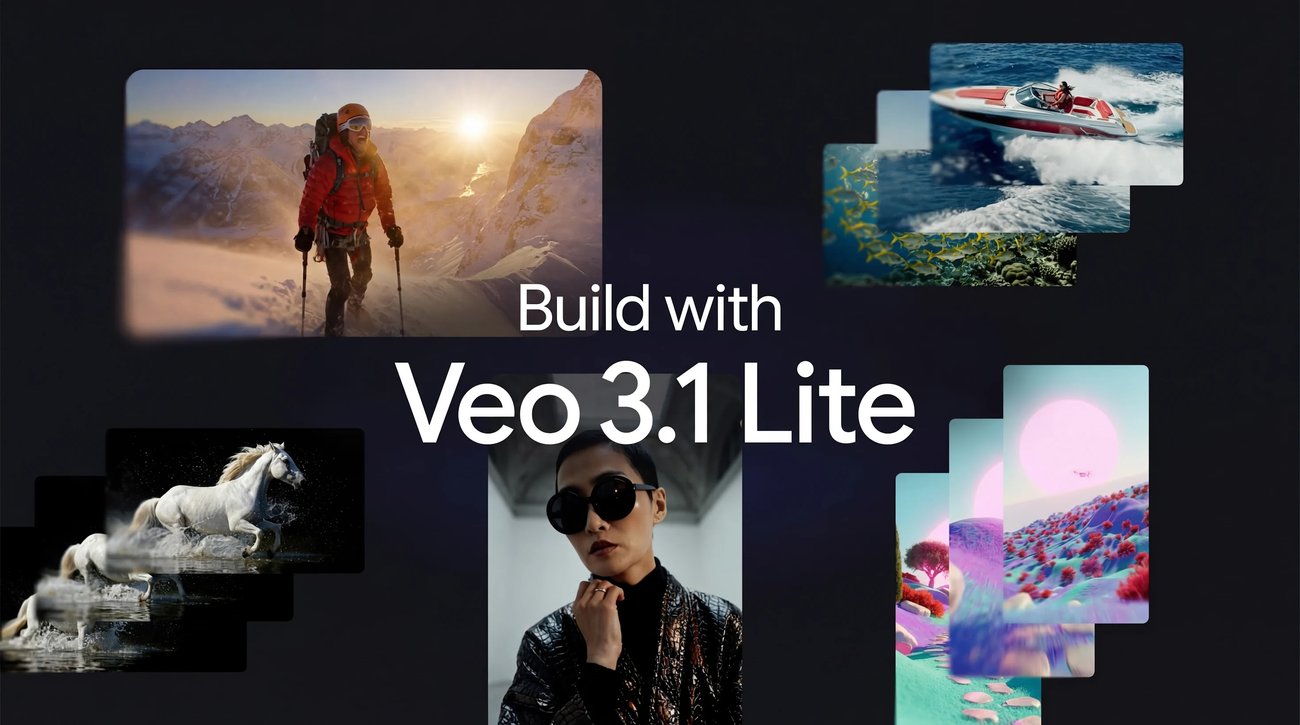
Google's Veo 3.1 Lite, available via the Gemini API, delivers the same speed as Veo 3.1 Fast at less than half the price. Supports text-to-video and image-to-video, 720p and 1080p, 4–8 second clips, 16:9 and 9:16 ratios. For developers building high-volume video pipelines, this is the inflection point where Veo becomes economically viable at scale.
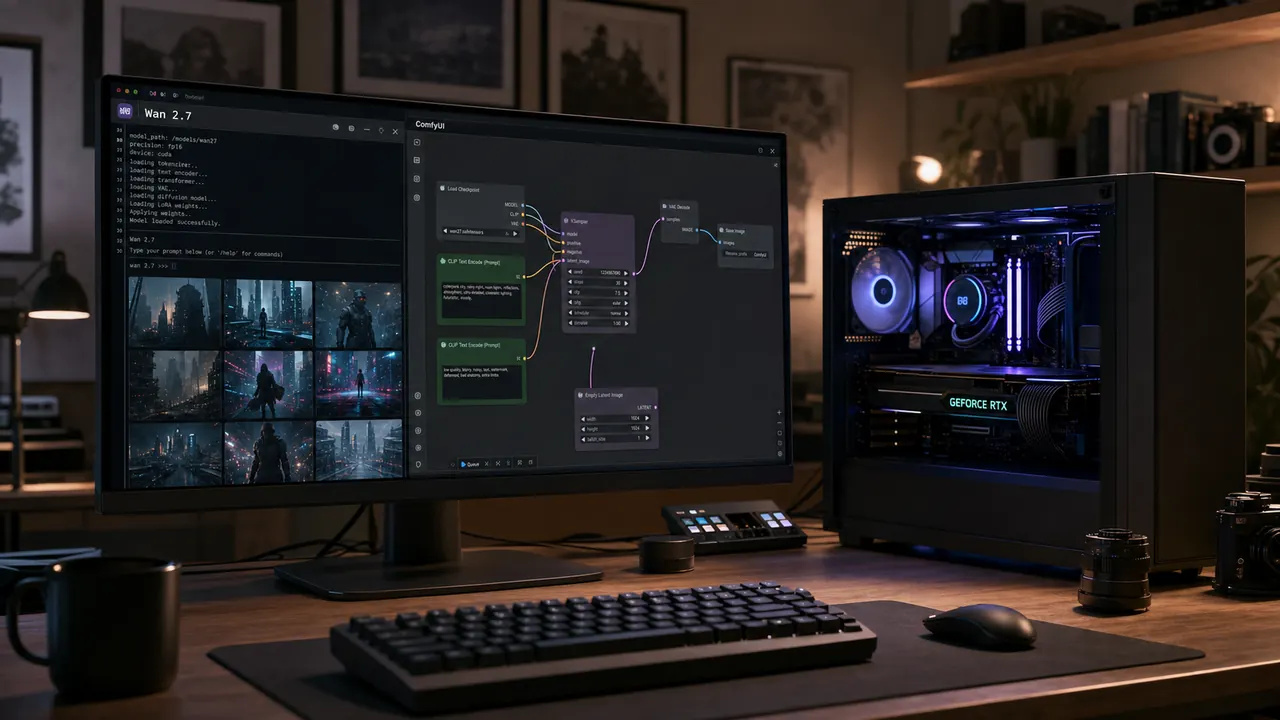
The Wan open-source line has progressed to version 2.7 (April 2026) with first/last frame control, 9-grid multi-reference image input, and 5,000-character prompt support. Practical local stack: RTX 3090 24GB plus 64GB system RAM plus ComfyUI, using LTX 2.3 for fast iteration and Wan for finals. Self-hosted video production that genuinely competes with commercial APIs is no longer theoretical.
Around the Seedream 5.0 Pro launch, Goldman Sachs began formally recommending Chinese visual AI models to Wall Street clients — an institutional signal that quality has crossed a credibility threshold. Pricing pressure on Western API providers (Midjourney, Adobe Firefly, and similar) is likely to accelerate as a result.