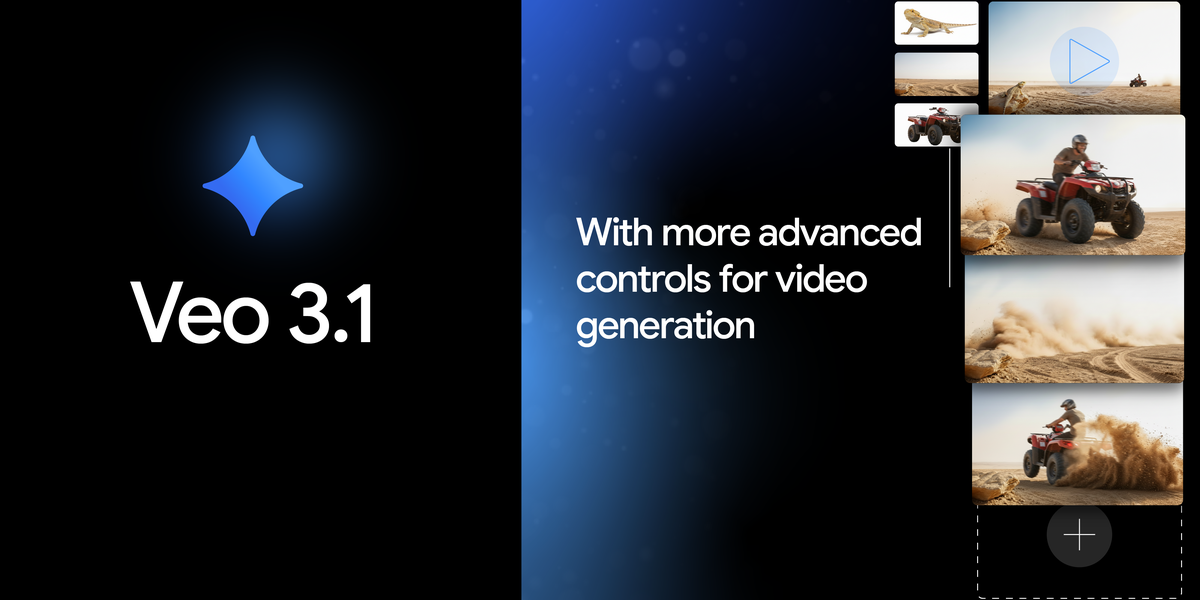
Google's veo-3.0-generate-001 and veo-3.0-fast-generate-001 endpoints hit their shutdown date June 30. If you have ComfyUI nodes or any pipeline still pointing at Veo 3.0, they're broken right now. Veo 3.1 is same price, adds richer native audio and better cinematic style adherence, and free Google Flow users get 50 credits per day — the migration guide is live on Google Developers Blog.
TikTok now detects synthetic media automatically via C2PA Content Credentials — even when creators don't self-disclose. Three unlabeled AI videos triggers a 30-day reach reduction of roughly 60% plus temporary Creator Fund suspension. Instagram still relies on self-declaration, YouTube requires manual disclosure per video as of March 2026, so your compliance workflow needs to be platform-specific now.
Wan 3.0 at 60B parameters landed on Hugging Face under Apache 2.0 and targets 4K, 30-second single-pass generation with automated multi-shot narrative support. Wan 2.7 (April 22) is already live with 4K, 20-second clips, 9-image grid i2v, voice audio conditioning, and defined start/end frames. If you're running Wan 2.2 14B locally, there's a clear upgrade path — both models run on consumer GPUs.
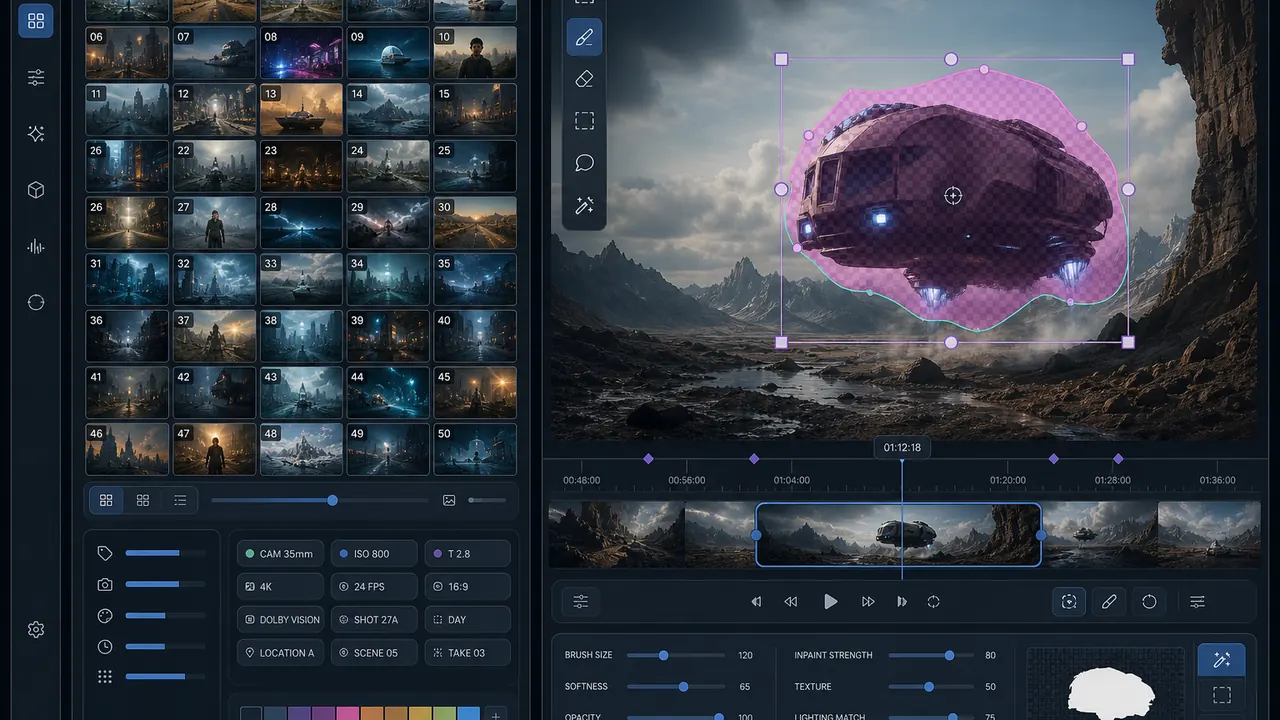
ByteDance launched Seedance 2.5 replacing 2.0 as the default with no price increase. The three headliners: native 30-second clips without stitching, up to 50 image/video/text references in a single call, and region-level inpainting that lets you change part of a frame without regenerating the whole thing. Audio and video share the same latent space, so no post-sync step needed.
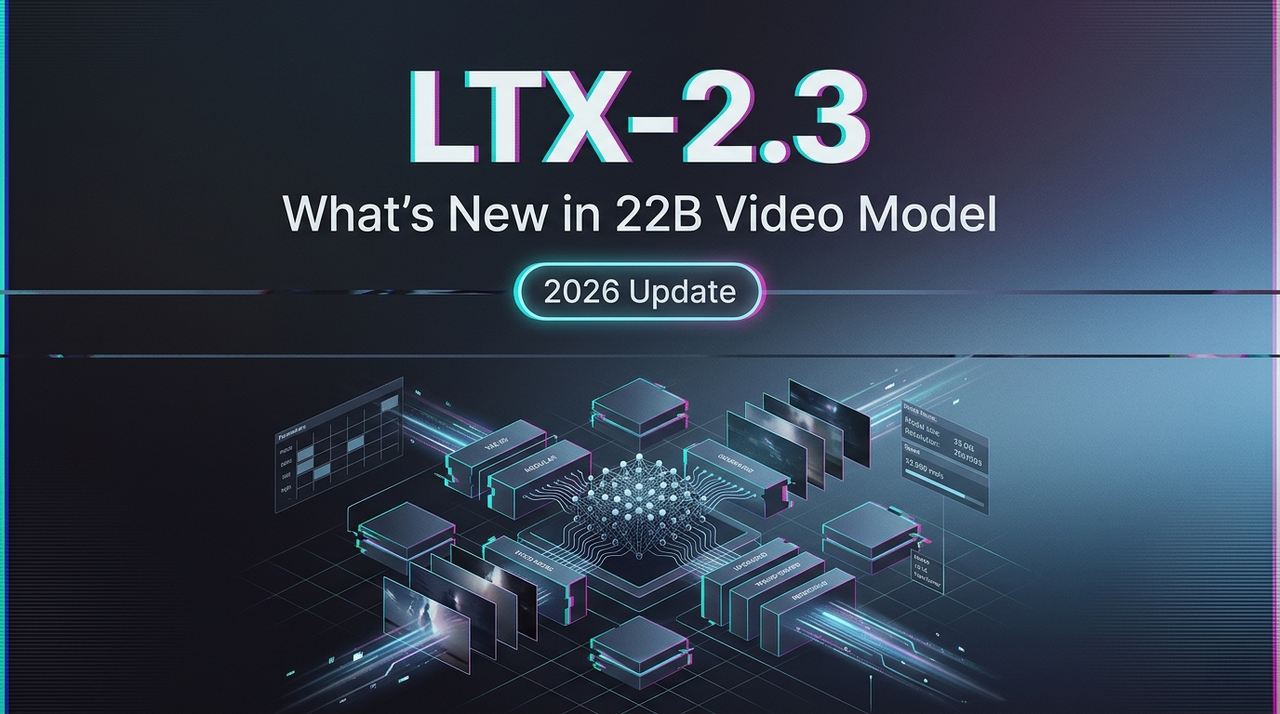
Lightricks added video, audio, and cross-modal conditioning to LTX Trainer on July 8, meaning custom character LoRAs on a fully open 22B model are now possible. July 20 brought LTX Explore, a self-service platform wrapping the full pipeline for non-technical users. The underlying LTX-2.3 model uses 8-step distillation and runs locally via LTX Desktop.
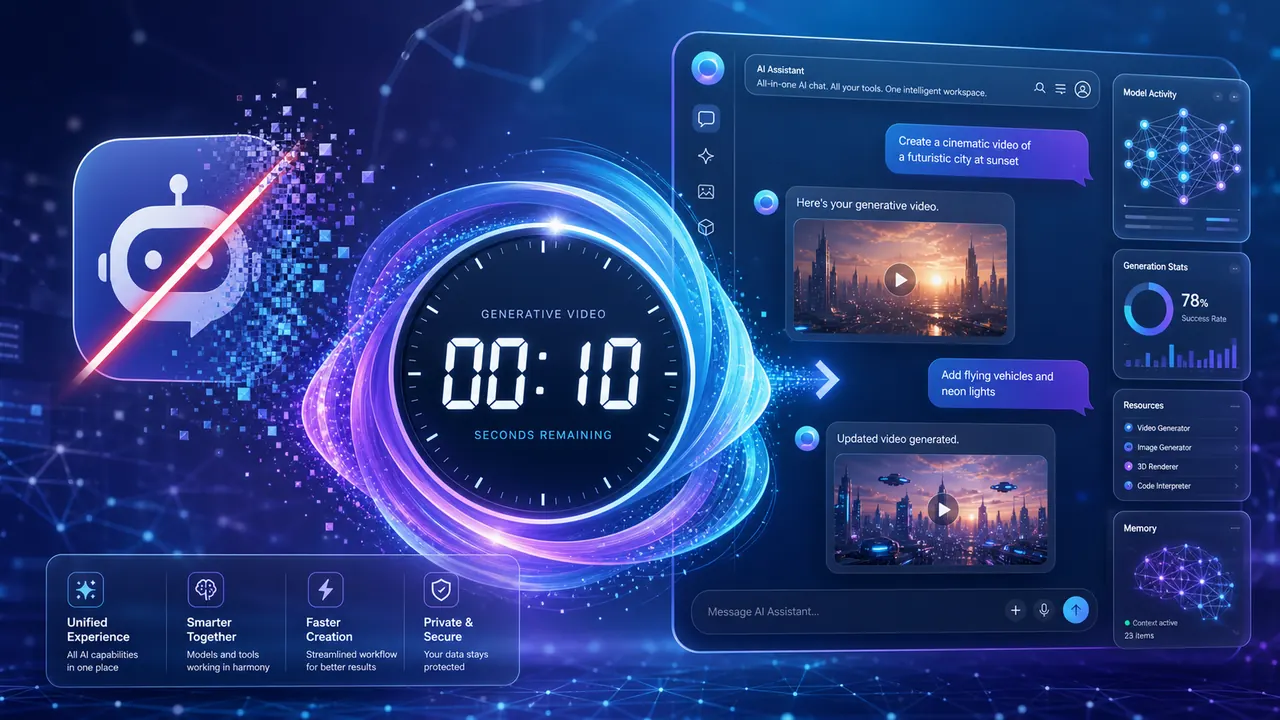
The standalone Sora app closed April 26, and the API follows on September 24, 2026. If you have any integrations using the Sora API, you've got roughly 60 days to migrate. The model itself continues inside ChatGPT for Plus and Pro subscribers with 20-second clips and dual-character consistency, but Sora is no longer a standalone tool in the creator stack.
Kling 3.0 Turbo and Omni launched June 17 with 4K editing and longer clips, then Kuaishou closed a $2.8B round on July 2 backed by Alibaba, Tencent, Baidu, and Abu Dhabi sovereign funds. Q1 2026 revenue was roughly $96M, up 300% year-over-year. If you use Kling nodes in ComfyUI, check the API changelog — rapid feature releases often come with breaking changes.
Meta Superintelligence Labs shipped Muse Image on July 7 — free in Meta AI, strong on complex prompt reasoning and photo blending. Muse Video is preview-only but already ranks third on the human-preference Elo leaderboard for text-to-video, and it generates with native audio. Not GA yet, but the preview is accessible.
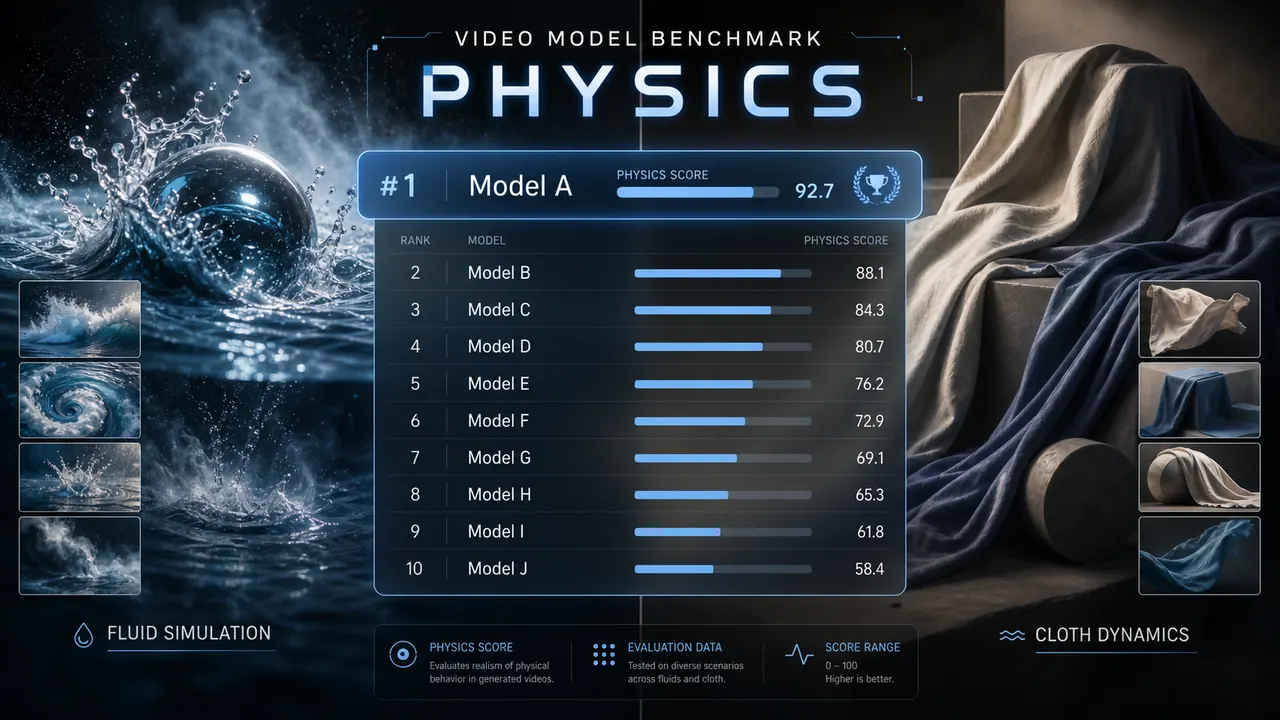
MiniMax's Hailuo 2.3 took the top physics simulation ranking on WorldModelBench, which matters for anything involving fluid, cloth, or rigid-body motion. MiniMax went public in Hong Kong in January raising $619M, so the infrastructure behind this model is now well-funded. Speed and cost remain its competitive angle versus Runway and Sora for cinematic polish work.
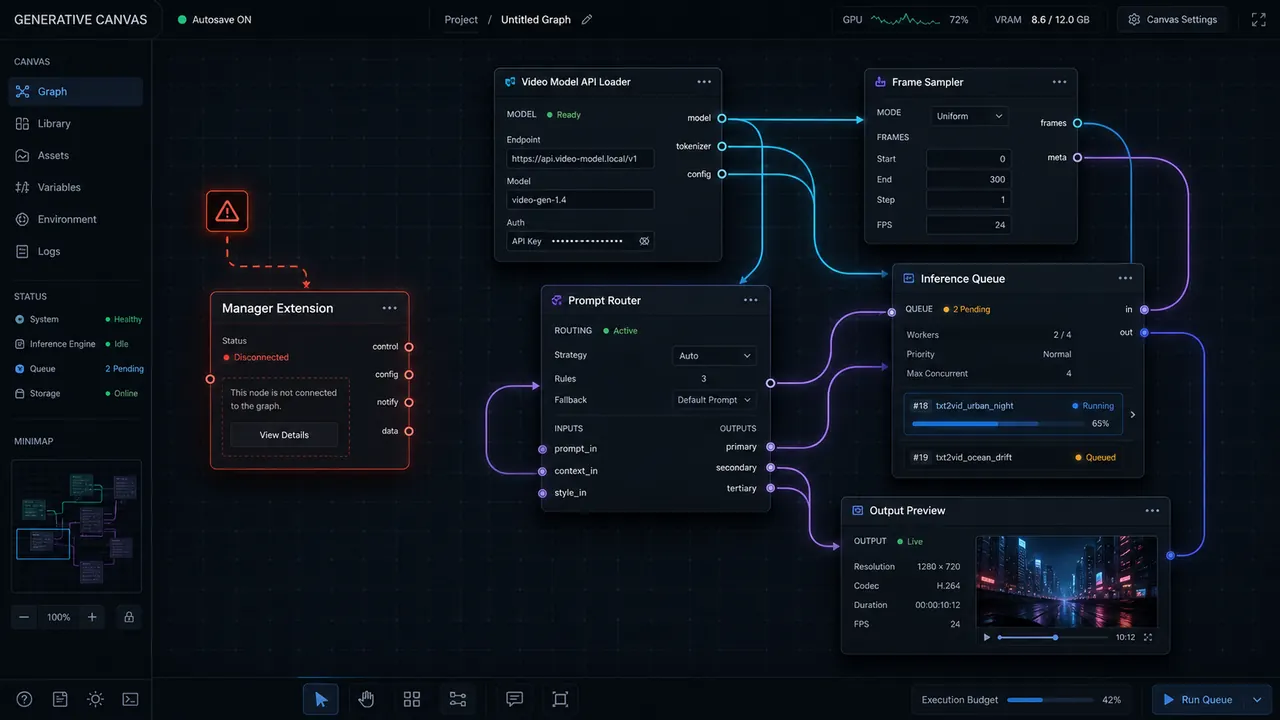
ComfyUI Manager splits into a standalone extension component in the Nodes 2.0 beta, so existing installs may need manual migration before upgrading. The ecosystem now has over 1,000 custom node packages, with Wan 2.2, HunyuanVideo, and Kling API loaders among the production-relevant additions. The LTX-2.3 image-to-video workflow on comfy.org is worth pulling if you do local i2v.