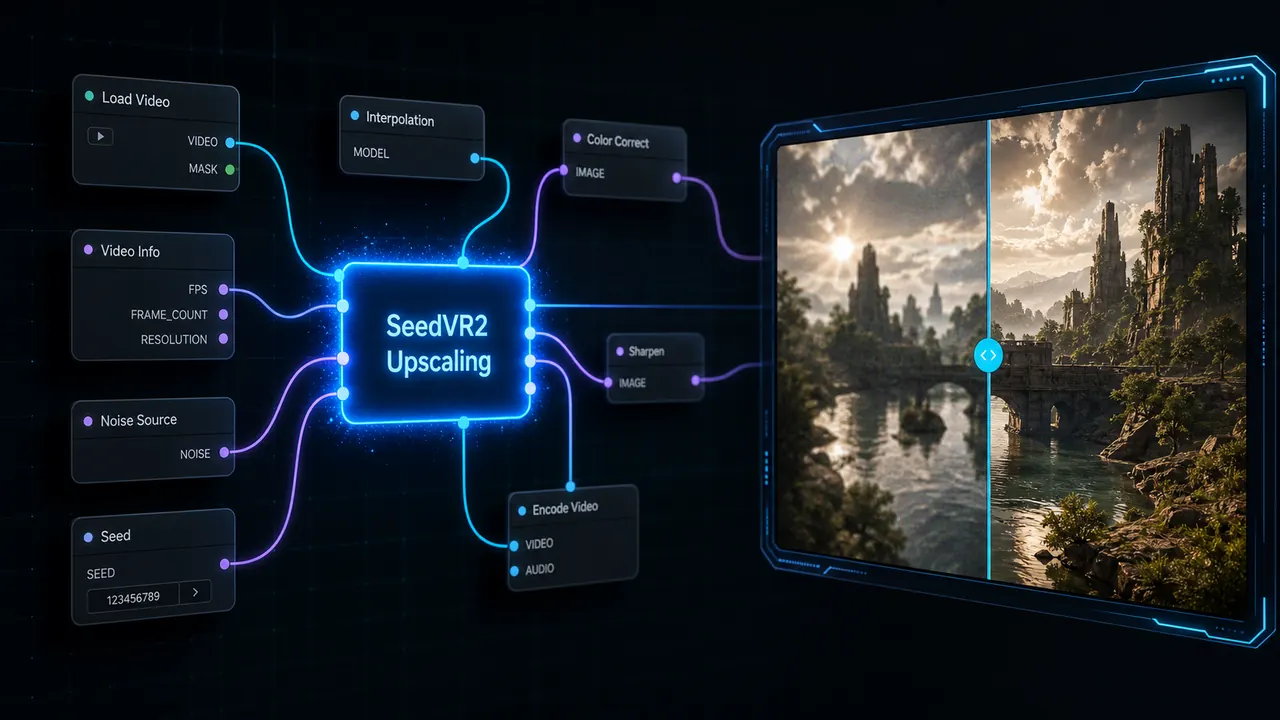
Released July 15, ComfyUI v0.28.0 bakes in native SeedVR2 image and video upscaling without custom node installs, adds NVIDIA PID 1.5 PixelDiT support, ConvRot int4 quantization optimizations for faster local inference, and new Save 3D and Text Overlay nodes. Partner integrations include sync.so Sync-3 and Seedream 5 Pro. This is the most workflow-dense ComfyUI release of the summer.
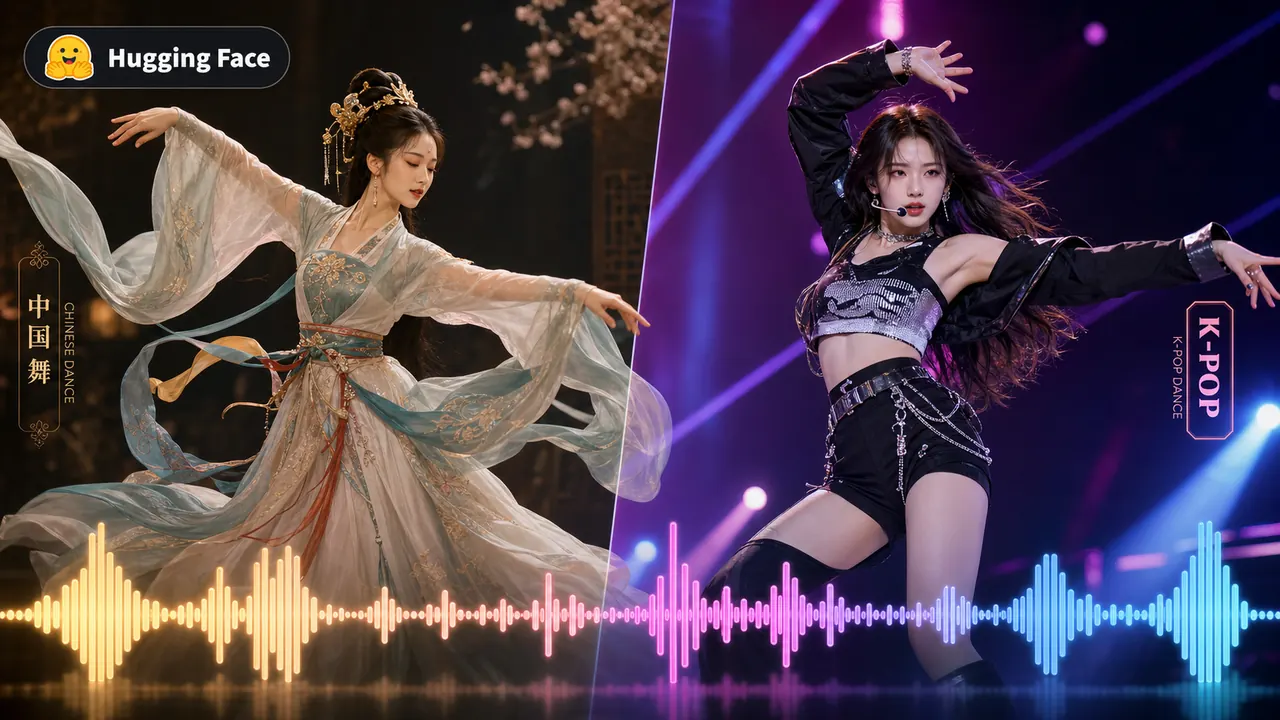
Alibaba's Tongyi Lab dropped Wan-Dancer 14B on July 13 under Apache 2.0: an open-weight model that generates 720p/30fps dance video exceeding one full minute from a reference image and a music track, blowing past the ~20-second ceiling most diffusion video models hit. Five genres supported — Chinese classical, K-pop, street, Latin, tap — with ComfyUI integration and LoRA fine-tuning for custom choreography live on Hugging Face now.
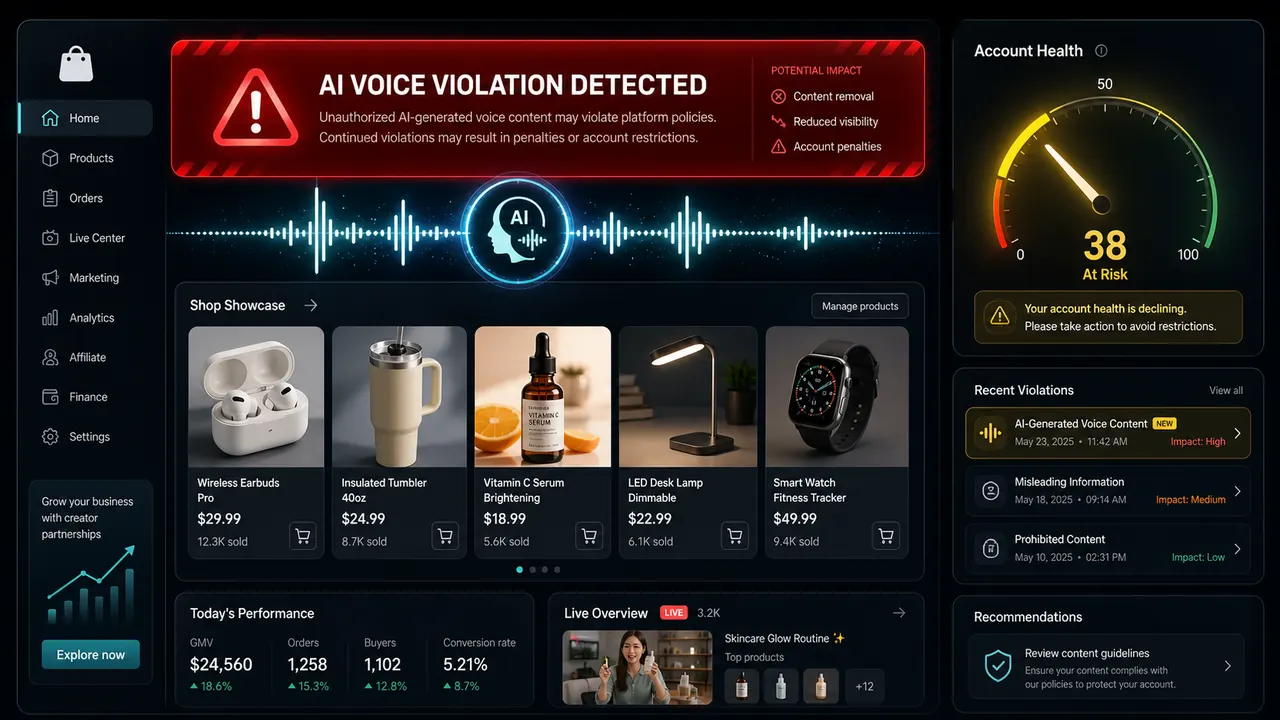
As of July 15, TikTok Shop has banned AI-generated voices, pre-recorded narration, looping footage, and slideshow formats from all shopping livestreams. Violations now feed directly into the newly activated Account Health Rating (0–1,000), which fully replaced the old Violation Points system this month and governs seller access to campaigns, commission programs, and the account itself. Live commerce operators running any automated stream setups need to audit today.
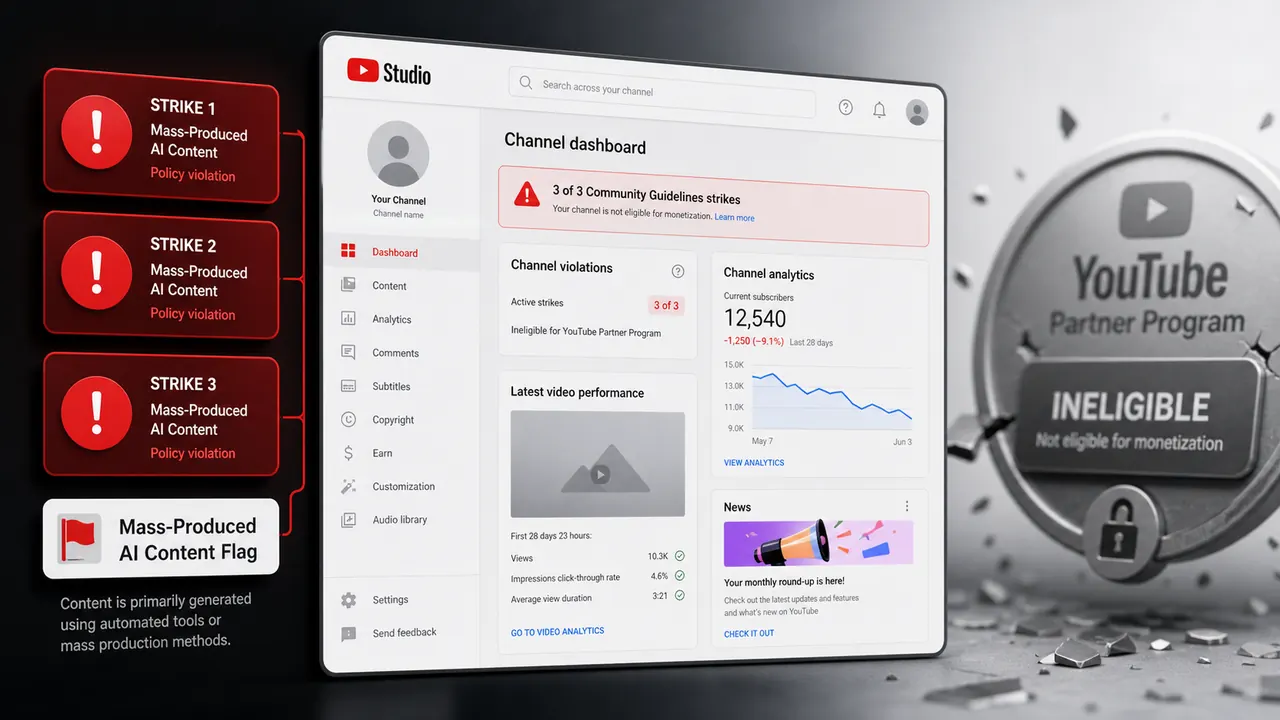
On July 16, YouTube clarified three categories of content now ineligible for monetization: generic/template-based videos, unsatisfying or off-putting content, and AI personas giving sensitive advice. Mass-produced AI videos — text-to-speech narration over stock slideshows — face a three-strike system: warning, 90-day YPP suspension, then permanent removal. AI as a creative tool stays fully monetizable; AI as a replacement for human creativity gets penalized.
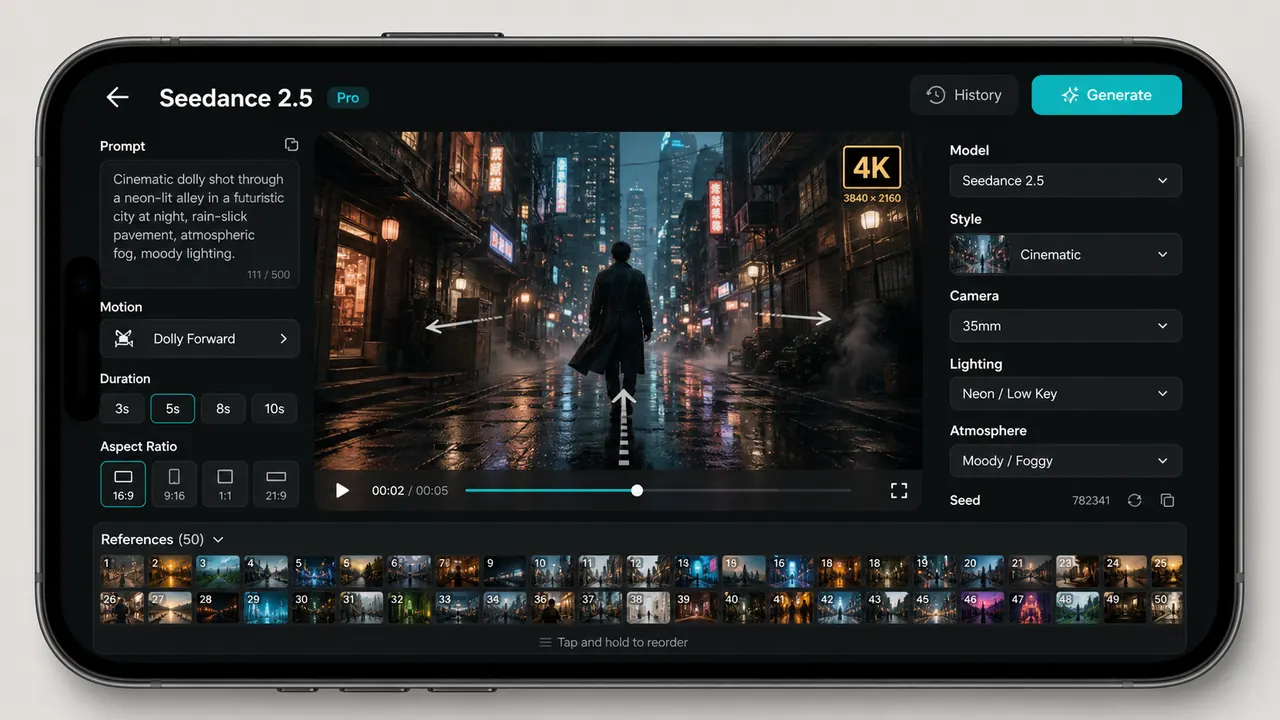
ByteDance's Seedance 2.5, unveiled June 23 at the Volcano Engine FORCE keynote, is now rolling through CapCut with native 4K generation, 30-second clips, up to 50 reference assets for multi-modal style guidance, 3D white-model previsualization, and professional camera controls (dolly, crane, tracking). API and third-party access follow after the CapCut phase. This puts production-grade capability in front of CapCut's enormous user base in a single update.
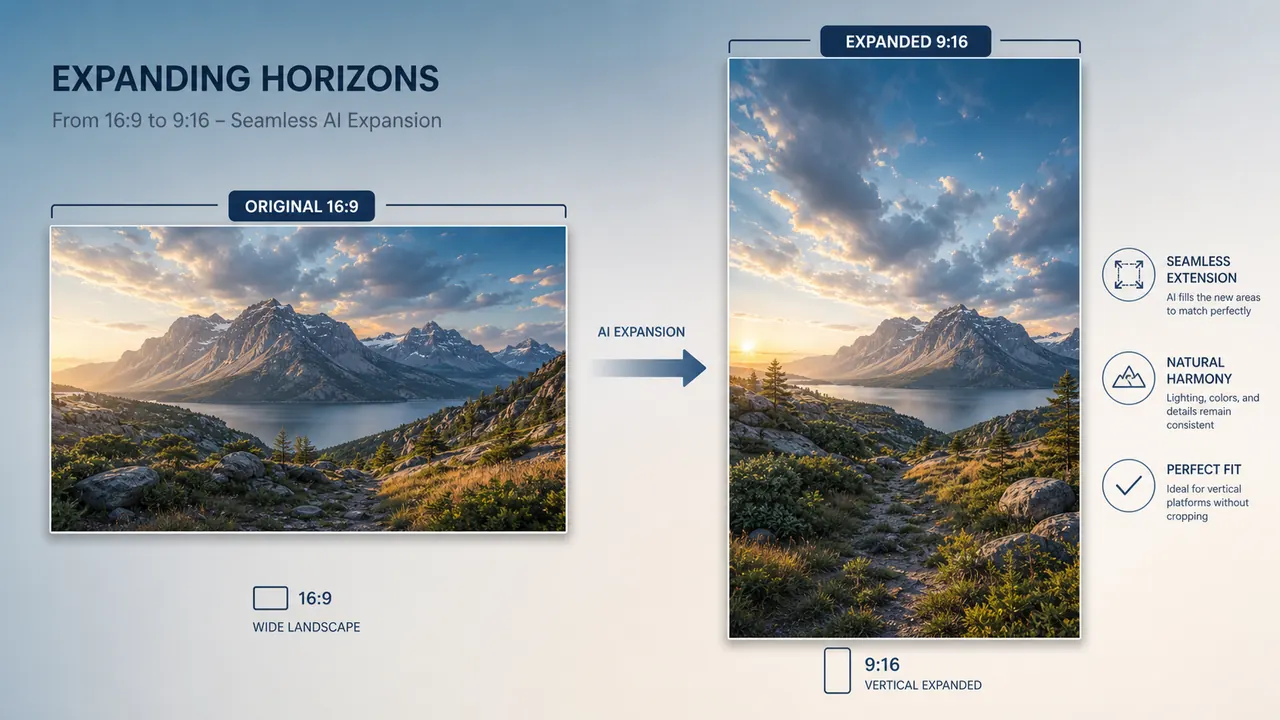
LTX launched production-grade video reframing on July 13: submit a video URL, get back a version in any target aspect ratio (9:16, 16:9, 4:5, 1:1, 5:4) at up to 1080p and 60 seconds, with the model generating newly exposed canvas regions rather than cropping. A ComfyUI outpaint workflow using IC-LoRA is already live on comfy.org for local runners. For anyone producing content across multiple platforms from a single shoot, this closes a painful daily gap.
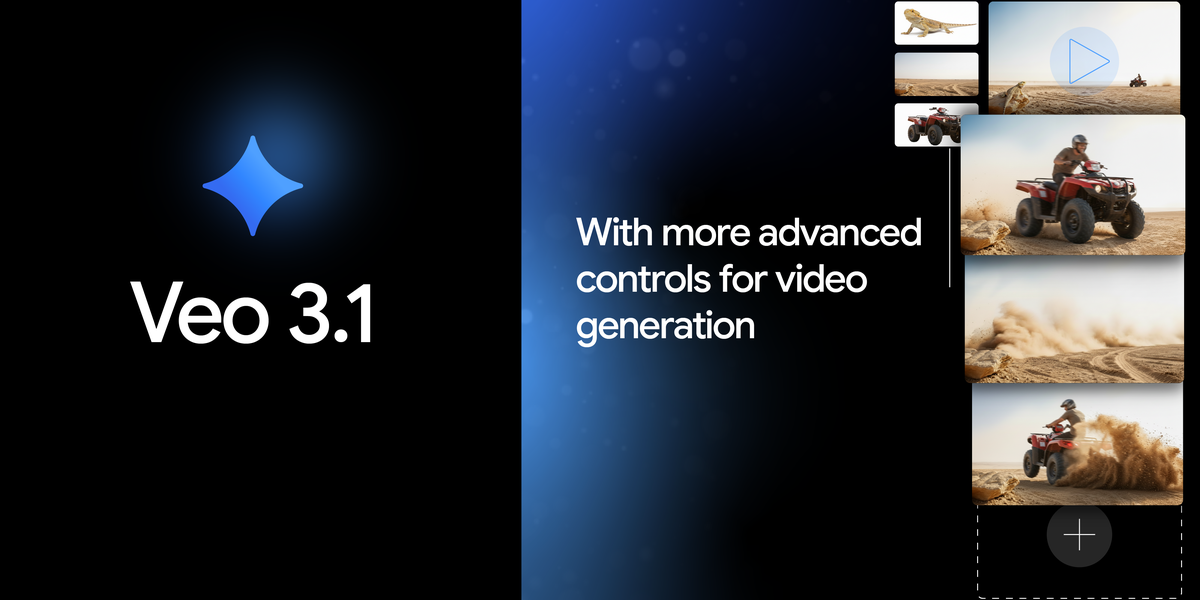
Google's Veo 3.1, now in the Gemini API, adds multi-modal input (text, images, video clips), up to three reference images for appearance and style consistency, first-and-last-frame interpolation, and scene extension. The Lite tier is priced at approximately $0.05 per second — making it the most cost-accessible high-quality cloud video option currently on the market. Available via Google AI Studio, Vertex AI, the Gemini app, and Flow.
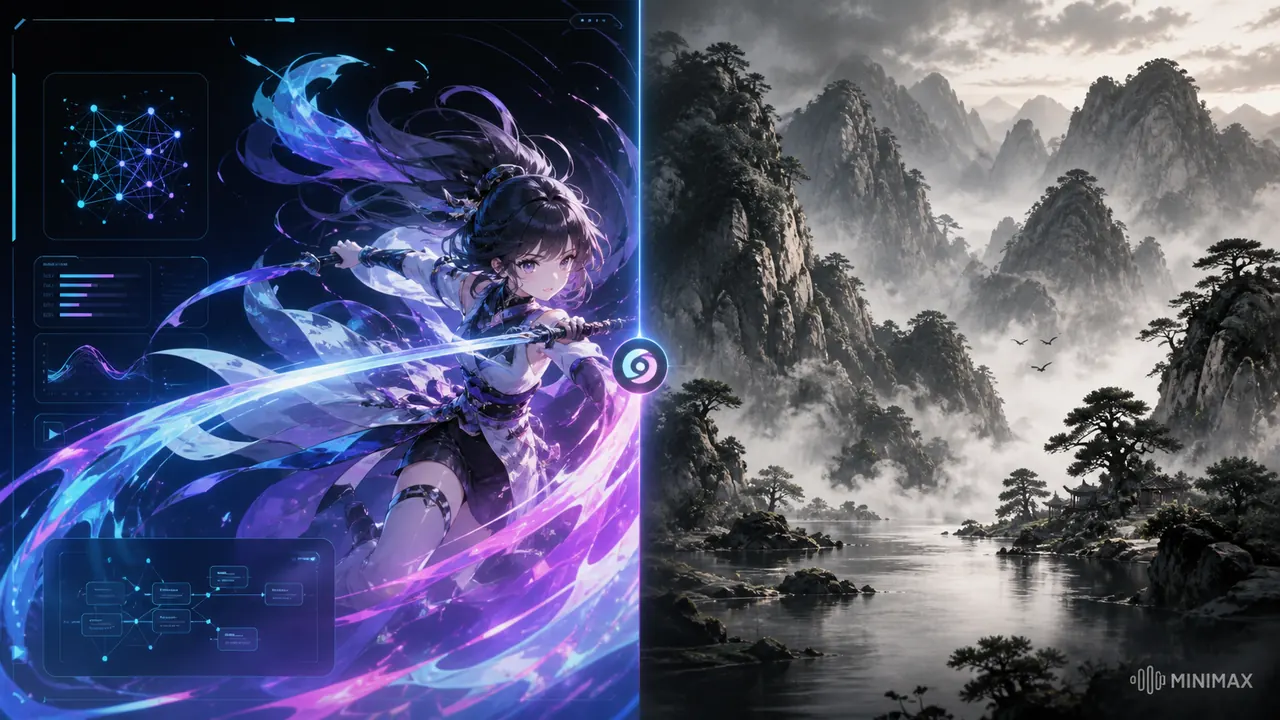
MiniMax's Hailuo 2.3 is the consistent best-bang-for-buck call in July creator roundups, drawing praise for physics-leading body motion, natural facial micro-expressions, fast generation, and strong support for anime, ink wash, illustration, and game CG styles. This is on the back of MiniMax's January Hong Kong IPO raising ~$619M at a $4B valuation. When creators ask "what's the best deal right now," Hailuo keeps coming up.
On July 14, TikTok announced C2PA Steering Committee membership and confirmed it has auto-labeled over 3 billion AI-generated videos through a combination of Content Credentials, creator self-disclosure, and invisible watermarking. The enforcement detail that matters: non-disclosed AI content flagged by automated detection loses Creator Fund earnings for 14 days — even after retroactive labeling. C2PA metadata in your upload pipeline is no longer optional.