Disclosed AI content retains 60–70% monetization eligibility on TikTok in 2026; unlabeled AI content triggers removal or Creator Rewards suspension outright. Fully automated clips with zero human creative input cannot earn at all — the program explicitly requires demonstrated human involvement. Use TikTok's built-in label on every post, every time, no exceptions.
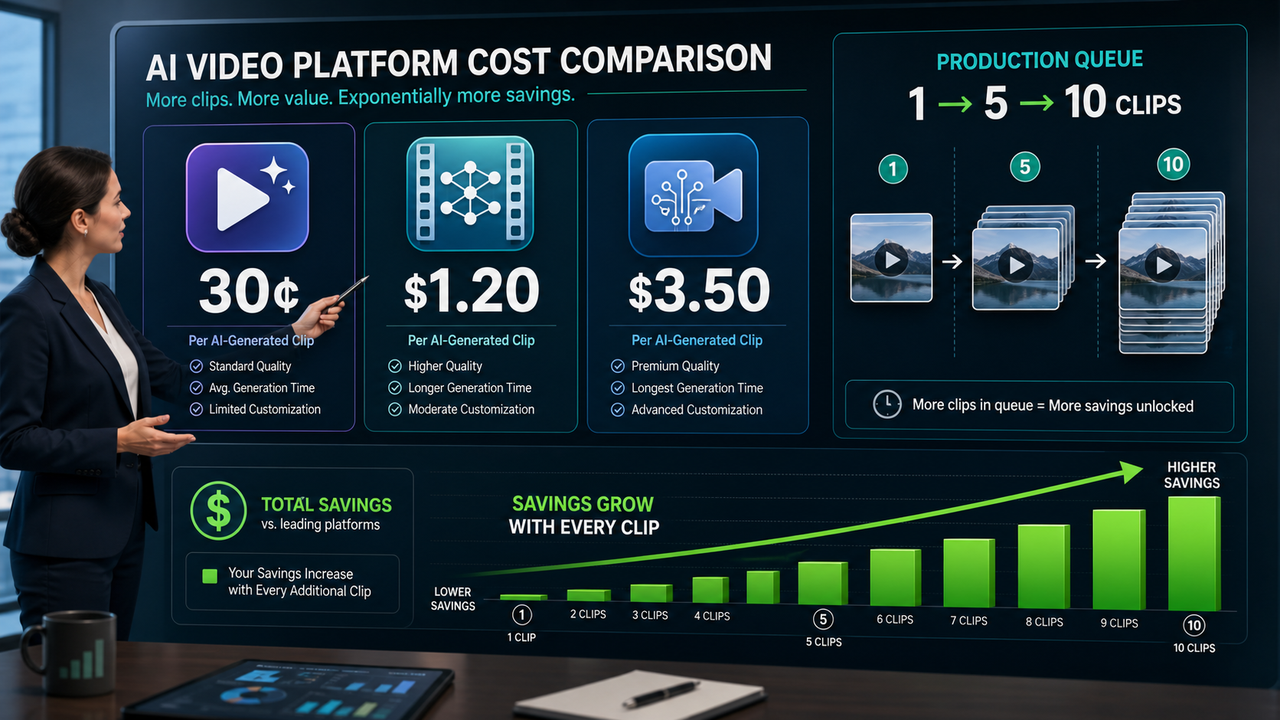
MiniMax's Hailuo 2.3 is pricing out the competition hard: $0.30 per 10-second 1080p clip versus $1.20 on Runway Gen-4.5 and $3.50 on Sora. At production volume that's a 75–90% cost reduction per clip. Current quality strengths are body movement realism, natural facial micro-expressions, and strong anime and illustration style transfer — exactly the styles running numbers in short-form right now.
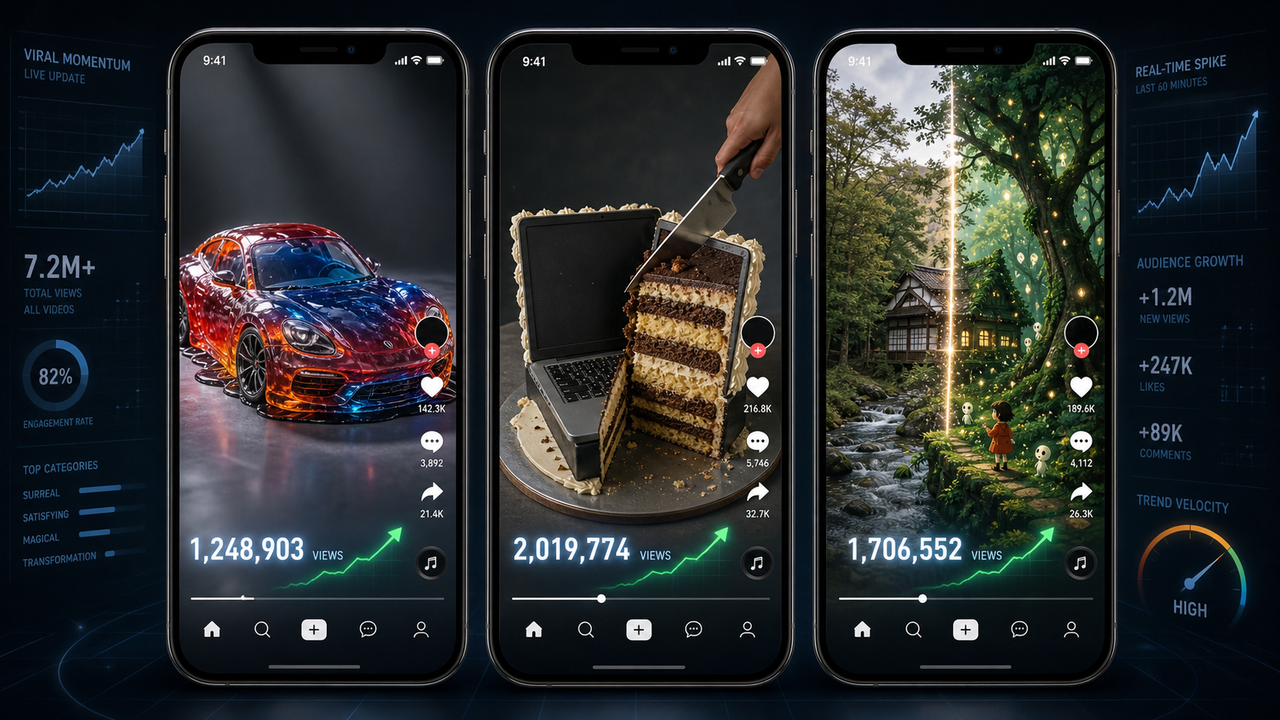
Three AI video effects are trending hard across TikTok and Instagram right now: AI Squish (rigid objects deformed like memory foam), AI Cakeify (anything cut open reveals layered cake inside), and AI Ghibli (real footage transformed to hand-drawn anime aesthetic). Hook-first formats with near-zero narrative overhead — one strong object choice and the effect carries the video. Low production cost, high repeatability, clear audience mechanic.
Data from 500 viral AI videos shows 78% of viral content is under 30 seconds — but the 35–55 second window achieves higher engagement, enough runtime for an emotional arc while keeping completion rates strong. YouTube Shorts confirmed the same pattern: clips over 40 seconds outperform shorter cuts by 33% on engagement. If you've been hard-capping at 30, test longer cuts this week.
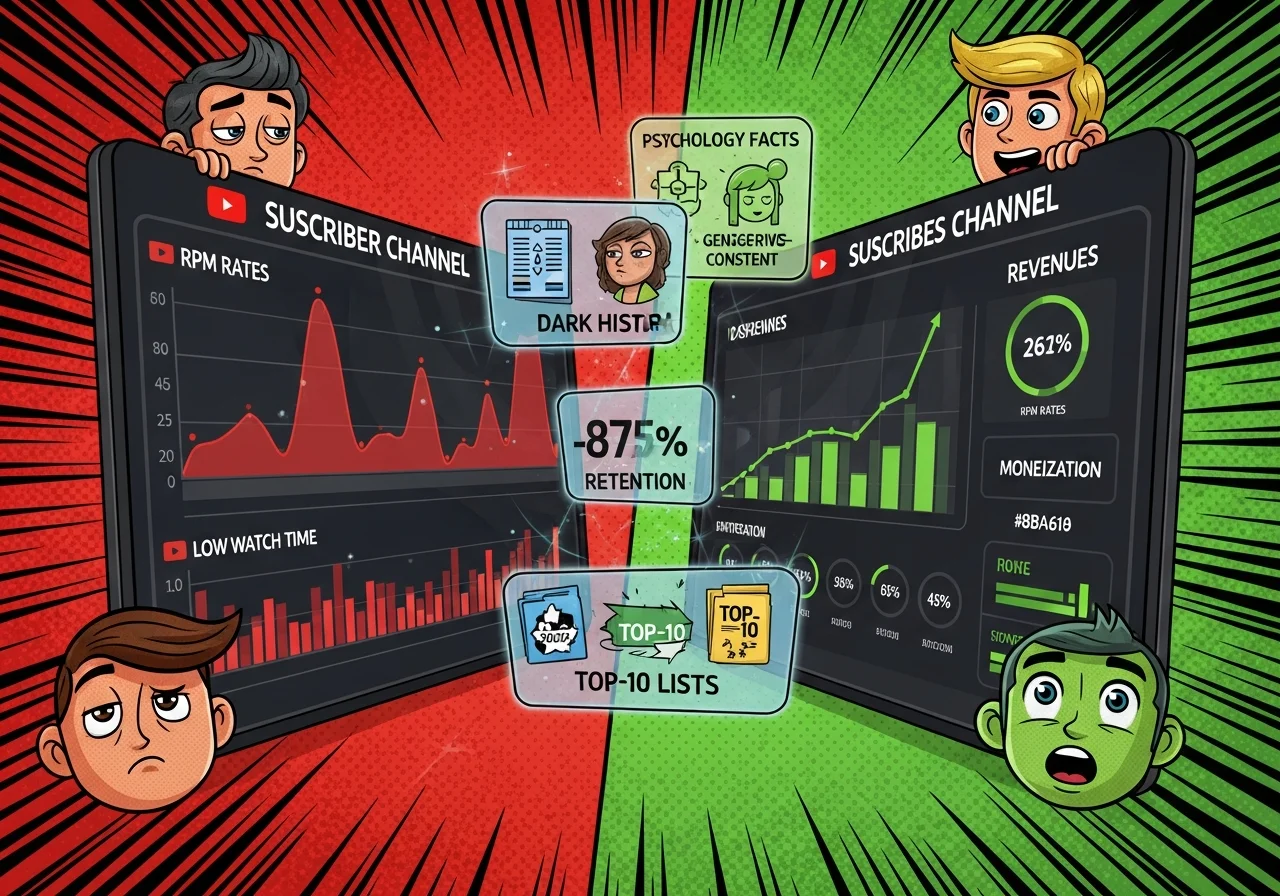
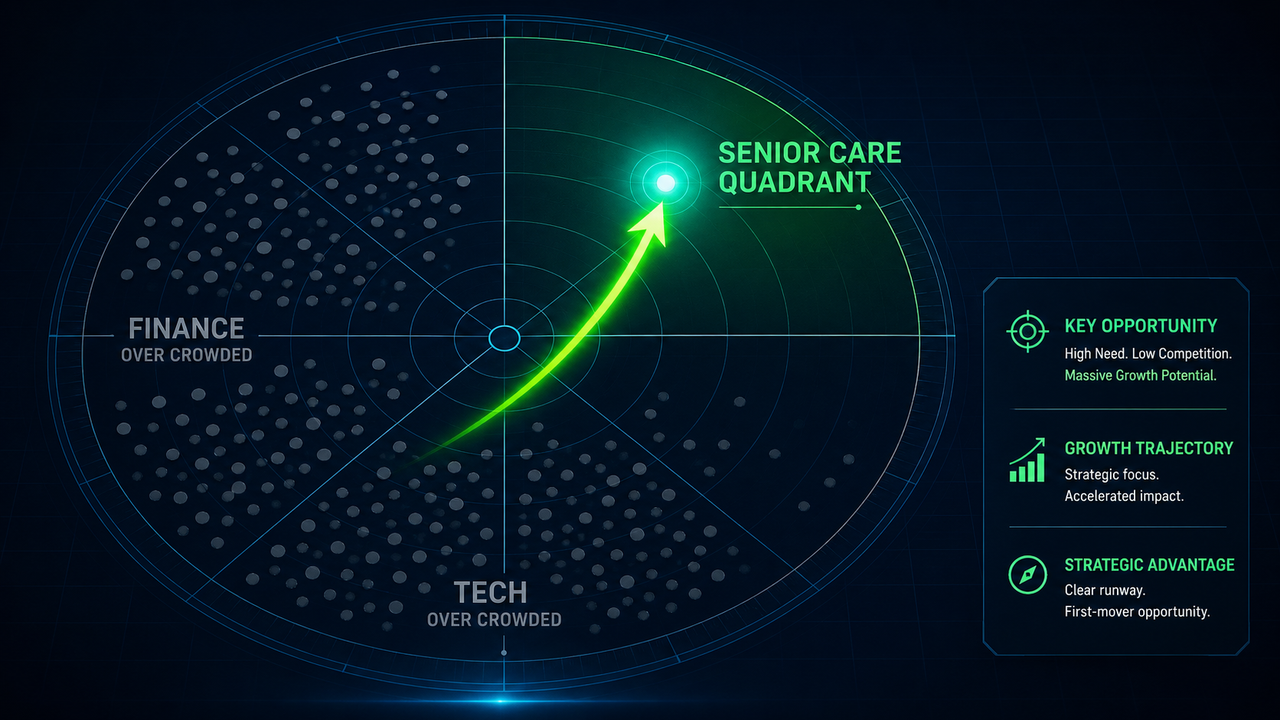
The fastest-growing measured niche category right now is senior care content: 19x growth rate, high CPM, minimal established AI competition. Most AI operators default to finance and tech, leaving genuine first-mover room in senior care and elder wellness. Psychology content is also moving fast — operators are hitting 1,000 subscribers in 2–4 months with consistent daily posting. Both are high-CPM, underserved, and scriptable with existing AI pipelines.
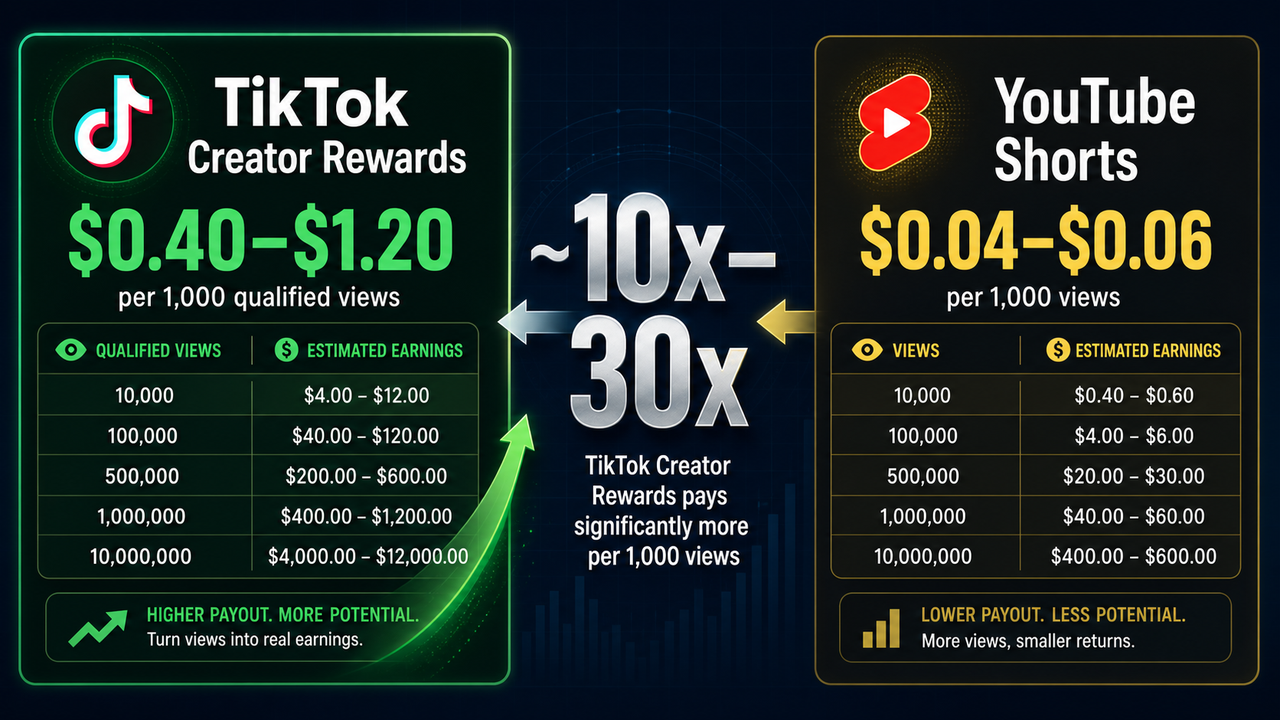
TikTok Creator Rewards is running $0.40–$1.20 per 1,000 qualified views in 2026. YouTube Shorts is paying $0.04–$0.06 per 1,000 views. For the same clip distributed to both platforms, TikTok RPM is 10 to 20 times higher. The variable is "qualified" — content needs to be original, disclosed, and over 60 seconds for full eligibility. That gap is wide enough to change where you prioritize optimization.
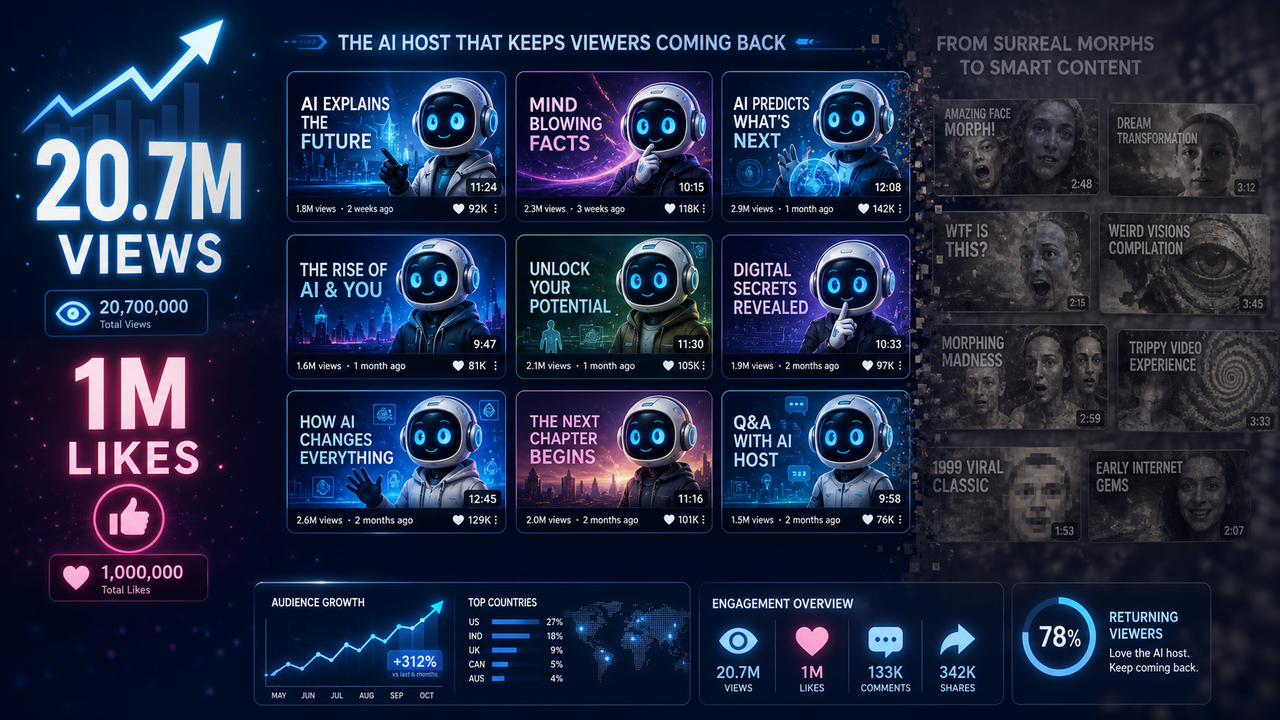
A measurable format shift is underway: character-driven AI short narratives are outperforming the hyper-real spectacle and surreal morph content that dominated 2025. Audiences are following AI characters the way they follow human creators — the "You haven't slept in 5 days, which bed are you choosing?" format hit 20.7M views and 1M likes. Continuity and relatability are the new hooks; visual shock is fading.
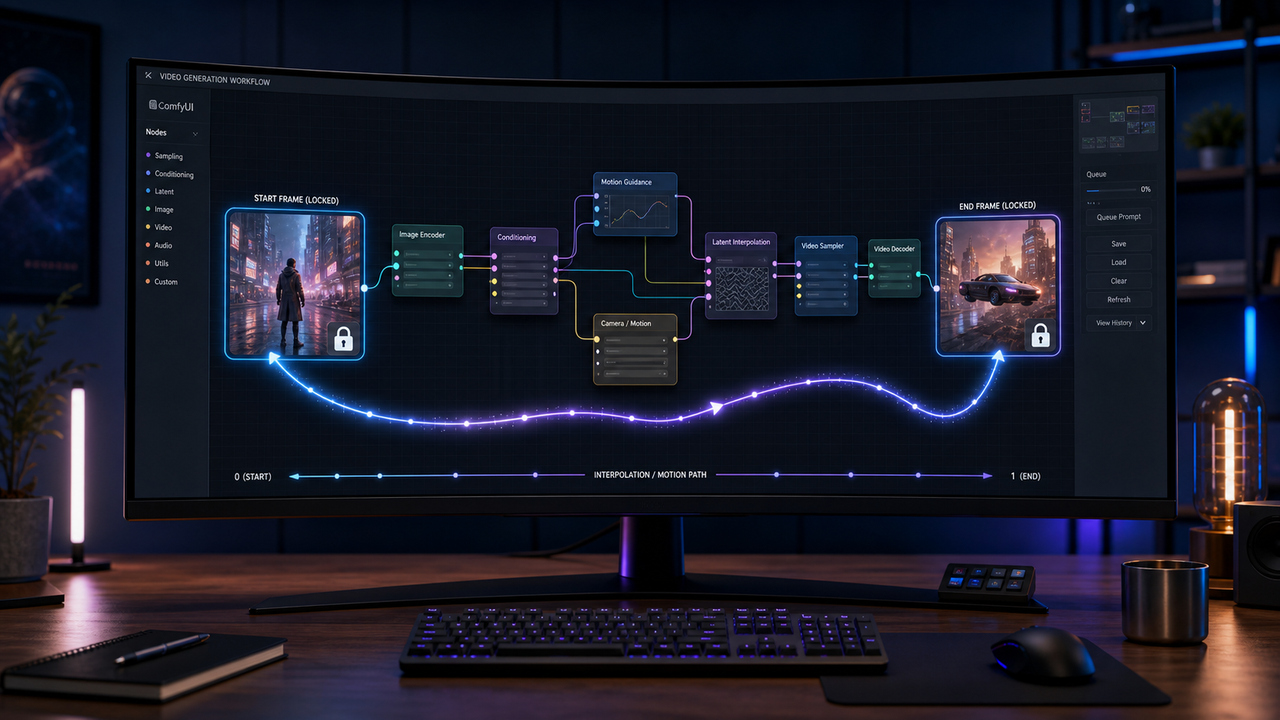
Wan 2.2's FLF2V (first-frame-last-frame-to-video) mode now has native ComfyUI support — lock both the opening and closing frame, let the model generate the motion between them. Direct motion path control without external ControlNet nodes. Eighteen free workflow templates at comfy.org cover this; the Lightx2v variant handles FLF2V fast on lower VRAM setups.