Alibaba's Wan 2.7 is available in ComfyUI via Partner Nodes as of this week. The upgrade over 2.6 is substantial: first-and-last-frame I2V control (define both endpoints, model fills the motion), a 9-grid 3x3 image layout for multi-angle character references, support for up to 5 real-person inputs with vocal timbre matching, and a full multimodal pipeline across text, image, audio, and video. To access: update ComfyUI to version 0.18.5, open Template Library → Video, search "Wan2.7."
YouTube's first major enforcement wave under the renamed "Inauthentic Content" policy (formerly Repetitious Content) took out 16 major channels in January 2026 — 4.7 billion combined lifetime views, roughly $10 million in estimated annual ad revenue gone in one action. Triggers: AI voiceover over stock footage with no personality, template clones where only the title changes, daily posting with zero format variation. What protects you: human fingerprints — varied structure, real editing decisions, proper use of YouTube's disclosure tools.
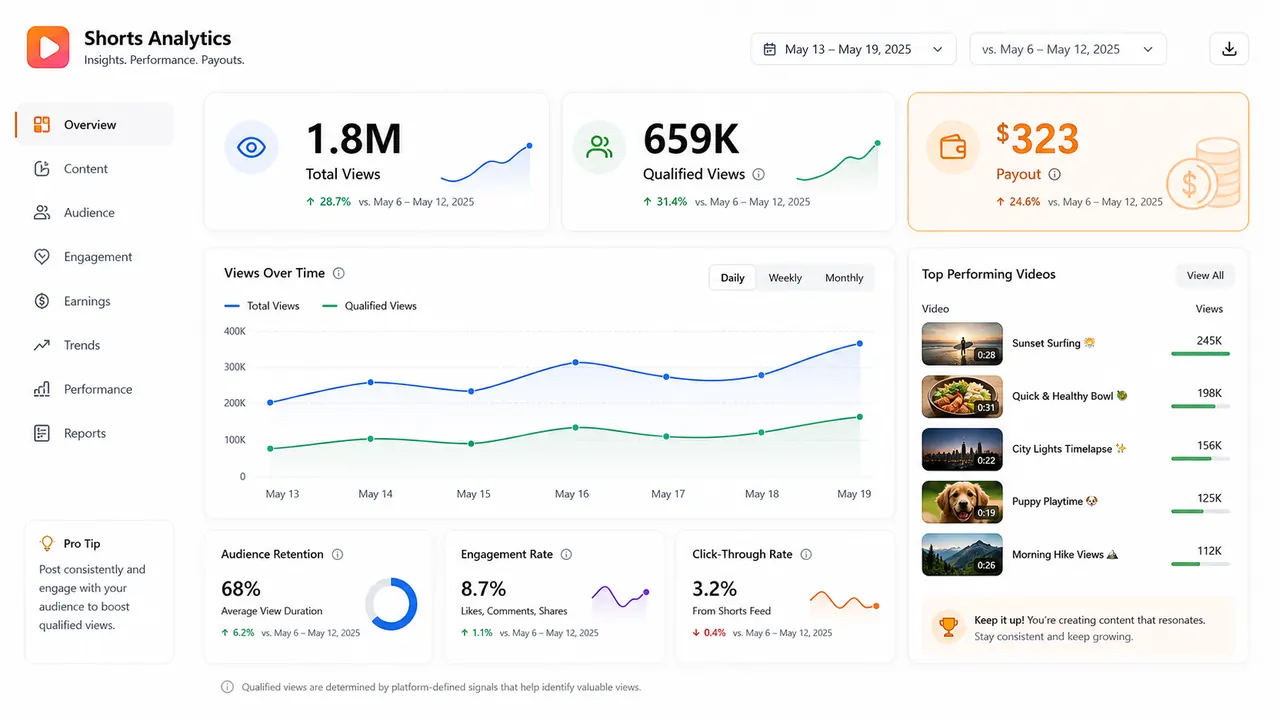
Documented creator data: a video with 1.8 million total views on TikTok's Creator Rewards Program paid $323, because only 659,000 views qualified. Broad RPM has dropped from $1.00–$1.50 per thousand down to $0.40 or below, driven by creator pool dilution, geographic filtering (only eligible-country views count), and the algorithm weighting retention over raw view volume. Minimum bar to even participate: 10K followers, 100K views in 30 days.
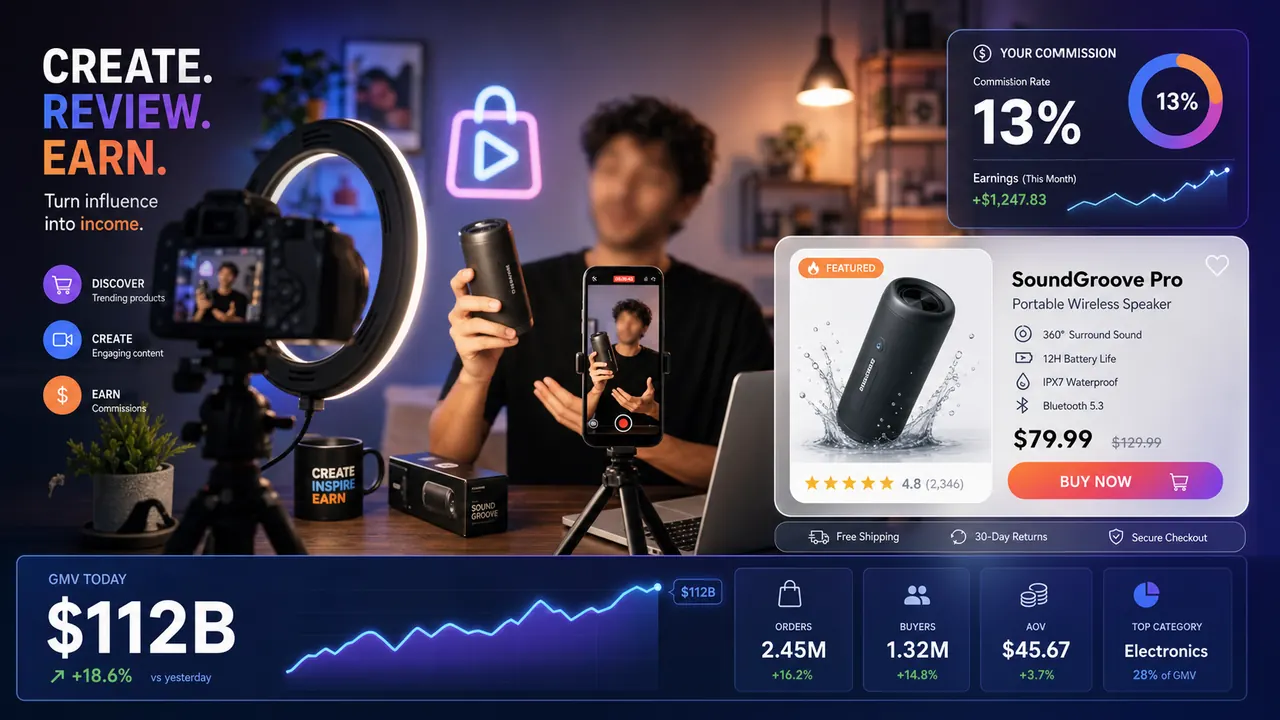
TikTok Shop now drives 42% of US platform GMV, with 2026 global GMV projected at $112 billion. Average US affiliate commission hit 13.02% and is trending up as brand competition for top performers increases. Beauty and supplements pay 8–12%, fashion 5–8%. Shop conversion rate is 4.7% versus 2–4% on traditional e-commerce. Critical note: TikTok's algorithm has stopped distributing low-effort static image formats — performant video is the gating factor for organic reach.
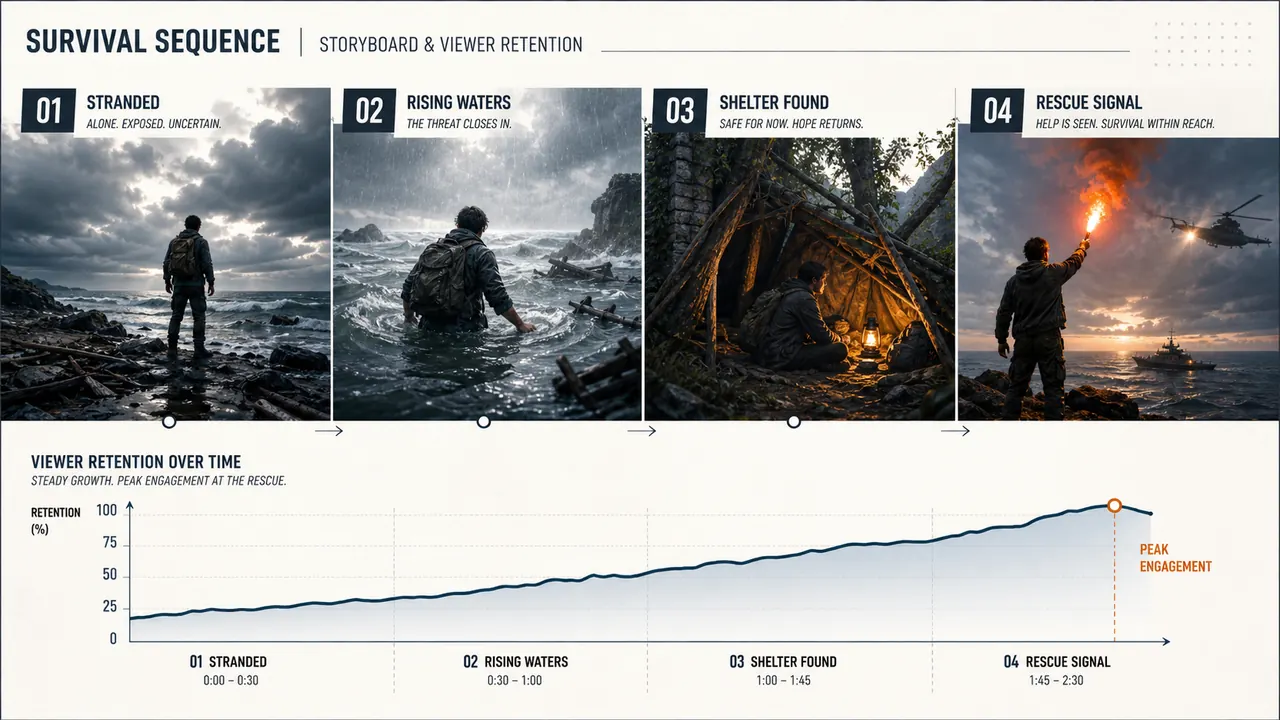
A creator who ran a head-to-head test across AI video formats found mystery and survival story content dramatically outperformed cinematic AI shorts, generic motivation content, and relaxation videos on completion rate and early retention. The driver: narrative tension creates a "curiosity loop" that holds viewers to the end. Cinematic shorts lost viewers in the first two seconds despite high visual quality — that format is both oversaturated and psychologically misaligned with short-form viewing behavior. Strategy and story structure beat render quality every time.
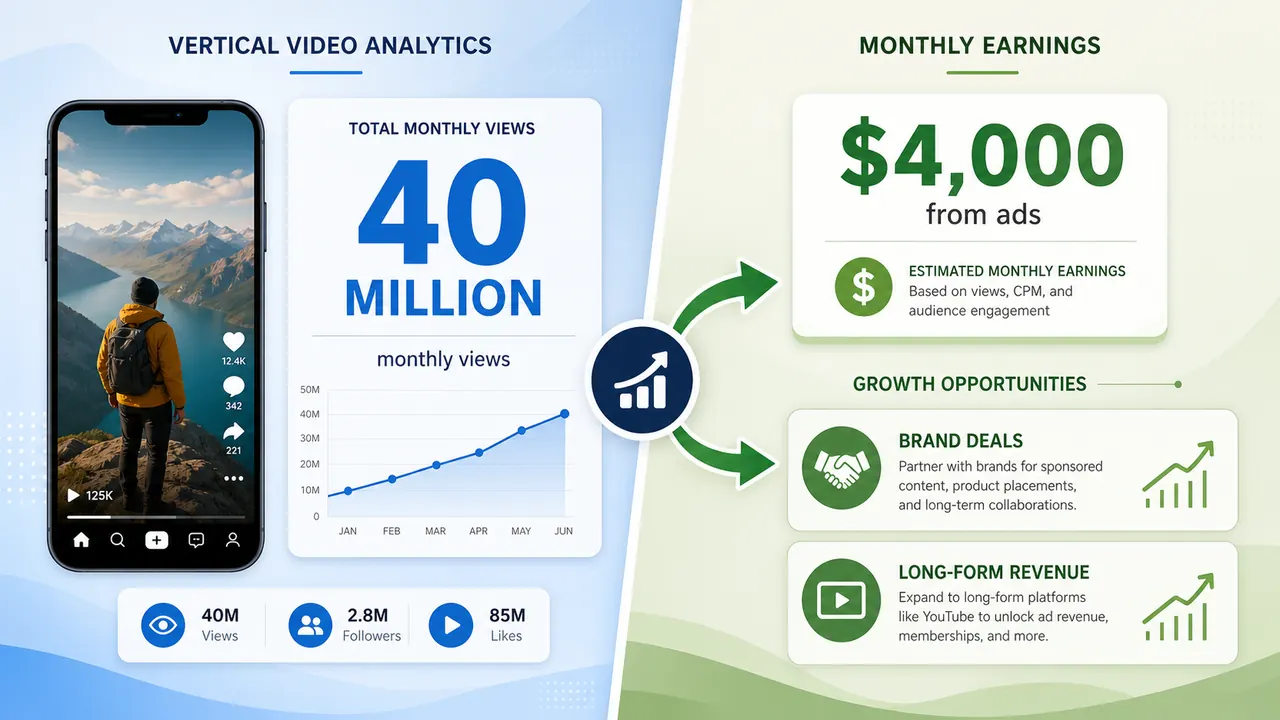
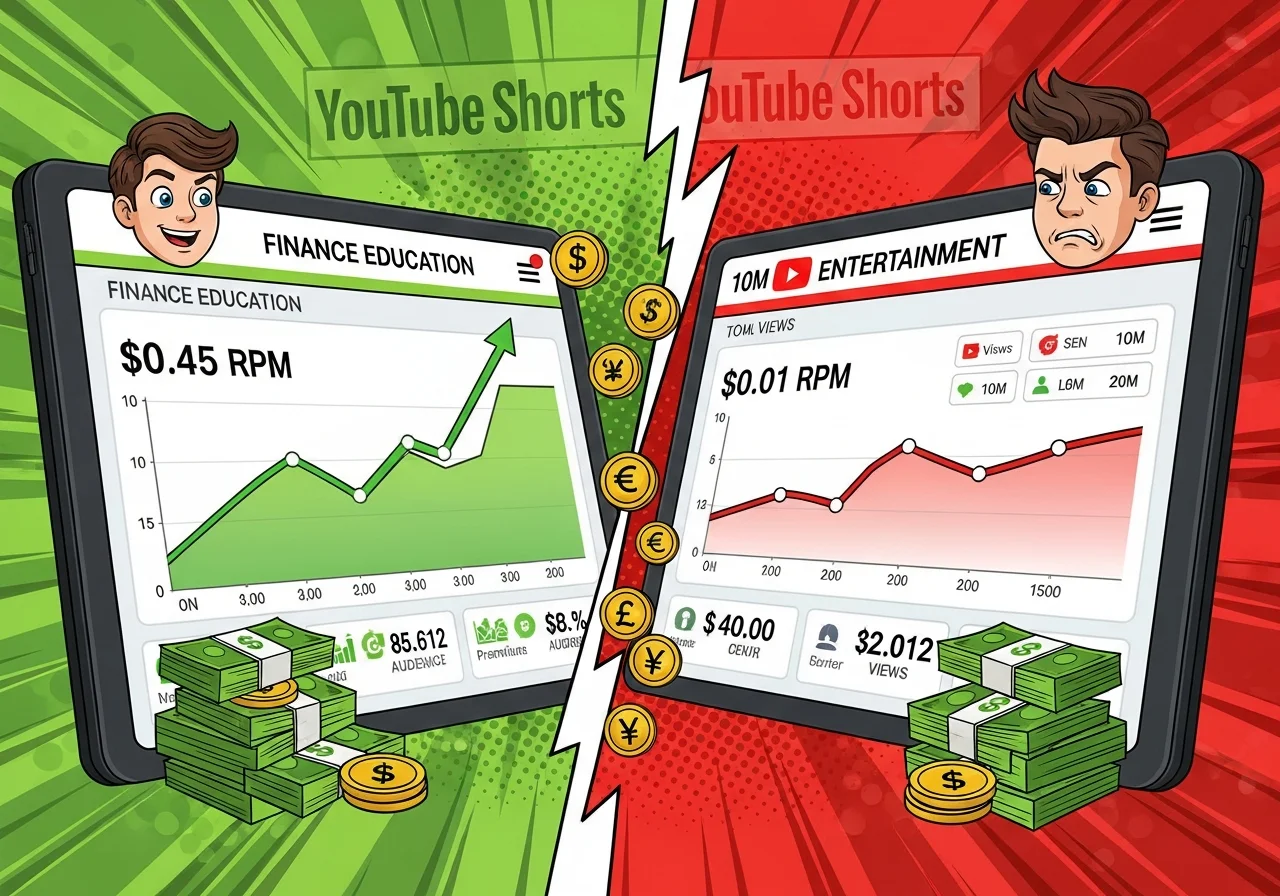
YouTube Shorts RPM for AI creators lands at $0.03–$0.10 per 1,000 views — 5 to 20 times lower than long-form in the same niche. Reaching $5K/month from Shorts ad revenue alone requires 40–100 million monthly views, a bar only about 3% of monetized channels hit. The working model: Shorts for discovery, convert to long-form at $8–$15 RPM (AI tutorials) or $15–$22 CPM (personal finance), stack brand deals on top. 76% of top Shorts creators report brand deal revenue exceeds their ad income.
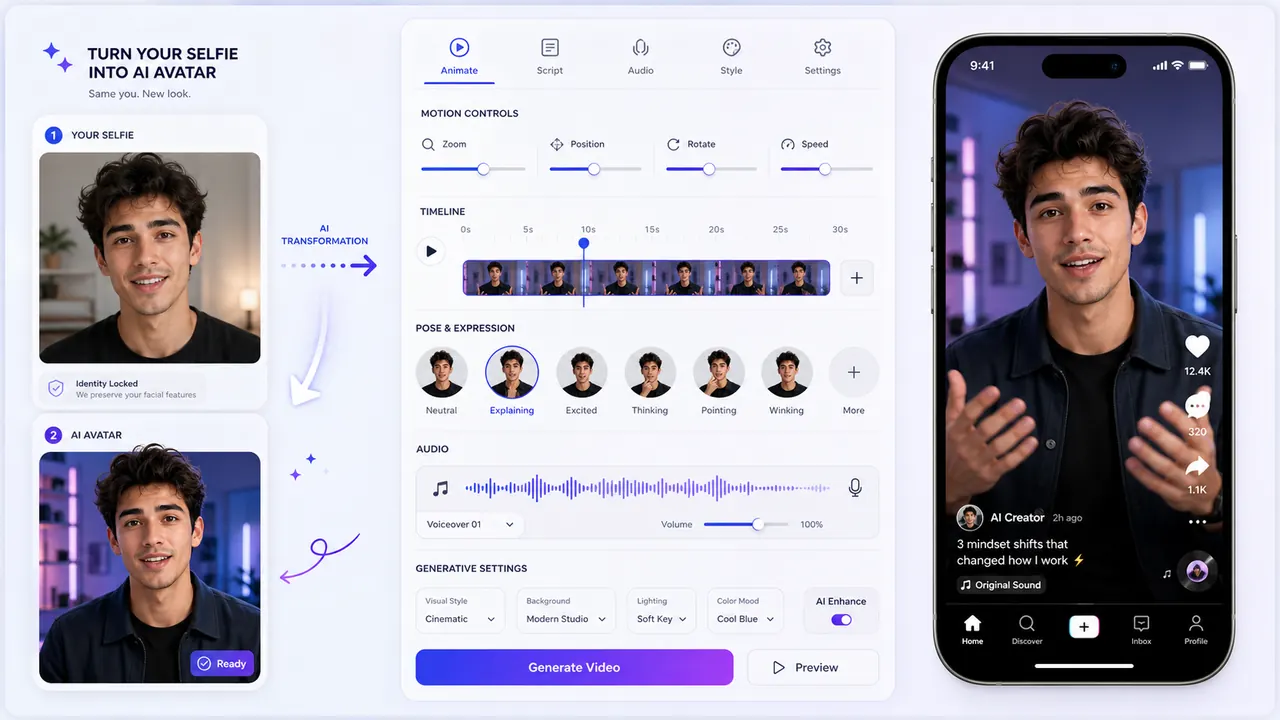
YouTube publicly confirmed development of a feature letting creators generate Shorts using AI versions of their own likeness — a consistent on-camera AI persona without filming. No firm launch date, but product-level confirmation is in. For fully faceless operators, this could unlock a critical middle path: on-camera credibility for brand deals without the logistics of actually being on camera. The "faceless" limitation has historically been the ceiling on direct sponsorship conversations.
AI tools and workflow tutorials are landing at $10–$15 CPM, personal finance at $15–$22, B2B and SaaS reviews at $10–$30. In these niches, a single brand deal is typically worth 5–10 times the Shorts ad revenue from the same content. 38% of new monetization ventures in 2026 are now faceless channels — competition is real — but operators who have staked out specific educational verticals are still running math that works.