OpenAI ended the Sora web and app experience on April 26, 2026, with the API following on September 24. Any production pipeline still routing clip generation through the Sora API has roughly nine weeks before it breaks. Current blind-arena leaders Kling v3 and Seedance 2.0 are the primary drop-in alternatives on quality-per-dollar benchmarks.
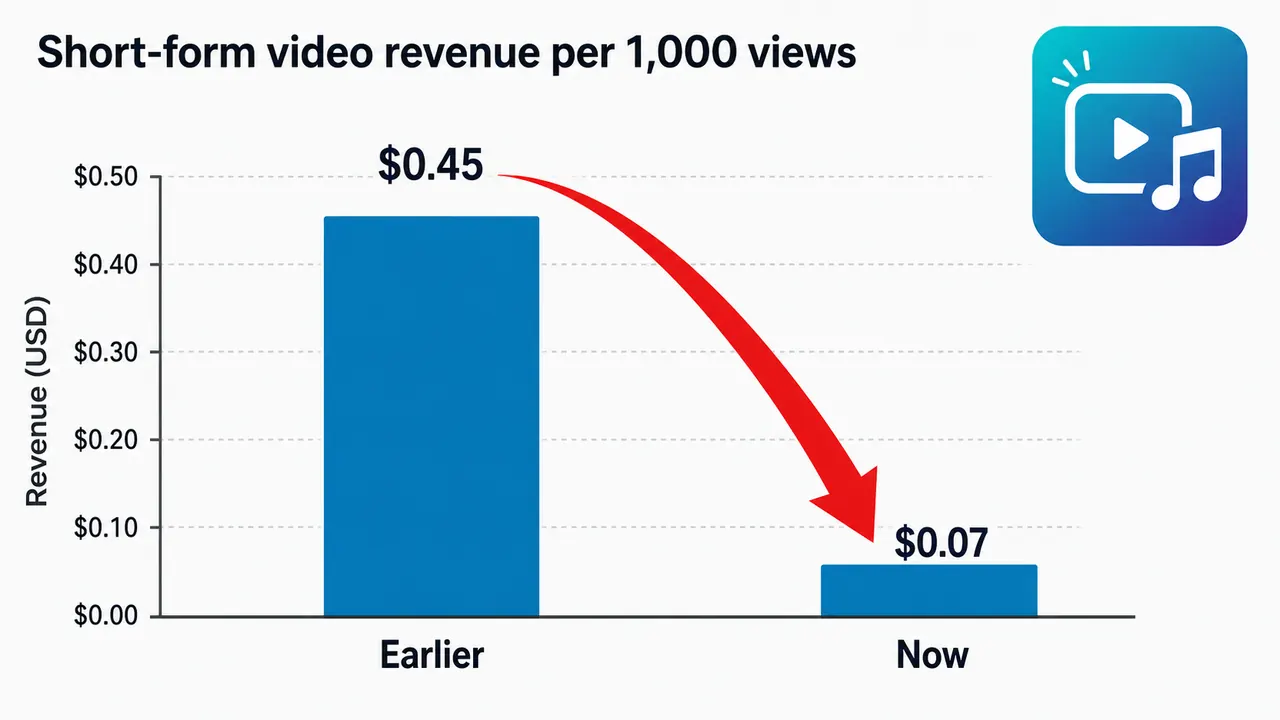
One creator pulled 1.8M total views but only 659K qualified, earning roughly $323 — a 37% qualification rate. Average TikTok Creator Rewards Program RPM has fallen from the historical $1.00–$1.50 range to $0.40–$1.00, with early 2026 algorithm adjustments specifically penalizing non-regional and low-retention traffic. The platform math increasingly supports treating TikTok as distribution, not primary income.
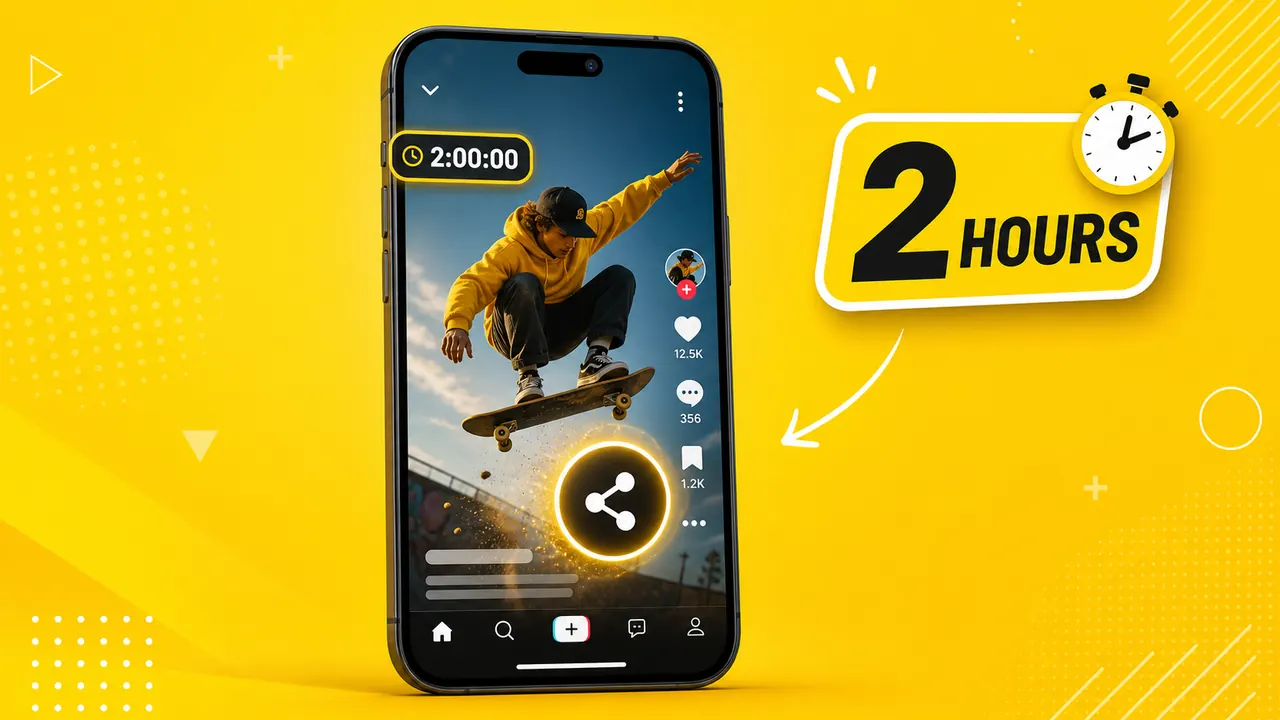
YouTube's algorithm now evaluates Shorts on share velocity: how fast a video gets shared via DM, link copy, or repost within the first two hours of posting. High early share rate triggers exponential algorithmic distribution. This reframes community seeding, Discord timing, and post scheduling as primary growth mechanics, not optional extras.
The July 17 ComfyUI update (requires v0.3.46+) for Wan 2.2 added Speech-to-Video for synchronized character animation and First-Last-Frame-to-Video for controlled scene transitions, plus the existing I2V mode. The MoE architecture was trained on 83.2% more video data than 2.1. Hardware: 5B FP8 runs at 480p on 6GB VRAM; cloud 720p generation on an RTX A6000 costs $0.05–$0.09 per clip at $0.35/hr.
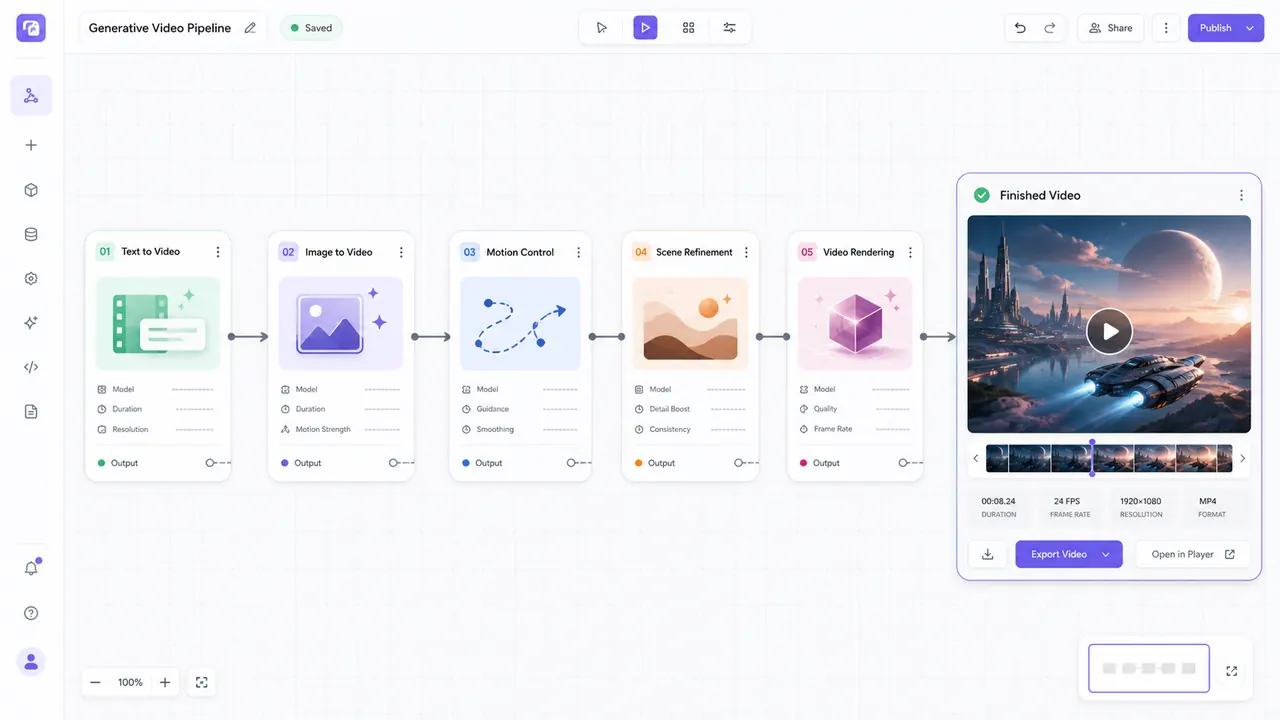
Wireflow now supports chaining Veo 3.1, Kling 3 Pro, Seedance, Luma, and Sora 2 through a single visual workflow canvas — text-to-video, image-to-video, and 4x upscaling in one pipeline with no code required. For volume operations mixing models across the quality-vs-cost spectrum, this eliminates the multi-account management overhead without custom scripting.
Current blind human-vote leaderboard: Kling v3 at 1928, Happy Horse 1.0 at 1806, Seedance 2.0 Fast at 1703. Kling v3 is the text-to-video quality-per-dollar benchmark as of this week. If your model selection is running on inertia from older testing, the gap has widened enough to warrant a fresh comparison pass.
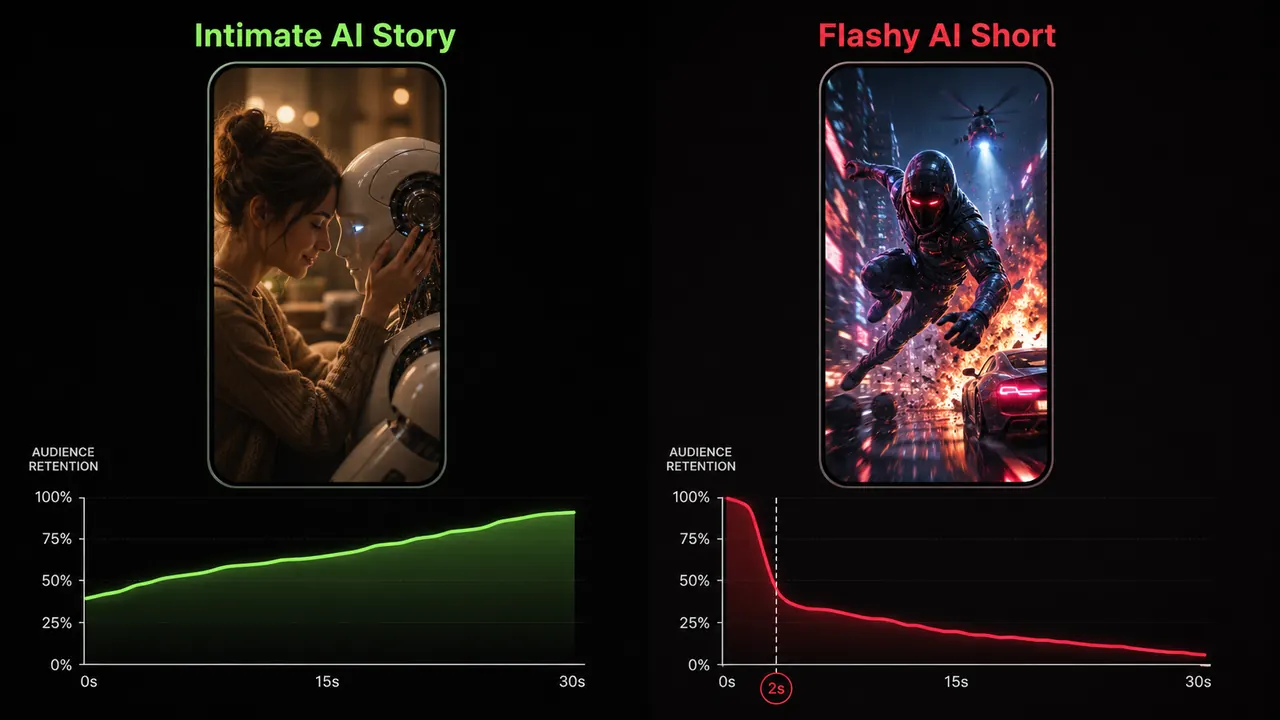
Multi-niche field test results: AI story videos built on curiosity loops and emotional investment showed strong watch-through; relaxation/sleep content accumulated passive views steadily over time. Cinematic AI shorts — visually impressive, narrative-absent — lost audiences in 1–2 seconds. AI motivation content was flagged as generic instantly. The retention gap between story-structure and spectacle is now clearly documented across formats.
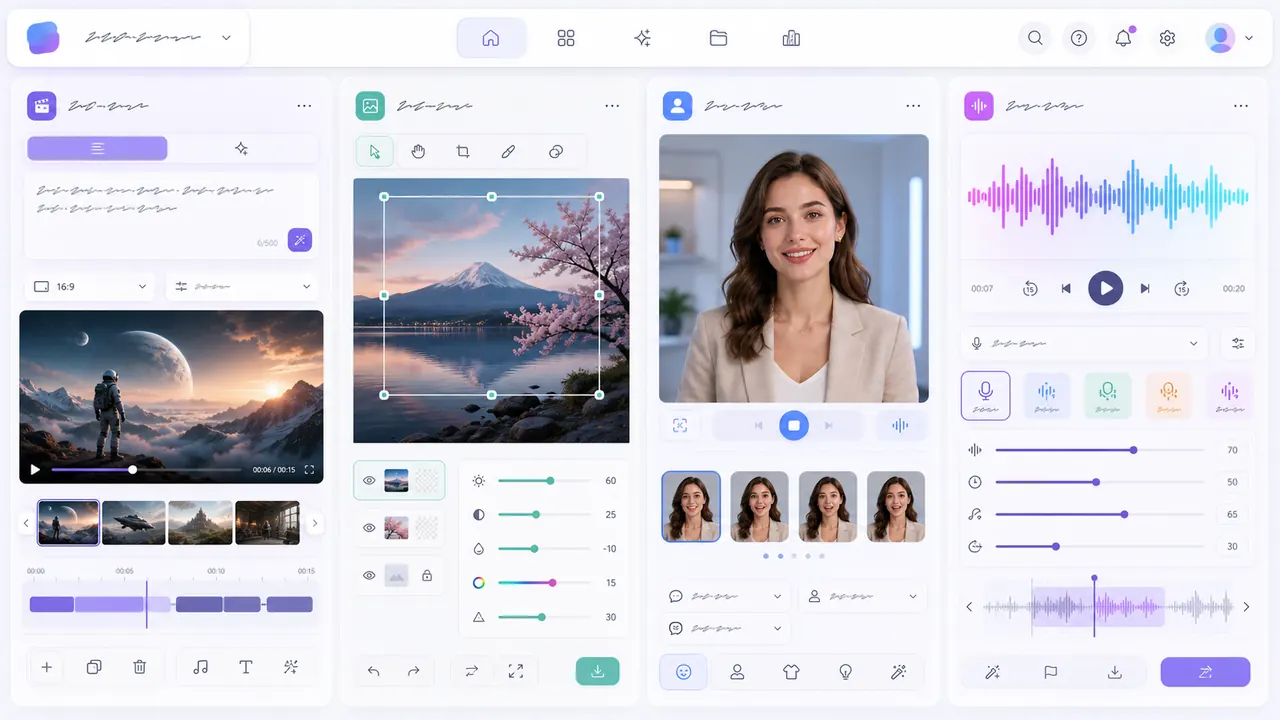
July 22 announcement: Vivideo.ai consolidated text-to-video, image-to-video, editing, AI avatars, voice generation, and UGC ad-format creation into a single project workspace with no app switching. Free tier available. Targeted at small businesses and agencies managing multiple client accounts — not a production pipeline replacement, but worth knowing as a client-facing no-code recommendation.
Hailuo 2.3 is generating 1080p clips from text or image input in 30–90 seconds with documented improvements in character micro-expressions and physical action sequencing over Hailuo 02. For use cases requiring consistent character output at speed without post-upscaling, this is currently the fastest native-1080p option in the market.
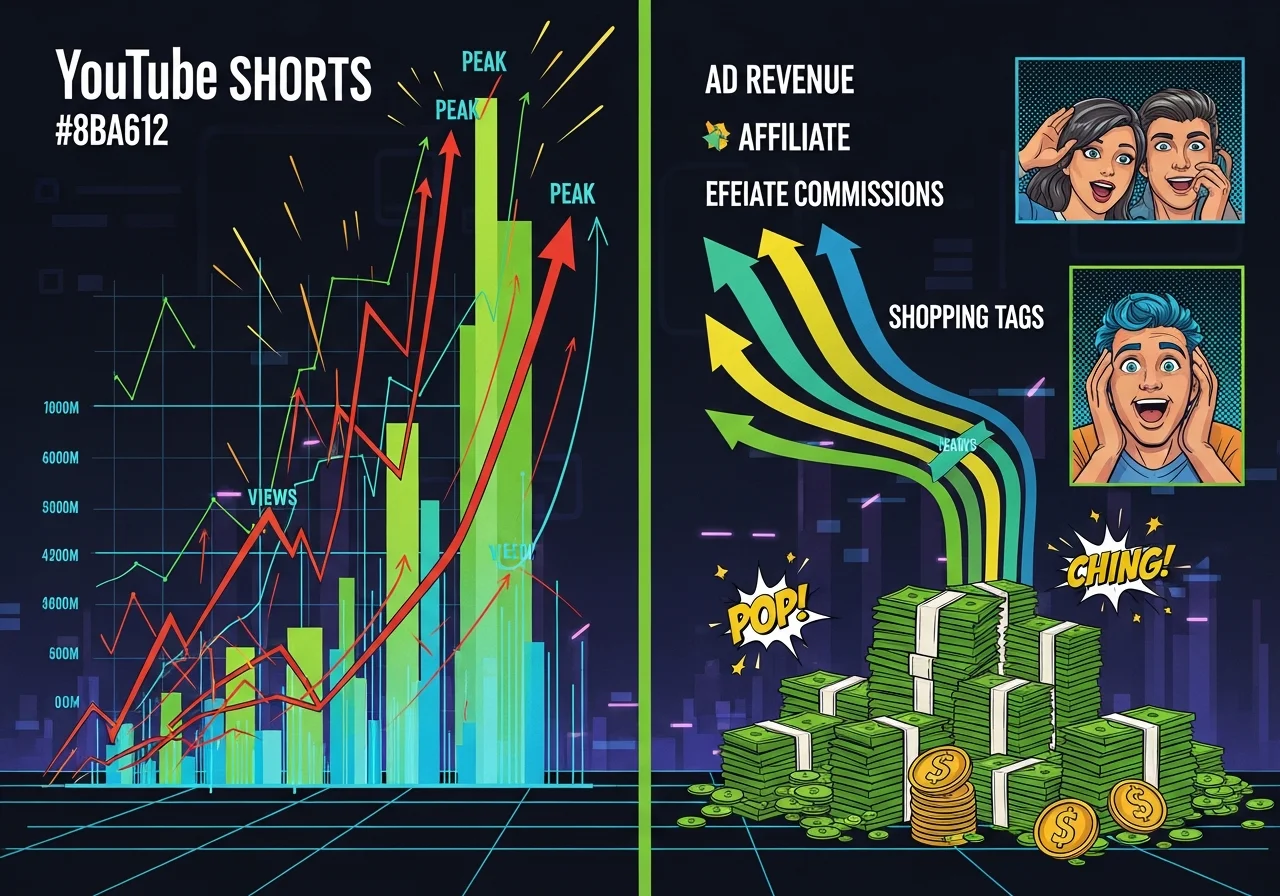
YouTube lowered the Shorts path to entry-tier YPP features (channel memberships, shopping links) to 3M valid views in 90 days. Full ad revenue still requires 10M. AI content disclosure toggle is required in YouTube Studio but does not affect monetization eligibility. Shorts RPM holds at $0.03–$0.07 per 1K; long-form AI content in high-CPM verticals is running $2–$6 RPM.