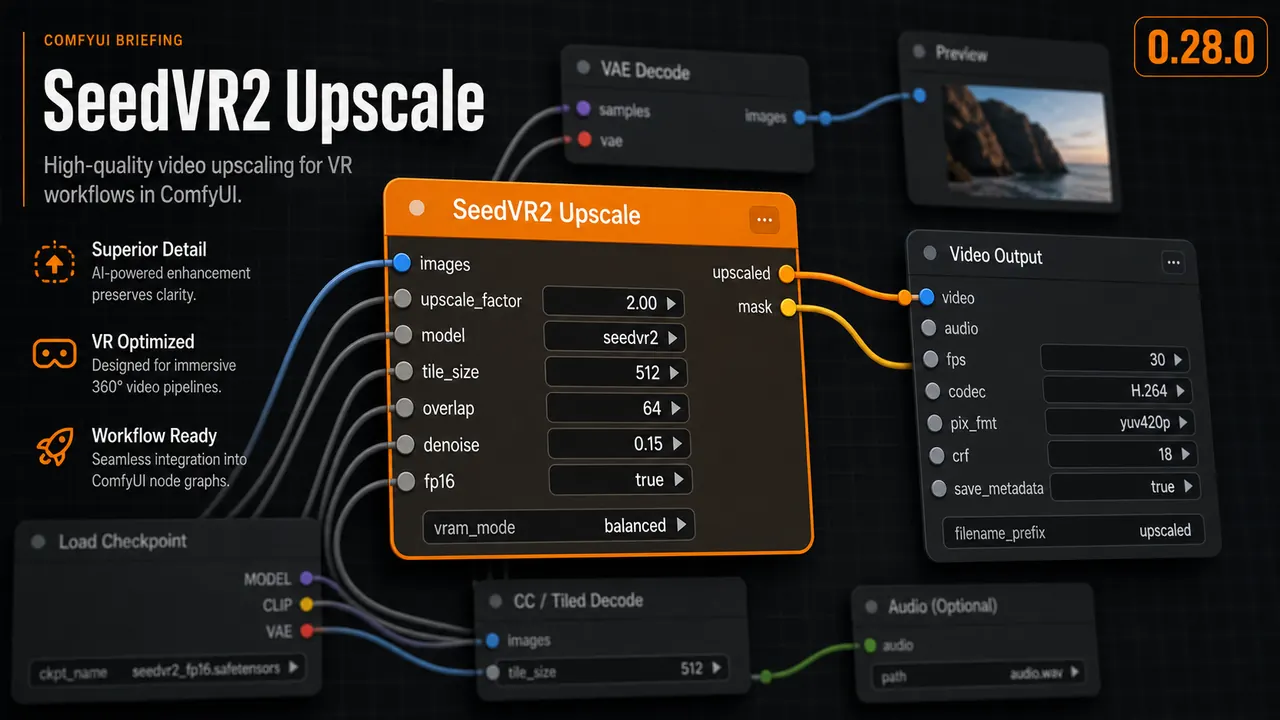
Released July 15, ComfyUI v0.28.0 bakes SeedVR2 image and video upscaling directly into the core — no custom node required. The release also adds native support for NVIDIA's PID 1.5 PixelDiT architecture, new Save 3D and Text Overlay nodes, convrot int4 optimizations, and partner node updates including Seedream 5 Pro.
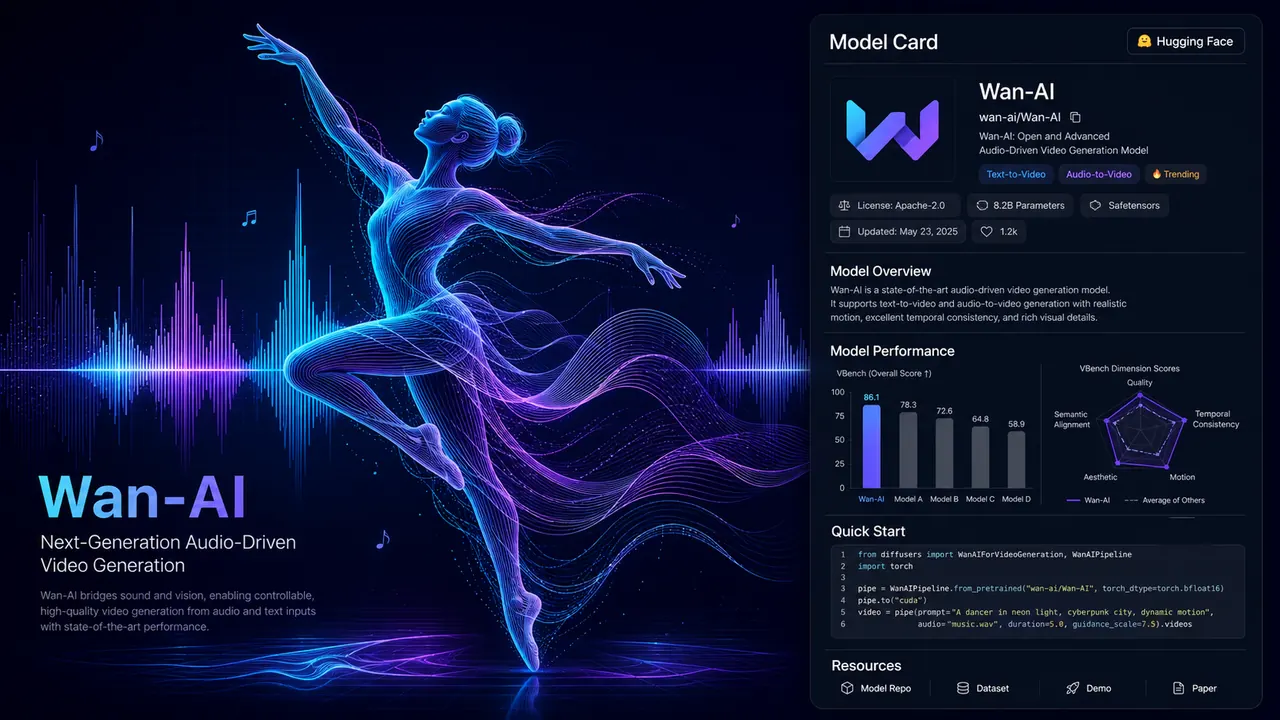
Alibaba's Tongyi Lab dropped Wan-Dancer-14B on July 13 — an open-source model that generates minute-long, 720p/30fps dance videos from a music file and a reference image, covering Classical, K-Pop, Street, Tap, and Latin styles. Weights are on Hugging Face under Apache 2.0, with an official ComfyUI workflow and LoRA fine-tuning for custom choreography baked in. Heavy compute required: tested on 8x A800 80GB, though community FP8 ports are already circulating.
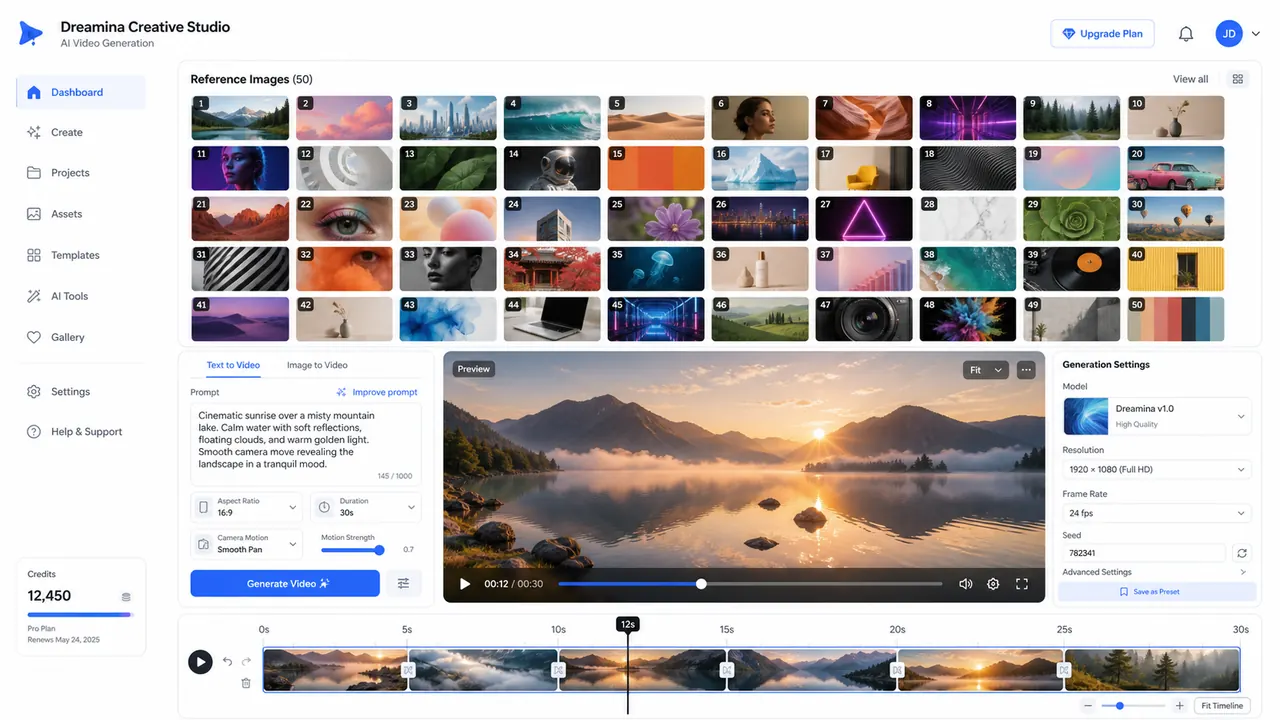
ByteDance skipped the 2.1-2.4 naming chain and launched Seedance 2.5 — a signal of how big the leap is. Core gains: native 30-second single-clip output (no stitching), up to 50 full-modal reference inputs per generation, in-generation editing that redraws targeted frame regions without touching the rest, and native 4K. Pricing is steep at over $28 per 30-second 4K clip, targeting studios. Consumer access is live now through Dreamina internationally, with broad CapCut integration expected before month's end.
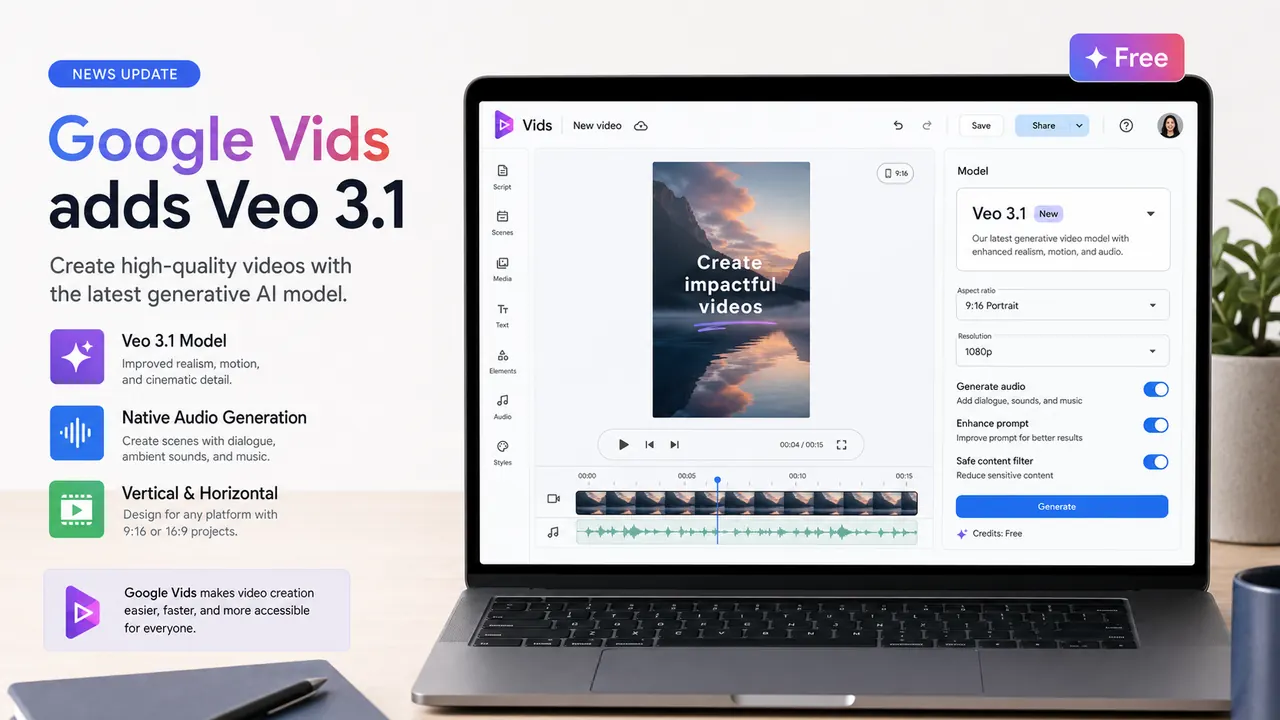
Google quietly broadened Veo 3.1 access so that anyone with a standard Google account can generate video clips at no cost — 10 free generations per month. The model supports native 9:16 vertical output for Shorts, 720p through 4K upscaling, multi-shot clip sequences up to one minute, and integrated Lyria 3 music generation inside Google Vids. Gemini API access is also live for developers.
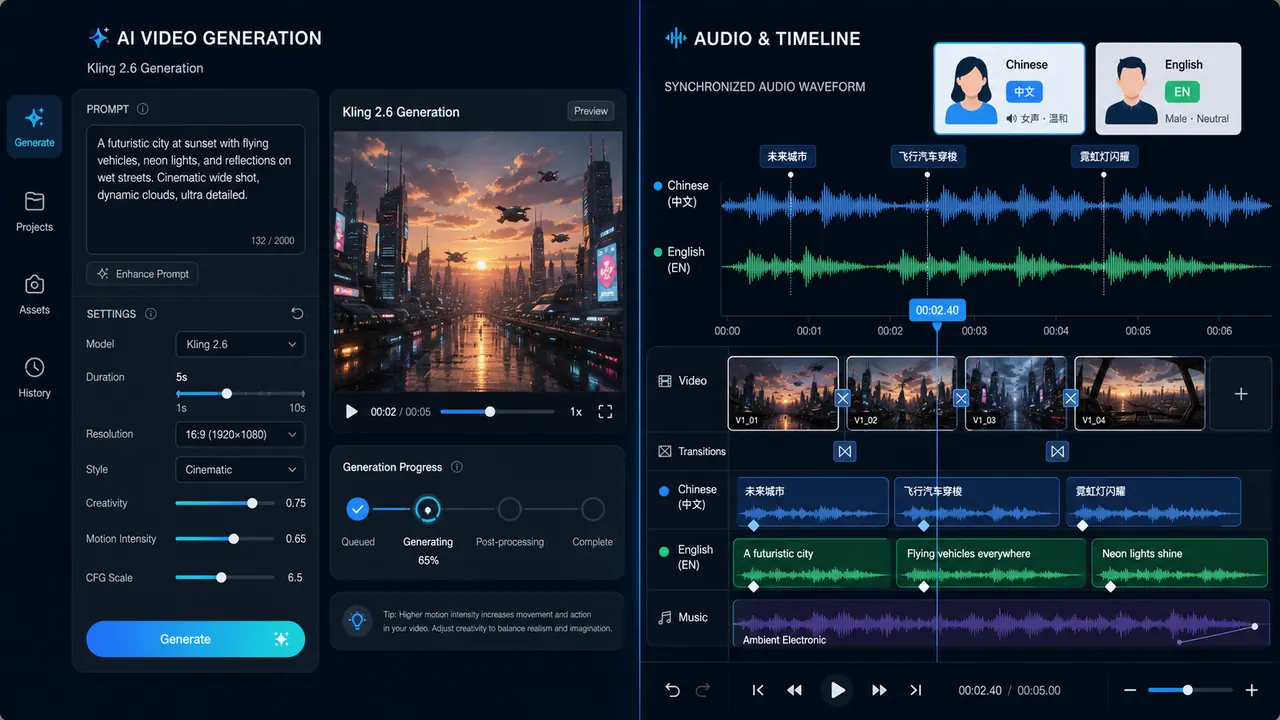
Kuaishou's Kling 2.6 eliminates the silent-video-then-dub workflow by generating visuals, voiceover, sound effects, and ambient audio simultaneously in a single pass. Built-in voice generation covers Chinese and English with multi-character dialogue and tonal control. It's a meaningful architectural change, not just a feature checkbox — semantic alignment between sound and motion is handled at inference time, not in post.
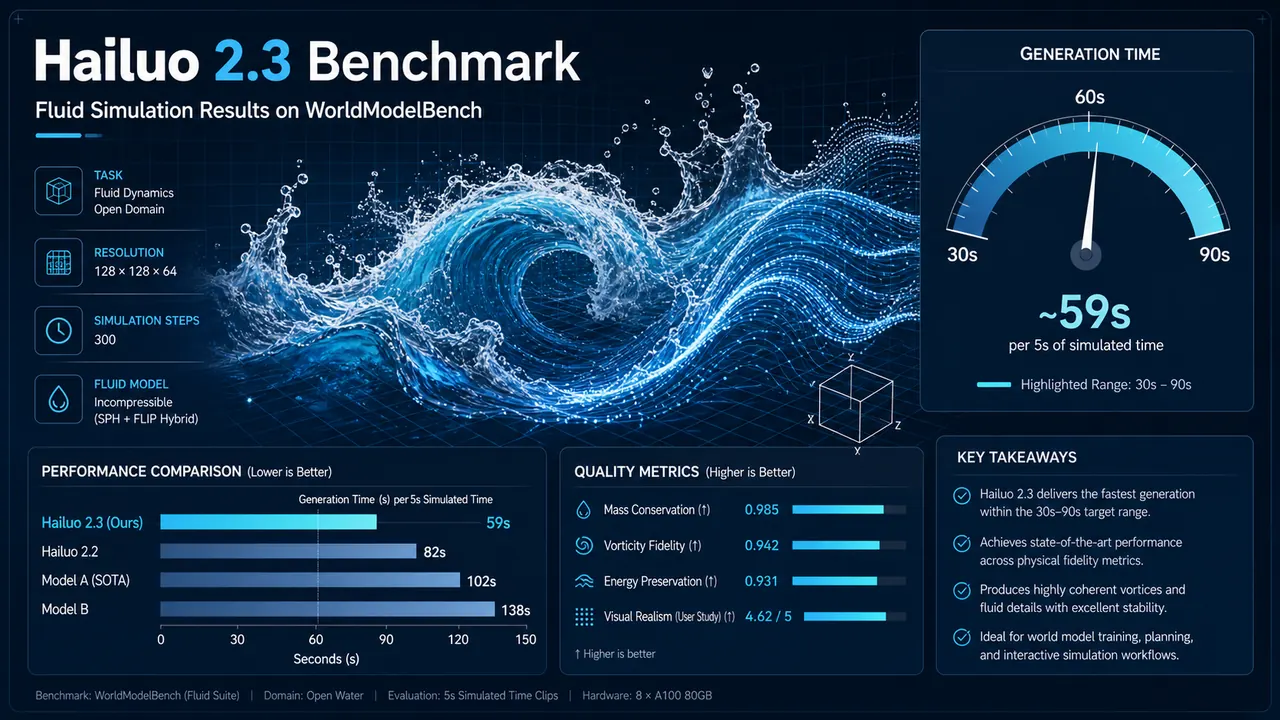
MiniMax's Hailuo 2.3 earned the top physics simulation ranking on WorldModelBench, scoring highest on mass conservation, fluid dynamics, and spatial-temporal consistency. Generation speed is a practical differentiator: 30 to 90 seconds per clip makes it one of the fastest production-grade options available. For creators who need realistic liquid, cloth, or rigid-body motion without Runway's price tag, this is worth a look.
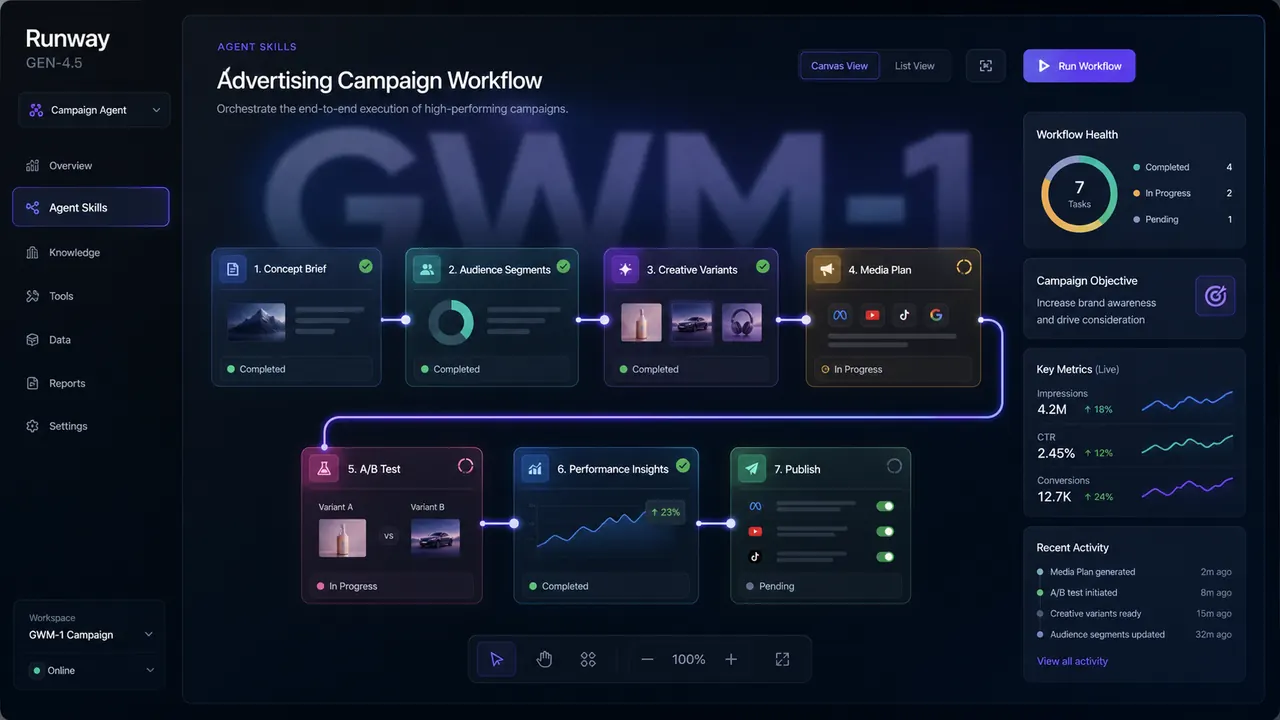
Runway's July release notes add Agent Skills — a structured way to build ad campaigns, create commercials, and localize ads with a single command inside the Gen-4.5 environment. Separately, Seedream 5.0 Lite is now available via the Runway API for text-to-image with optional multi-image fusion and interactive editing. GWM-1 (General World Model) continues rolling out across its Worlds, Avatars, and Robotics variants.
Lightricks' LTX-2.3 has crossed 18 million Hugging Face downloads since its March release. The distilled FP8 variant is the key story for local runners: it fits in 32GB VRAM, putting it within reach of an RTX 5090 without quantization pain. It's an audio-video foundation model — synchronized audio and video in one pass, open weights, practical on prosumer hardware. The gap between this and cloud-only alternatives keeps shrinking.
TikTok is no longer relying solely on creator self-disclosure. The platform now uses C2PA Content Credentials to detect synthetic media automatically, even when creators skip the label. Meta unified its AI content policies across Instagram and Facebook in February 2026 with a mandatory "Made with AI" tag displayed above content. YouTube continues requiring the "Altered or Synthetic Content" toggle in Creator Studio. Bottom line: assume your AI-generated clips will be flagged on every platform whether you label them or not — control the narrative by labeling first.
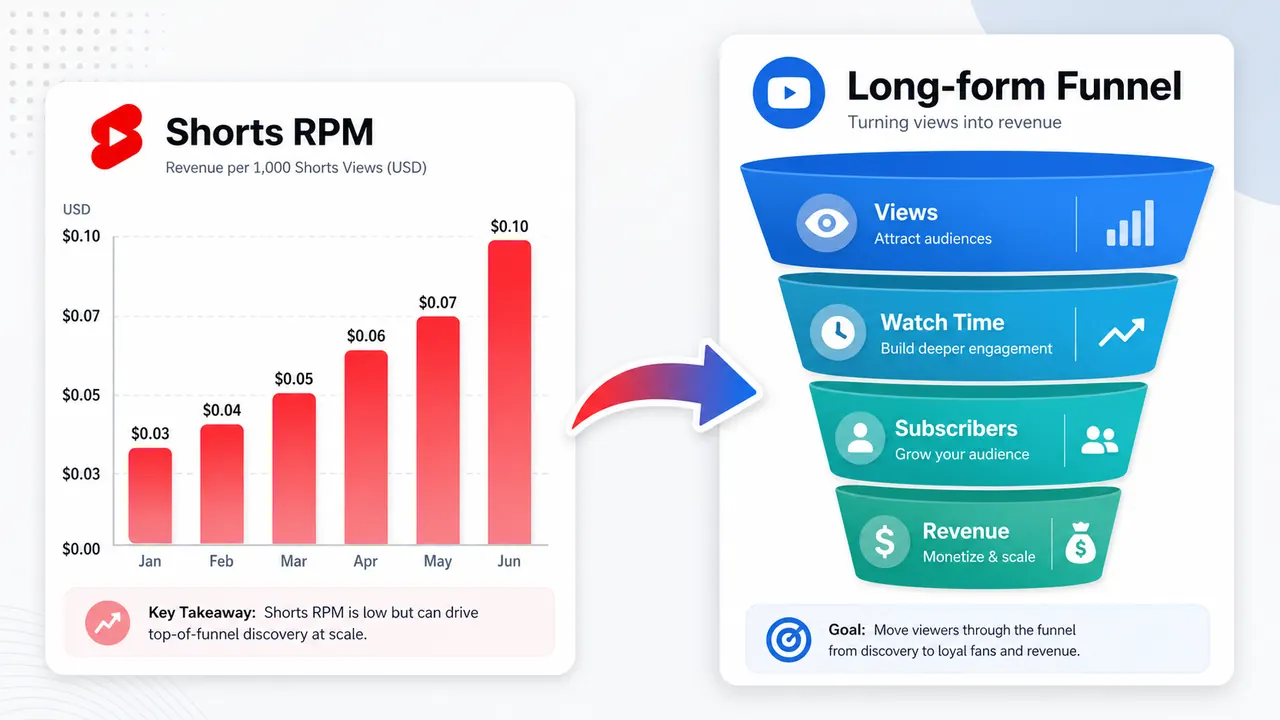
New data out this month puts YouTube Shorts RPM for AI video channels between $0.03 and $0.10. Reaching $5,000 per month from ad revenue alone requires 40 to 100 million monthly views — a threshold only roughly 3% of monetized channels hit. The channels actually making meaningful money are treating Shorts as a funnel to long-form content, memberships, and affiliate revenue, not as a primary ad revenue source in itself.