Wan 2.7 ships with 9-grid image-to-video batch input, voice audio clip conditioning, and first/last frame control baked directly into the main model — no ControlNet workarounds required. The quantized Wan2.2-T2V-A14B-GGUF is also trending on Hugging Face for efficient local inference on 24GB cards right now.
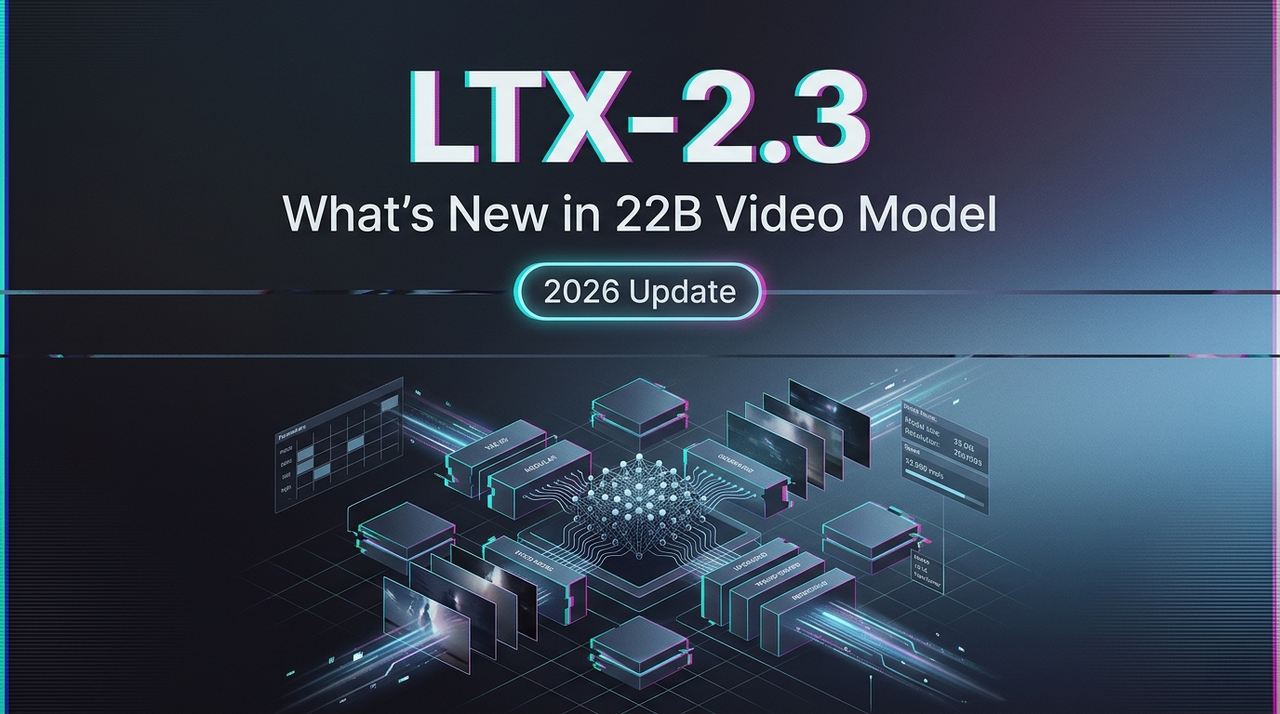
Lightricks pushed a major July 2026 update to LTX Trainer — it now supports video, audio, and cross-modal conditioning for LoRAs, IC-LoRAs, and full fine-tunes, with full creator ownership of trained weights. A ComfyUI workflow for LTX-2.3 image-to-video is live on the Comfy.org gallery today.
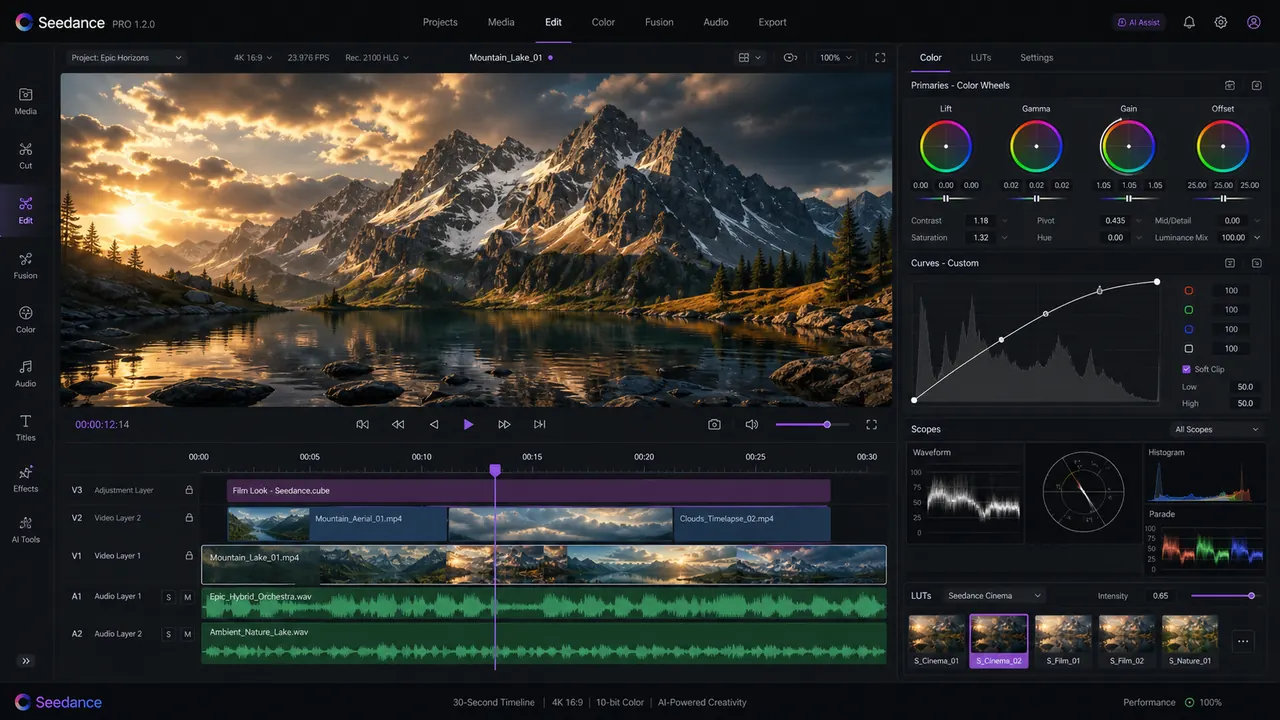
ByteDance's Seedance 2.5 is live with native 4K, 10-bit color, 30-second single-pass generation, and a built-in local editing suite — putting it in direct competition with Kling 3.0. The Seedance 2.0 API on fal remains available for programmatic pipelines with multimodal input and native audio out in one pass.
MiniMax's Hailuo 2.3 just took the top spot on WorldModelBench for physics simulation, with improved body movement, natural facial micro-expressions, and anime/ink wash/game CG style support — all generating in 30 to 90 seconds on a 456B MoE architecture. It's free on web, iOS, and Android.
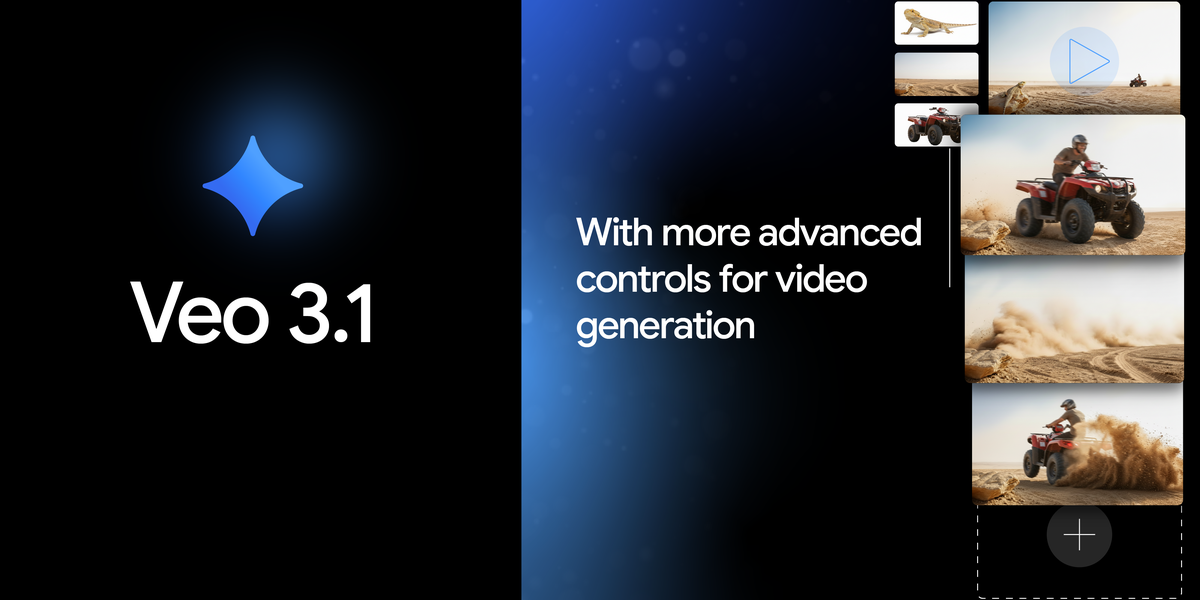
Veo 3.1 dropped with a new Ingredients to Video feature in the Gemini API, plus vertical 9:16 output and 1080p HD across Veo 3 and Veo 3 Fast. Google Flow now offers 50 free credits per day for non-subscribers — a genuine free tier, not a trial.
TikTok's 4-tier AI labeling system uses C2PA Content Credentials for automated detection — realistic depictions of real people or events get flagged with or without self-disclosure, and penalties are in force since May 13. Instagram and Meta's EU AI Act Article 50 disclosure obligations kick in August 2, 2026 — that's five days from today.
Pika 2.5 now models object physics — weight, squish, liquid flow — and auto-generates matched sound effects synced to on-screen action (metal crunch, balloon pop, water splash). At $10/month it remains the most affordable professional AI video option, and its 3–10 second output length is a feature for Shorts, Reels, and TikTok workflows.
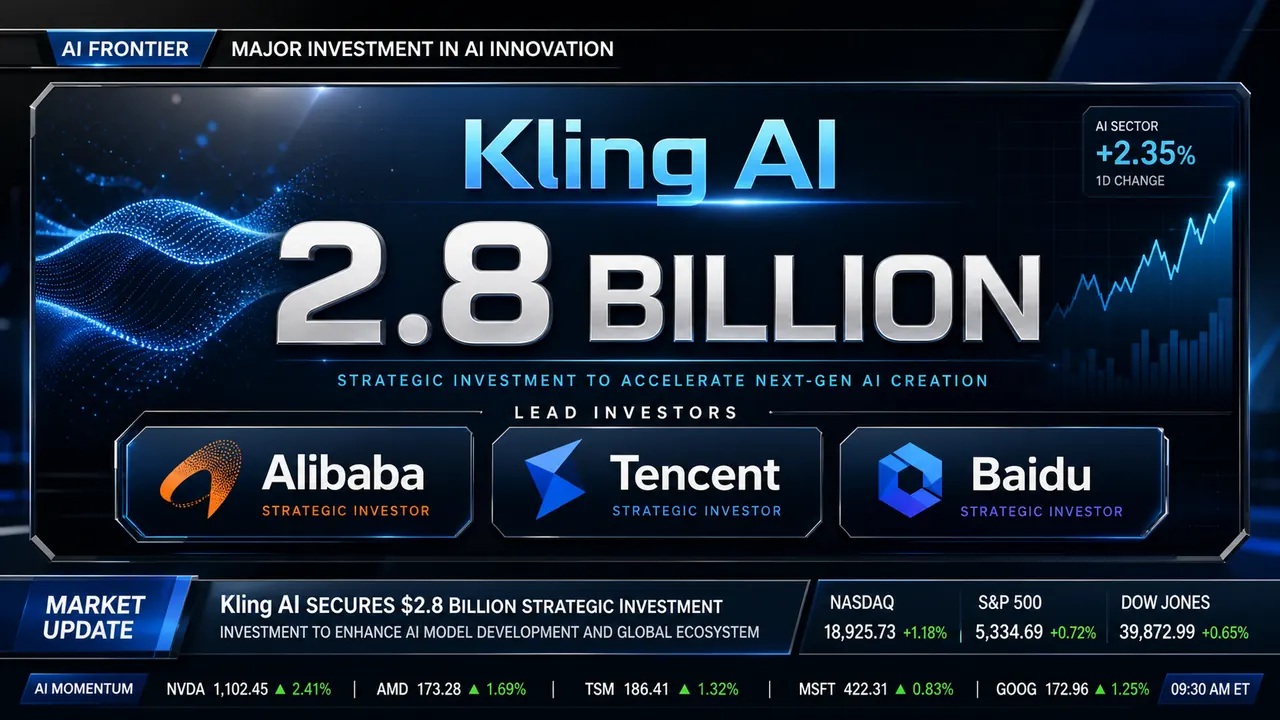
Kuaishou's Kling AI closed a $2.8 billion round at an $18 billion valuation on July 2, with Alibaba, Tencent, Baidu, and Abu Dhabi's BlueFive Capital as investors. Kling 3.0 Turbo and Omni launched June 17 with 4K editing, 30-second clips, and the Omni One engine.
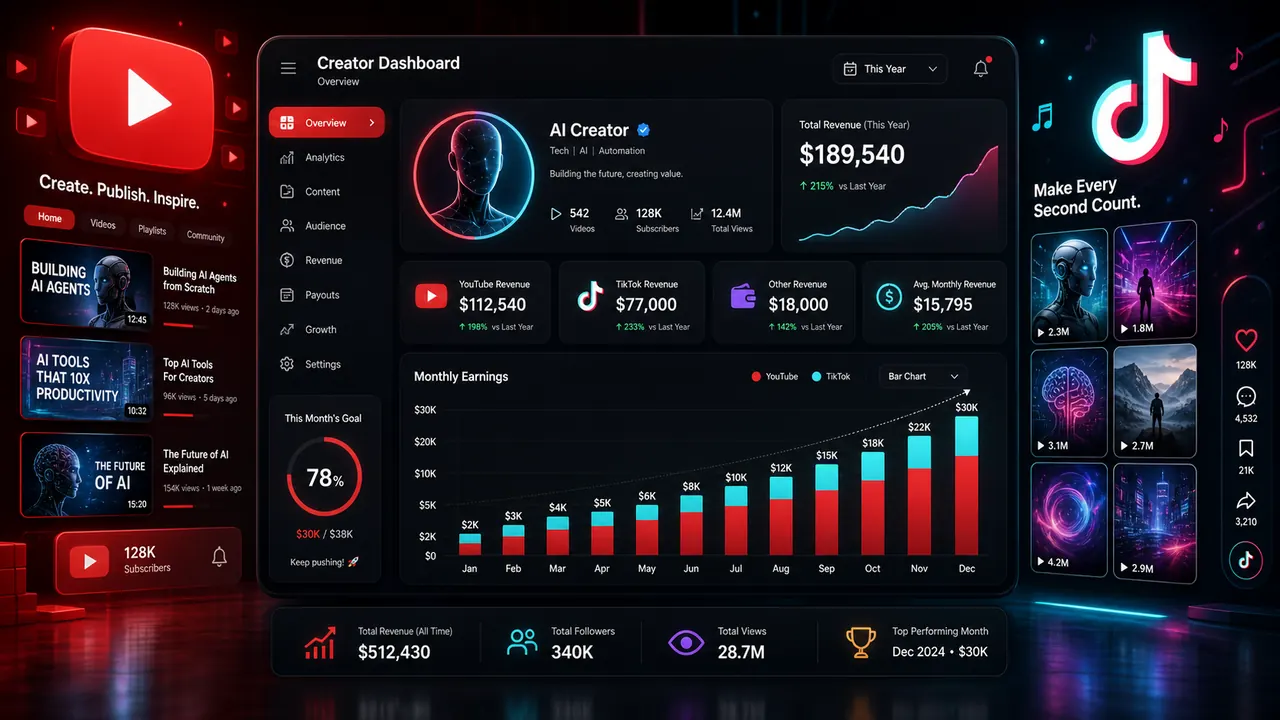
Established faceless AI video channels are pulling $2K–$20K/month, with top performers clearing $30K. YouTube AdSense CPMs run $3–$7 for general content and $9+ for finance and AI/tech niches; TikTok sits at $0.40–$1.20 RPM per thousand qualified views with $10–$35 CPM available in premium verticals. Expect 6–12 months of consistent posting before hitting monetization thresholds.