Alibaba's Wan 3.0 is now publicly available with open weights under Apache 2.0 — a 27B-parameter mixture-of-experts diffusion transformer with roughly 14B active parameters per pass. It supports 30-second clips, a 6-shot "AI Director" mode for automated sequencing, and Identity Lock for cross-session character consistency. Positioned as a direct competitor to closed-source tools costing $20–200/month, with results that creators are calling genuinely competitive.
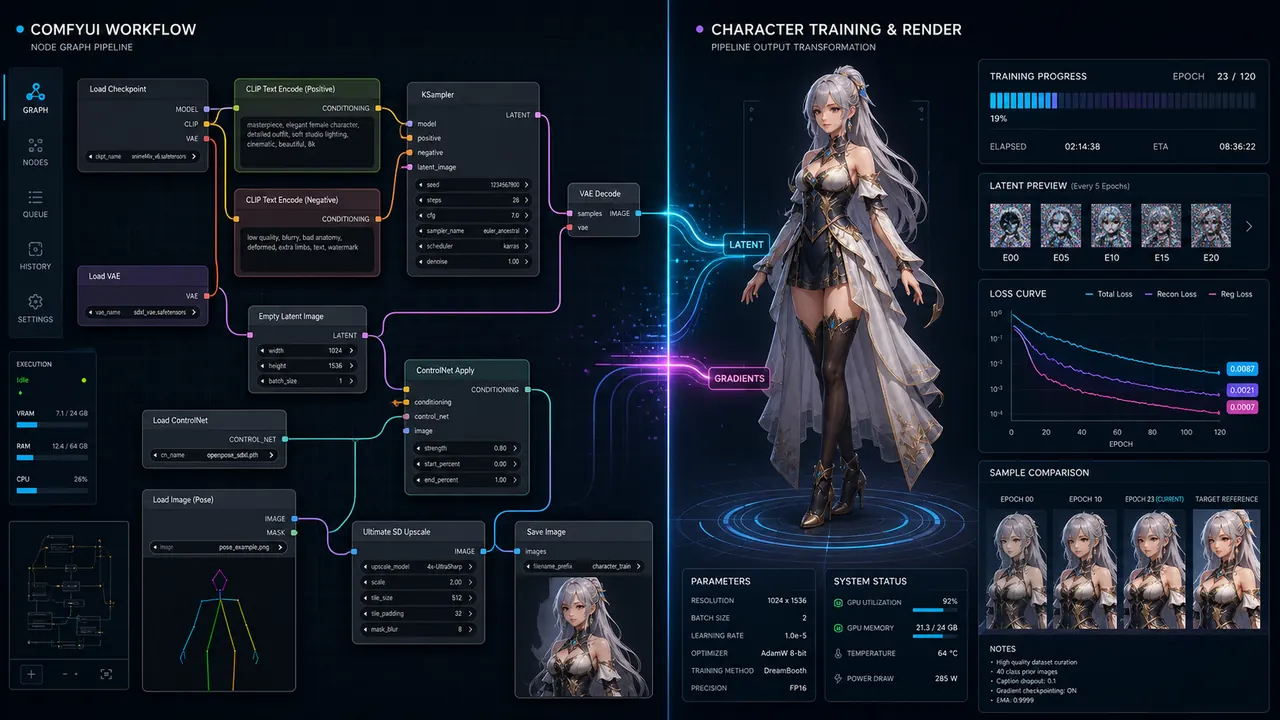
Lightricks updated the LTX Trainer on July 8 to support video, audio, and cross-modal conditioning in a single framework — covering LoRAs, IC-LoRAs, and full fine-tunes. That means ComfyUI pipeline builders can now train custom character and style LoRAs on the LTX-2.3 model without juggling separate toolchains. LTX-2.3 itself ships in Pro (audio-to-video, retake, extend) and Fast variants on a new VAE latent space for sharper detail.
TikTok's 2026 policy uses C2PA Content Credentials for automated detection of synthetic media even without creator disclosure — no self-labeling, no warning, just automatic tagging. The enforcement sting: videos flagged by the system without proper prior labeling receive zero Creator Fund earnings for 14 days, even if you label retroactively. AI-assisted text workflows like script writing and hashtag generation are exempt, but full AI video generation is not.
YouTube Partner Program pays $3–5 per 1,000 views for properly disclosed AI content, but mass-produced formats — verbatim TTS over stock slideshows — now face a documented three-strike ladder: warning, then 90-day YPP suspension, then permanent removal. Realistic AI depictions of real people require the "altered or synthetic content" label. Top-earning AI channels report 70% of output uses hybrid AI-plus-human editing to stay on the right side of the line.
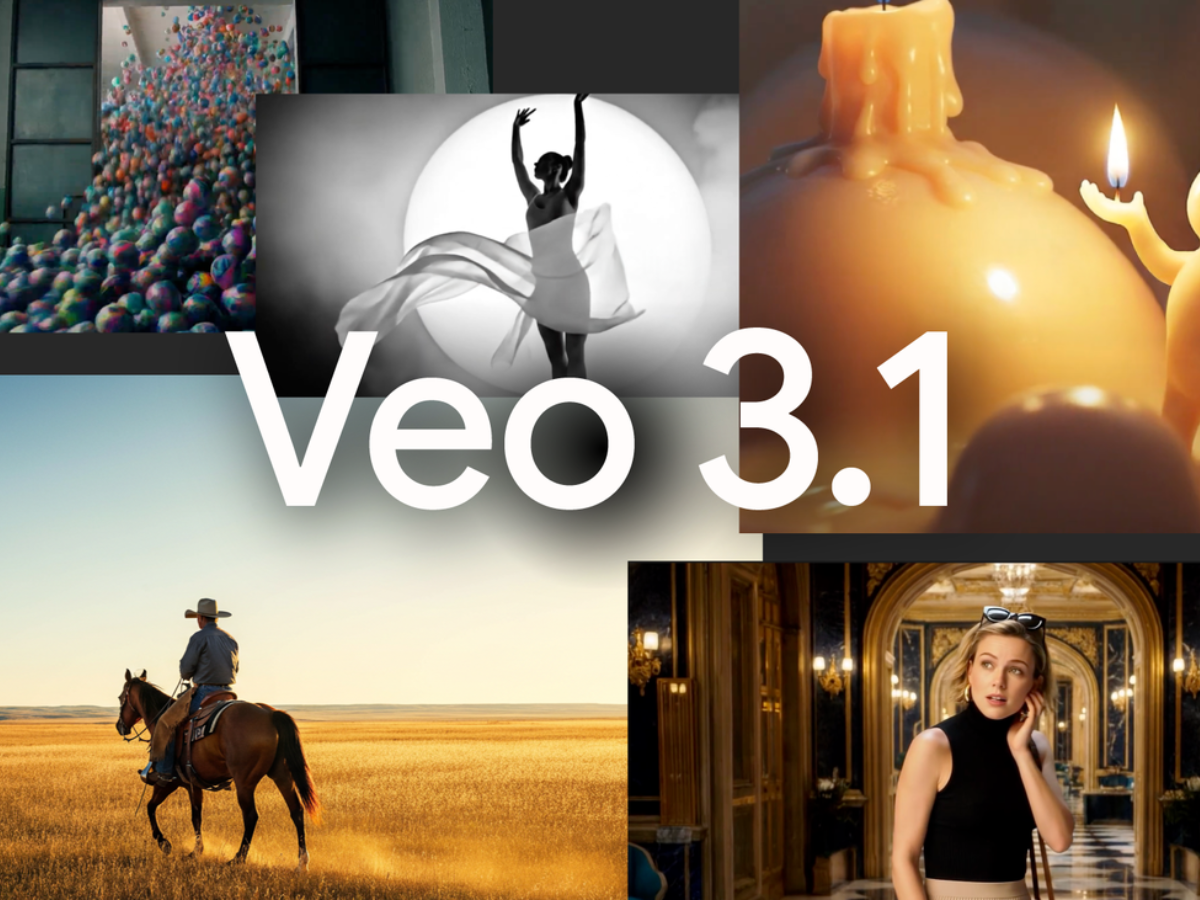
Google's legacy veo-3.0-generate-001 and veo-3.0-fast-generate-001 endpoints reached end-of-life on June 30, 2026. Anything still calling those endpoints is returning errors. Veo 3.1 is now the production flagship; Google Flow offers 50 free credits per day to non-subscribers, and personal accounts get 10 free videos per month. Google Vids also added clip extension (chained from the final frame of the previous clip) and parallel generation in mid-June.
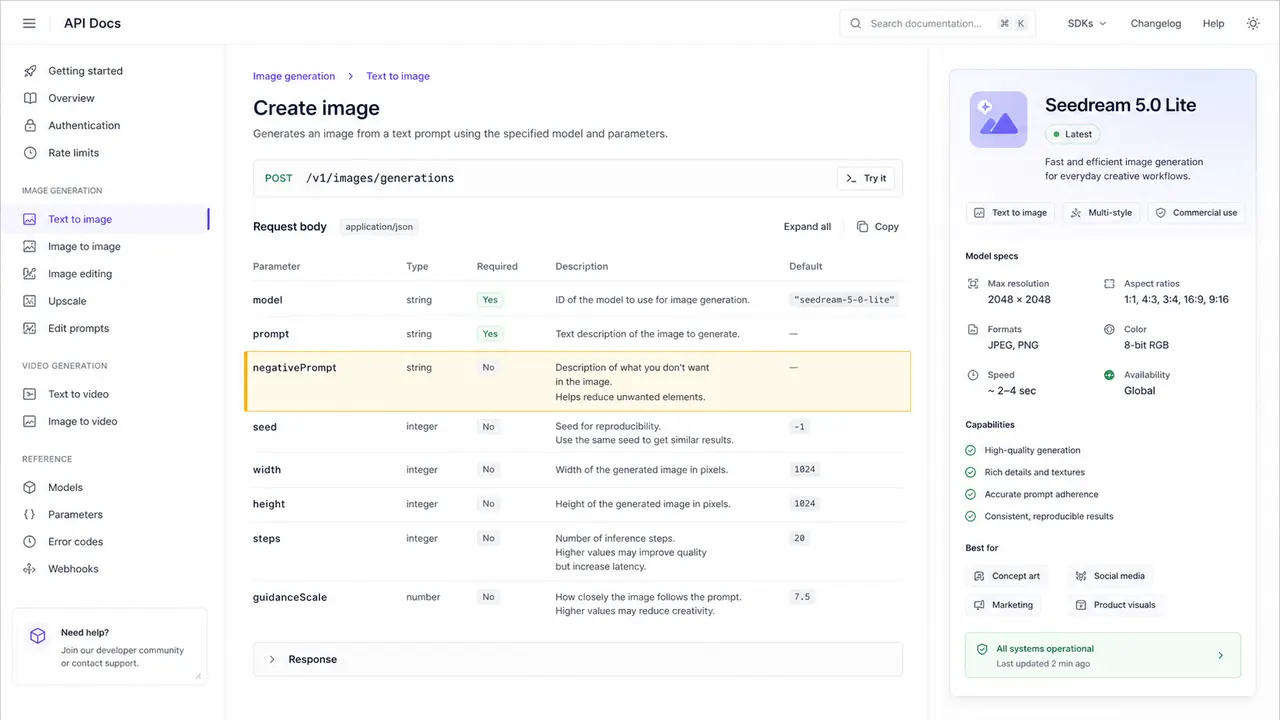
Runway's July 10 release notes confirm two quick wins for API builders: optional negativePrompt support (up to 1,000 characters) added to veo3, veo3.1, and veo3.1_fast text-to-video and image-to-video endpoints, plus Seedream 5.0 Lite now available via the Runway API. Small but immediately useful — negative prompts for Veo-based pipelines were a frequently requested gap.
ByteDance opened Seedance 2.5 public API access via BytePlus on July 16. The flagship capability is a genuine 30-second clip in a single unbroken pass — no stitching, no seams — along with native 4K, up to 50 reference inputs for character and scene consistency, local re-draw editing, and a 3D pre-viz tool for camera and lighting planning. The legal asterisk: ByteDance received cease-and-desist letters from major Hollywood studios over Seedance 2.0's copyright exposure, and that issue is still open as 2.5 ships.
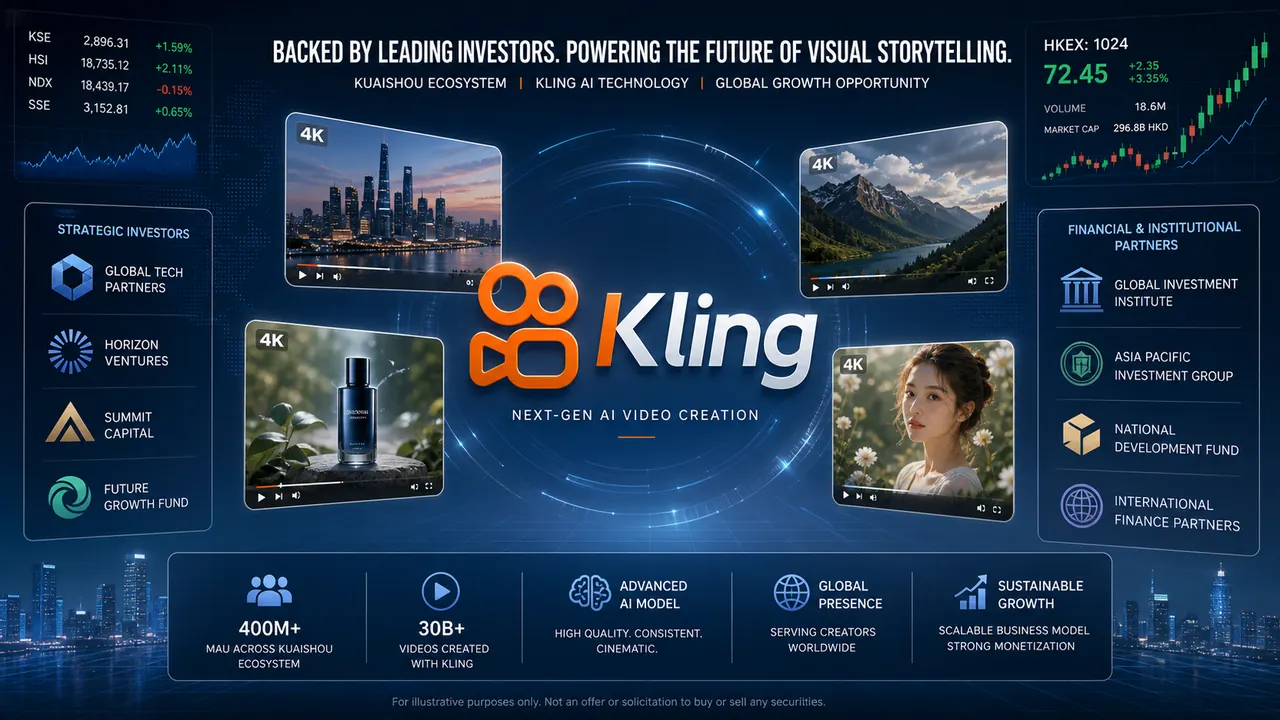
Kuaishou's Kling AI closed a $2.8 billion round on July 2 with backing from Alibaba, Tencent, Baidu, and Abu Dhabi's BlueFive Capital. The model itself is ahead of the fundraise: Kling 3.0 Turbo and Omni launched June 17 with 4K editing, longer clips, and the new Omni One generation engine. The platform now claims 100 million registered users across 224 countries and roughly 50,000 enterprise clients — context that matters when evaluating API pricing and uptime reliability.
MiniMax's Hailuo 2.3, released earlier this year on a 456B-parameter mixture-of-experts architecture, continues to rank as the physics simulation standout for 2026 — natural body movement, facial micro-expressions, and strong stylized output across anime, ink-wash, and game-CG aesthetics. MiniMax IPO'd in Hong Kong in January at a $4B valuation. At 1080p and 10 seconds per clip it's not the longest-form option, but for physical realism and stylized looks, reviewers are consistently putting it at the top of the stack.
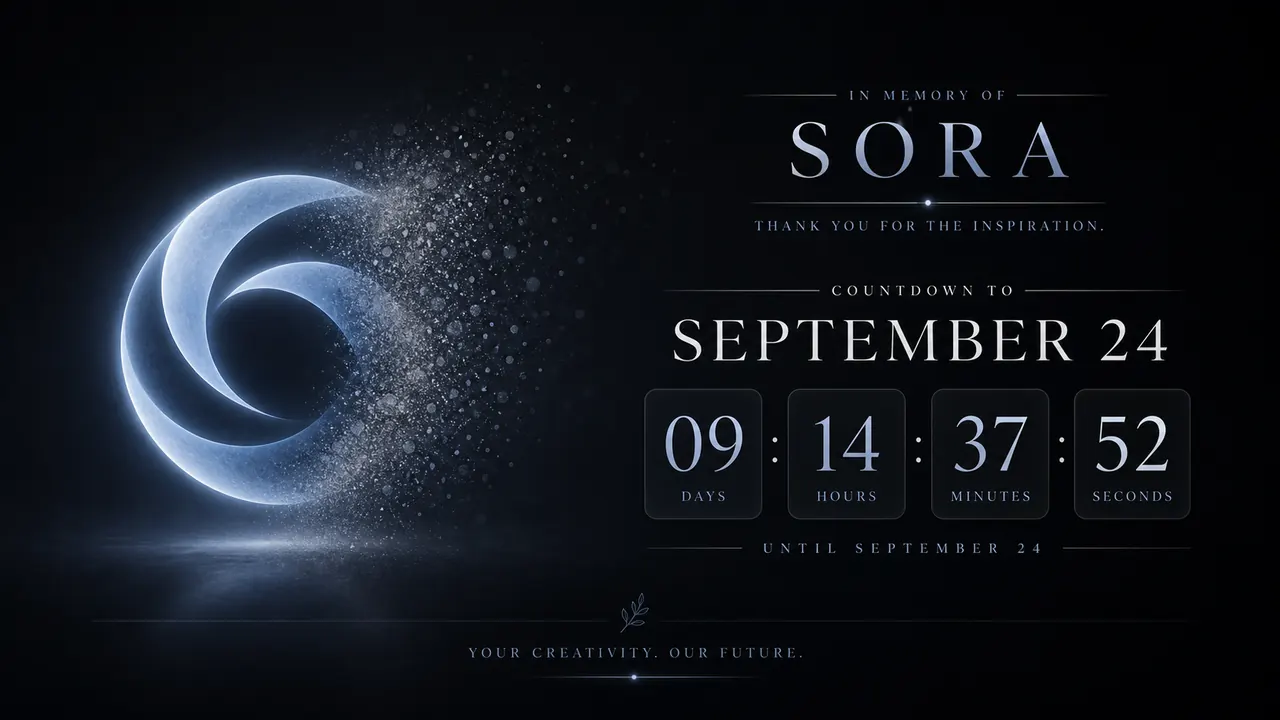
OpenAI shut Sora down on April 26, 2026, citing high operational costs, limited sustained user engagement, and unresolved legal exposure. The API has a final sunset date of September 24, 2026 — anything still integrated with it has a hard deadline. OpenAI's video efforts are continuing under separate product lines, but Sora as a named product is done.