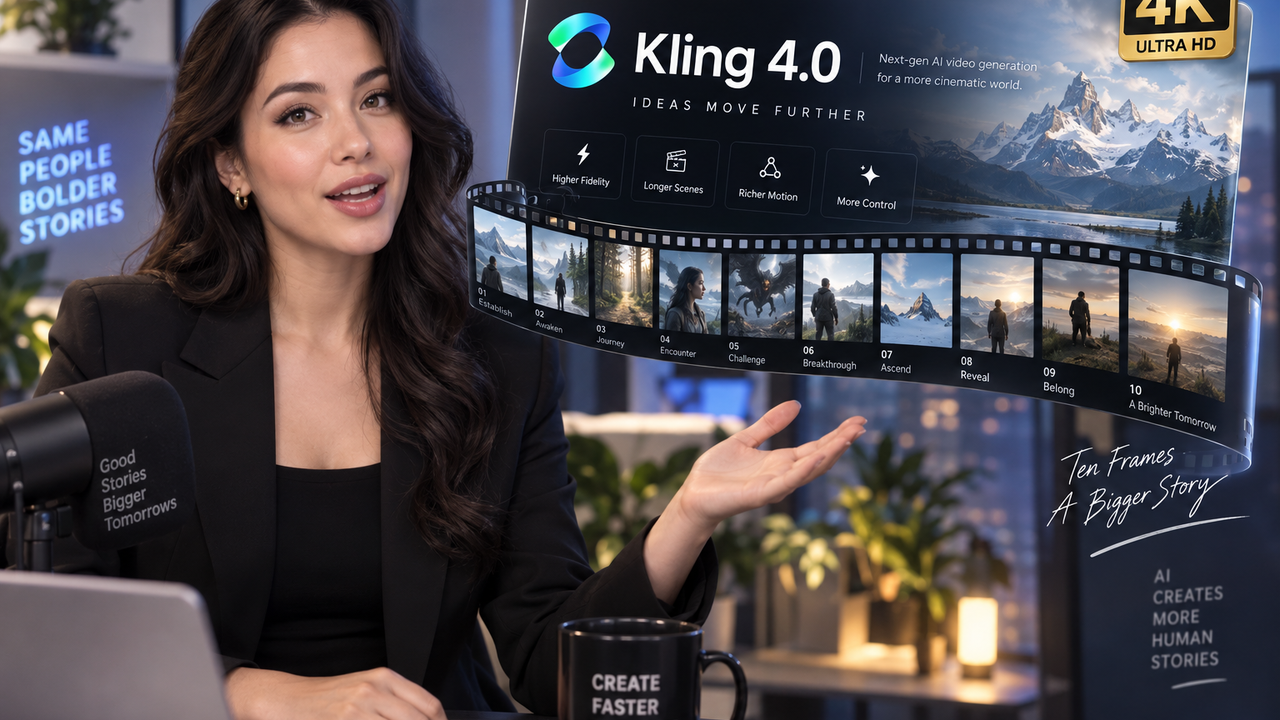
Kuaishou has Kling 4.0 slated for a full October drop, with 4.0 Flash already in limited hands since September 28. Full model does 3–30 seconds per pass at 720p/1080p/4K with stereo audio, lip sync across nine languages, up to 10 keyframe steers and Omni Reference pulling 15 refs into a single request. Flash caps at 20 seconds and 720p — plans start around $8.80/mo, but 4.0 credit rates aren't published yet, so budget blind for now.
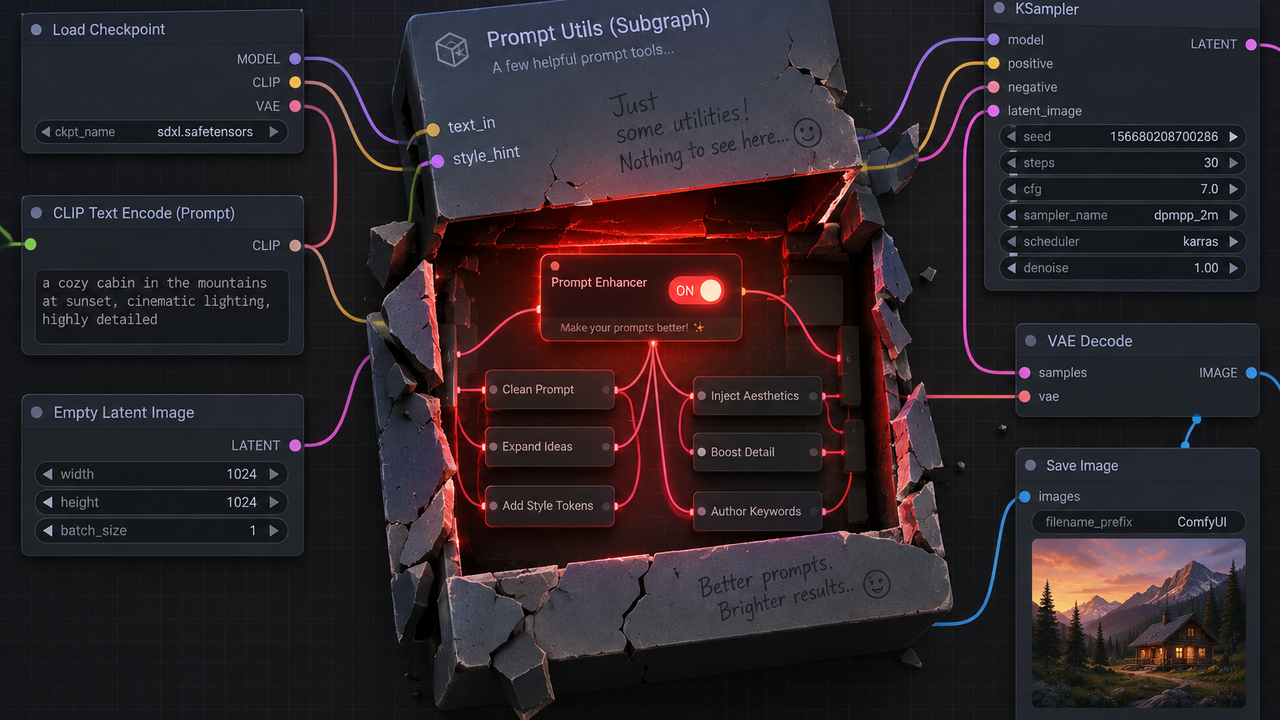
Lightricks' 22B open-weights LTX-2.5 generates a 10-second 720p image-to-video clip in 6.8 seconds on NVIDIA superchips, with day-0 ComfyUI support since August 12 and 12GB VRAM at FP8. But a benchmarker found the official ComfyUI templates ship an LLM prompt rewriter enabled by default, buried inside a subgraph — it silently poisoned two full rounds of testing. Open the subgraph and kill it before you trust any A/B you've run.
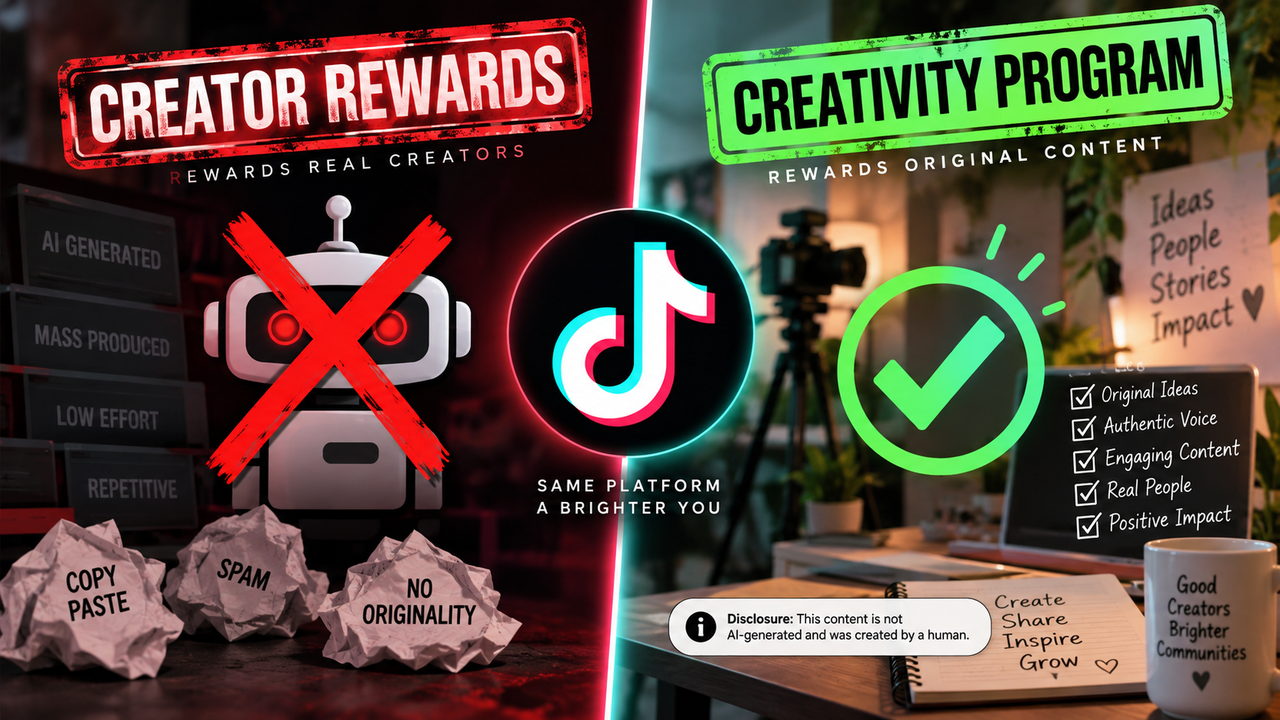
The policy split matters: Creator Rewards explicitly carves out AI-generated video, while the Creativity Program accepts it as long as you use the built-in disclosure label. TikTok auto-detects C2PA Content Credentials and slaps the label on regardless of self-disclosure, and failure to disclose gets the video pulled or the account suspended. Exempt from labeling: AI captions, descriptions, hashtags, text overlays, and ChatGPT-written hooks — only realistic people and scenes trigger it.
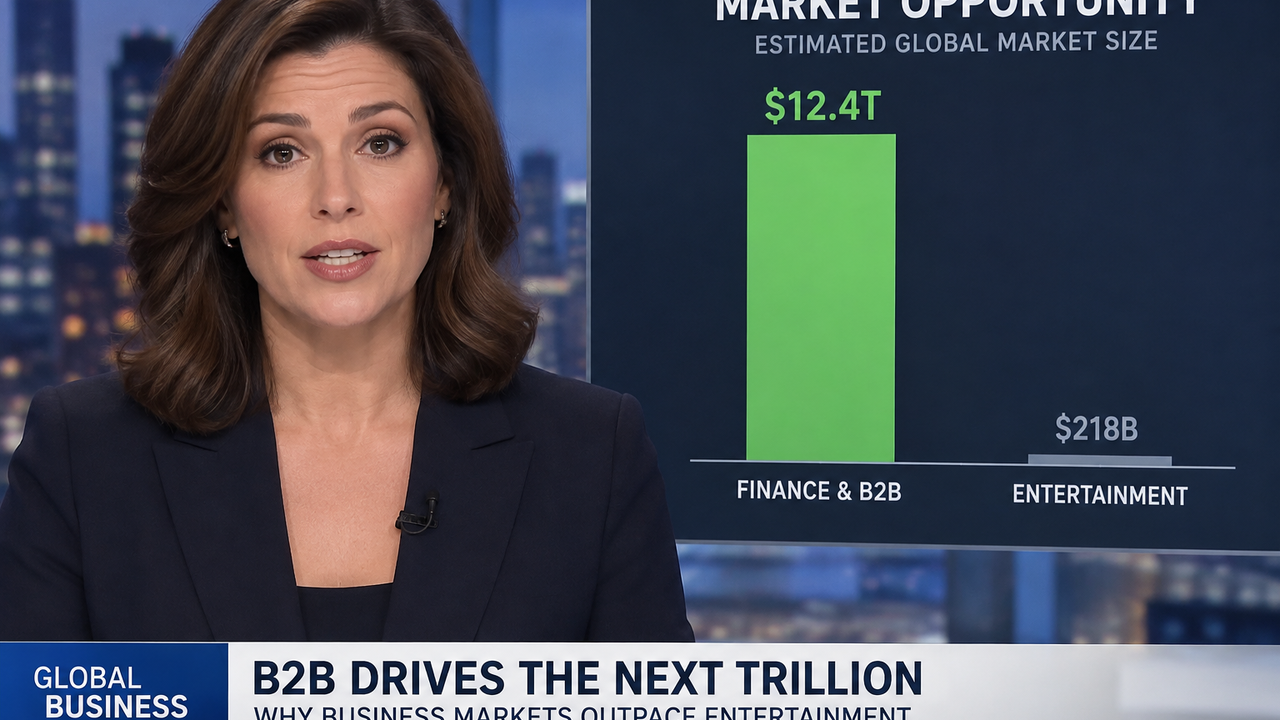
Reported Shorts RPM sits at $0.01–$0.07 per 1K as of the September check, but the niche spread is brutal: finance and B2B educational pull $0.15–$0.45 while entertainment averages $0.01–$0.05. Creators keep 45% of allocated Shorts revenue, and Q4 ad spend typically lifts RPMs through December. Threshold reminder: 1,000 subs plus 10 million qualified Shorts views in 90 days, or 4,000 long-form watch hours.
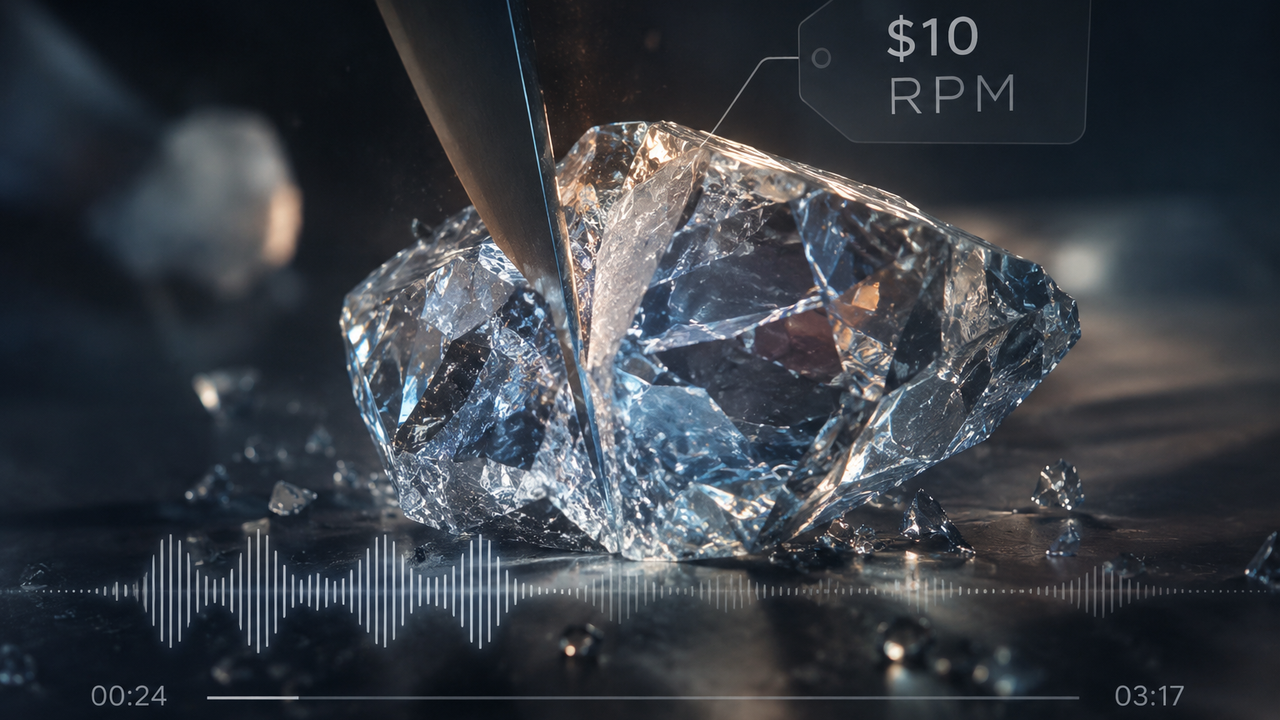
ASMR and soundscapes command $10–$11 RPM with long watch times and multi-year revenue tails. Channels in this lane are hitting 100K+ views a day, and one operator is clearing $7,500/month just selling prompt packs to the people chasing it. Creator surveys still flag it low-saturation, but glass cutting has matured — survival ASMR and dream-bed formats are where the open lanes are.
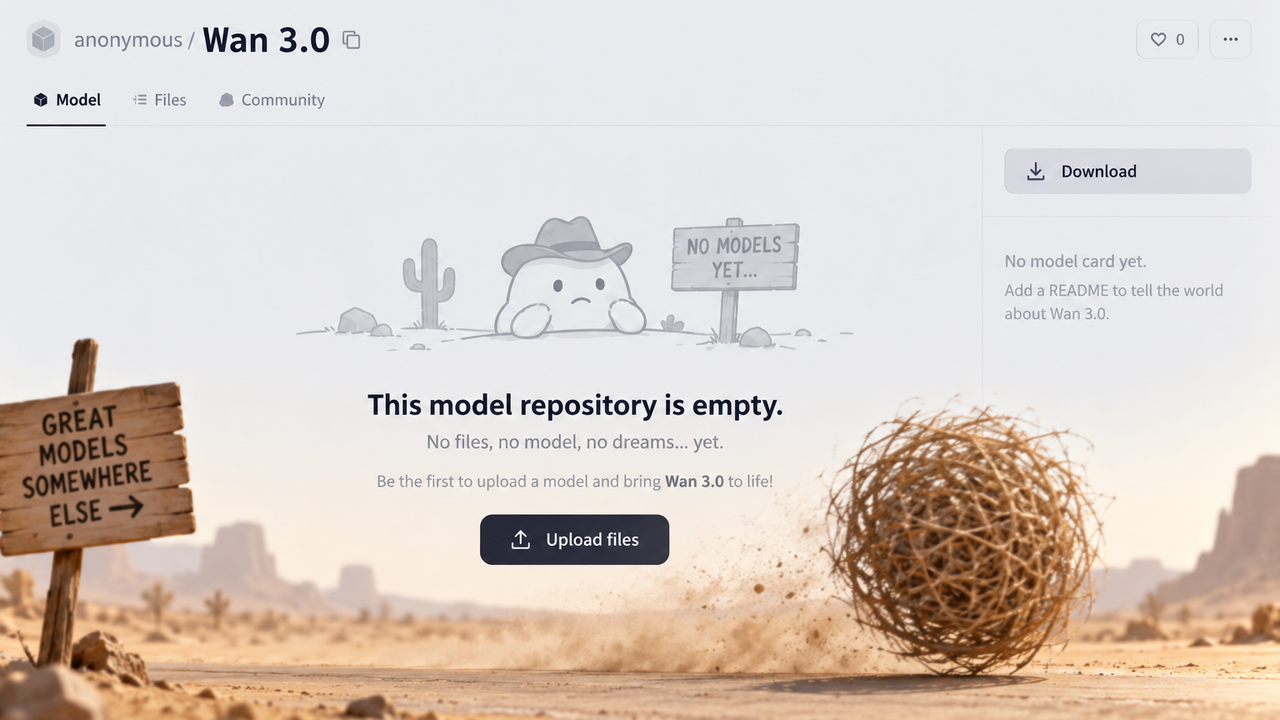
Alibaba launched Wan 3.0 in public beta August 6 and officially August 24, doing 30 seconds single-pass at 1080p plus document-to-video from PPTX, PDF and spreadsheets. But no weights exist on Hugging Face, GitHub or ModelScope — the "Apache 2.0 1.3B + 14B" story circulating in the community appears in zero Alibaba announcements. Wan 2.2 remains the last genuinely open Wan flagship, so plan your local stack around 2.2 and LTX-2.5, not a 3.0 drop.
Meta paused Reels bonuses for all Facebook creators and US Instagram creators as of June 15, with an invite-only replacement now rolling out. The new program pays on engagement milestones across Reels, carousels and single-image posts rather than pure Reels view targets — and cohorts get picked, you don't apply. Instagram is also testing a dedicated AI Creator profile label while ranking Reels on watch time, shares and views regardless of how they were made.
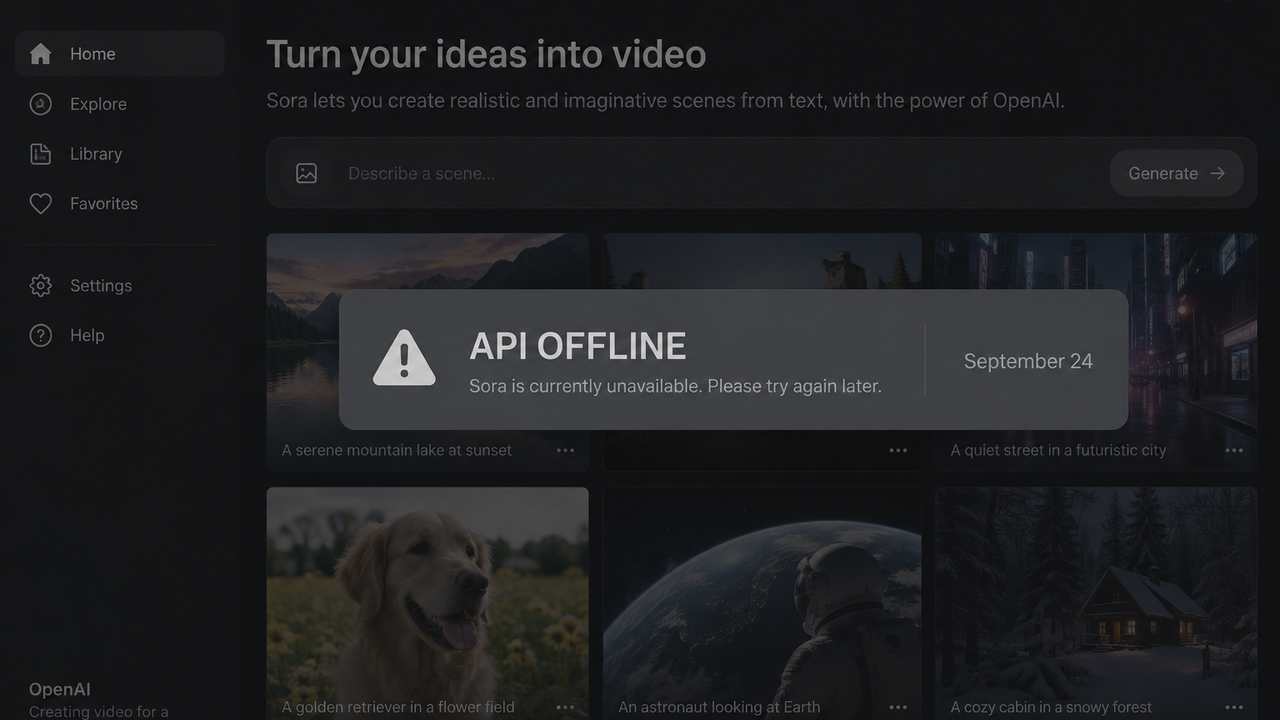
OpenAI shut the Sora app on April 26 and killed the API on September 24, formally exiting the consumer video race. That leaves Veo 3.1, Kling 3.0/4.0, Seedance 2.5, Luma Ray3.2 and MiniMax H3 carving up the hosted tier, with Kuaishou reporting 60 million creators and 600 million videos generated on Kling since mid-2024. If you had Sora in a pipeline, that failover was due three weeks ago.
ByteDance's Seedance 2.0 went viral in February for photorealistic 15-second clips of recognizable actors and characters, and SAG-AFTRA plus the Human Artistry Campaign came down hard. ByteDance has since said it's strengthening safeguards. The operator read: likeness-adjacent output is where takedown enforcement tightens first, so keep your recognizable-IP exposure at zero on monetized channels.