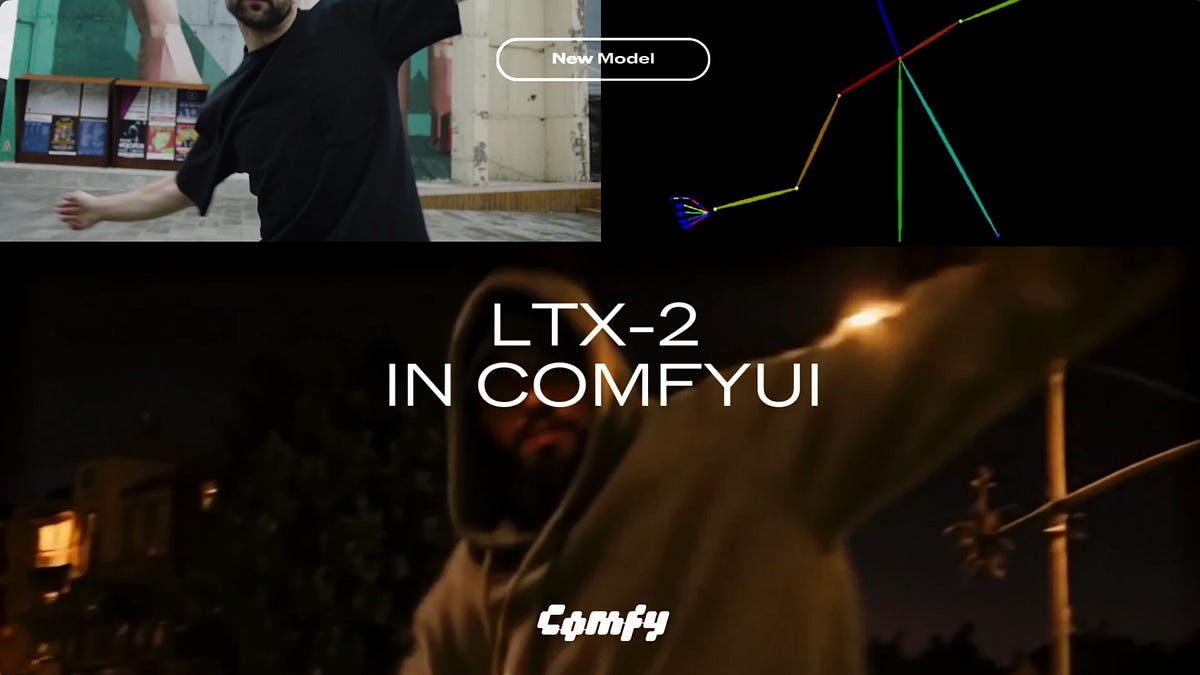
Lightricks' LTX-2 is the first open-weights model generating native 4K video with synchronized dialogue, ambient noise, and music in a single pass — no separate audio pipeline, no post-sync step. It runs on 12GB VRAM at FP8 and 24GB at bf16, and NVIDIA-optimized ComfyUI builds report up to 3x faster inference with 60 percent less VRAM using NVFP4 quantization. Install via ComfyUI Manager, search LTXVideo, weights auto-download on first use.
The Wan 2.2 I2V and FLF2V ComfyUI workflow JSONs got an update on October 1, 2026, and the A14B variant remains the most-used Wan build this year. The dominant prosumer stack is unchanged: nail a perfect still in an image model, then animate through Wan I2V — A14B wants 48GB at fp8, so GGUF quants are where most single-GPU operators actually live.
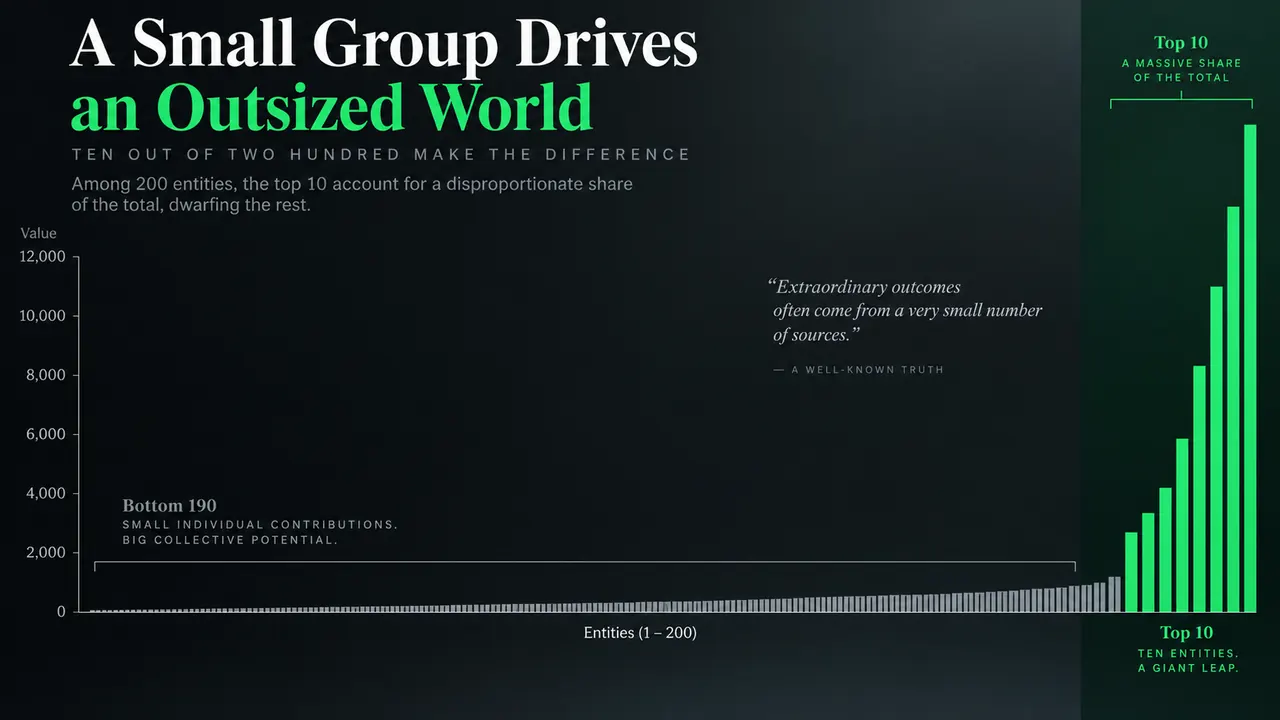
A documented two-year creator breakdown logged $253,584 across roughly 200 videos, with 70 percent of total revenue traced to just ten of them. Parallel case studies land in the same shape — one court-case format video cost $250 to produce and returned north of $20,000 off 5 million views. The read for operators: volume is lottery-ticket purchasing, and the real skill is recognizing a winner fast enough to clone it before the format cools.
2026 Shorts RPM data clusters between $0.01 and $0.12 per thousand views, but the niche split is brutal: make-money-online and finance formats pull $10 to $25 per thousand on long-form equivalents while entertainment sits at $2 to $7. One operator reported $0.15 to $0.30 Shorts RPM at tens of millions of monthly views by stacking high-CPM verticals. Same production cost, same pipeline, 20x revenue delta based purely on vertical selection.
TikTok now reads C2PA Content Credentials to flag synthetic media automatically, whether or not the creator discloses. Visible labels are required on any AI-generated visual or audio depicting realistic people or scenes, and AI-generated endorsements are banned outright. Creator Rewards eligibility turns on originality rather than tool use — so heavy transformation, original scripting, and genuine editorial framing are the actual monetization gate.
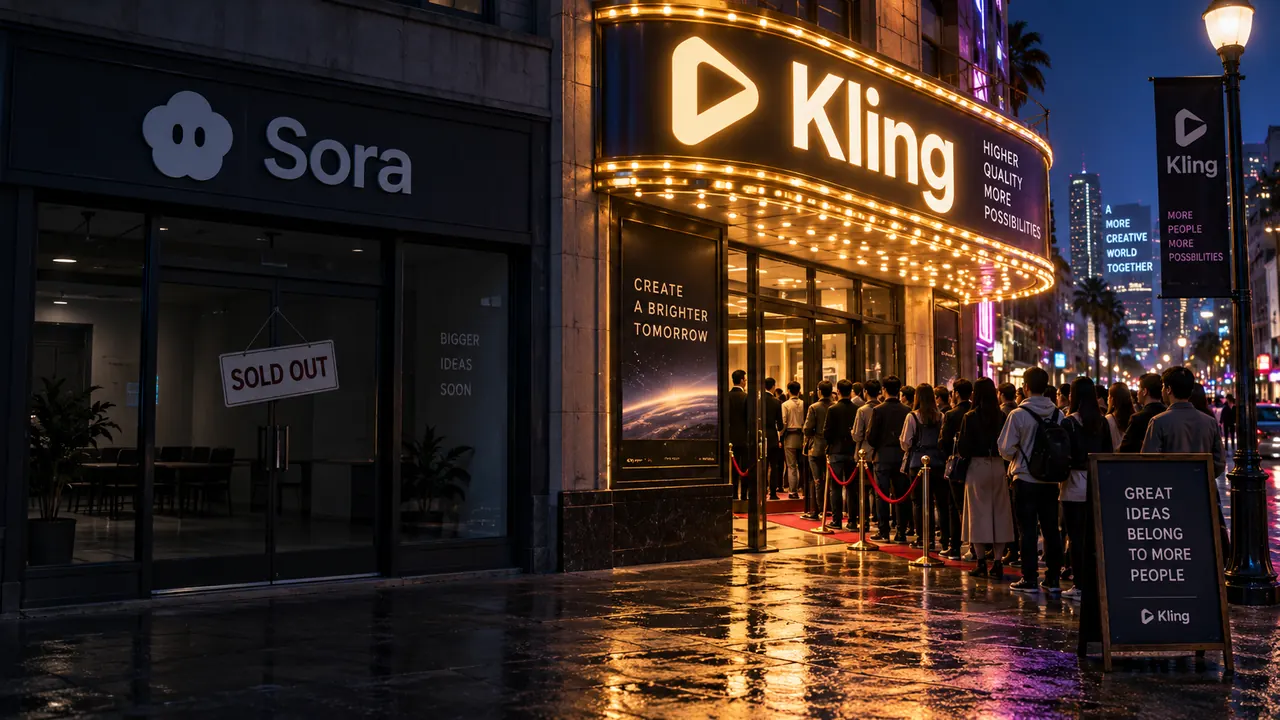
OpenAI shut the Sora web and app experiences on April 26, 2026, and killed the API on September 24, 2026 — it's off the board for new workflows. Kling is now the biggest AI video company by revenue at approximately $500M annualized as of May 2026, having hit number five overall on the App Store free chart and number one in Graphics and Design within three months. Kling 3.0 added multi-shot storyboarding with native audio sync across cuts, which is the feature actually relevant to serial short-form.
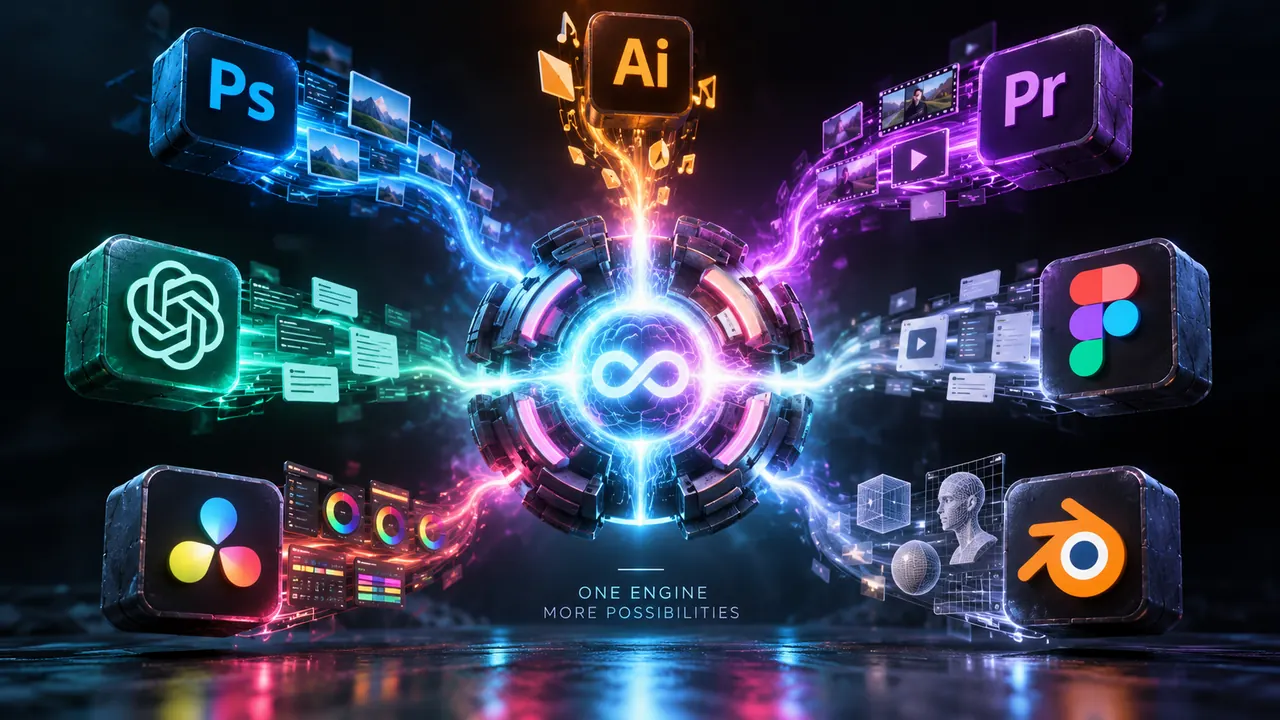
Kuaishou shipped Kling O1 as a unified multimodal model that treats images, video clips, subjects, and text as executable prompts through a Multimodal Visual Language layer. It folds reference-based generation, text-to-video, first-last-frame, video inpainting, style re-render, and shot extension into a single engine at 3 to 10 second lengths. For operators, that's a meaningful node-count reduction — fewer tools to chain, fewer handoff artifacts.
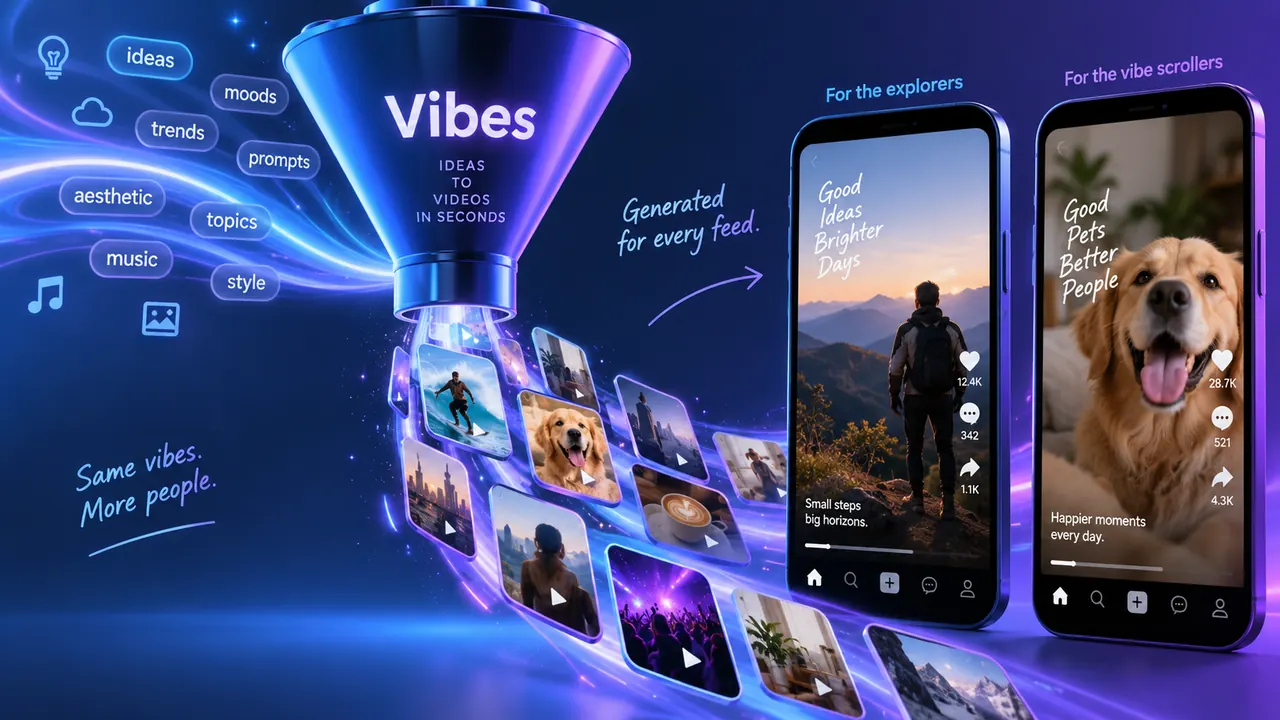
Vibes lets creators generate and remix AI clips inside the Meta AI app, then cross-post straight to Instagram Reels and Facebook Stories from the creation interface. Meta partnered with Midjourney and Black Forest Labs for the early build. The pattern worth betting on is the familiar one — Instagram has historically rewarded content made in its own tools, so native Vibes origin is likely a free distribution multiplier while the window is open.
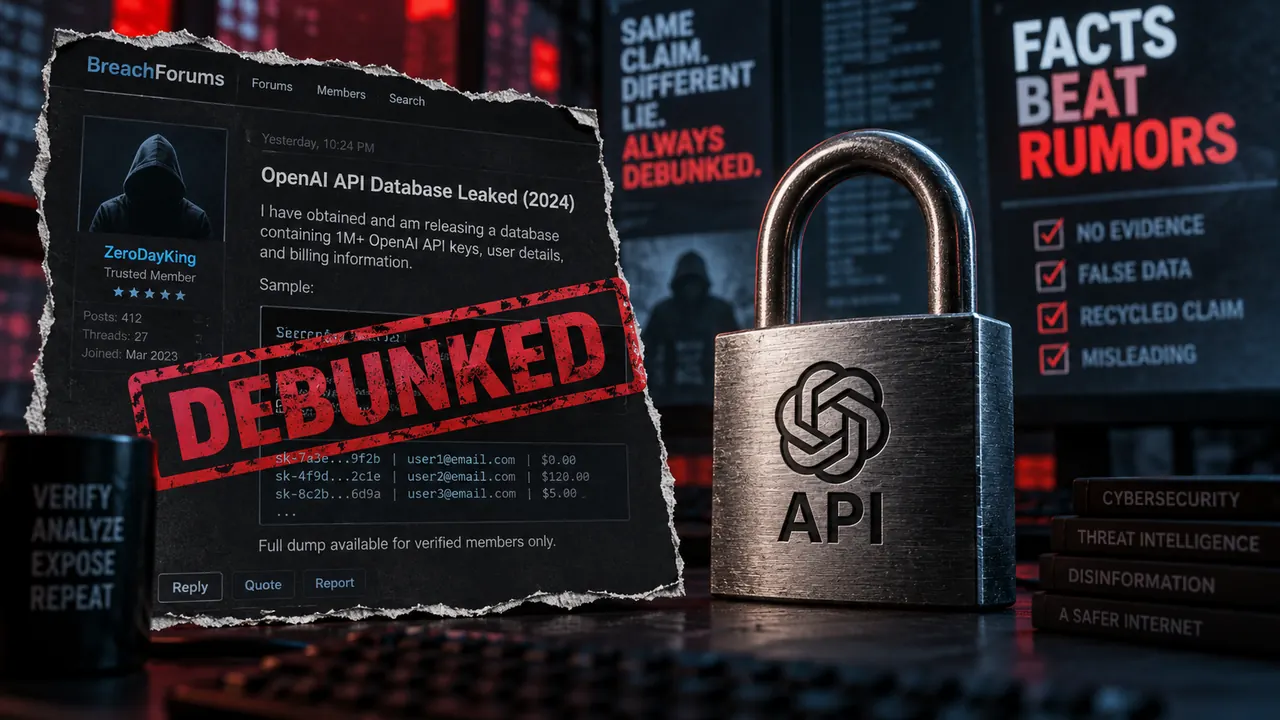
Seedance 2.0 went viral in China for near-photoreal clips featuring recognizable actors and characters, pushing 20-second generations with solid physics and prompt adherence. It remains closed — API-only, no published weights for any version. The Russian-forum leak claim circulating on X, allegedly a 96GB checkpoint with a quant in progress, does not hold up. Notable that ByteDance open-sources plenty of video models and specifically did not open this one.
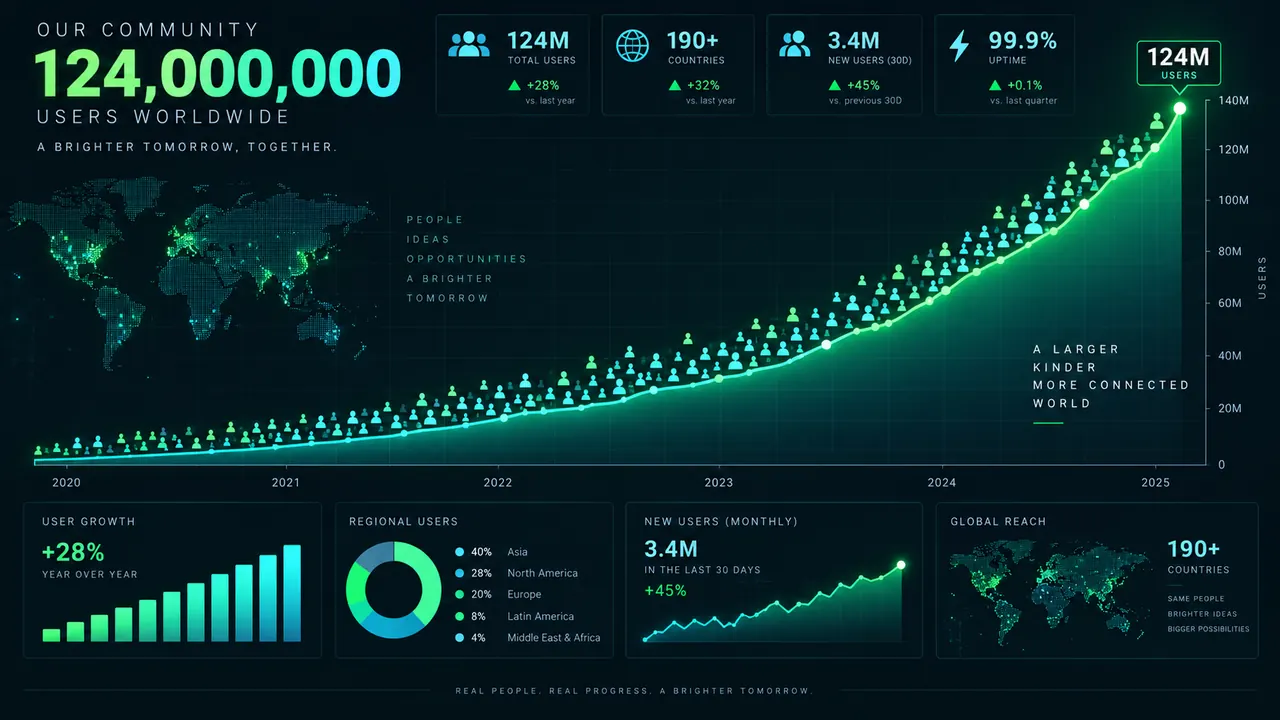
Pure AI video generation sits at $847M to $946M in 2026, or $3.67B counting editing software, against 124 million-plus monthly active users. Sponsorship rates for short-form run $200 to $2,000 per video depending on niche and engagement — which for most operators is the faster path to real money than ad revenue share at sub-$0.10 RPM.