YouTube executed its largest AI slop enforcement action on record, nuking 16 channels with a combined 4.7 billion views, 35 million subscribers, and an estimated $10 million in annual revenue. The targeting criteria: mass-produced templated content with no identifiable human creative input. Surviving operators report that niche specificity and visible editorial framing are what separated them from the axed accounts.
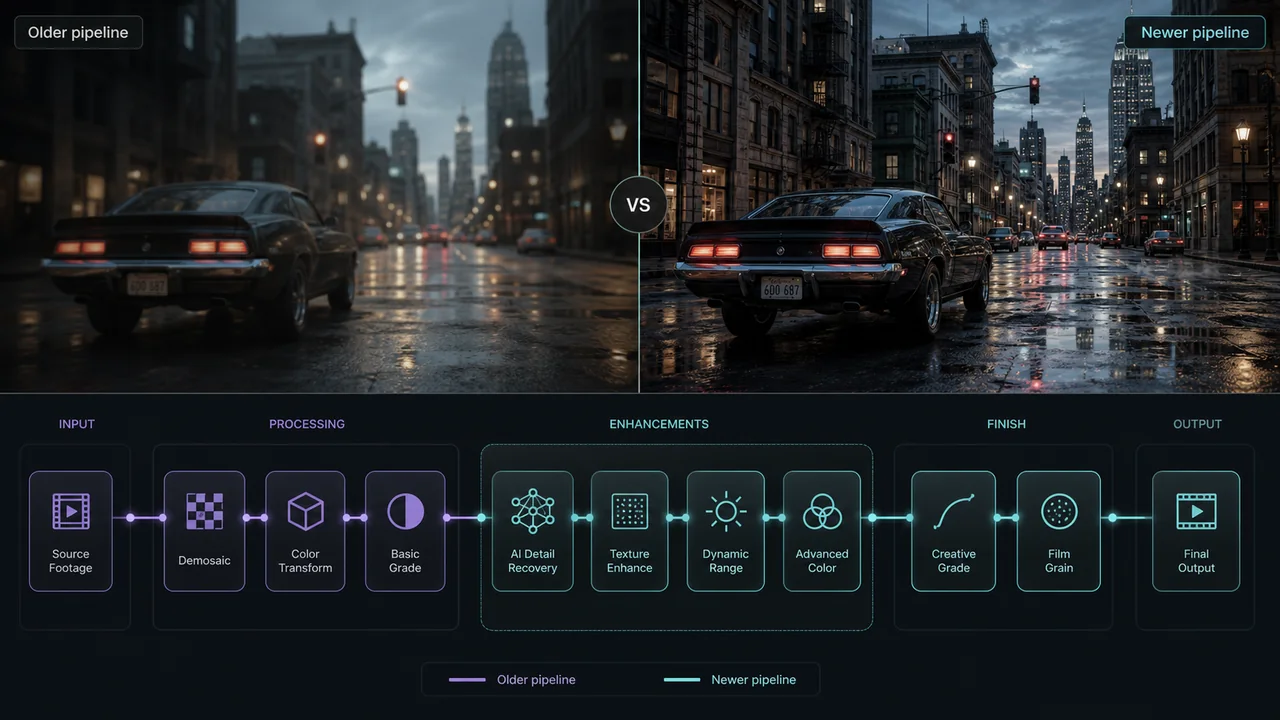
A fully documented Wan 2.6 image-to-video ComfyUI workflow has appeared, leapfrogging the 2.2 builds most operators are still running. If you are still on 2.2, you are at least one generation behind on motion quality. The CrePal guide covers the I2V setup end-to-end; no major hardware bump required from the 2.2 spec (24GB VRAM for the 14B MoE still applies).
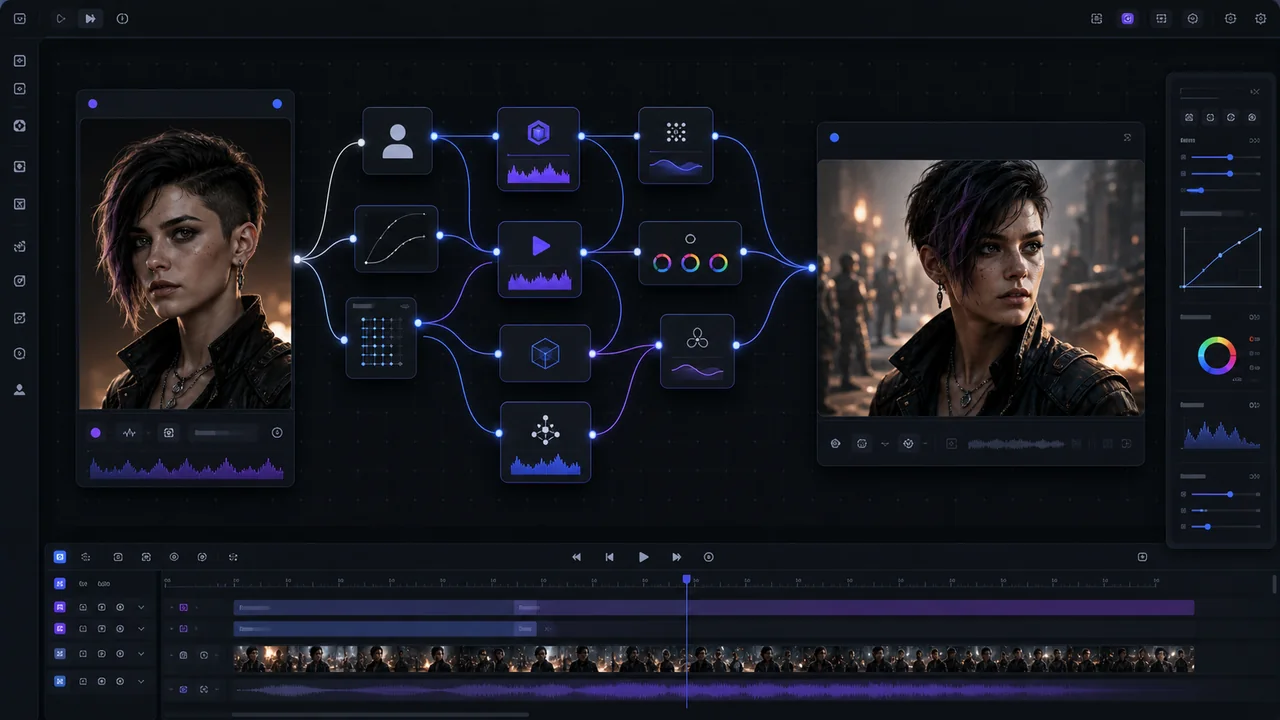
Civitai's VideoFlow hit v3.0 in May and just got wider community traction this week. It bundles LTX 2.3 text-to-video, image-to-video, audio-to-video, and Wan 2.2 I2V into a single ComfyUI workflow with Stable Character Voice baked in. Speed is roughly 2x over v1.0, and character consistency across scenes is the headline improvement — directly useful for episodic or narrative content formats.
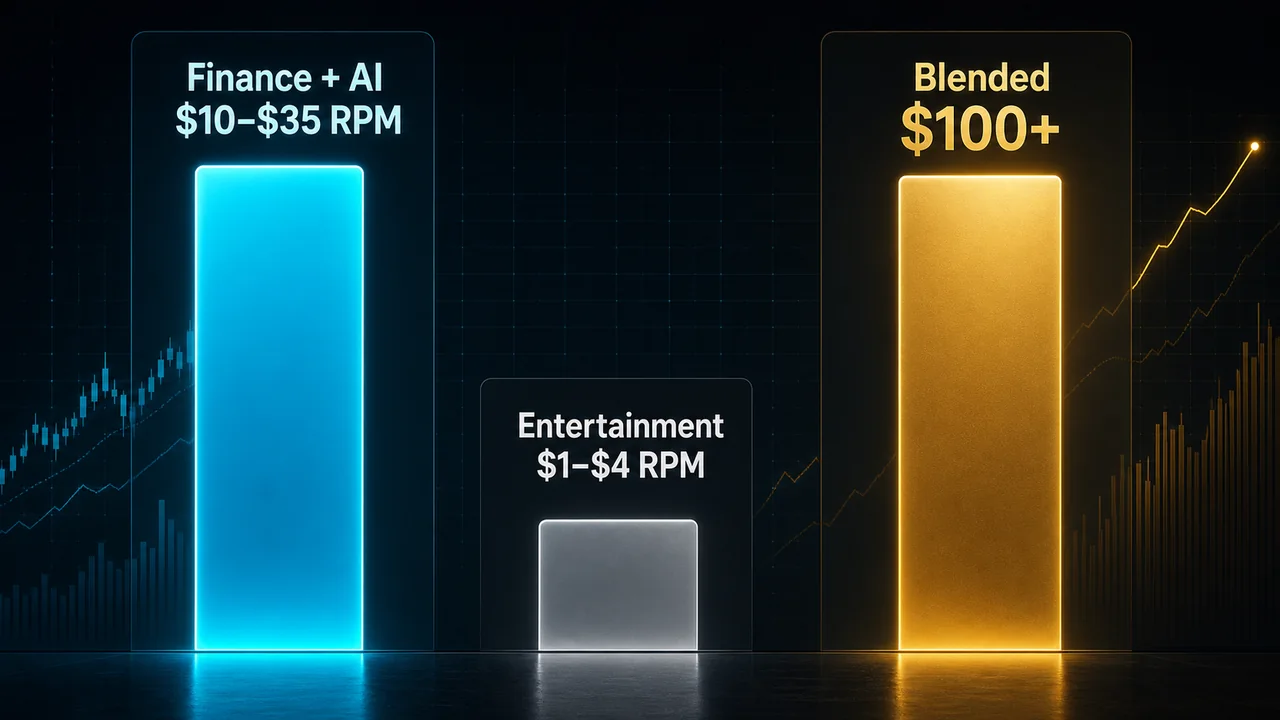
Platform RPM data confirms a dramatic niche spread: finance, AI, and tech content on YouTube is pulling $10–$35 RPM per thousand views, while general entertainment sits at $1–$4. A blended multi-stream approach (ads plus affiliate) pushes top operators to $100–$300 effective RPM when all revenue sources are counted. The income distribution is steep: 48.7% of AI content creators earn under $10K per year, while 5.7% clear $100K-plus.
TikTok quietly reshuffled its ranking signals: watch time and session retention now outrank raw view count, and the algorithm is actively surfacing 3-to-5-minute high-quality content over snappy sub-60-second clips. Unlabeled AI content is being penalized at the distribution level. The platform also launched AI Inspo in May — an in-app tool that generates viral-format hooks and structures natively inside the creator studio.
TikTok's Symphony generative AI suite is fully live inside Ads Manager — brands can input brand assets and get scripts, hooks, and finished video ads out the other side. This is a direct encroachment on the ad-production side gig many creator-operators have been running. Worth watching whether organic creator content can still outperform machine-generated brand spots on the same feed.
The 368K-member r/aivideo community has swung hard away from "look it moves" energy. Dominant discourse is now temporal coherence, native audio sync, and workflow interoperability between models. Reddit consensus currently names Kling v3 best price-to-performance for production use. The takeaway: if your content still reads like a showcase rather than a story, the audience most likely to follow your work has already moved on.
For operators still doing cost math: 100 480p videos on a rented A6000 runs $2–$3. Moving to an A100 at $1.09 per hour cuts generation time two-to-three times, making it cost-competitive for higher-volume production. ComfyUI v0.3.46 or higher is required for the day-zero official templates. FP8 quantized builds are now documented for lower-VRAM local rigs.
YouTube Shorts ad RPM is running $0.03–$0.15 per thousand views (creator 45% share), making 1 million views worth $10–$70 in platform revenue. The operators building real income are using Shorts as a subscriber acquisition pipeline into long-form and affiliate content. The Partner Program threshold for Shorts monetization is 1,000 subs plus 10 million Shorts views in 90 days — achievable, but the payout alone does not sustain a business.


.png)