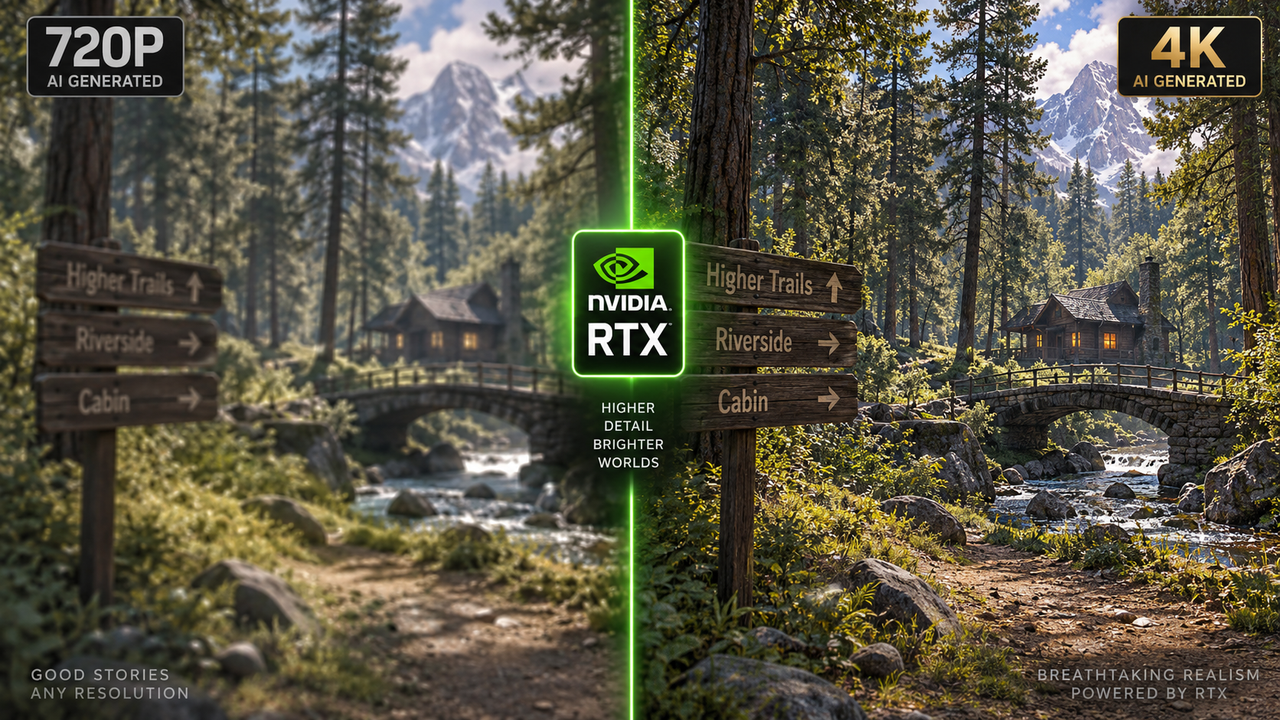
Dropped yesterday, Broadcast 2.3.0 adds RTX Video Super Resolution and RTX Video Frame Generation as beta effects — and critically, a new mode that processes prerecorded files, not just live webcam feeds. That means you can push 720p AI renders to 4K and quadruple framerate locally on an RTX card, for free, instead of paying per-second for cloud upscales. Easiest immediate win in your post chain today.
The October 7 changelog added Nano Banana 2.1 — text-to-image and image editing in a single node, 1K to 4K output, three thinking levels, and up to 14 reference images. Templates v0.11.78 followed on October 8 with refreshed bundled workflows. For anyone building keyframes before an image-to-video pass, that's 14-reference character locking without leaving the graph.
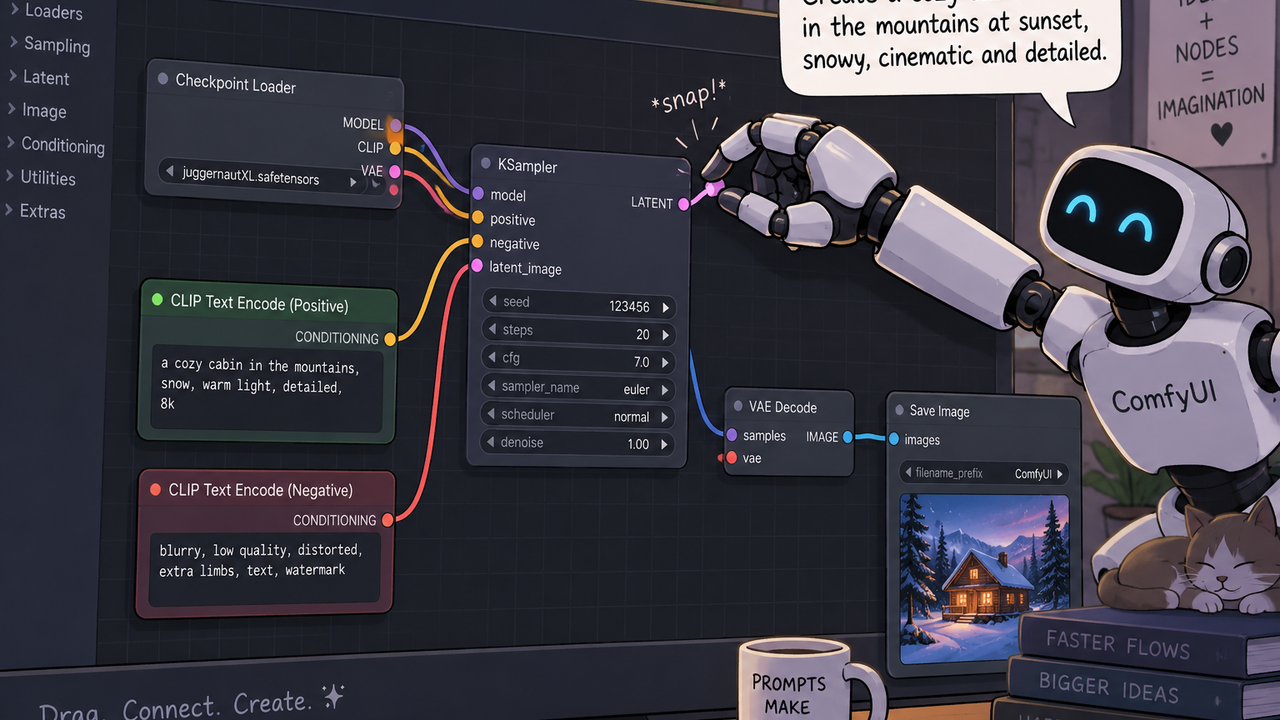
Announced October 1 and live for everyone on Comfy Cloud, Comfy Agent plans a workflow from a natural-language prompt, drops and wires the nodes, runs the graph, and iterates when it breaks — with reusable skills and up to five parallel chats. Comfy Org says a Comfy Desktop build is weeks out, and they're working toward agent-generated custom nodes. Node-graph literacy just stopped being the gate.
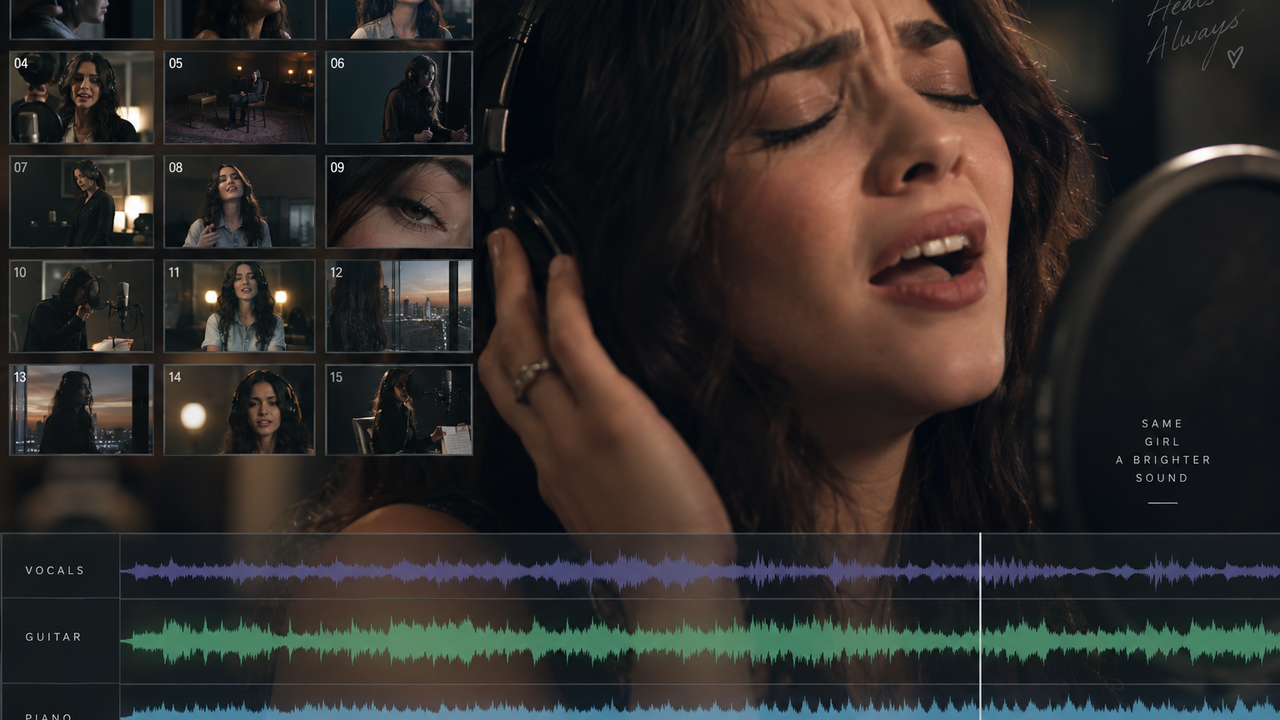
ShengShu shipped Q4 Preview on October 7 — up to 15 image references, up to three audio references, 540p through 4K at 10-bit, and native audio with expression-level character performance. Pricing runs from about $0.045 per second at 540p up to $0.39 per second at 4K, with image-to-video and reference-to-video discounted 30% through November 30. It entered the arena rankings at number three.
xAI's distilled Lite tier went live October 6 at $0.02 per second entry, hitting about $0.14 per second at 1080p against Veo 3.1's $0.40. It ranks #17 on AA-Video-T2V v2.0 — two spots above Veo 3.1 — and covers 1 to 15 second clips, seven aspect ratios, and native audio via the xAI API, fal, and Vercel AI Gateway. Best current cost-per-usable-second for high-volume social output.
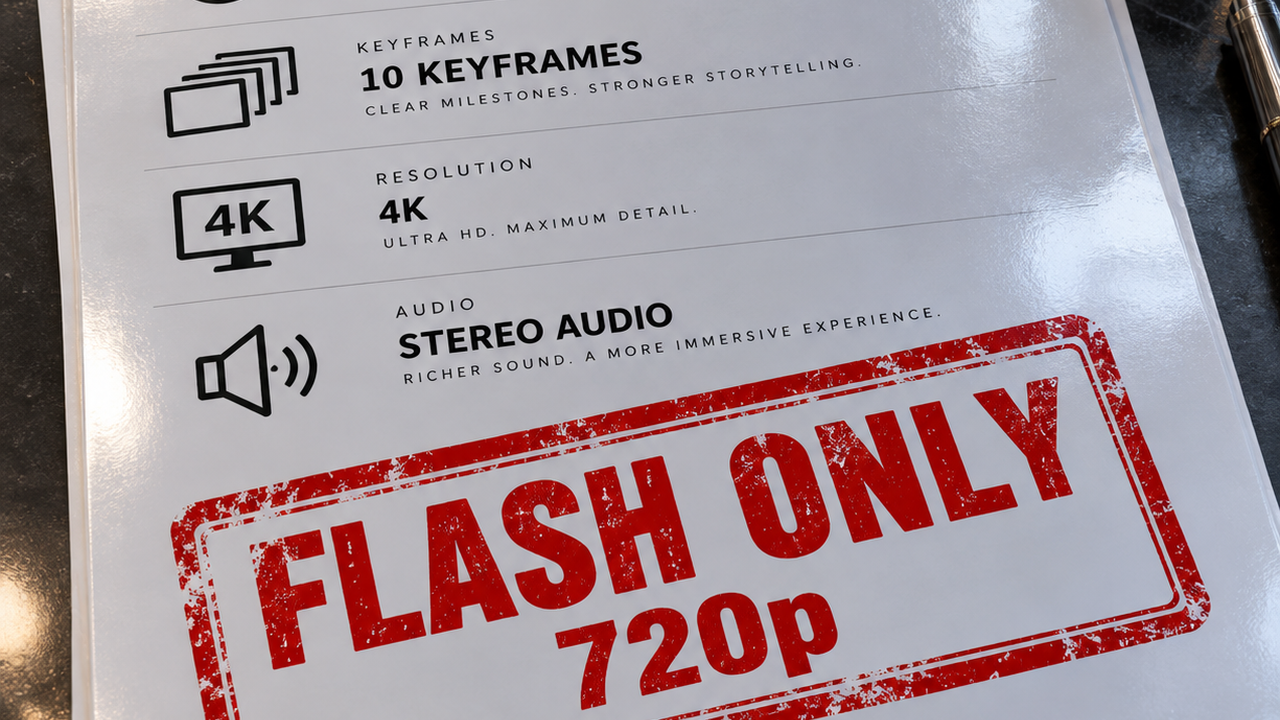
Kuaishou announced 4.0 on September 28 with headline specs of 3-to-30 second clips, up to ten keyframes, fifteen references, 4K, and generated stereo audio with lip sync. What's actually live is Kling 4.0 Flash — capped at 20 seconds and 720p, and gated to Ultra yearly subscribers. No per-video pricing, no API date, no confirmed GA day. Plan around Flash, not the spec sheet.
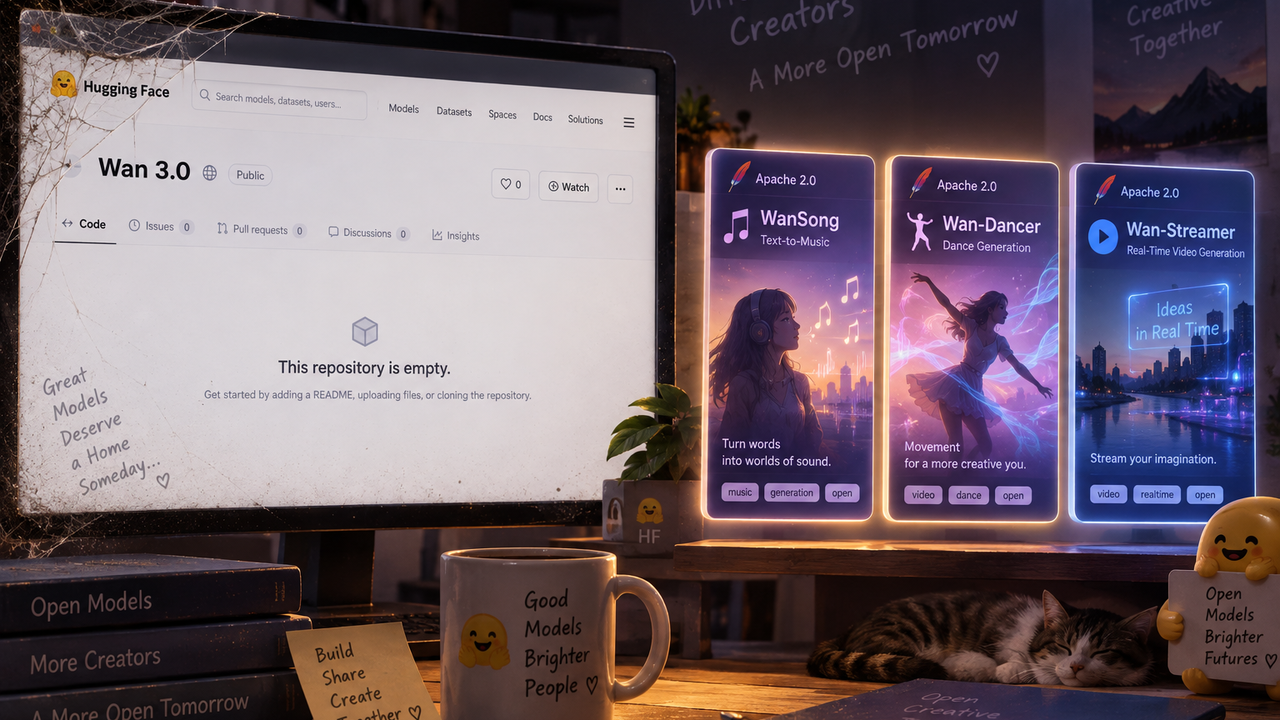
Wan 3.0 went generally available on Alibaba Cloud August 24 as two API IDs, wan3.0-video and wan3.0-video-prime, with no Hugging Face checkpoint, no GitHub repo, no ModelScope entry, no ComfyUI node, and no published license. Alibaba is open-sourcing the adjacent stack instead: WanSong, Wan-Dancer-14B, and Wan-Streamer all shipped Apache 2.0 with ComfyUI integration and LoRA fine-tuning. If you need local Wan, it's still 2.2.
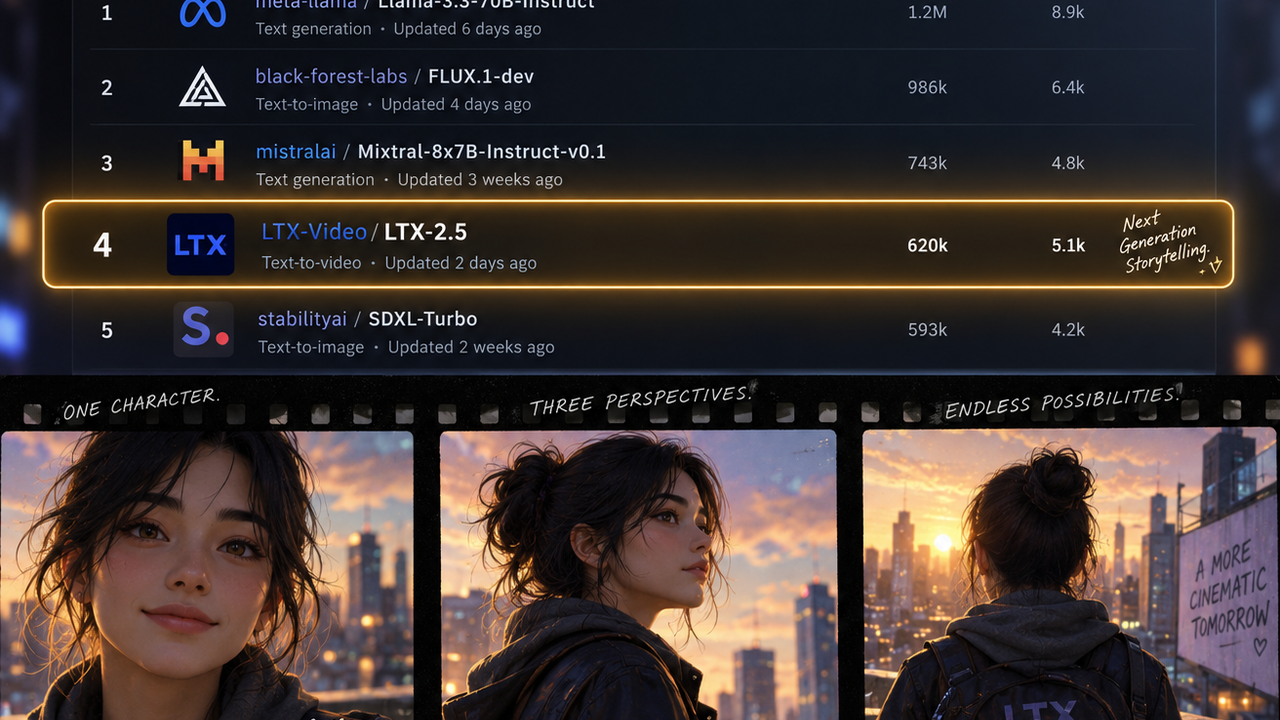
Lightricks' 22B world model sits fourth overall by likes on Hugging Face trending with 1.6 million-plus downloads, covering text-to-video, image-to-video, and video-to-video. It does native multishot that holds character, environment, and voice across cuts, plus native 4K HDR, RAW output, automatic duration prediction, and a Gemma 4 12B text encoder. Free for orgs under $10M ARR, and it had ComfyUI support on day one.
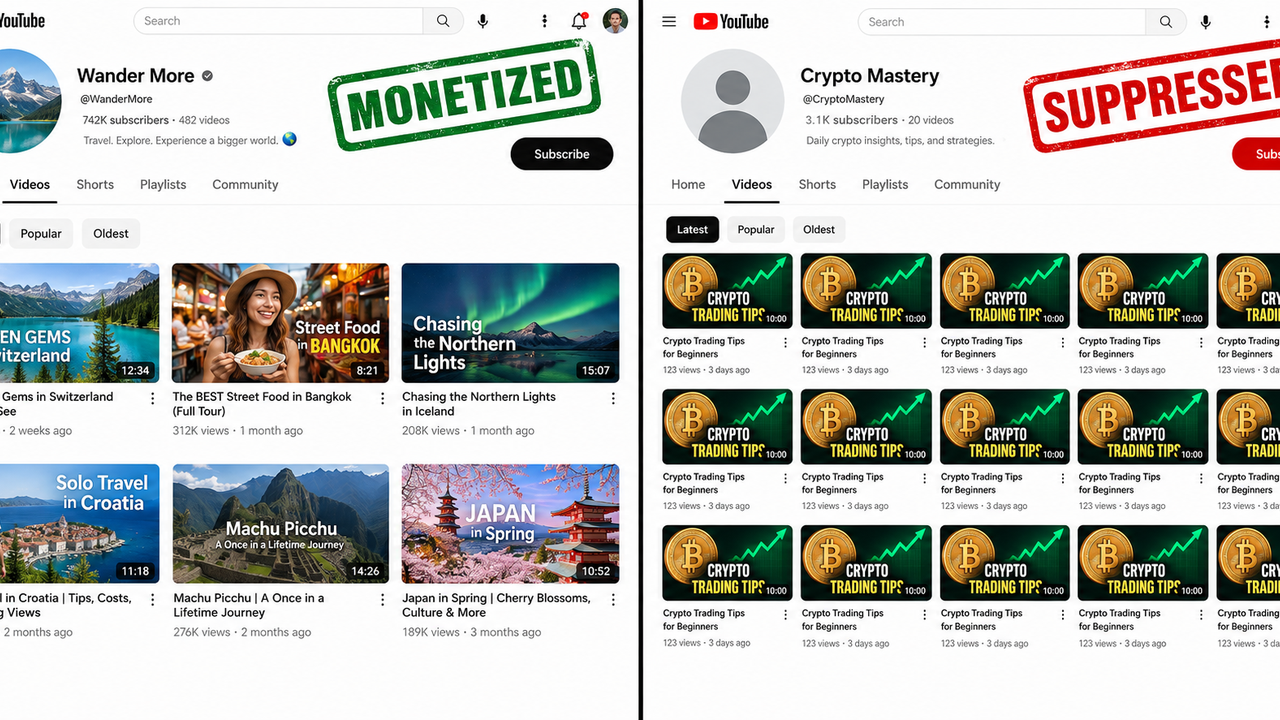
AI-generated video is still fully monetizable — using AI is not a policy violation and disclosure doesn't hurt reach. What kills channels is structural sameness: mass-produced, template-identical uploads at high velocity land in the suppression zone regardless of who made them. And the entry bar rises February 1, 2027, to 1,000 subs plus 8,000 watch hours in twelve months, or 20 million Shorts views in 90 days.
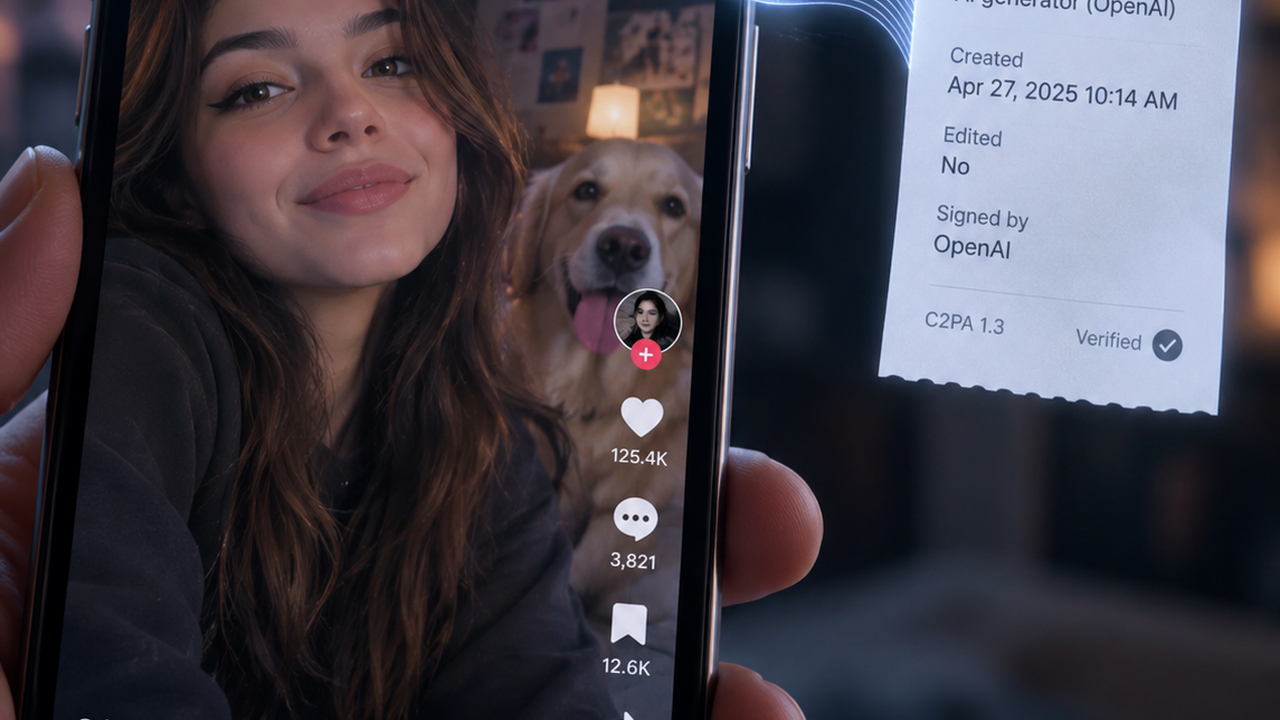
The AI-generated label requirement has existed since 2023, but 2026 is the year it's enforced — undisclosed realistic AI content gets downranked, not just retroactively labeled. TikTok auto-applies the label when it reads C2PA credentials embedded by your generator, so if your tool writes provenance metadata, the disclosure happens whether you toggle it or not. Toggling it yourself is strictly better than being caught not.