Dropped today. The updated partner node collapses text-to-image and image editing into a single node, with 1K to 4K output, three selectable "thinking" levels, and up to 14 reference images per call. For anyone building keyframe stacks to feed into an I2V model, this removes an entire hop from the graph.
Google shipped Nano Banana 2.1 on October 6, built on Gemini 3.6 Flash, with 1K/2K/4K output, better text rendering, and panorama support. The headline for video people: it holds up to four characters and ten objects consistent across 14 reference inputs and multiple editing turns — and image API costs drop roughly 50%.
Two days ago, v0.39.0 added a DynamicGroup widget so custom nodes can declare repeatable input groups — LoRA rows with strengths being the obvious win. Save Video now defaults to higher-quality encoding at CRF 18 for h264 and CRF 24 for AV1, Save EXR defaults to 16-bit float, and MiniMax-H3 got VRAM reductions plus VAE support. New `--offline` and `--disable-partner-nodes` launch flags also landed. Heads up: the old Ray 2 nodes are deprecated and get removed October 24.
Kuaishou has pinned October for the full Kling 4.0 launch, with no exact day yet. Specs: up to 30 seconds in one generation, as many as 10 keyframe images to steer a shot, 4K with stereo audio, 10-bit HDR still pending, and Omni Reference pulling up to 15 references. Kling 4.0 Flash has been in limited early access since September 28 at up to 20 seconds and 720p.
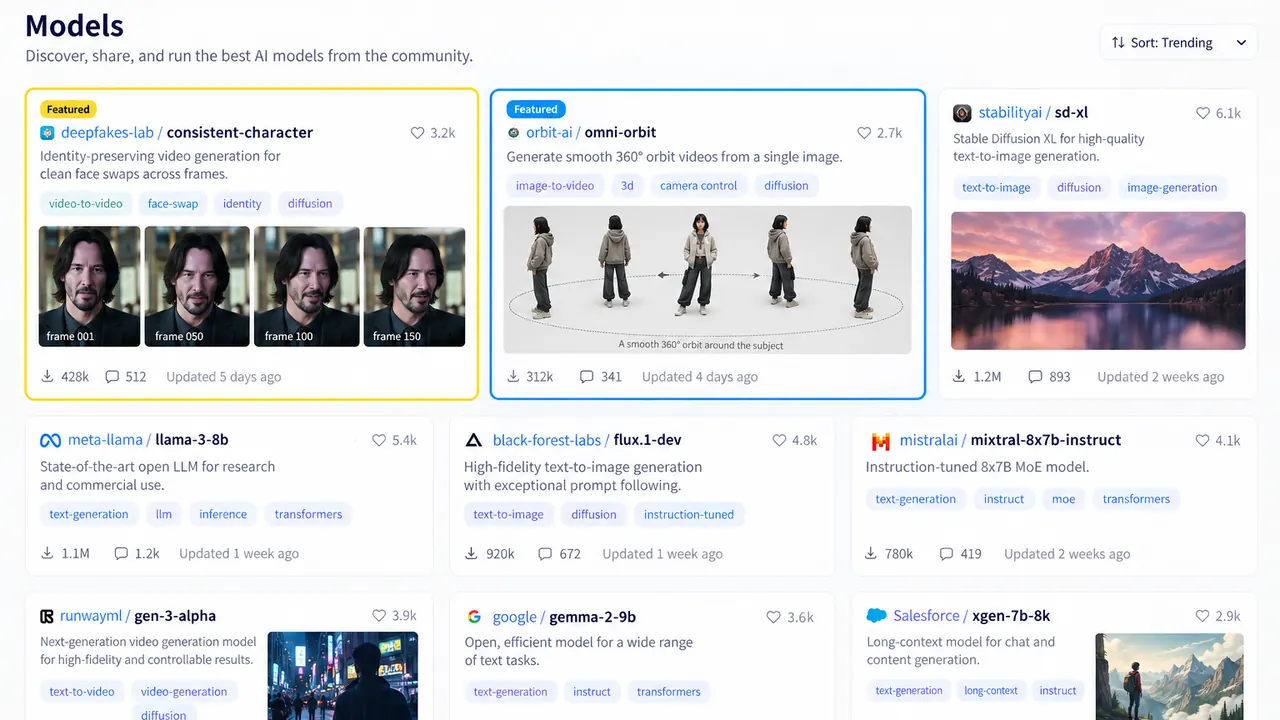
The open-weights H3 model is now the base for a wave of trending fine-tunes — notably akatz-ai's Character-Swap LoRA for consistent identity in video-to-video passes, and pablodawson's 360-Orbit LoRA that generates orbit shots from a single still. Weights run about 42.5GB across four files; ComfyUI's dynamic offloading claims an RTX 3060 can run it, but 24GB is the comfortable tier and long clips have peaked near 46GB on a 4090.
Reels ranking in 2026 weights watch completion, skip rate, and shares over followers and likes, with creators converging on 7 to 15 second clips. Watermark and logo detection demotes cross-posted video in recommendations, and since April 30 accounts posting mostly non-original content are excluded from recommendations entirely. AI-generated Reels are fine if they're not deceptive and posted natively. Instagram also rolled out a "Your Algorithm" control this month letting viewers reshape their own Reels feed.
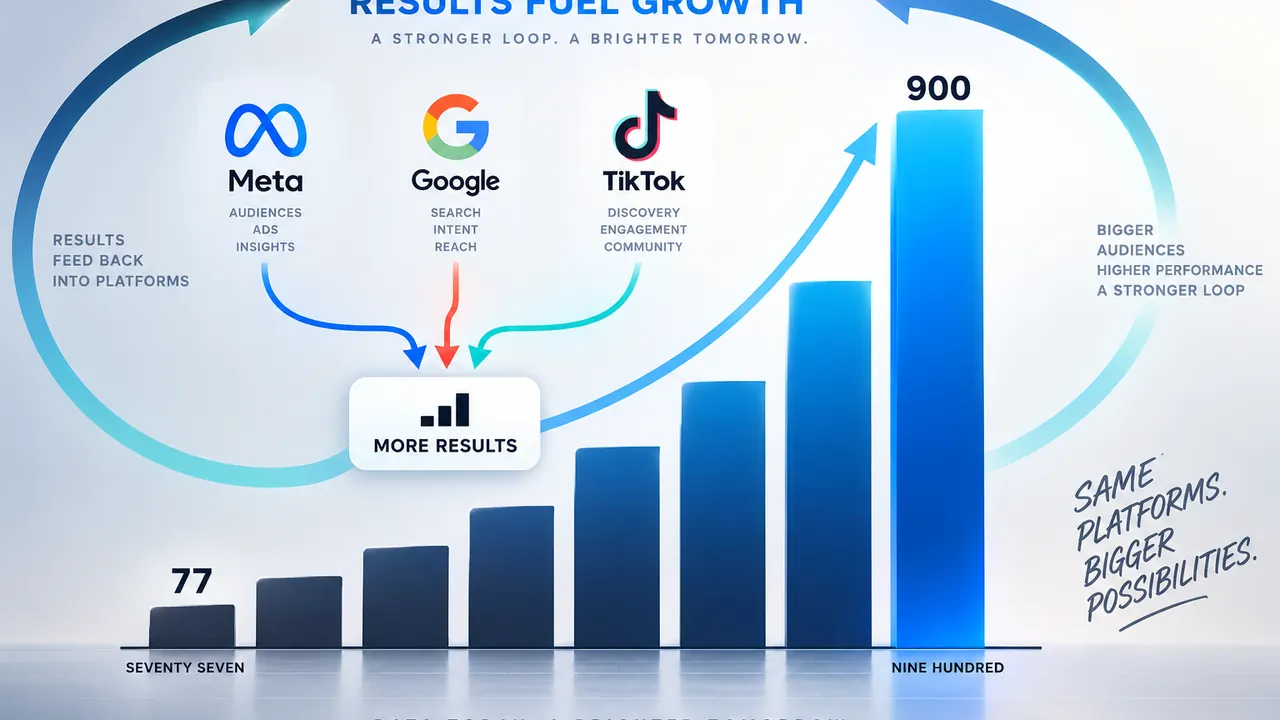
Runway unveiled Runway Ads on September 30 — an autonomous engine that generates video and image variants, publishes approved creative straight to Meta, Google, and TikTok, then reads performance back to drive the next round. Running its own campaigns on it since July, Runway reports weekly ad output went from 77 to roughly 900, return on ad spend doubled, conversions rose about 34%, and subscriber acquisition cost fell 41%. Enterprise pilot now, wider access in coming weeks; Lovable is the launch partner.
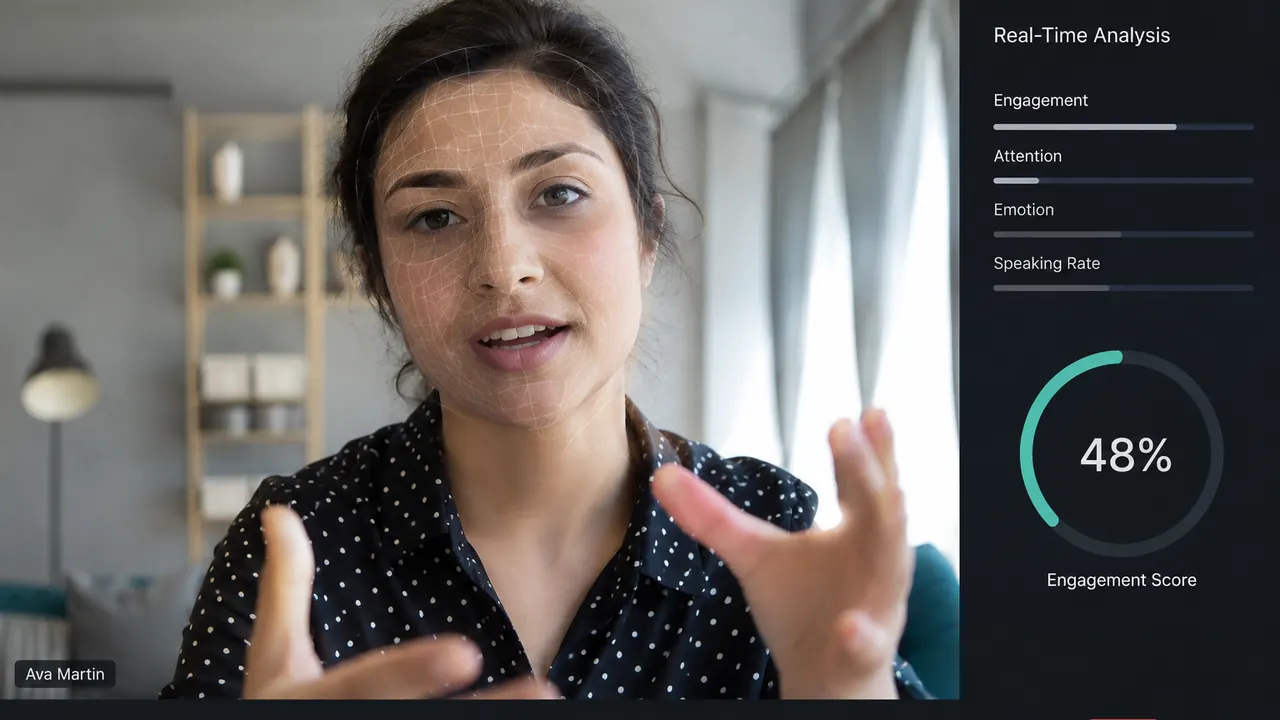
Tavus launched Griffin on October 1 — a full-duplex video-to-video model for real-time face-to-face conversation that re-evaluates the exchange at sub-second intervals, so it can be interrupted and shift expression, gaze, voice, and gesture mid-sentence. Tavus says 48% of participants on one-minute calls with Griffin-Lite believed they were talking to a real person. It's a research preview to trusted testers only — the company cites safeguard work as the blocker.
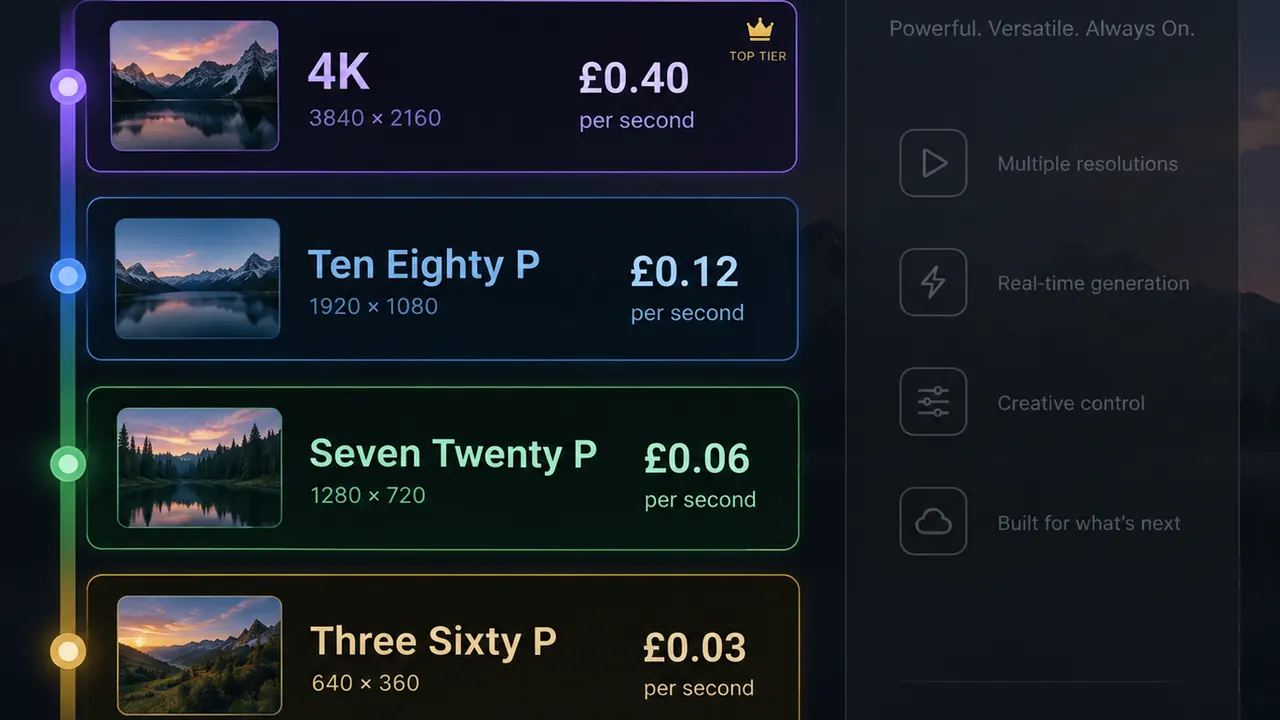
Omni Flash has replaced Veo as the default video backend for Plus, Pro, and Ultra subscribers in the Gemini app, while Veo 3.1 stays available via the Gemini API and Vertex. Since the August 27 GA, Omni Flash bills by resolution: about $0.034/sec at 360p, $0.10/sec at 720p, $0.152/sec at 1080p, and $0.304/sec at 4K — versus $0.40/sec for Veo 3.1 standard.
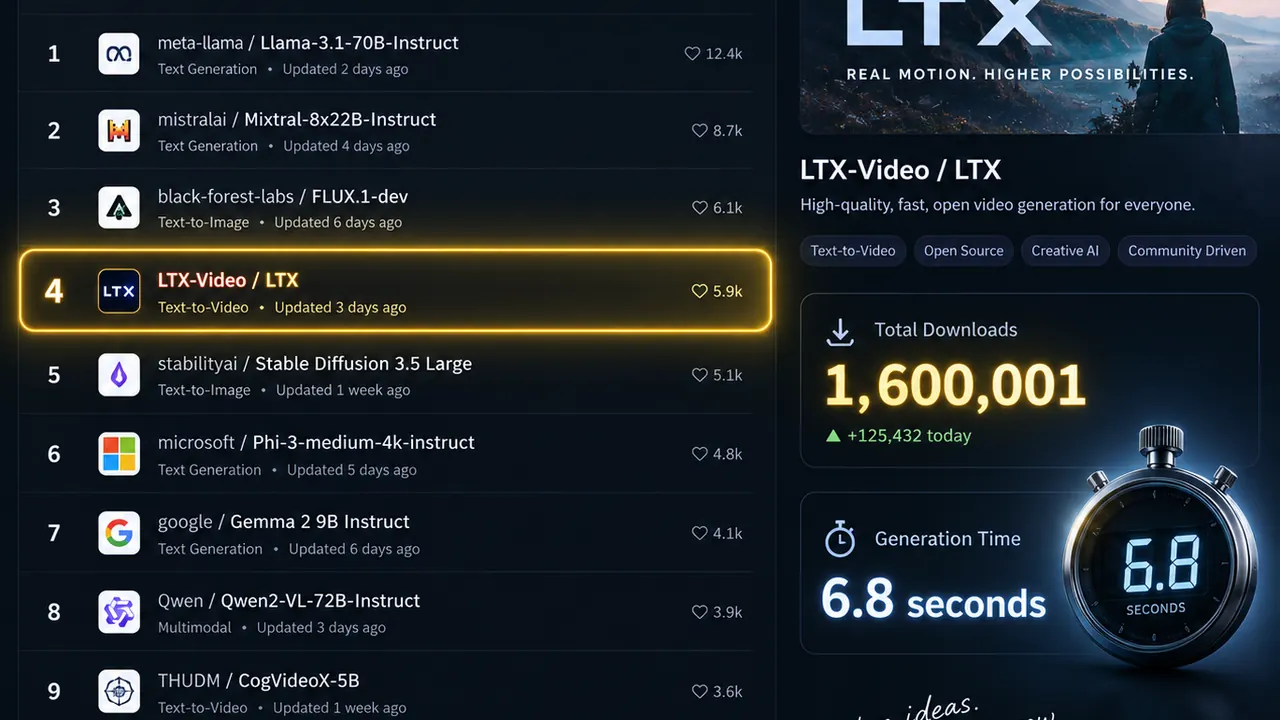
The 22-billion-parameter open-weights video-audio model from LTX, the Lightricks spinout, keeps climbing — 1.6 million-plus downloads and a top-five trending slot. It generates a 10-second clip from an image in 6.8 seconds on Nvidia superchips, does native multi-shot with character, environment, and voice consistency in one pass, and uses a Gemma 4 12B text encoder. Organizations under $10 million in annual revenue can use it commercially for free.