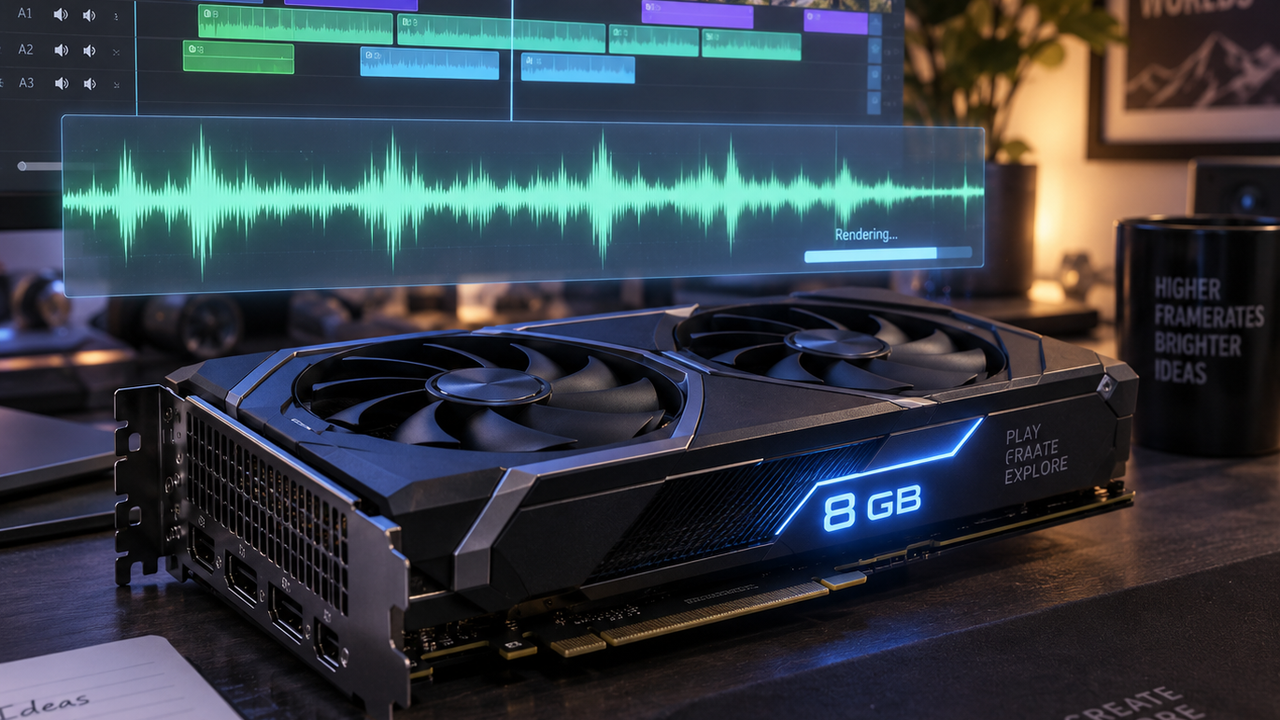
FastVideo shipped a pruned H3 variant on October 6 that runs 8-step video with synchronized audio in as little as 8 GB of VRAM. That drops the floor from datacenter-class hardware to a mid-range consumer GPU for joint audio-video generation. If you've been renting H3 time, this is the single biggest cost lever to land this week.
Official ComfyUI nodes for Veda sparse attention dropped October 3, skipping roughly 90 percent of attention tiles for up to a 3x speedup on MiniMax H3 video. It stacks on top of the existing 4-step and 8-step LoRA accelerators like DMAD and HyperFlow. Combined with FastH3 Trim, local H3 iteration times are now in genuinely usable territory.
Google's Nano Banana 2.1, running on Gemini 3.6 Flash, hit general availability as a ComfyUI partner node on October 7 — 1K images drop to $0.0336 from $0.067, and 4K to $0.0756 from $0.151. It handles text-to-image and editing in a single node, supports up to 14 reference images, three thinking levels, and 1K-to-4K output. For anyone building keyframes or reference plates for an image-to-video pipeline, your per-frame cost just halved.
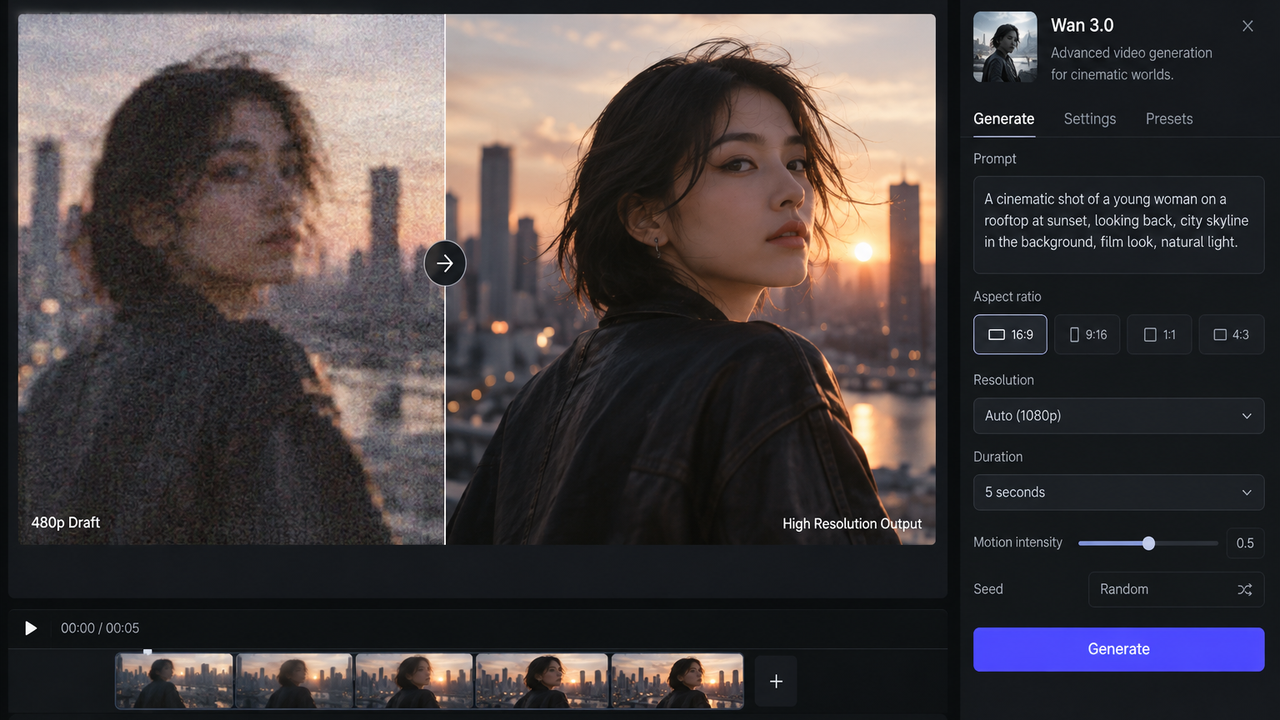
Runway added Wan 3.0 in tool mode and workflows in early October — up to 30 seconds of video with native audio, driven by multiple image, video, and audio references across text-to-video, image-to-video, and video-to-video. Separately, Seedance 2.5 Draft Mode went live in Runway's Agent on October 2, generating fast 480p drafts with post-generation enhancement. Draft-then-enhance is the cheap iteration loop creators have been asking for; note Wan 3.0 is still API-only, with Wan 2.2 remaining Alibaba's last open-weight flagship.
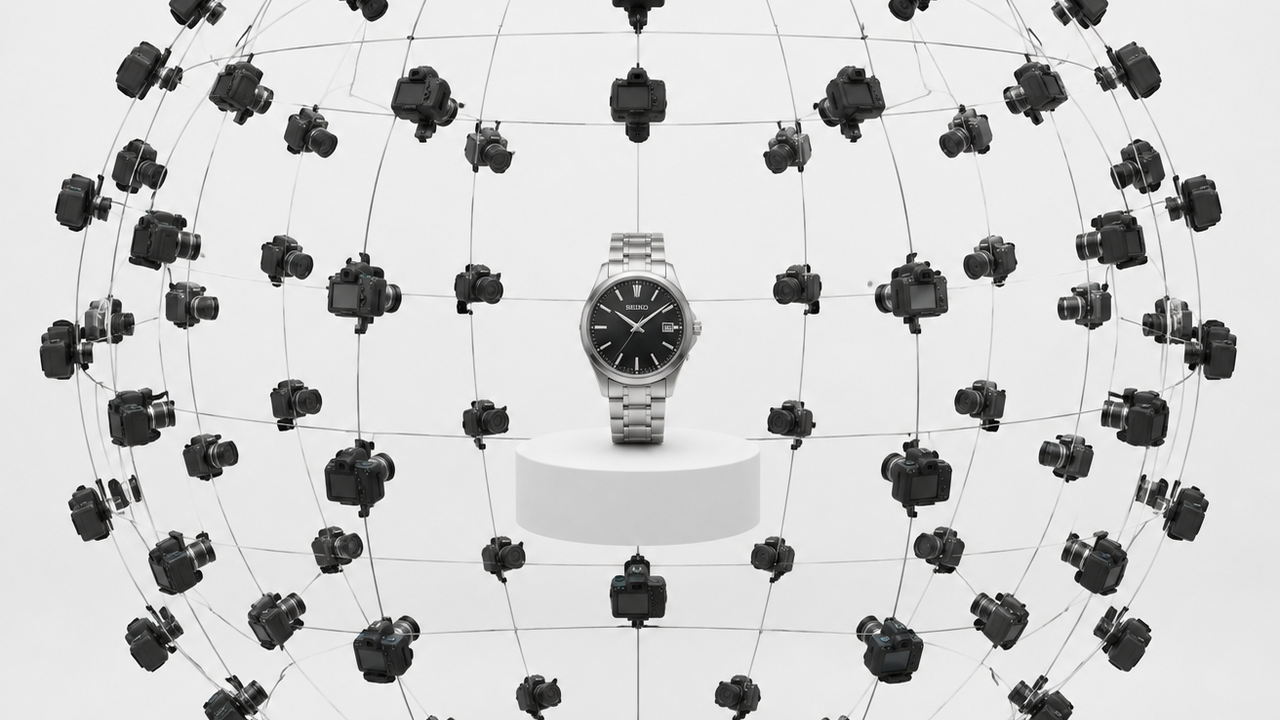
Released October 7, this community LoRA lets you feed a single photo, pick one of 72 azimuth and elevation framings, and reshoot the subject from that angle inside ComfyUI. That's coverage and shot variety from one still — the classic bottleneck in faceless and product-video workflows. Pair it with the October 4 Outfit Swap LoRA, which replaces wardrobe while preserving framing, face, and background.
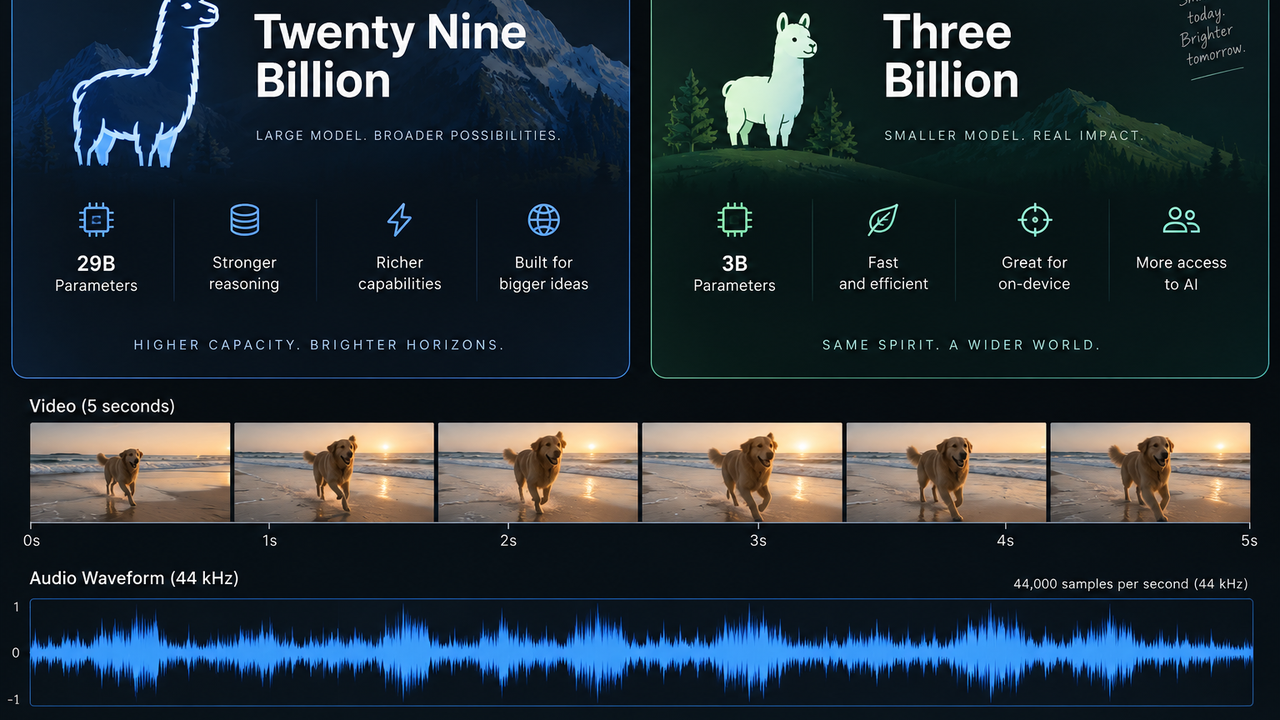
Kandinsky's open-weight 29B Pro and 3B Lite models landed in ComfyUI on October 6, generating 5-second clips with synchronized 44 kHz audio plus Full HD upscaling. The 3B Lite tier matters most — it's a real open-weight audio-video option for modest hardware. Short duration keeps it in the B-roll and insert-shot lane rather than full scenes.
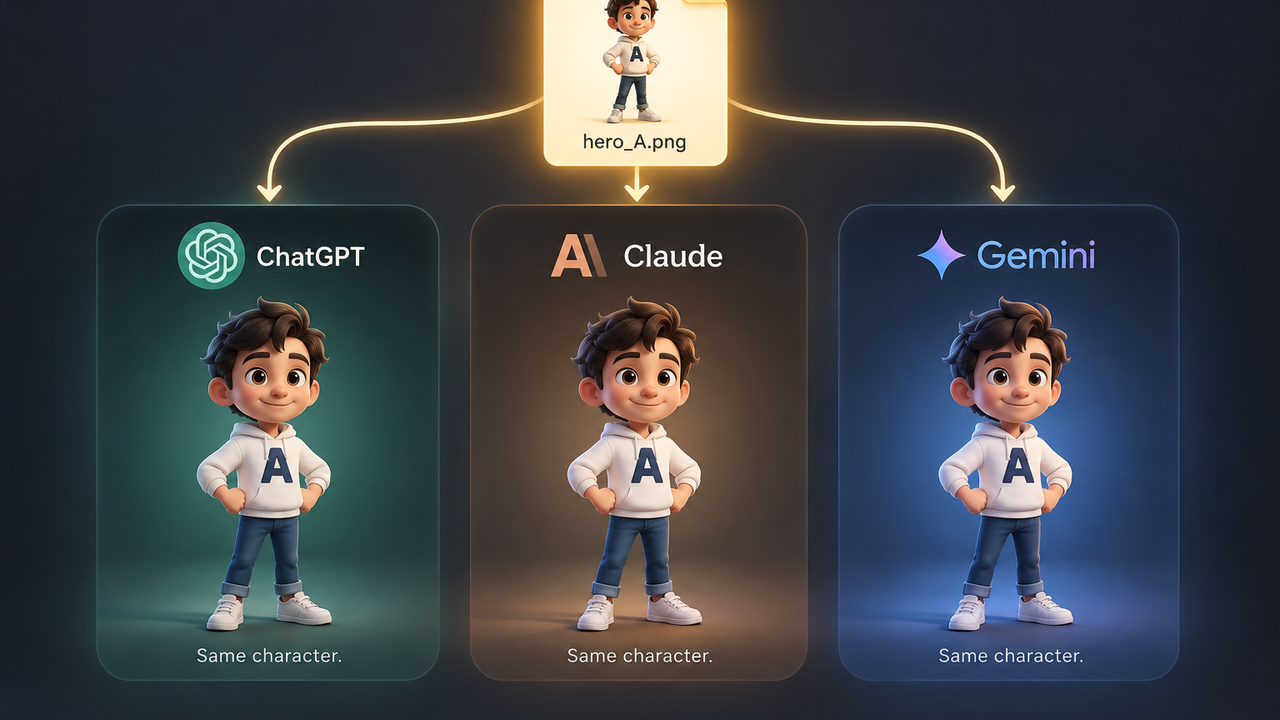
Shipped October 2, OmniChar lets you load a single dot-char file across MiniMax H3, FLUX.2, and Krea 2 — one character definition, three different engines. Alongside it, ByteDance and Texas A&M released DMAD, a rank-128 LoRA that collapses H3 to four steps for joint audio-video. Character consistency across a model switch has been the hardest thing to maintain in serialized AI content, so this is worth a test run this week.
Kling 4.0 — 4K in 10-bit HDR, single generations up to 30 seconds, up to 10 keyframes and 15 multimodal references — is confirmed for a full October launch after Flash went live September 28 for Ultra Yearly subscribers only. Meanwhile ComfyUI added 4K resolution support for Kling, Veo, and ByteDance 2 nodes in early October, plus a new Veo 3 Lite tier for faster, cheaper generation. Check whether your plan actually unlocks 4.0 before you promise a client 4K HDR.
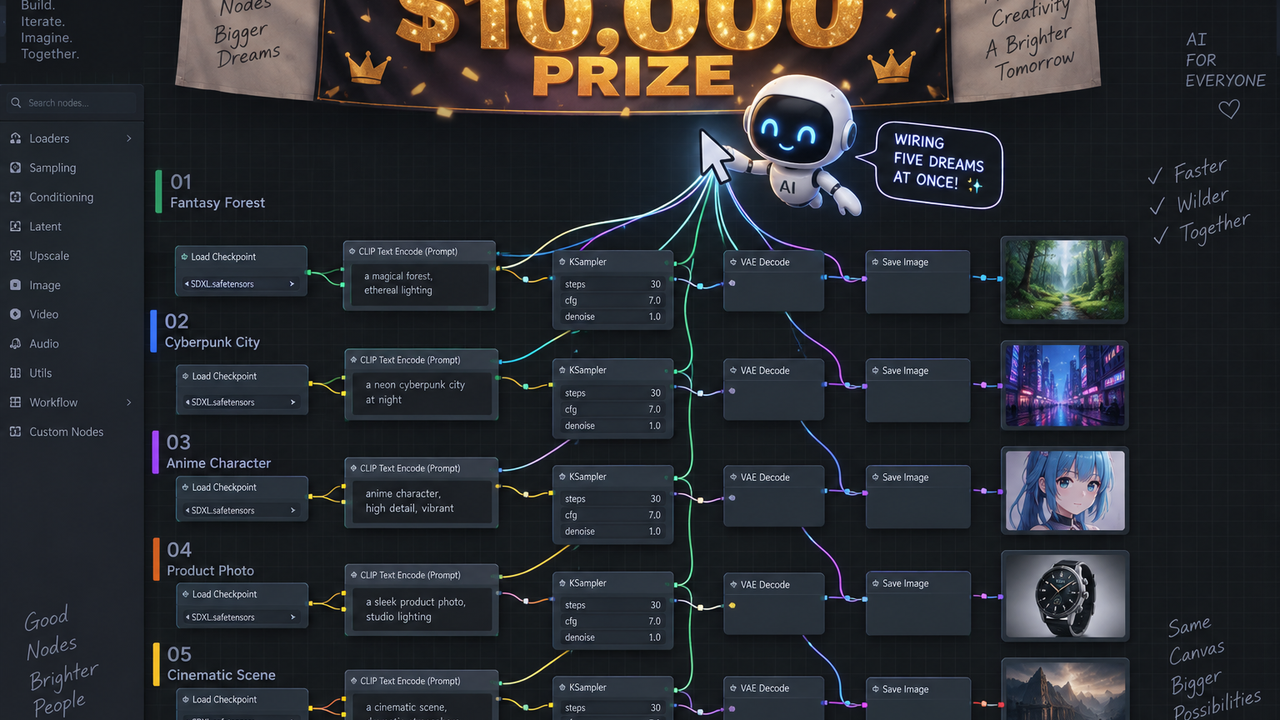
Announced October 1, the Comfy Dev Platform Challenge offers a $10,000 grand prize for rebuilding paid subscription features as open-source ComfyUI workflows. The same day, Comfy Agent arrived on Comfy Cloud — it plans and debugs workflows directly on canvas with up to five parallel chats and reusable skills. Free money for work a lot of creators are already doing privately.
TikTok's 2026 policy requires visible labels on AI-generated visuals and audio depicting realistic people or scenes, and the platform now reads C2PA Content Credentials to detect synthetic media even when creators don't self-disclose. Meta applies automatic "Made with AI" labels across Instagram and Facebook via its Imagine detection system. YouTube keeps AI content eligible for the Partner Program provided it offers original value, isn't mass-produced or repetitive, and the altered-or-synthetic toggle is set in Studio — faceless channels are now 38 percent of new creator monetization ventures, up from 12 percent in 2022, so expect enforcement attention to follow the volume.