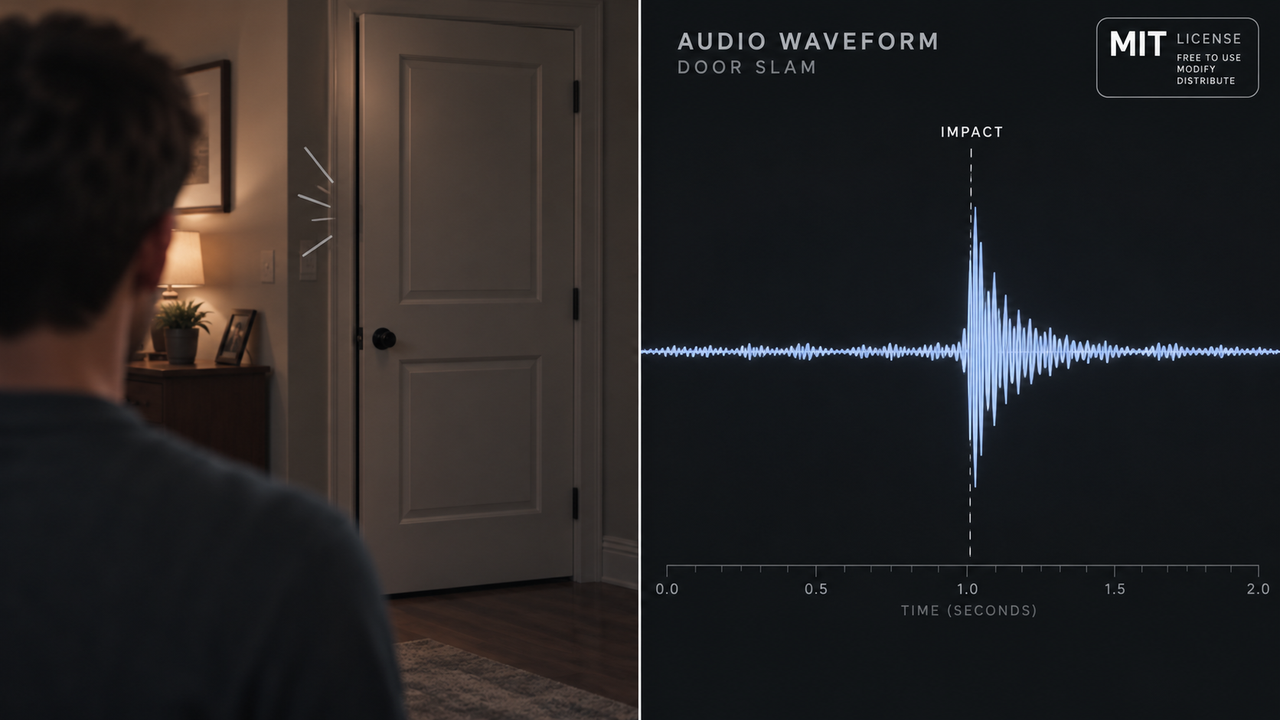
Sber's Kandinsky Lab open-sourced a two-size family — Lite at 3B and Pro at 29B — that generates a 5-second clip and its 44 kHz soundtrack in a single pass, including lip-synced speech, SFX, music, and ambience. Both run text-to-audio-video and image-to-audio-video modes, and ComfyUI nodes shipped alongside the weights. MIT license means zero commercial strings, which makes this the most permissive audio-video model you can run locally right now.
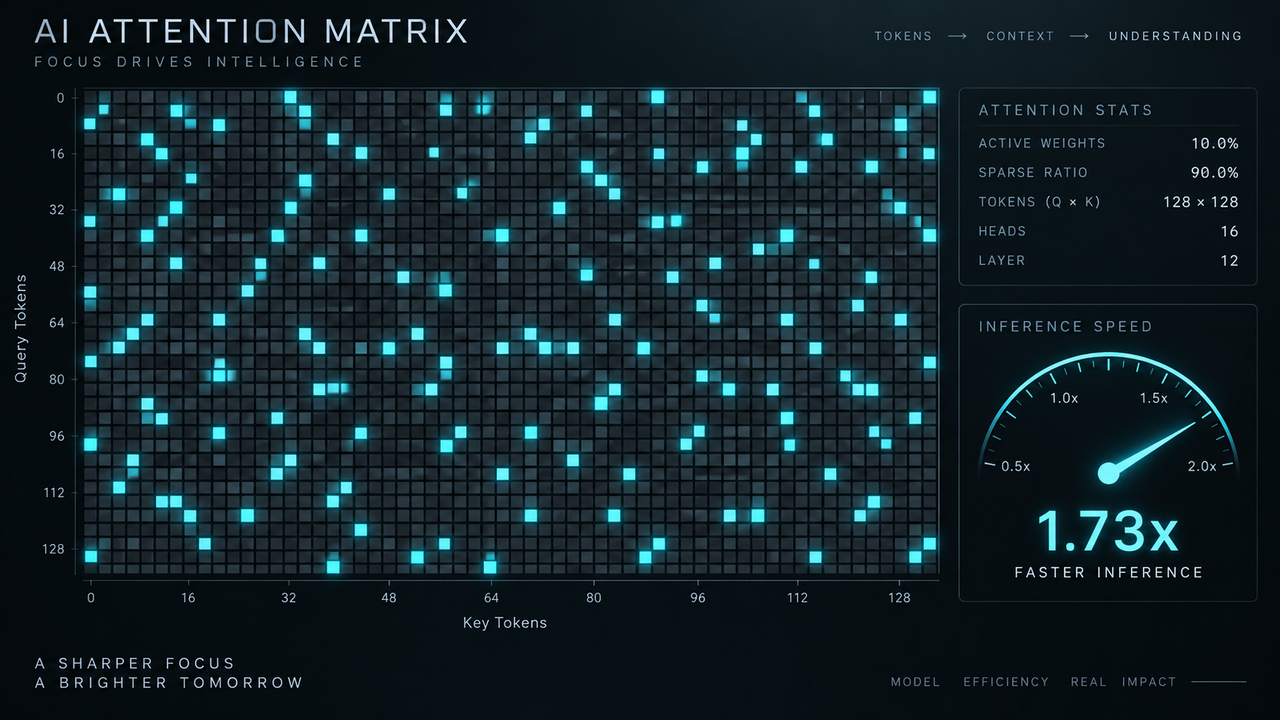
Posted October 11, Spark-H3 wires Spark-Attn block sparse attention into MiniMax-H3 with prebuilt nodes for RTX 40 and 50 series cards. The claim is a 1.73x faster DiT at 10 percent attention density — a straight throughput win on hardware you already own, no model swap required. If you're batching H3 generations overnight, this is the cheapest speedup on the board.
Kuaishou has Kling 4.0 slated for a full October rollout with single generations up to 30 seconds, steering via as many as 10 keyframe images, Omni Reference pulling in up to 15 references per request, and 4K output with two-channel stereo audio plus lip sync in nine languages. Kling 4.0 Flash has been in limited early access for Ultra Yearly subscribers since September 28. Credit rates for 4.0 still aren't published, so budget blind until they are.
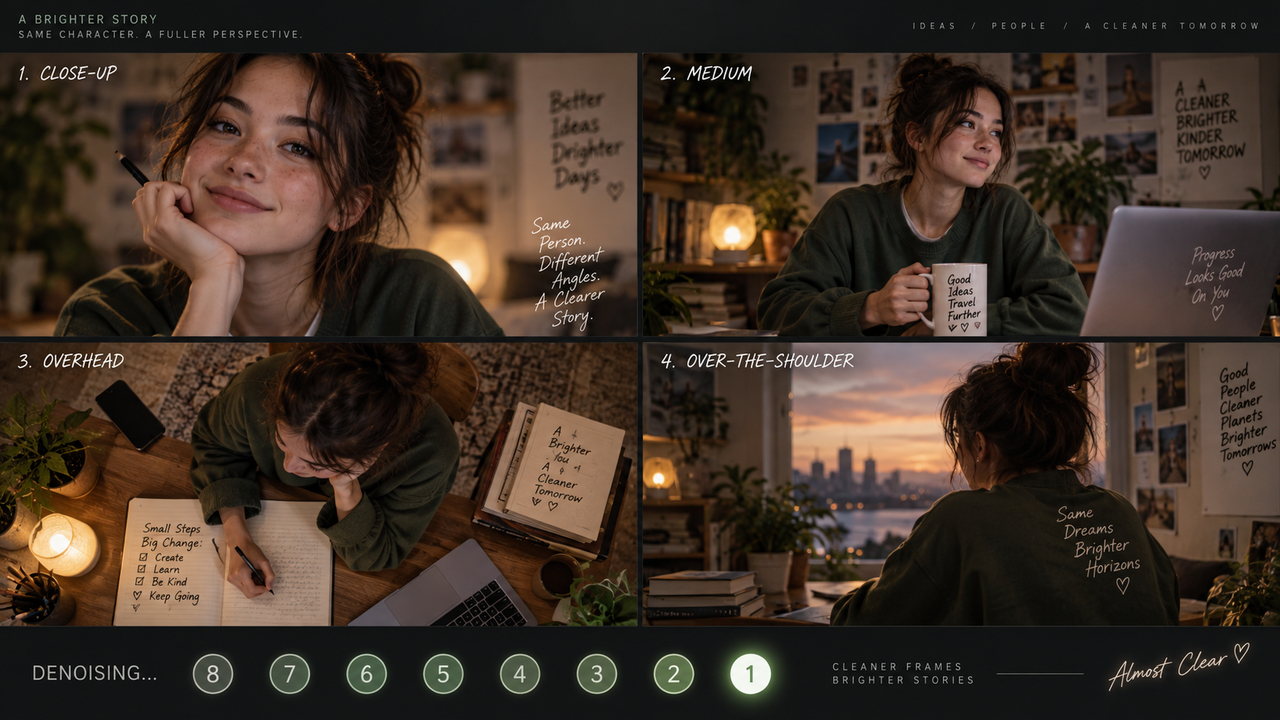
Alibaba released an official turbo checkpoint on October 9 running 8-step denoising at minimal guidance, with community-repacked weights already optimized for ComfyUI. It stacks with last week's Next-Scene LoRA for chained storyboard frames and Multiple-Angles LoRA offering 72 camera framings. Qwen-Image-2.1 is also sitting near the top of Hugging Face trending for commercial content work.
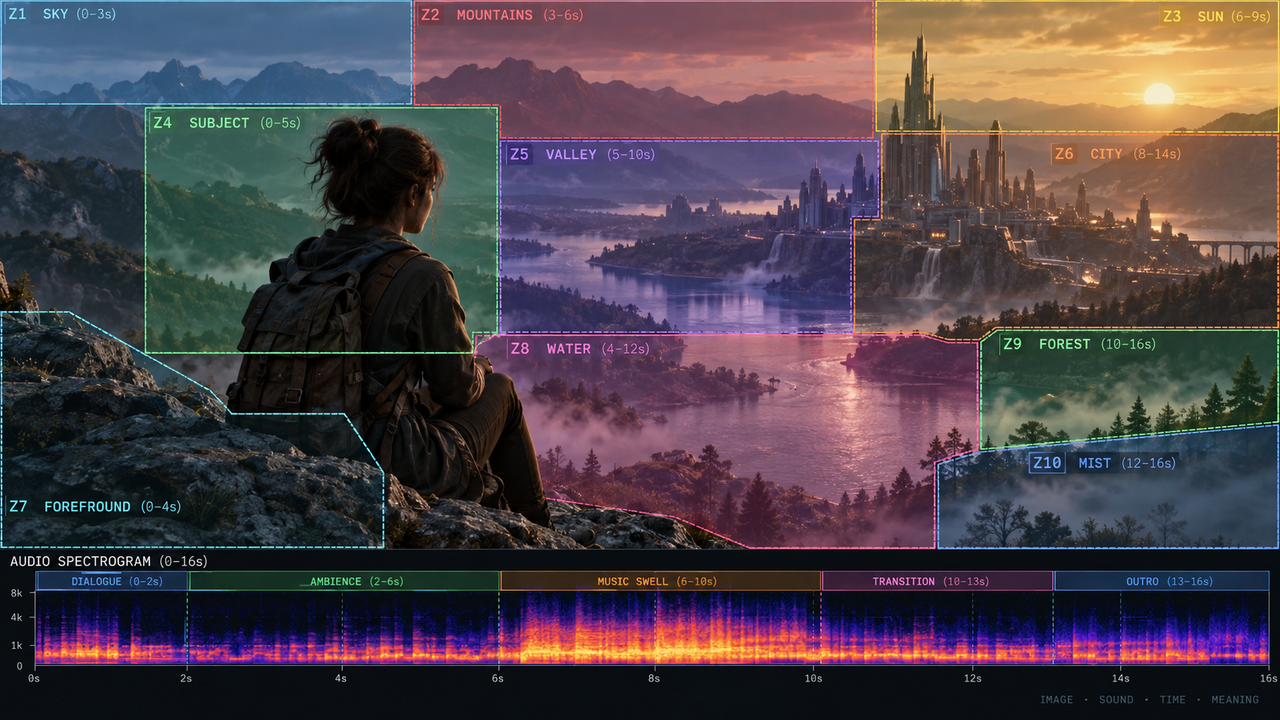
Prism — from Tencent Hunyuan with Fudan and Zhejiang University — uses dynamic sparse attention that carves the token sequence into spatiotemporal macro-zones and assigns each a tailored block shape, enabling native 2K joint video-audio generation rather than bolt-on audio. Preview checkpoints and inference scripts for image-to-video and text-to-video-plus-audio are on Hugging Face, and it's already in the trending list. Fair warning: the weights run about 208 GB.
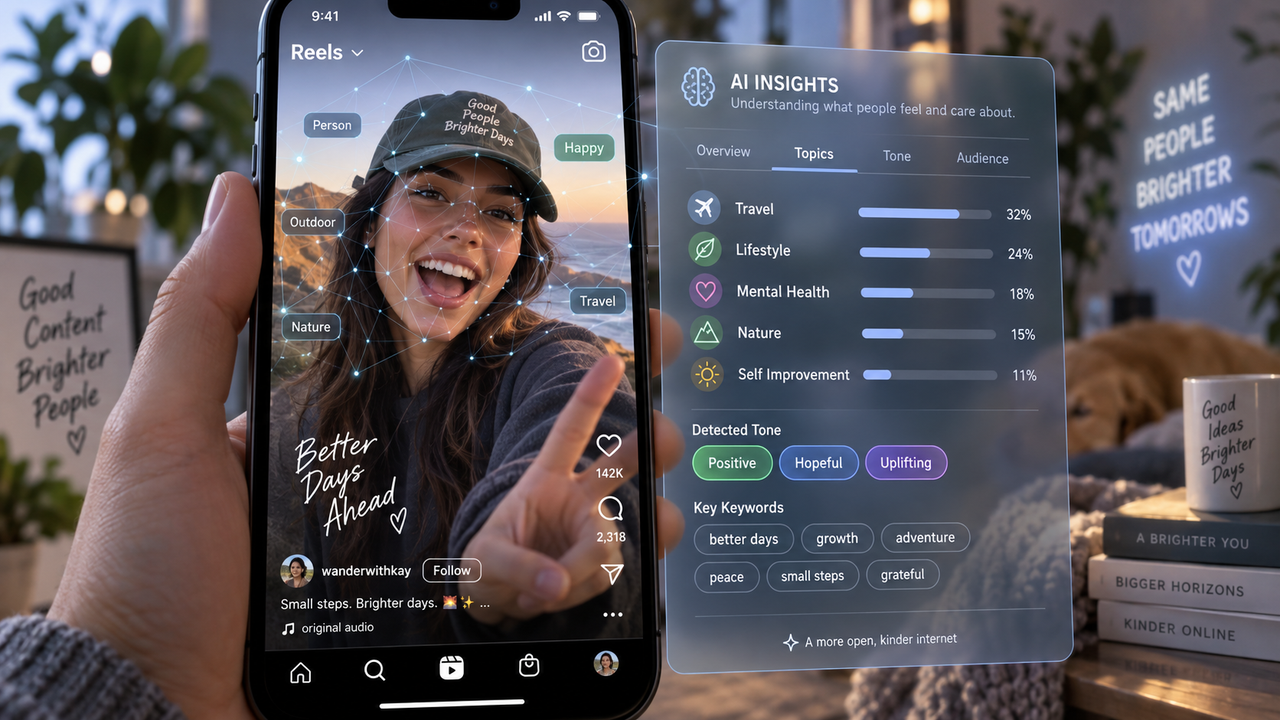
Meta's topic-control dashboard is now live across Feed, Reels, and Explore worldwide, letting viewers add and remove the topics that drive their recommendations. Every public Reel and Feed post is now processed by a large language model and analyzed across dimensions from topic to tone, so relevance is no longer purely engagement-driven. Meta's systems classify on-screen reacting, stitched third-party clips, and narrate-what-you-see as unoriginal and deprioritize it in both surfaces.
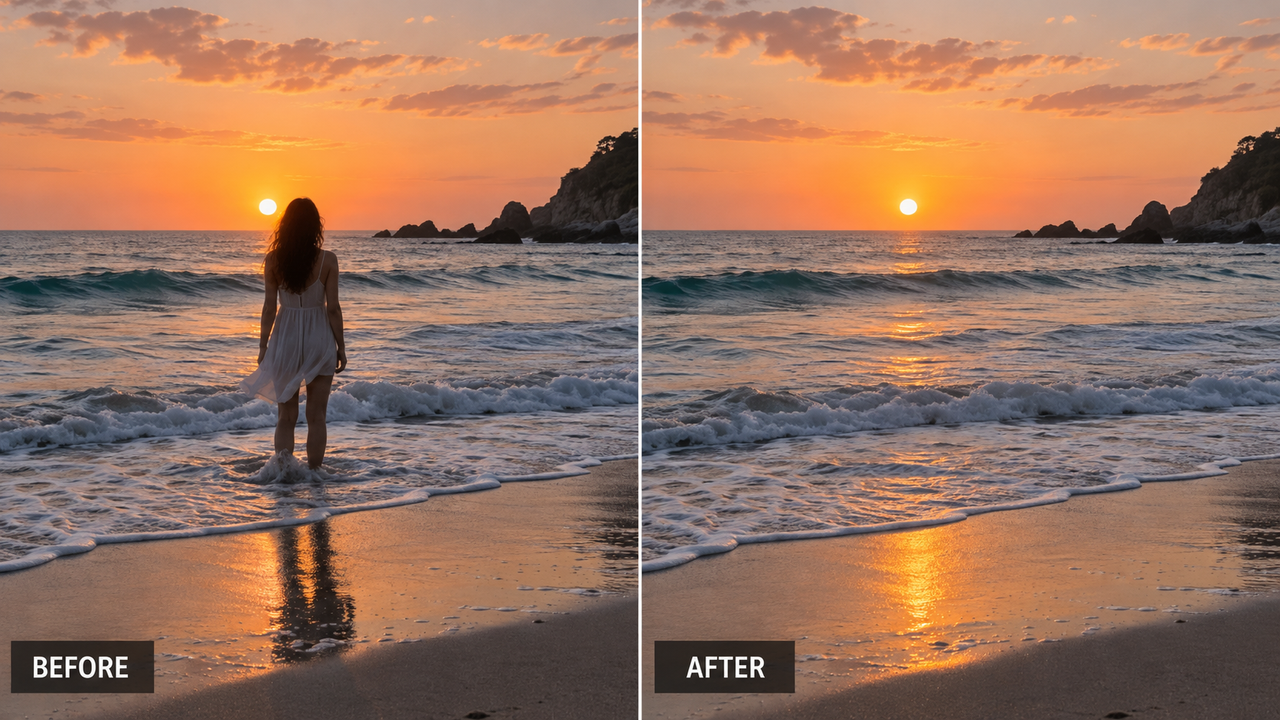
Akatz Labs shipped a LoRA on October 8 that tracks a subject, generates masks, and reconstructs background across overlapping windows to remove a person from video entirely. It comes packaged with a ready-to-run workflow, so it's a drop-in cleanup pass rather than a research demo. Useful for salvaging plates where a reference generation put a body where you didn't want one.
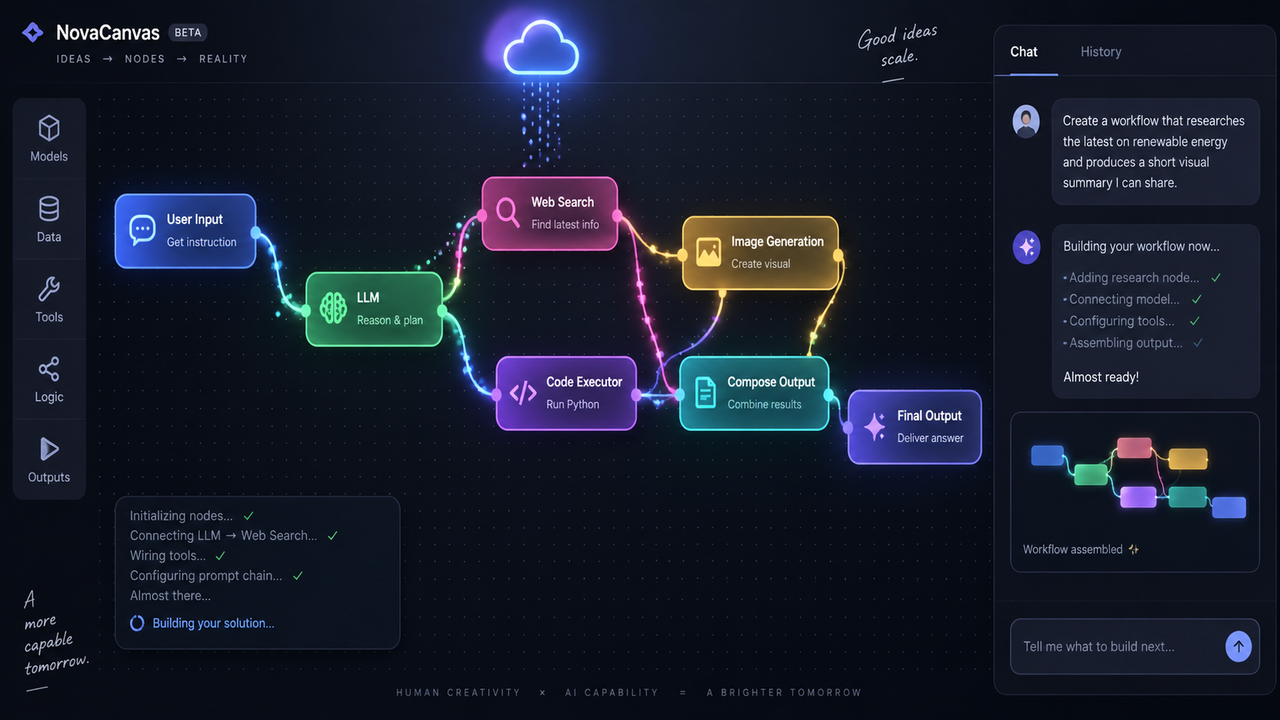
Announced October 1 and now open to everyone on Comfy Cloud, Comfy Agent plans, builds, runs, and debugs workflows directly on the canvas — adding and wiring nodes, checking for errors, and reading attached image, video, and audio files. It runs on frontier Anthropic models with reusable skills and up to five parallel chats. Comfy Desktop support, which would point it at your own GPU and custom nodes, is still "coming soon."
Google opened synthid.com to everyone globally in English on October 7, checking uploaded images, video, and audio for watermarks from Google plus partners OpenAI, NVIDIA, and Kakao, with Apple said to follow. Google says SynthID has marked over 180 billion images and videos since 2023. The catch for creators: it can't distinguish AI-created from AI-edited media, so a touched-up real shot can flag the same as a full generation.
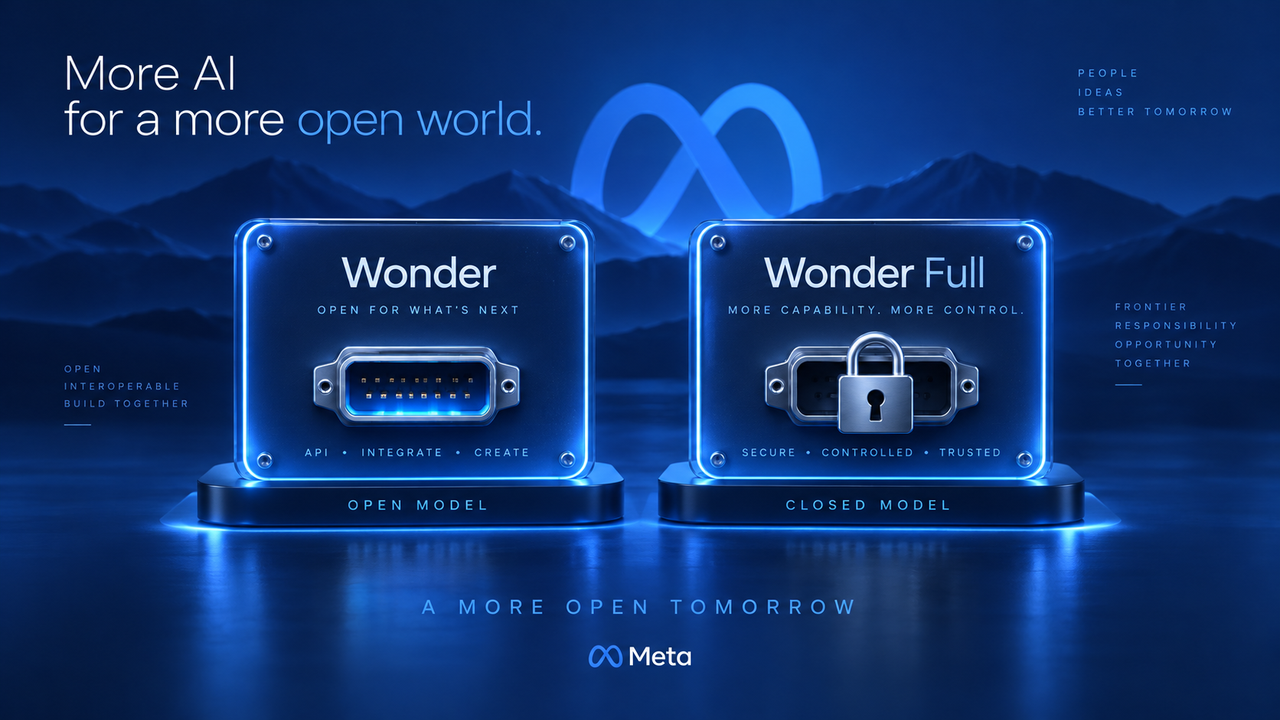
Meta Superintelligence Labs released Muse Wonder and Muse Wonder Full yesterday, both accepting text, image, audio, and video input with roughly one-million-token context. Wonder is priced at $4 per million input tokens and $20 per million output, scoring 52 on the Artificial Analysis Intelligence Index; Wonder Full scores 56 but is restricted to Muse Code subscribers with no API access. For video people this matters as a pipeline brain — prompt writing, shot planning, footage review — not as a generator.