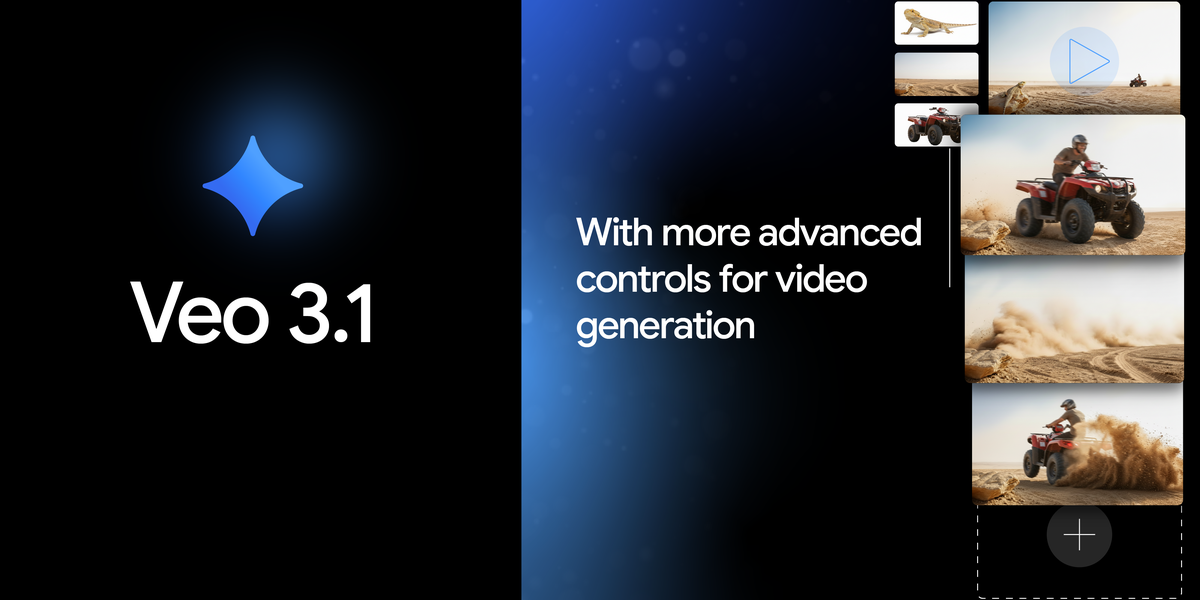
Google dropped Veo 3.1 and Veo 3.1 Fast into paid preview via the Gemini API on August 3rd. The headline numbers: clips up to 120 seconds at 4K resolution — a 43% duration jump over Veo 3 — with improved human rendering, tighter audio sync, and native vertical output upscaled to 1080p or 4K for Shorts-ready delivery. Pricing stays the same as Veo 3. Access is live in Google AI Studio and Vertex AI right now.
ByteDance's Seedance 2.5 officially launched July 31 and opens globally on August 7 via Dreamina. The reference budget explodes from 12 inputs to 50 (30 images, 10 videos, 10 audio clips including audio-only reference — a first). It generates up to 30 continuous seconds of 4K in a single pass, adds timestamp control for second-by-second directorial precision, and lets you edit inside a finished clip — swap a product, relight the scene, extend forward or backward without a full re-render.
FLUX 3 launched July 23 in gated early access and is still the freshest model in the pipeline for most creators. It's a unified model accepting text, up to 10 image references, audio, and video inputs — generating clips up to 20 seconds with native audio. Resolution is currently 720p, with 1080p rolling out shortly. API and private weights go to approved partners; apply at bfl.ai. The open-weight FLUX 3 Dev release is slated for later in 2026.
ComfyUI v0.30.0 released August 3 with built-in PrunaVAED support for LTX-2.3. Pruna AI's accelerated VAE decoder cuts decode time by 1.7x and slashes peak VRAM by roughly half with near-original quality. Installation is one file drop: grab the safetensors from Hugging Face, place it in models/vae/, and the LTXVideo nodes auto-detect it. Zero workflow edits required. Big quality-of-life upgrade for anyone running LTX locally on a mid-tier GPU.
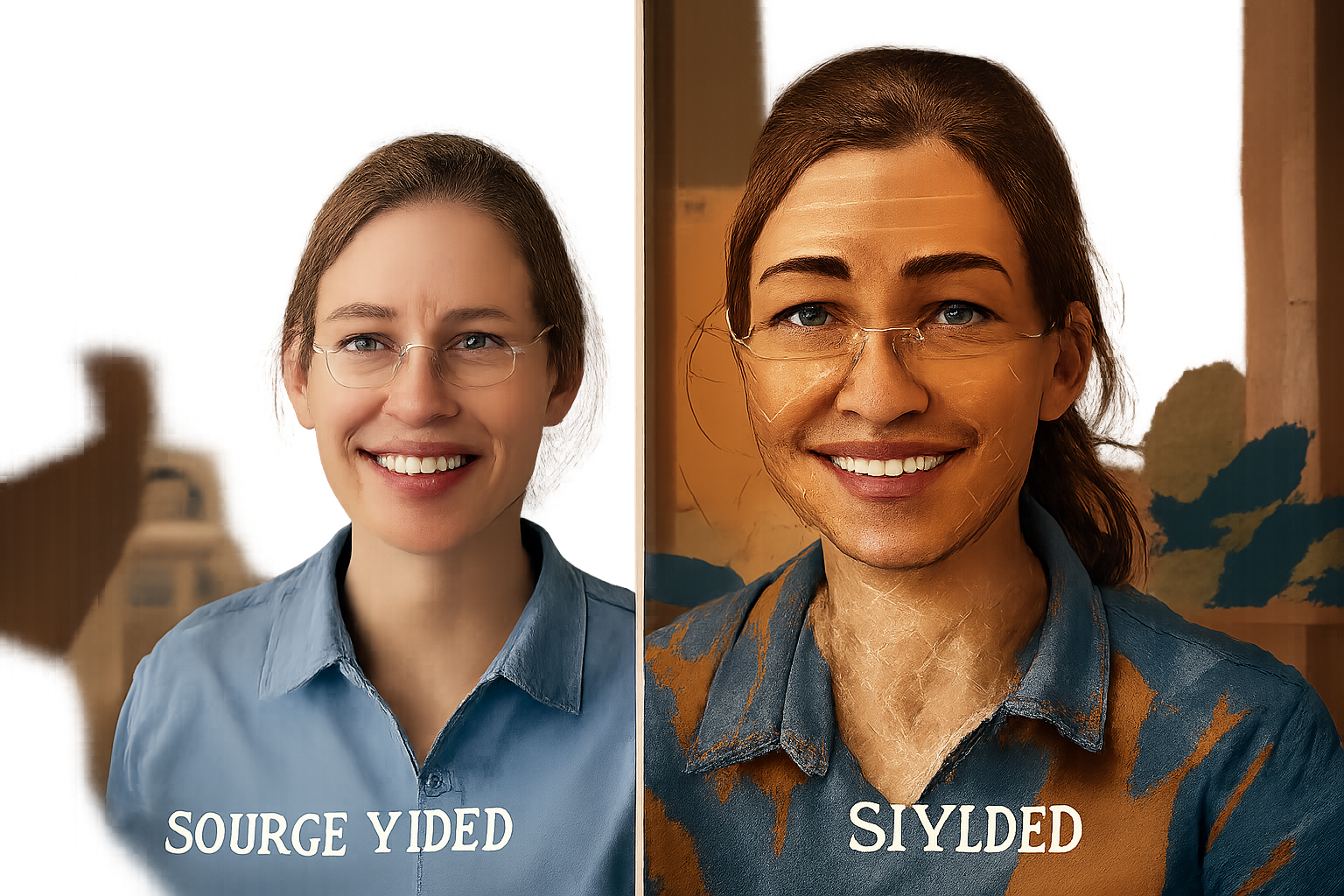
Eyeline Labs' ID-V2V, a SIGGRAPH Asia 2026 paper developed with Netflix, now has native ComfyUI support via a core PR from Kijai (Comfy-Org/ComfyUI #15139). Feed it a source video plus one or more stylized keyframes and it transforms the look — lighting, scene style, color — while locking the character's identity, expressions, and eye gaze exactly as shot. The workflow unlocks a genuine shoot-first-restyle-later pipeline for visual storytelling without replacing actors.
Kling 3.0's production pipeline continues to mature with its AI Director system — script-aware scene transitions, auto-scheduled camera angles, and native lip-synced audio in five languages, all inside a single 15-second generation cycle. Elements 3.0 handles character consistency across shots. At roughly $0.10/second it remains the most affordable premium model for multi-shot commercial work. The workflow shift here is real: from asset generation to narrative production in one pass.
TikTok has moved to automated AI content detection using C2PA Content Credentials, applying mandatory labels to synthetic media even when creators don't self-disclose. Branded content and paid ads are under the same rules. The significance: TikTok is shifting compliance burden from creator to platform, and if the detection proves reliable at scale, Meta and YouTube will face increasing pressure to follow. For now, best practice is to label proactively — getting flagged retroactively is worse.
YouTube has rebranded its "repetitious content" policy to "inauthentic content" and is enforcing harder. AI-generated spam, lazy compilations, and mass-produced channel farms now face manual review and demonetization. For legitimate AI video creators the numbers stay the same: Shorts RPM runs $0.03–$0.07 per thousand views; long-form in premium niches can hit $9+ RPM. The path to $5K/month on Shorts alone requires 40–100M monthly views, making diversification — affiliates, sponsorships, digital products — a necessity not an option.